
Logo UE
Logo Abastran

Modular car wash roof

Dodatkowe treści

Details of the modular car wash roofing project implementation:

General contractor: Abastran sp z o.

Scope: concept, visualization


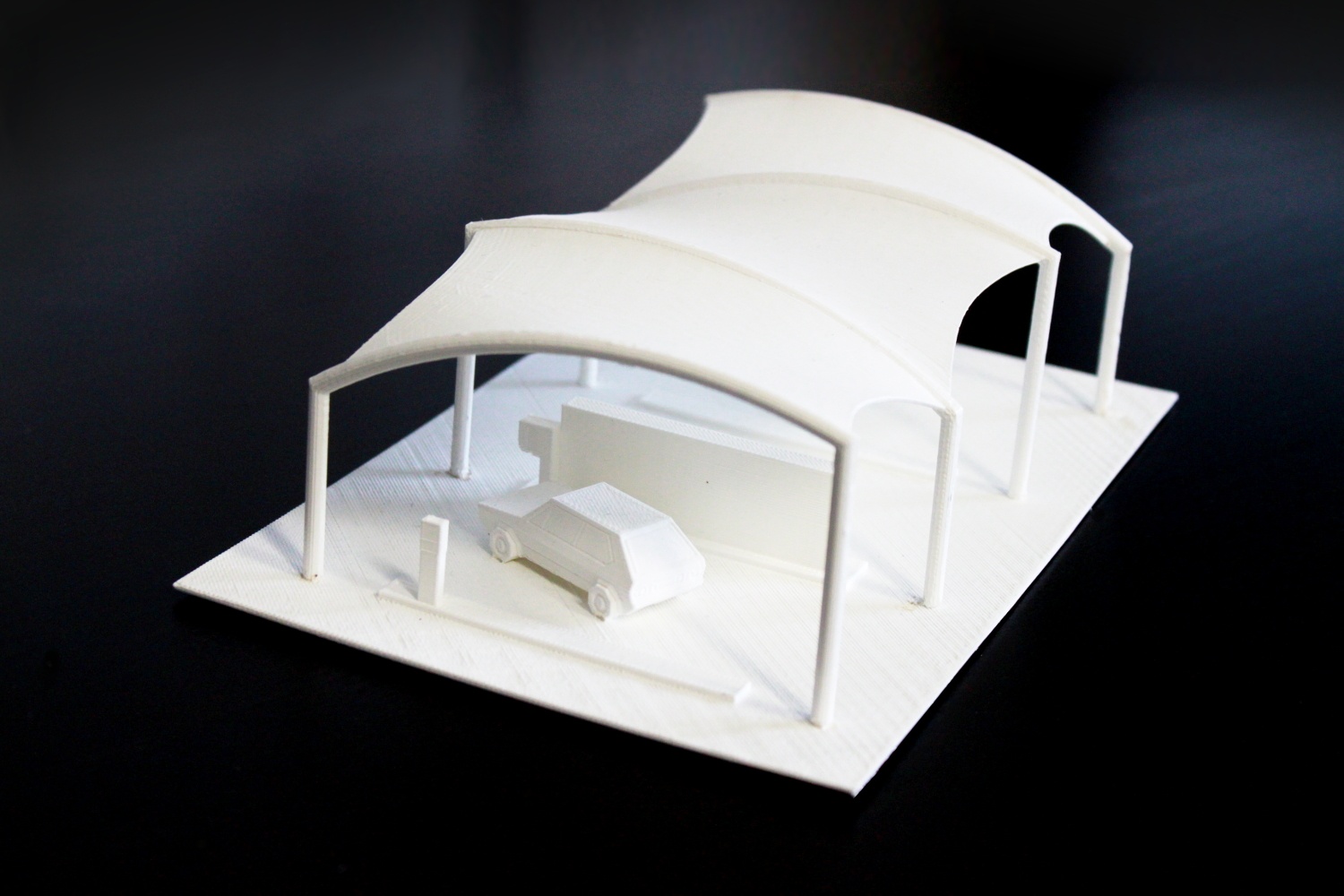
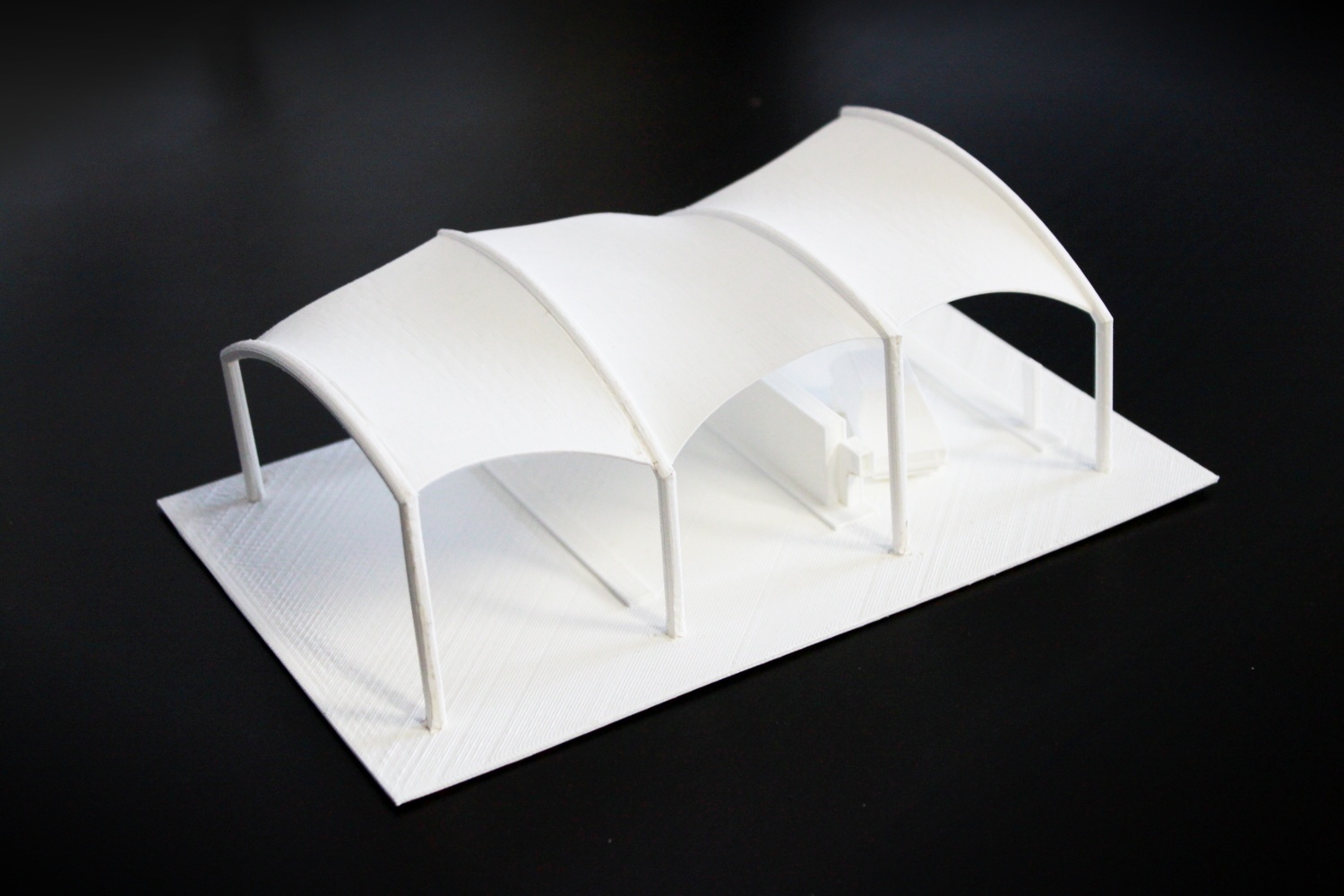
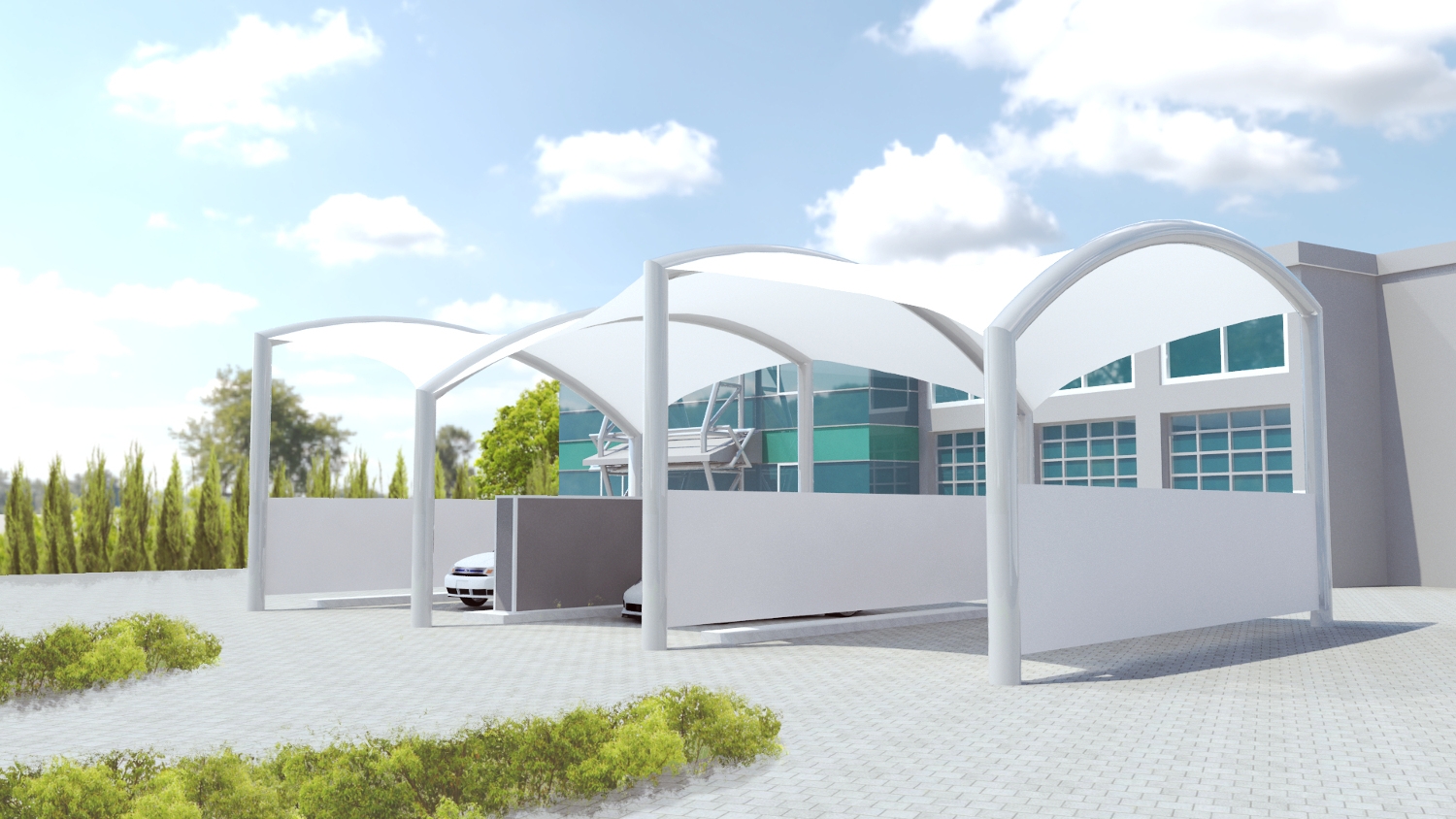
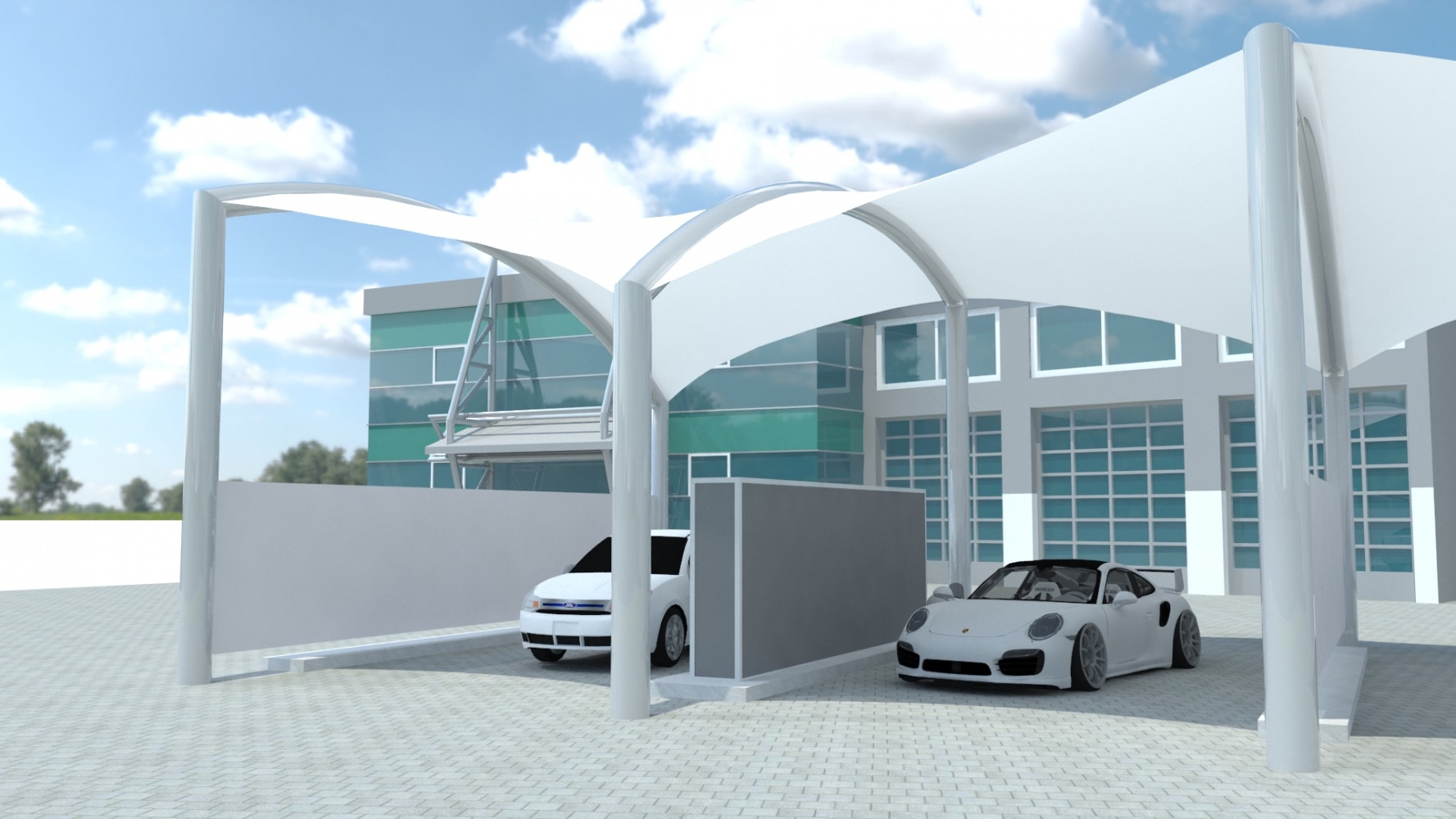
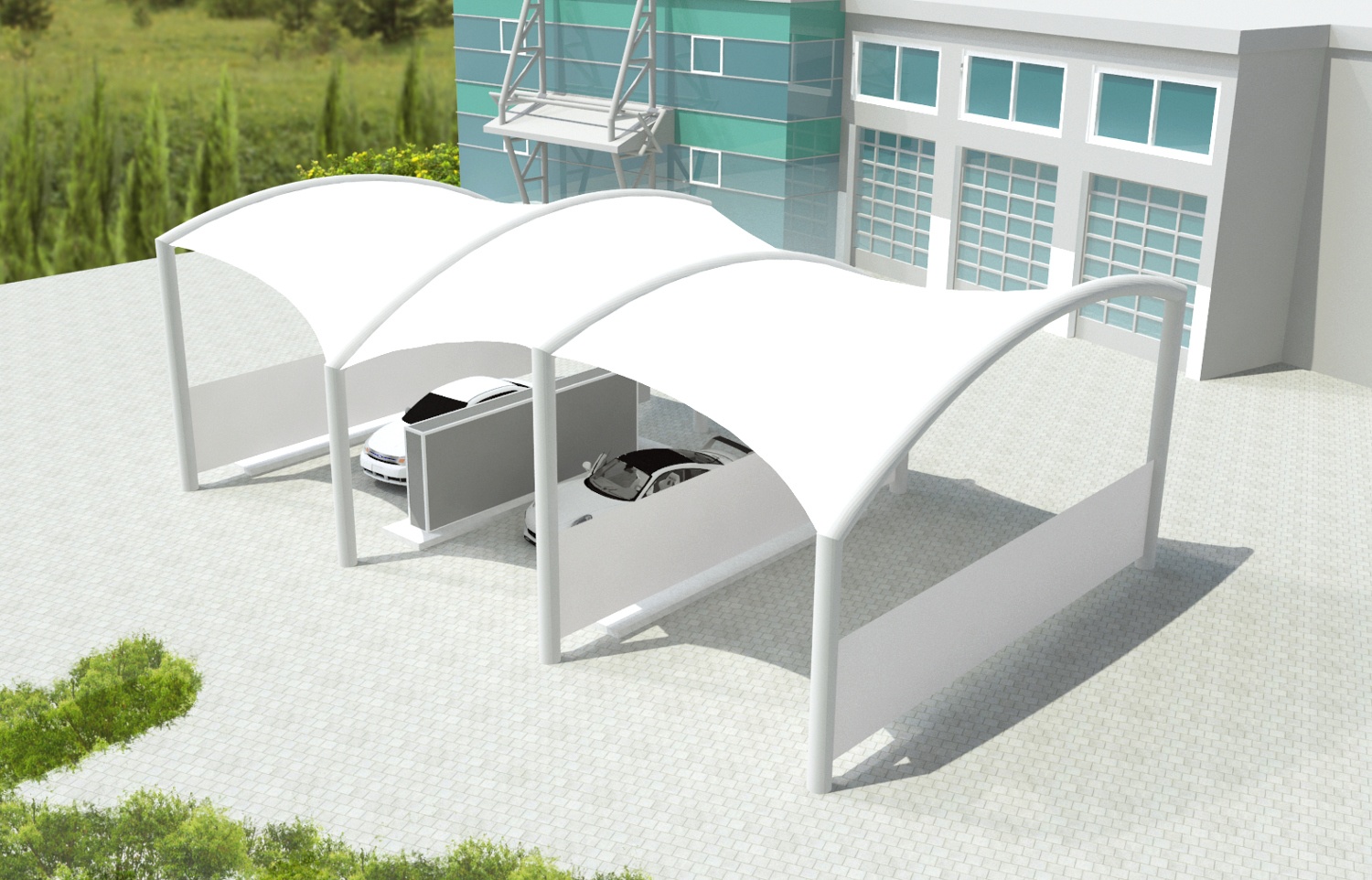
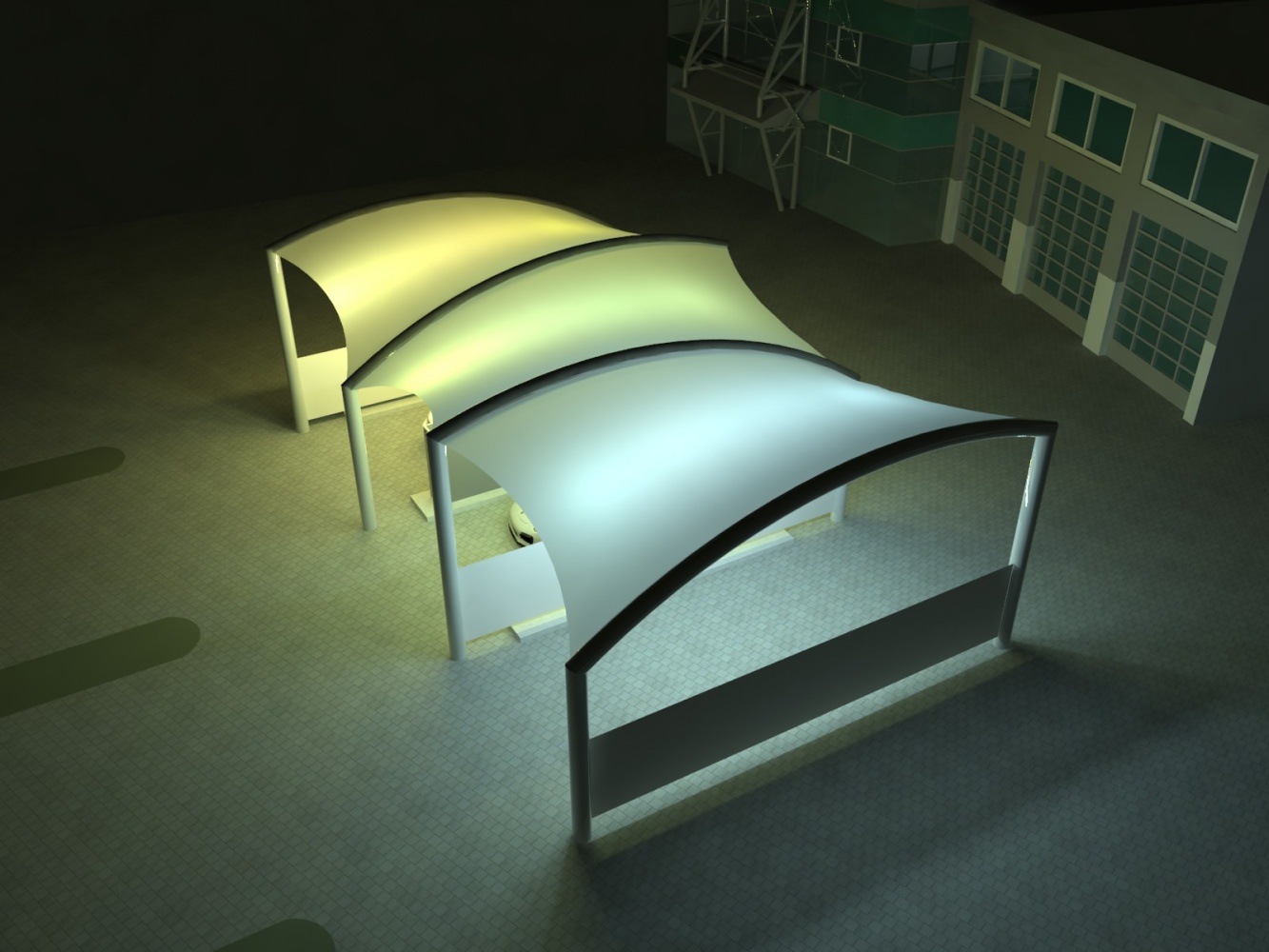
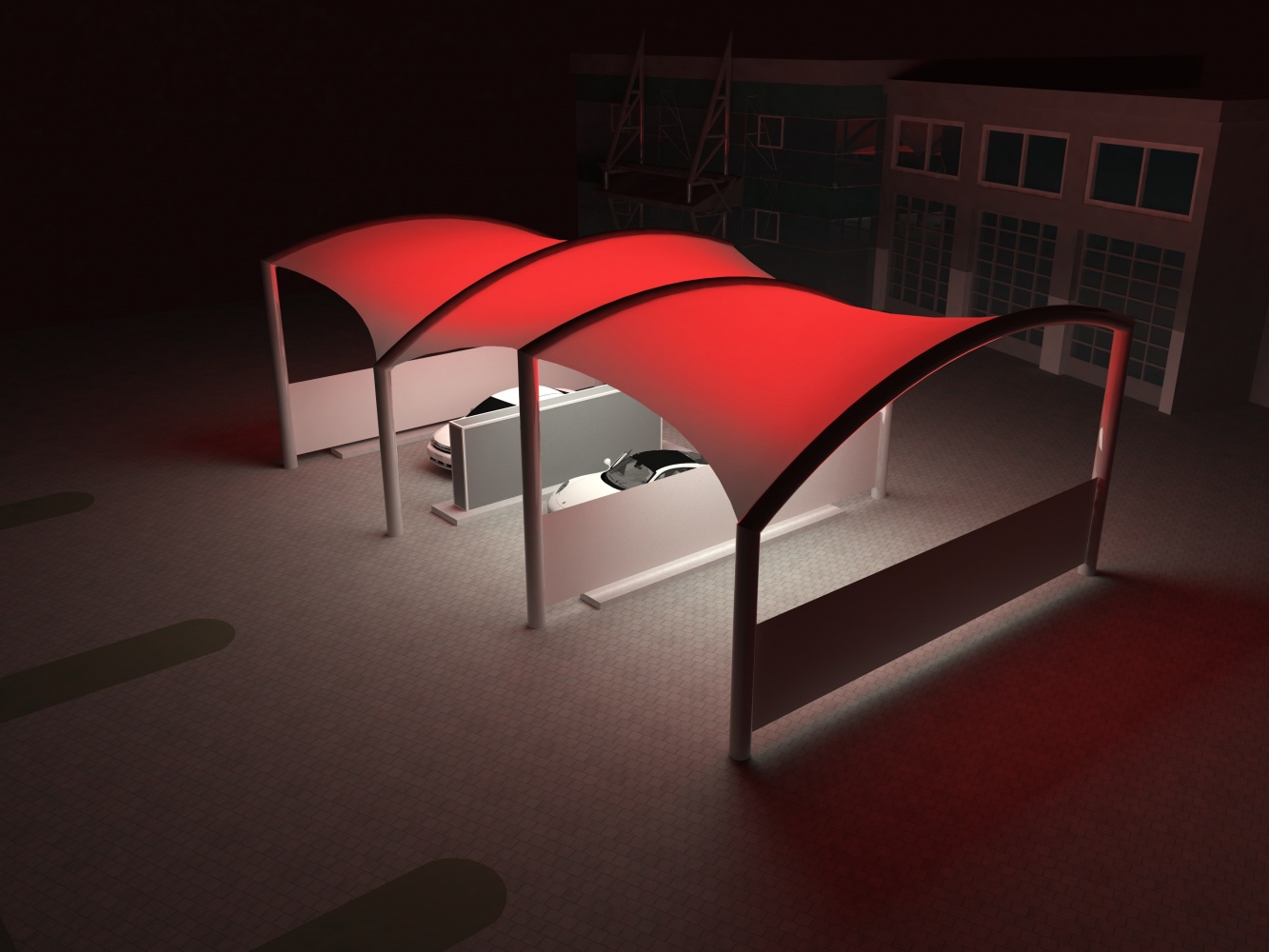
Abastran Sp. z o.o. z o. o. recently developed a concept and visualization of a modular car wash roof. The aim of this project is to create a flexible and aesthetically pleasing structure that is not only functional but also eye-catching, especially after dark, thanks to effective backlighting.


The designed roof consists of a series of modules that can be placed in different configurations, creating a unique structure. Each module is made of a membrane that ensures a lightweight structure and easy assembly and disassembly. The modular design allows for easy adjustment of the size and shape of the roof to specific needs and possible transfer or change of configuration depending on user requirements.

Want to discuss your project with us? Check out our complete offer of membrane structures.

Galeria
Koncepcja modułowego zadaszenia myjni samochodowej - wizualizacja projektu Abastran
Projekt modułowego systemu zadaszenia myjni - widok z perspektywy
Wizualizacja modułowej konstrukcji membranowej dla myjni samochodowej z podświetleniem
Nocna wizualizacja podświetlonego zadaszenia myjni samochodowej
Szczegóły techniczne modułowej konstrukcji membranowej dla myjni
Kompleksowy projekt modułowego zadaszenia myjni samochodowej - Abastran
Modułowe zadaszenie myjni - wizualizacja

FAQ

What materials was the modular roof made of?

Roofing the terrace in Brenna

Dodatkowe treści

Details of the terrace roofing implementation in Brenna:

Year: 2017

Location: Brenna, Poland

Area: 36m2

Material: PVC membrane with PES fibers

Construction: Abastran Sp. z o. o.

General contractor: Abastran Sp. z o. o.

Scope: design, assembly


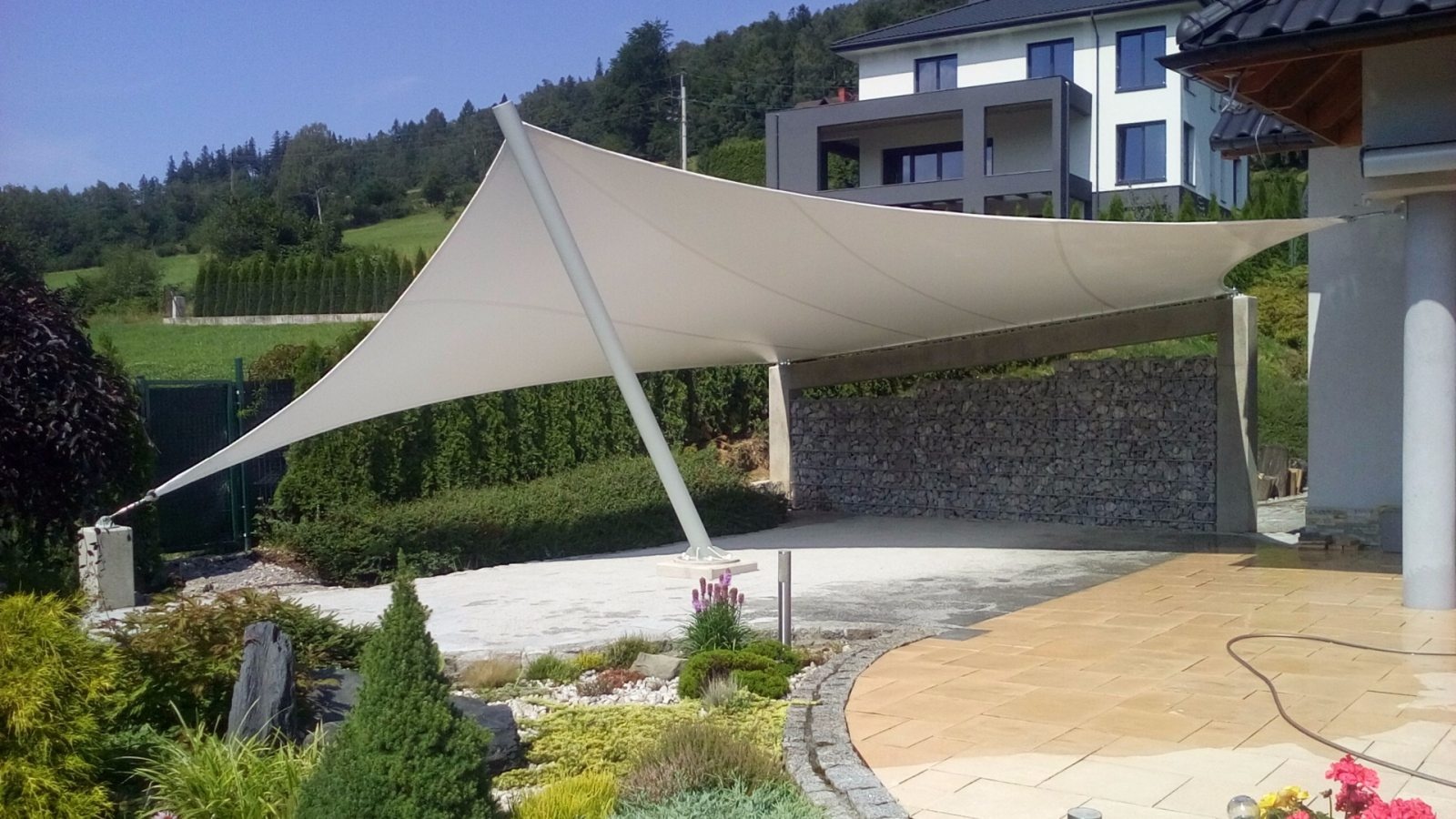
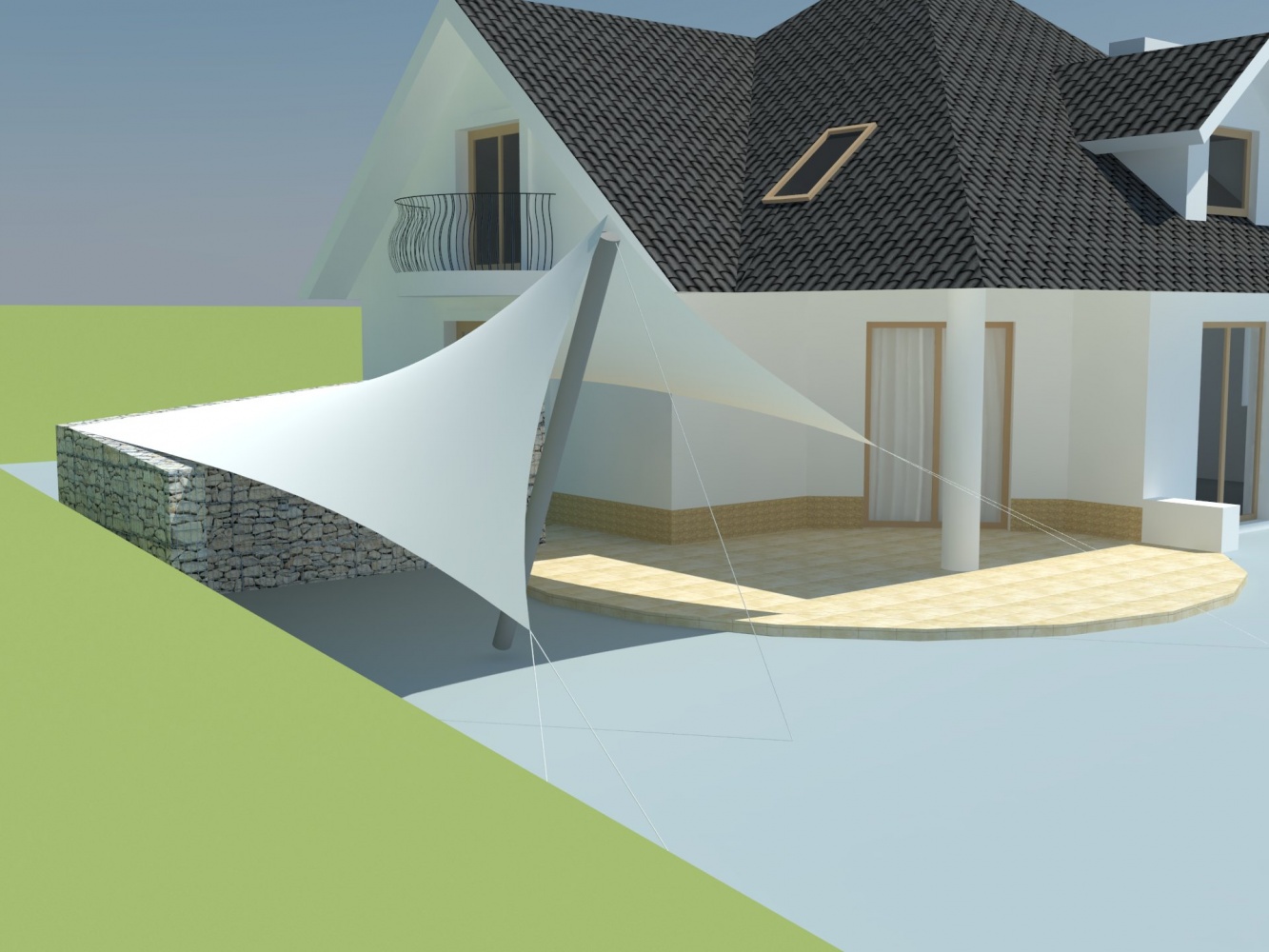
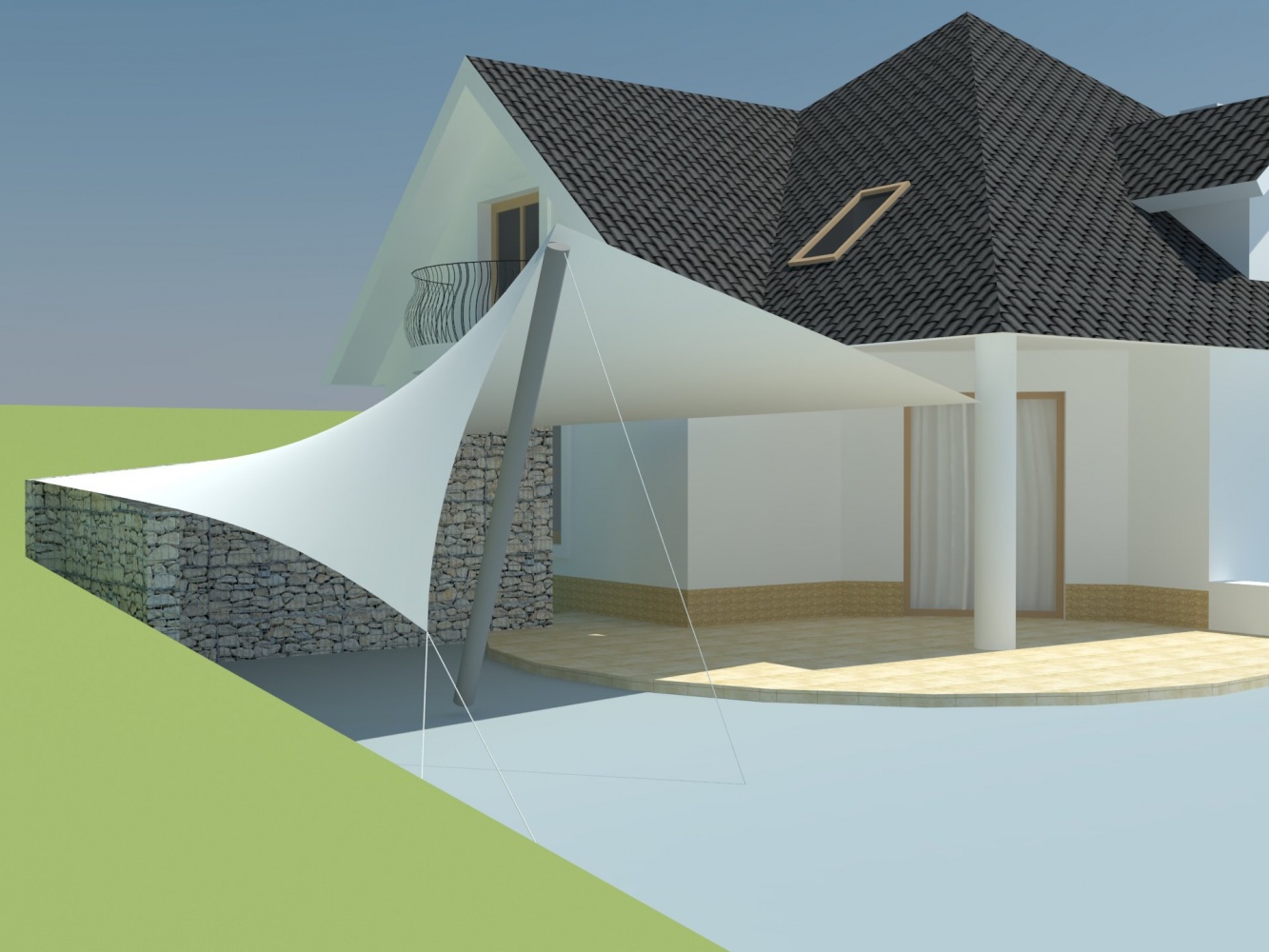
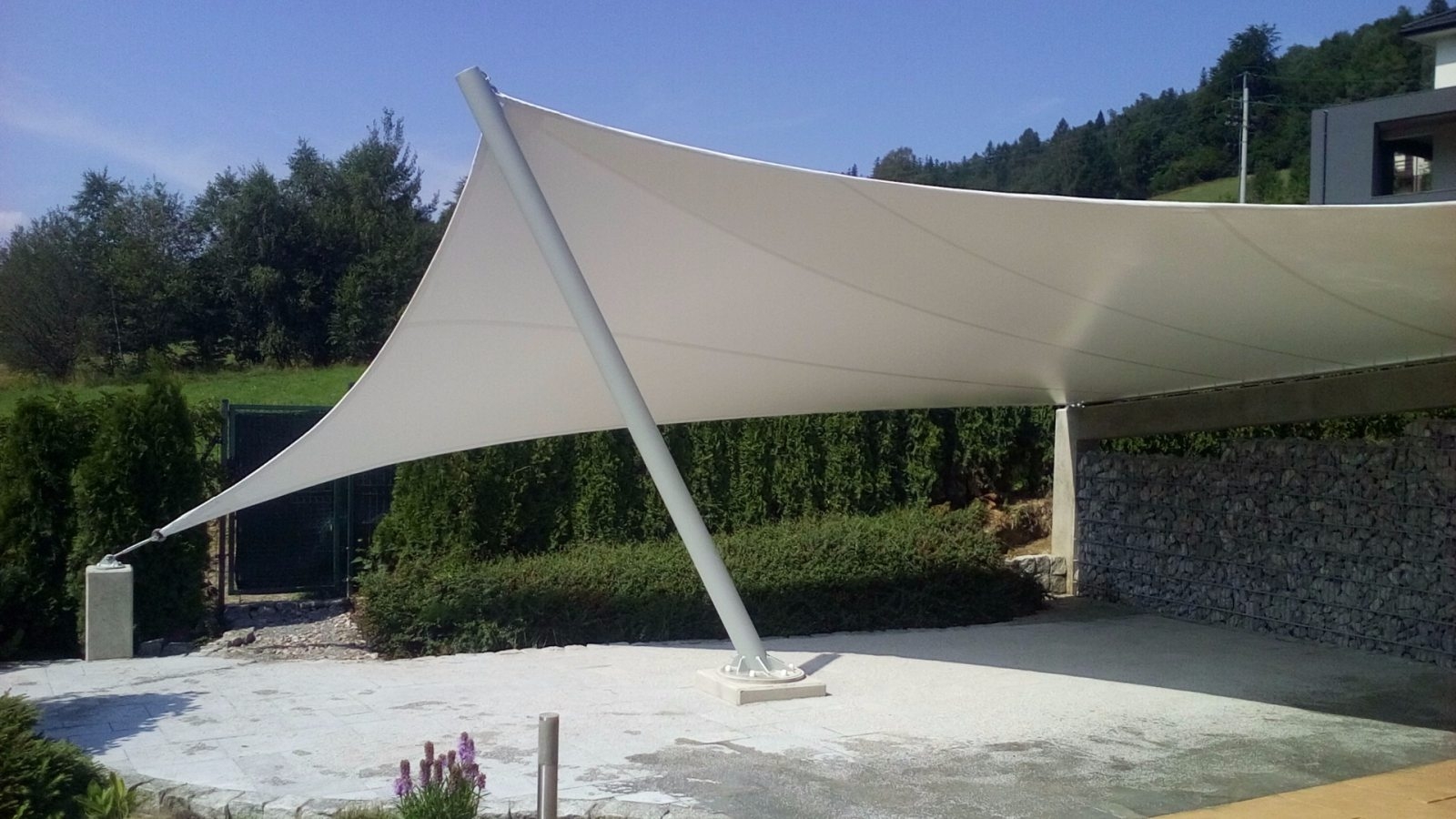
In 2017, a 36 m² terrace roofing project was implemented in Brenna. This project is an example of how modern construction and material solutions can be used not only in large projects, but also in smaller, private investments, such as roofing a terrace in a family home.


The roof is made of PVC membrane with PES fibers, which ensures strength, durability and resistance to weather conditions. The roof structure is based on one steel pole, two guy wires and, additionally, a reinforced concrete structure with a tension beam. The whole is complemented by gabions that have been integrated with the reinforced concrete structure, giving the project a unique and aesthetic look. The maximum dimensions of the roof in plan view are just over 8 m, with a maximum height of approximately 3.5 m.

Want to discuss your project with us? Check out our complete offer of PVC membrane welding.

Galeria

Zadaszenie tarasu z membrany PVC w Brennej - projekt i realizacja Abastran
Konstrukcja zadaszenia tarasu ze słupem stalowym i gabionami - realizacja w Brennej
Montaż membrany PVC z włóknami PES na tarasie w Brennej przez firmę Abastran
Integracja zadaszenia membranowego z konstrukcją żelbetową i gabionami - projekt Abastran

FAQ

What materials were used to make the roof?

Amphitheater in Świnoujście

Dodatkowe treści

Details of the amphitheater membrane roofing project implementation:

Year: 2014

Location: Świnoujście, Poland

Area: 2900m2

Material: Mehler Valmex Mehatop F, PVC

Construction: Abastran sp z o. o.

General contractor: MOSTMARPAL sp. z o. o.

Scope: membrane executive design


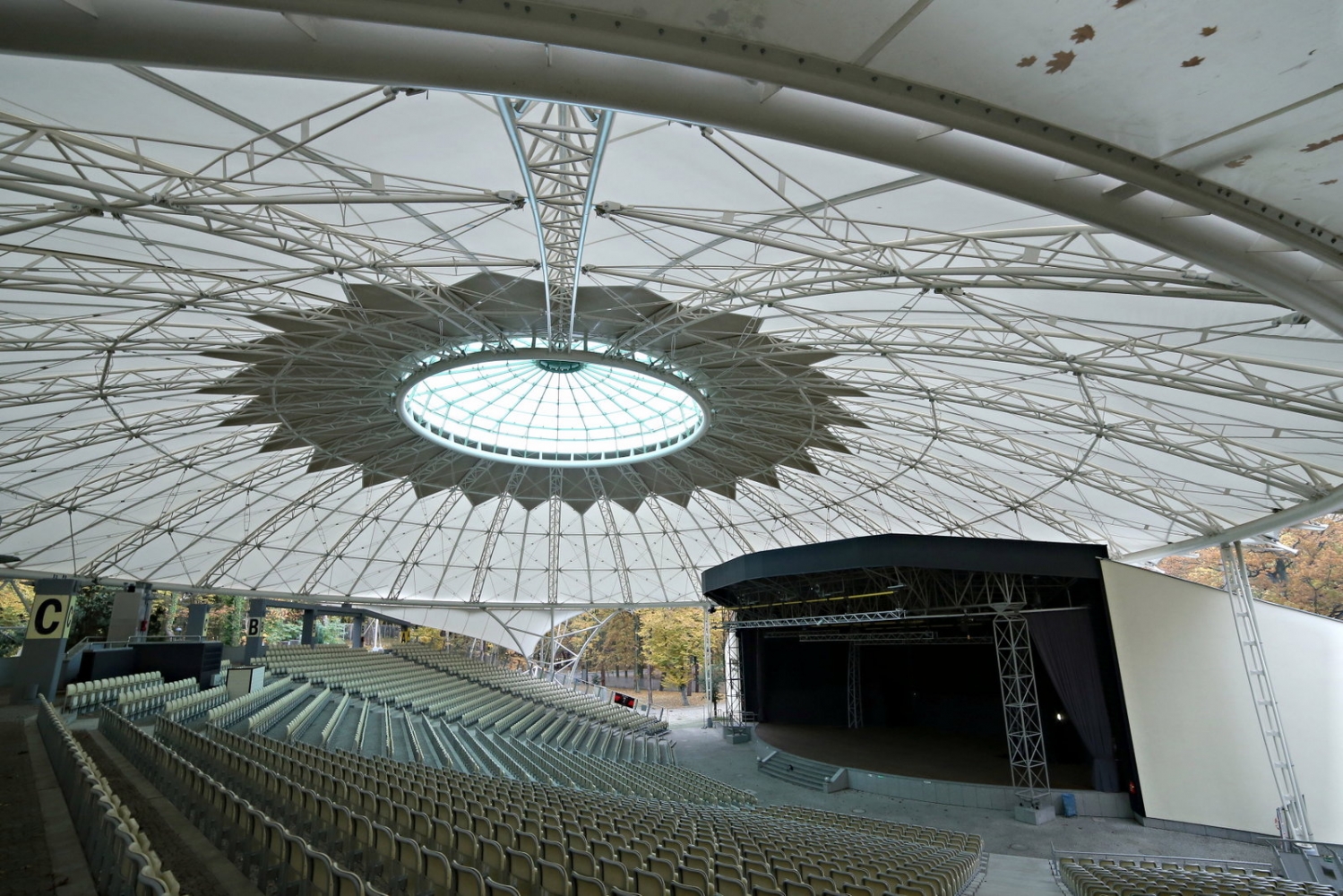
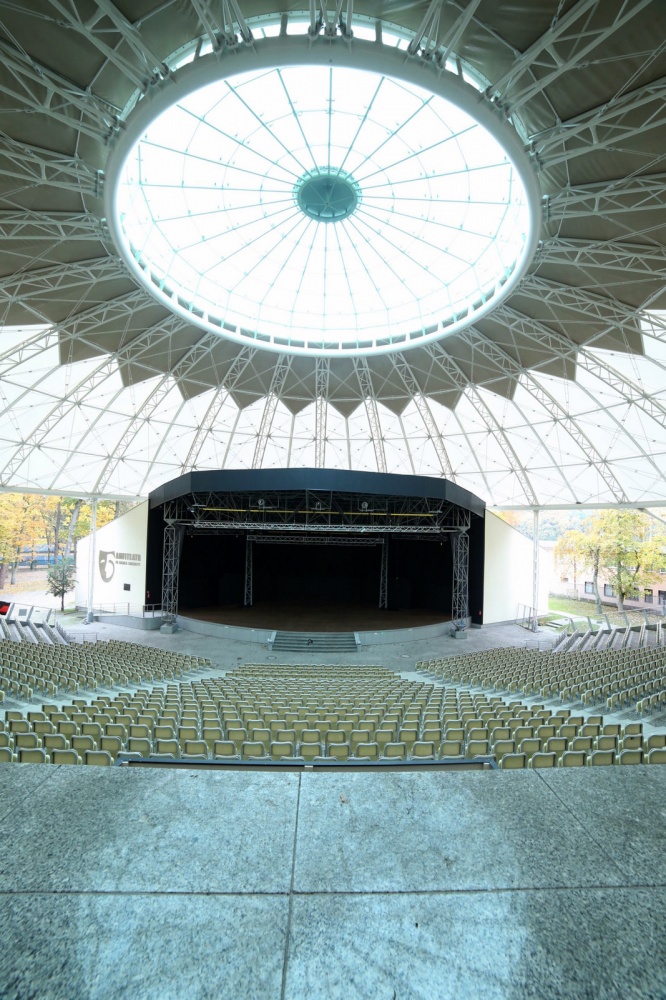
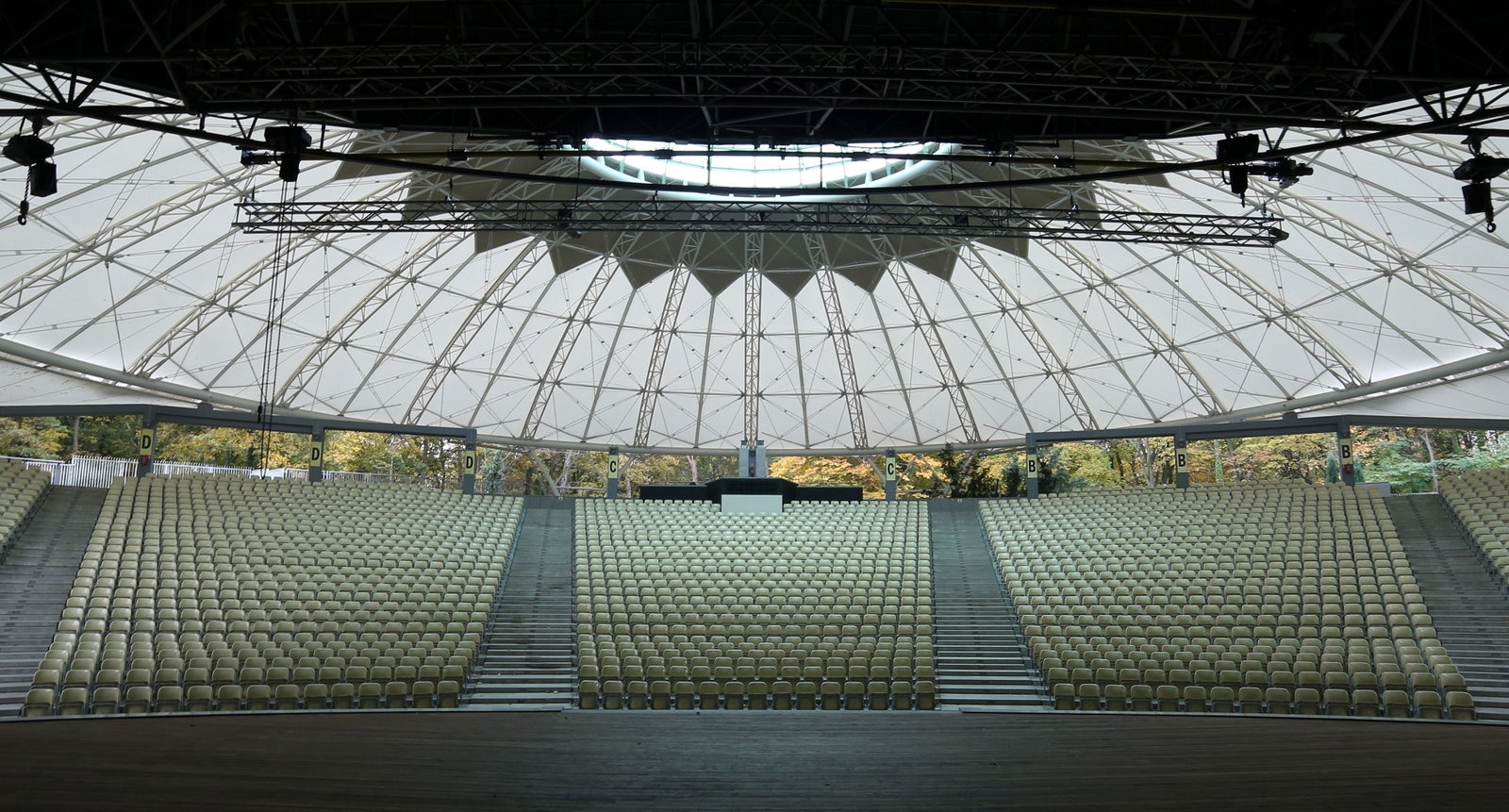
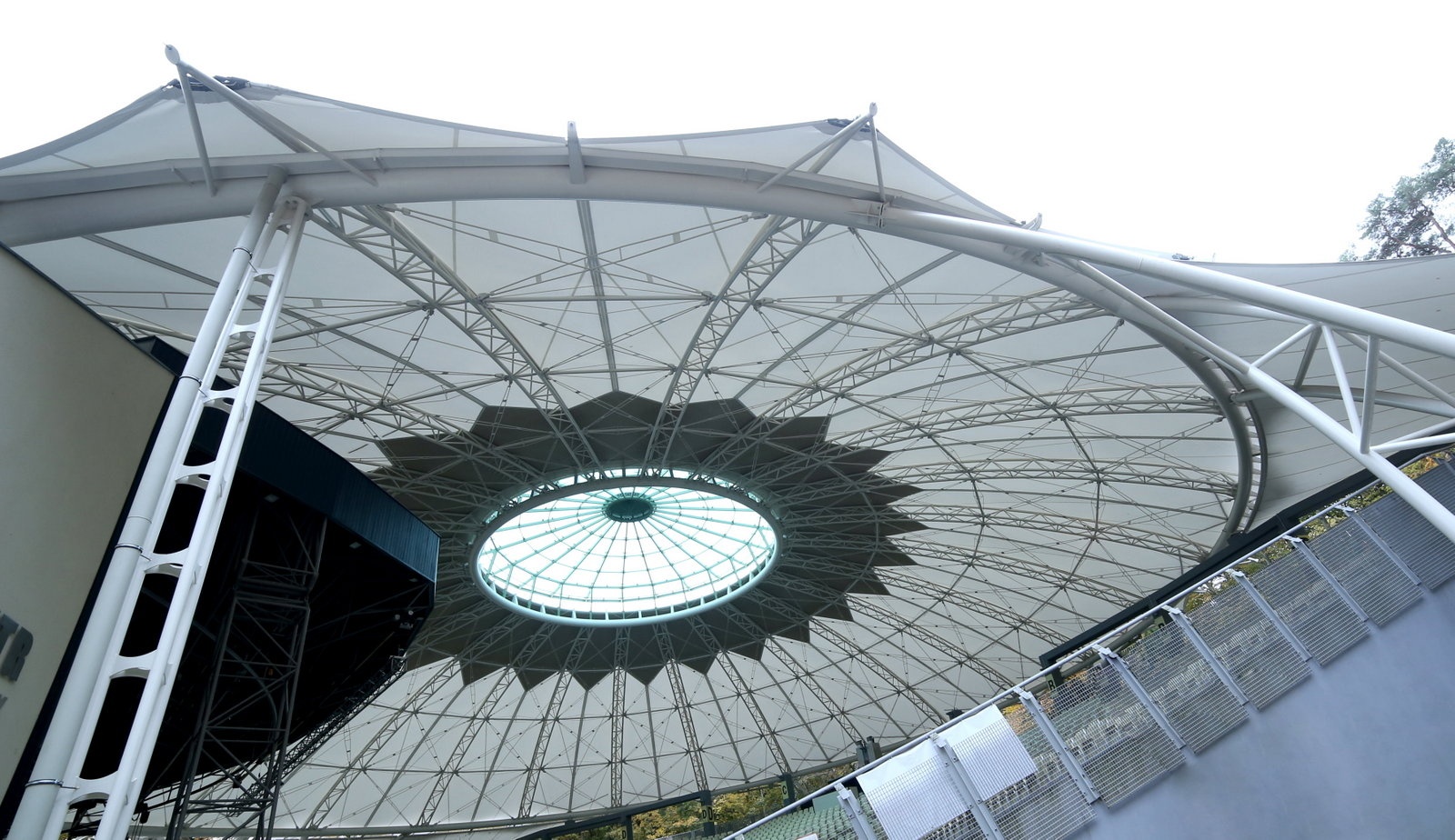
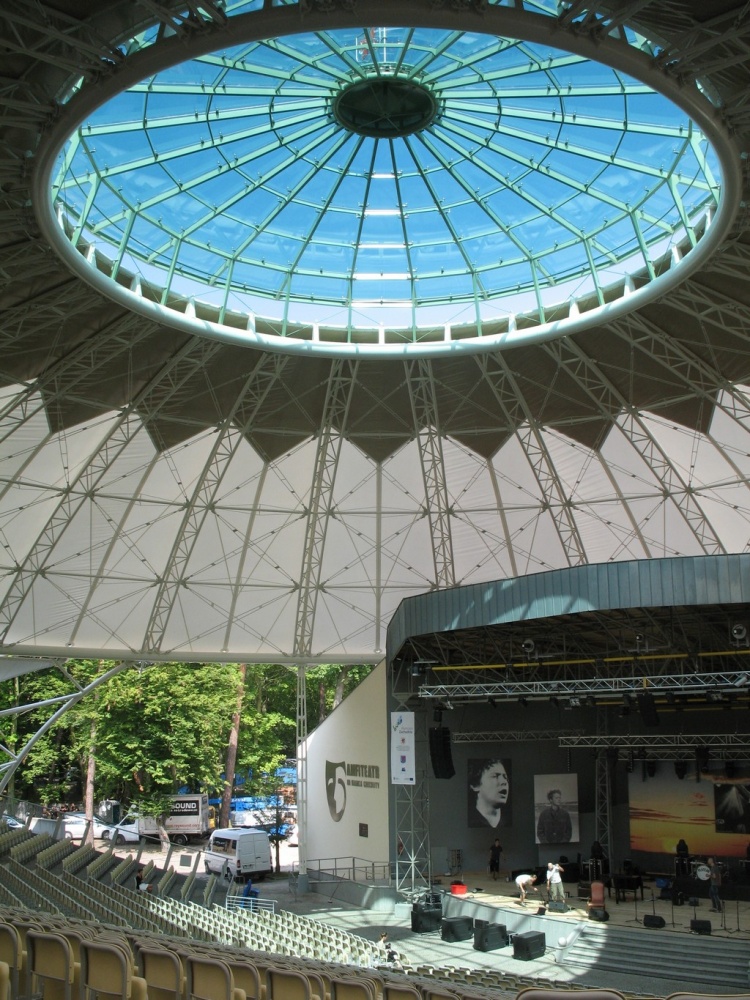
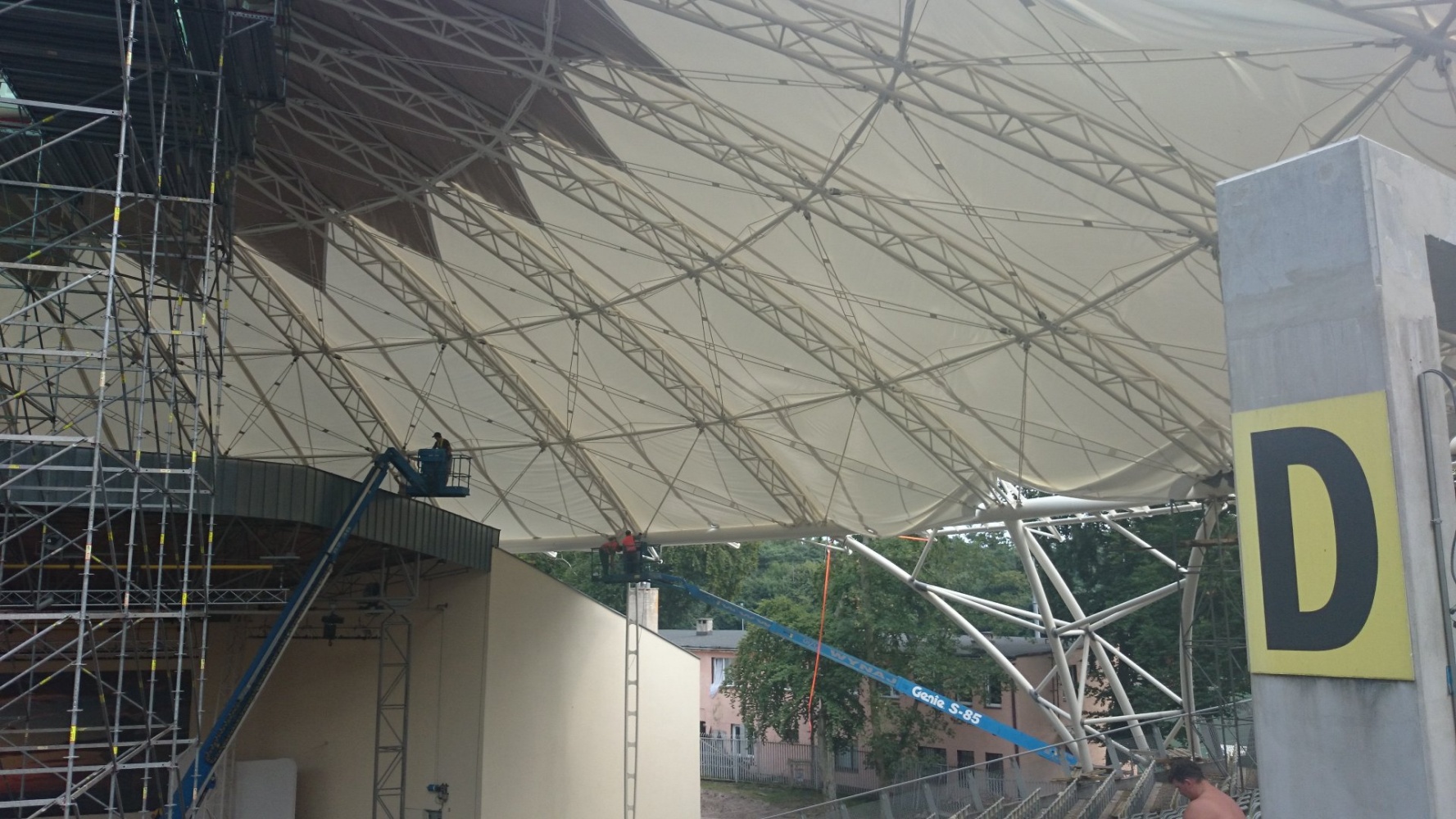
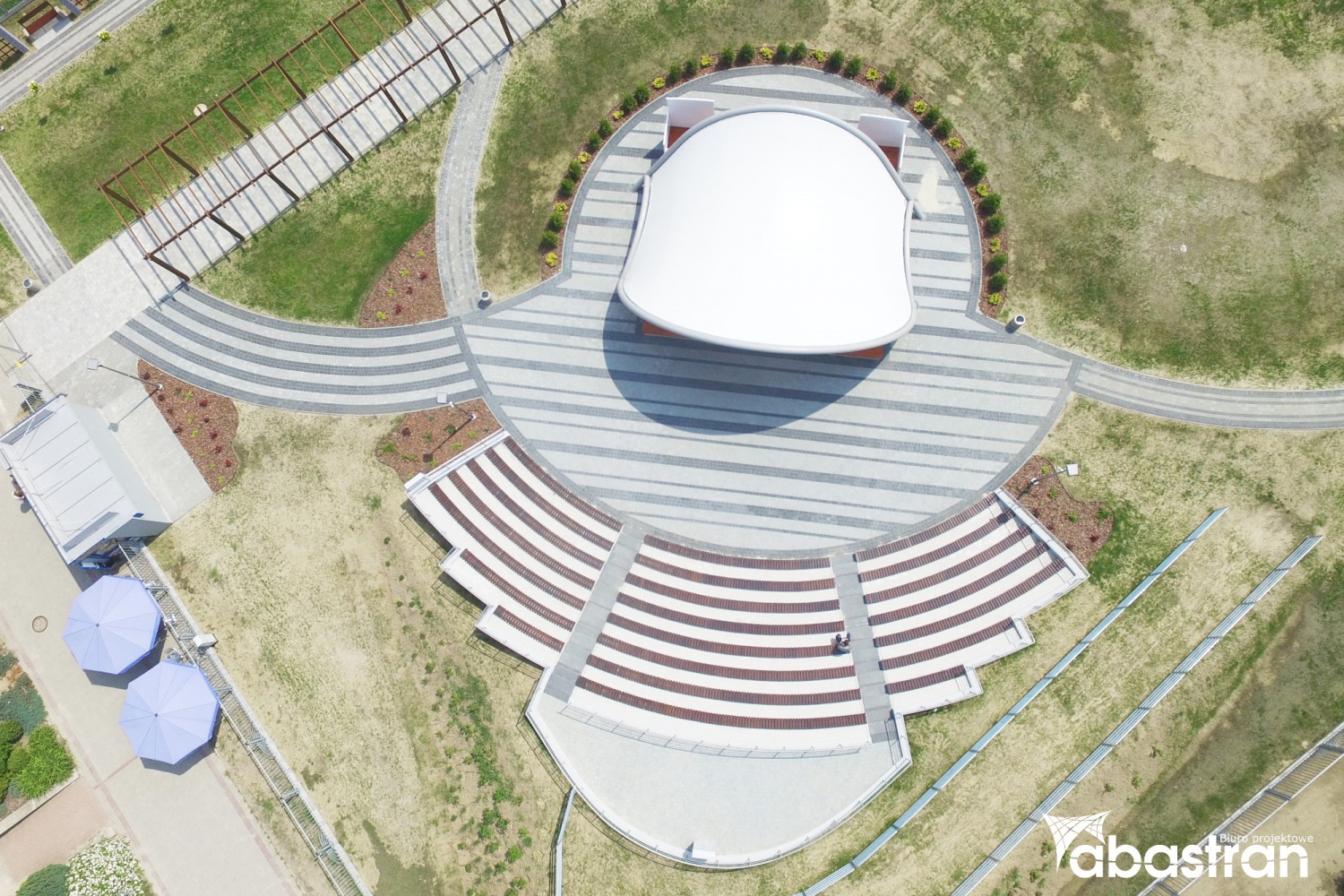
In 2014, the detailed design of the membrane roofing the Amphitheater in Świnoujście was completed, which included the design and installation of a modern membrane with tension elements. The aim of this project was to create an aesthetic and functional roof that would protect the amphitheater audience from various weather conditions, enabling the organization of large-scale events throughout the year.


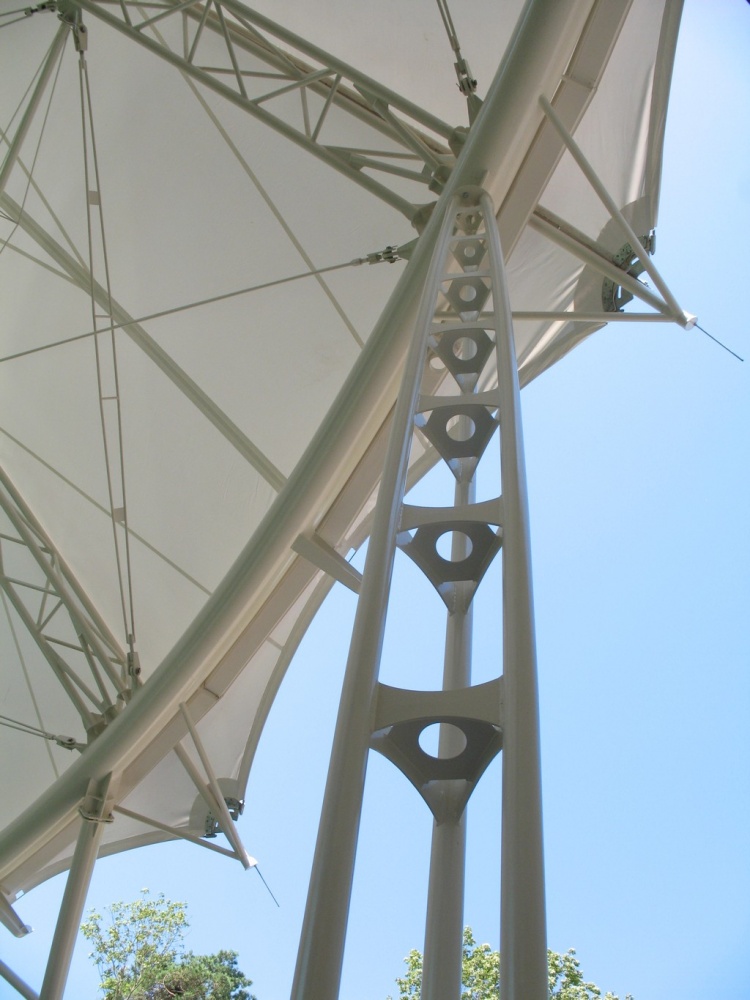
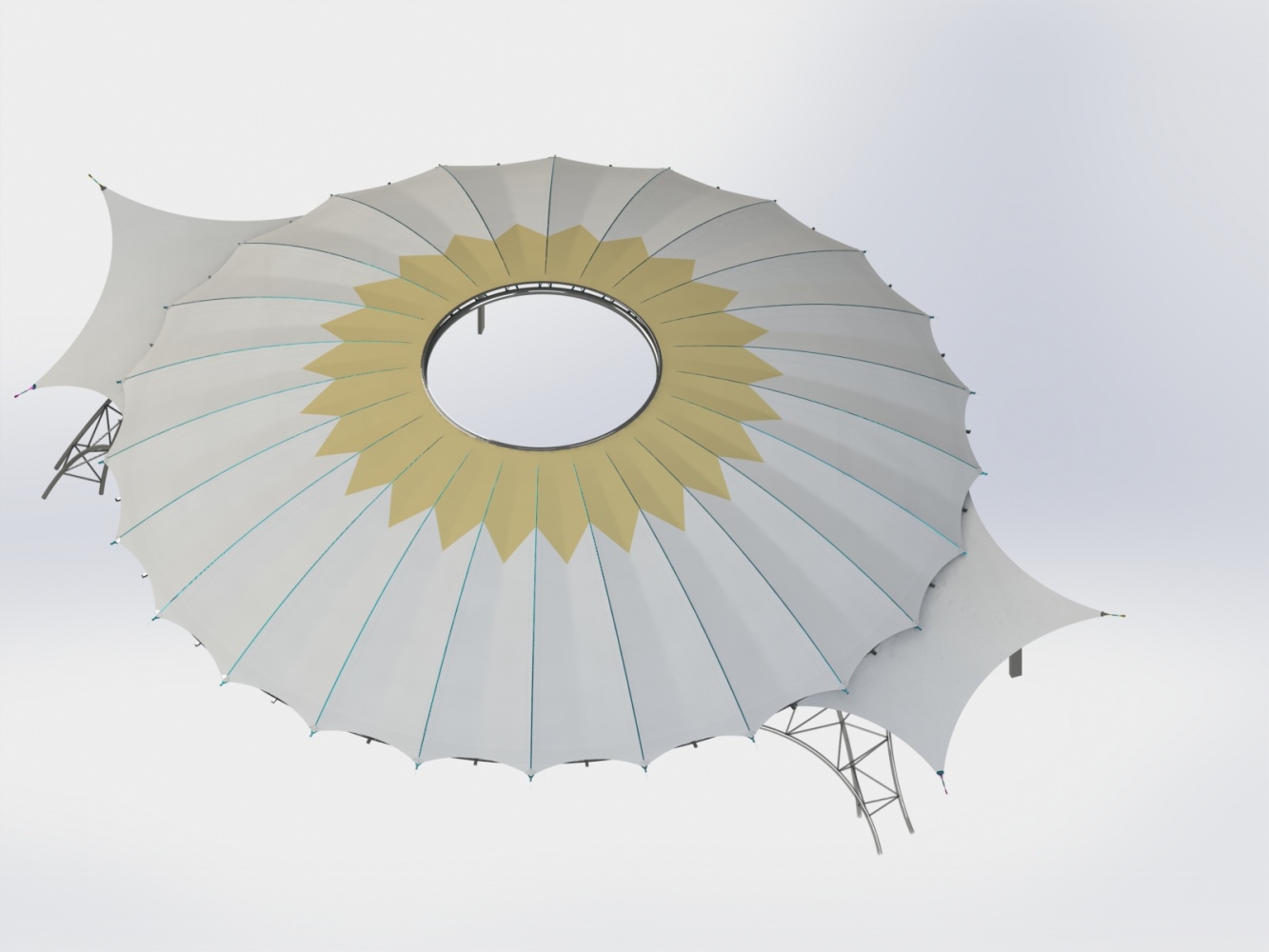
The material used was Mehler Valmex Mehatop F, PVC, which is known for its high durability and resistance to weather conditions. The roof is designed in the shape of an umbrella, with the membrane supported by steel lattice girders. The membrane is tensioned at the ends using gusset plates, which ensures stability and aesthetic appearance of the entire structure. Additionally, the structure uses ropes that prevent excessive movements of the membrane caused by wind suction. The total roof area is 2,900 m², including the main membrane of 2,600 m² and the side membranes of 250 m².

Want to discuss your project with us? Check out our complete offer of membrane structures.

Galeria
Projekt wykonawczy zadaszenia membranowego amfiteatru w Świnoujściu
Projekt kompletnego systemu zadaszenia membranowego
Projekt bocznych membran zadaszenia o powierzchni 250m kwadratowych - amfiteatr w Świnoujściu
Konstrukcja linowa zabezpieczająca membranę przed siłą wiatru - amfiteatr w Świnoujściu
System napinania membrany na stalowych dźwigarach kratowych - amfiteatr w Świnoujściu
projekt konstrukcji stalowej
Membrana główna z materiału Mehler Valmex Mehatop F - projekt Abastran dla amfiteatru w Świnoujściu
Kompleksowy projekt wykonawczy zadaszenia membranowego

FAQ

What materials were used to make the roof?

Membrane roofing of the Amphitheater in Tomaszów Lubelski

Dodatkowe treści

Details of the amphitheater membrane roofing project implementation:

Year: 2017

Location: Tomaszów Lubelski, Poland

Area:approximately 220 m2

Material: PVC membrane – material covered with PVDF coating, white color.

Construction: Abastran Sp. z o. o.

Scope: Construction Design, Detailed Design


In 2017, a construction and executive design for a membrane roofing for an amphitheater was completed in Tomaszów Lubelski. This project was intended to provide protection for spectators against unfavorable weather conditions, which enables the organization of cultural and artistic events throughout the year.


The roof with an area of ​​approximately 220 m² is made of a PVC membrane covered with a PVDF coating, which ensures high resistance to UV rays, moisture and pollution. The white color of the membrane not only fits aesthetically into the surroundings, but also helps reflect excess solar heat. The supporting structure of the roof has been designed in a way that harmonizes with the natural landscape, while ensuring the stability and durability of the entire structure.

Want to discuss your project with us? Check out our complete offer of membrane structures.

Galeria
Membrana PVC z powłoką PVDF - projekt wykonawczy dla amfiteatru w Tomaszowie Lubelskim
Konstrukcja nośna zadaszenia membranowego - projekt Abastran dla amfiteatru
Zadaszenie membranowe Amfiteatru w Tomaszowie Lubelskim
Kompleksowy projekt zadaszenia membranowego amfiteatru
Projekt budowlany zadaszenia membranowego amfiteatru w Tomaszowie Lubelskim
Projekt konstrukcji nośnej zadaszenia - amfiteatr w Tomaszowie Lubelskim
System mocowania membrany PVC - projekt wykonawczy amfiteatru
Wizualizacja białego zadaszenia membranowego
Integracja zadaszenia membranowego z istniejącą architekturą amfiteatru

FAQ

What materials were used to make the amphitheater roof?

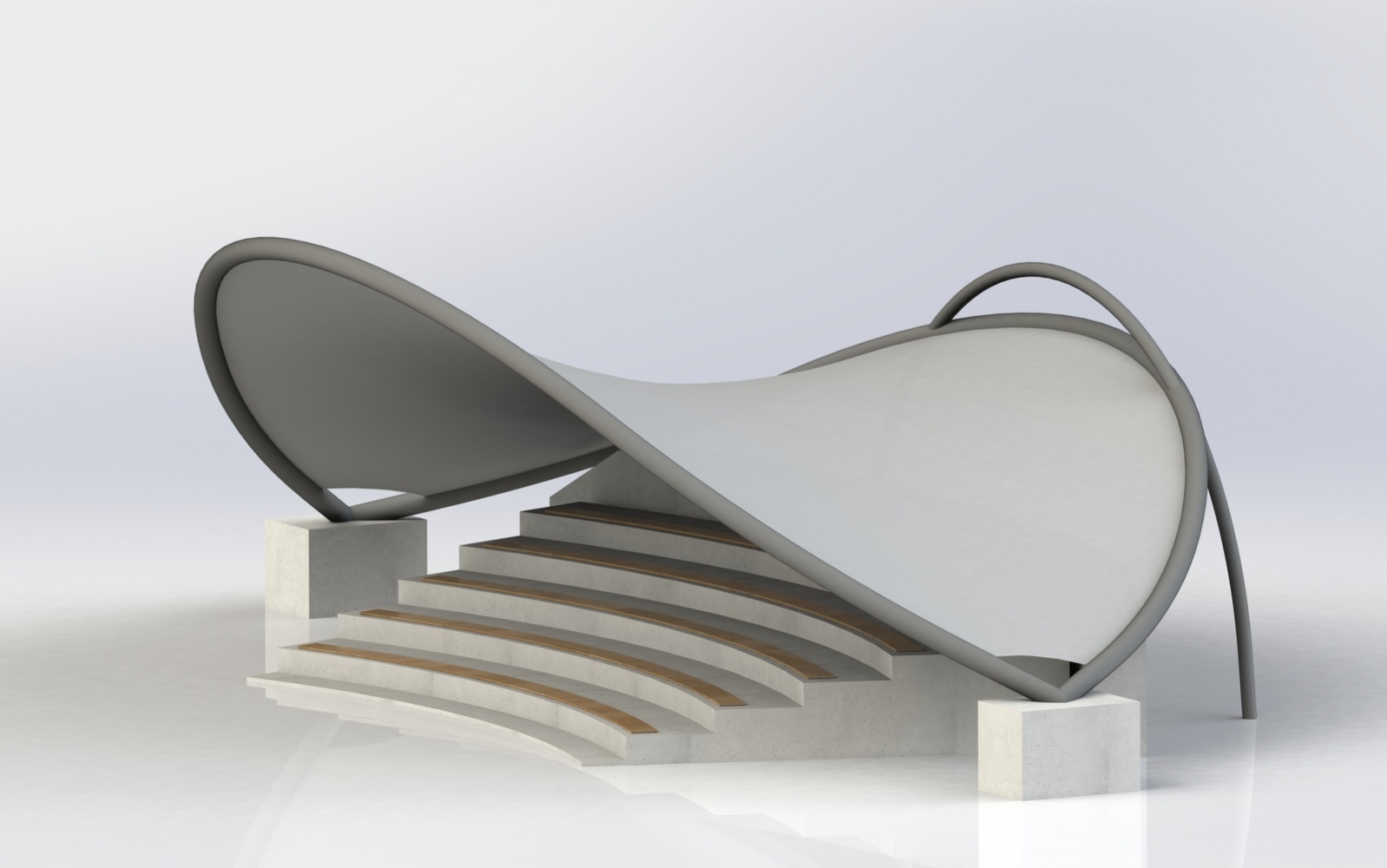
Conceptual design of the skatepark canopy in Piaseczno

Dodatkowe treści

Details of the skatepark roofing project implementation:

Year: 2017

Location: Piaseczno, Poland

Area: approximately 1150 m2

Material: PVC membrane – material covered with PVDF coating, white color.

Construction: Abastran Sp. z o. o.

Scope: Construction Design, Detailed Design


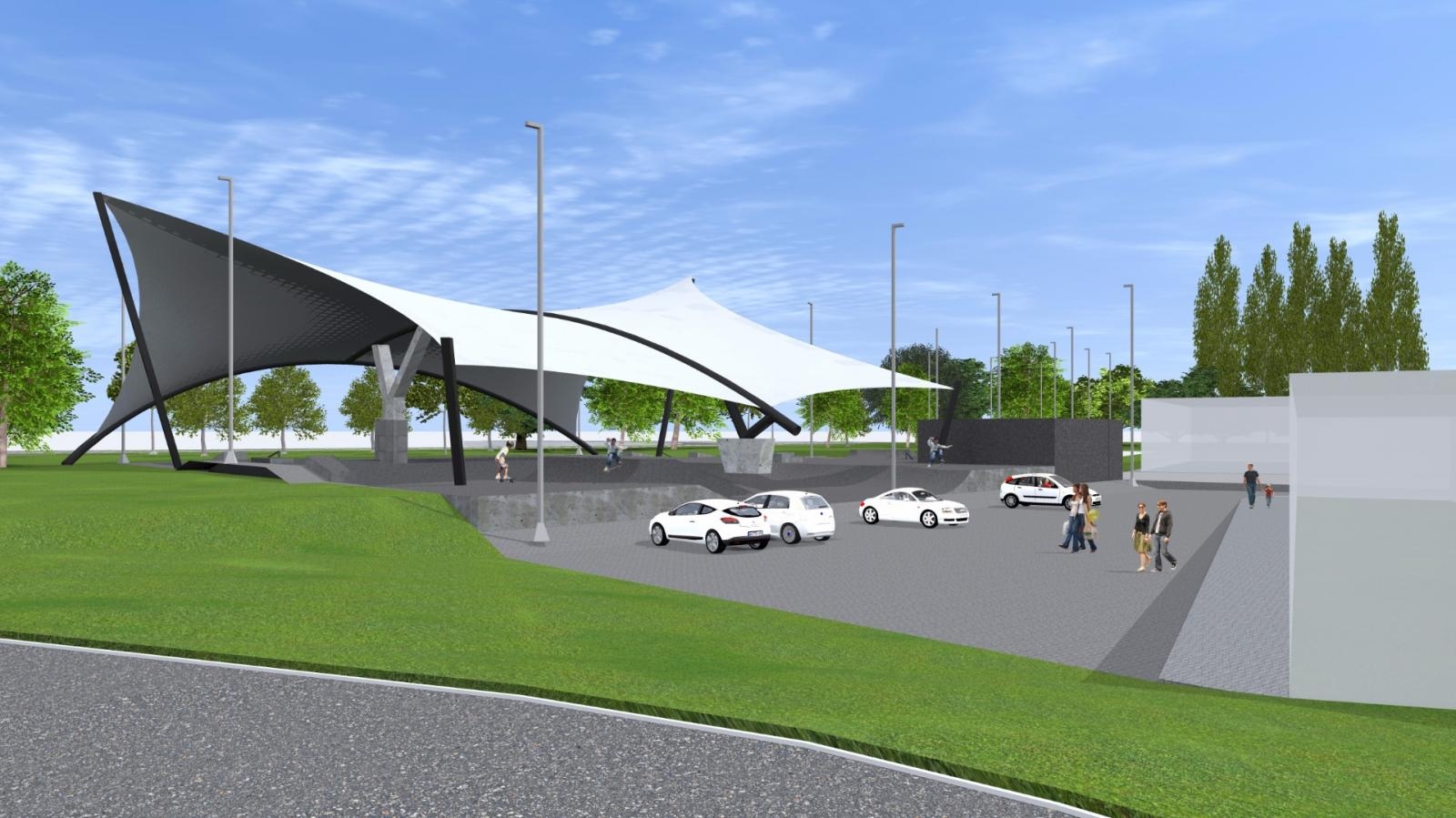
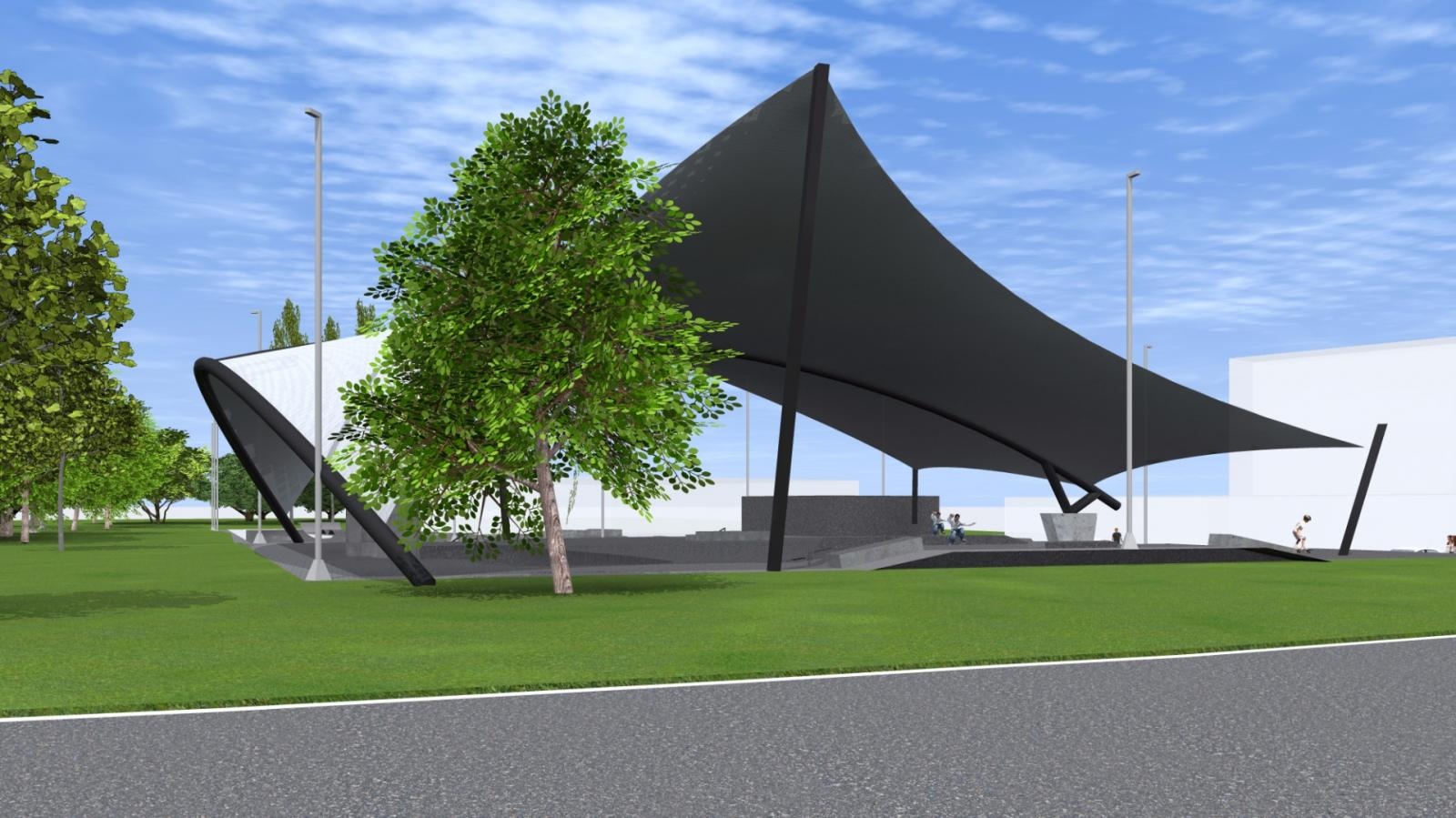
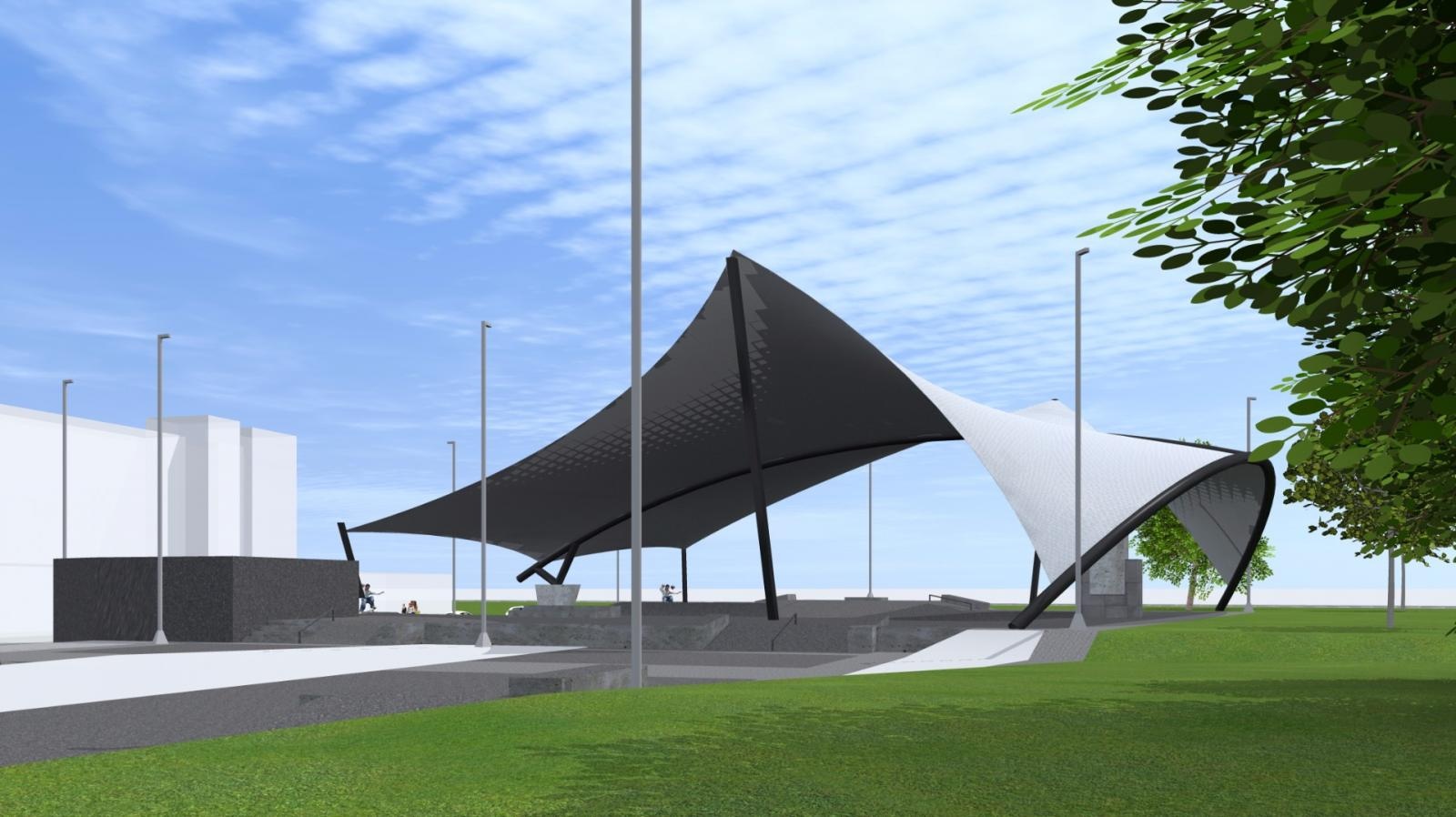
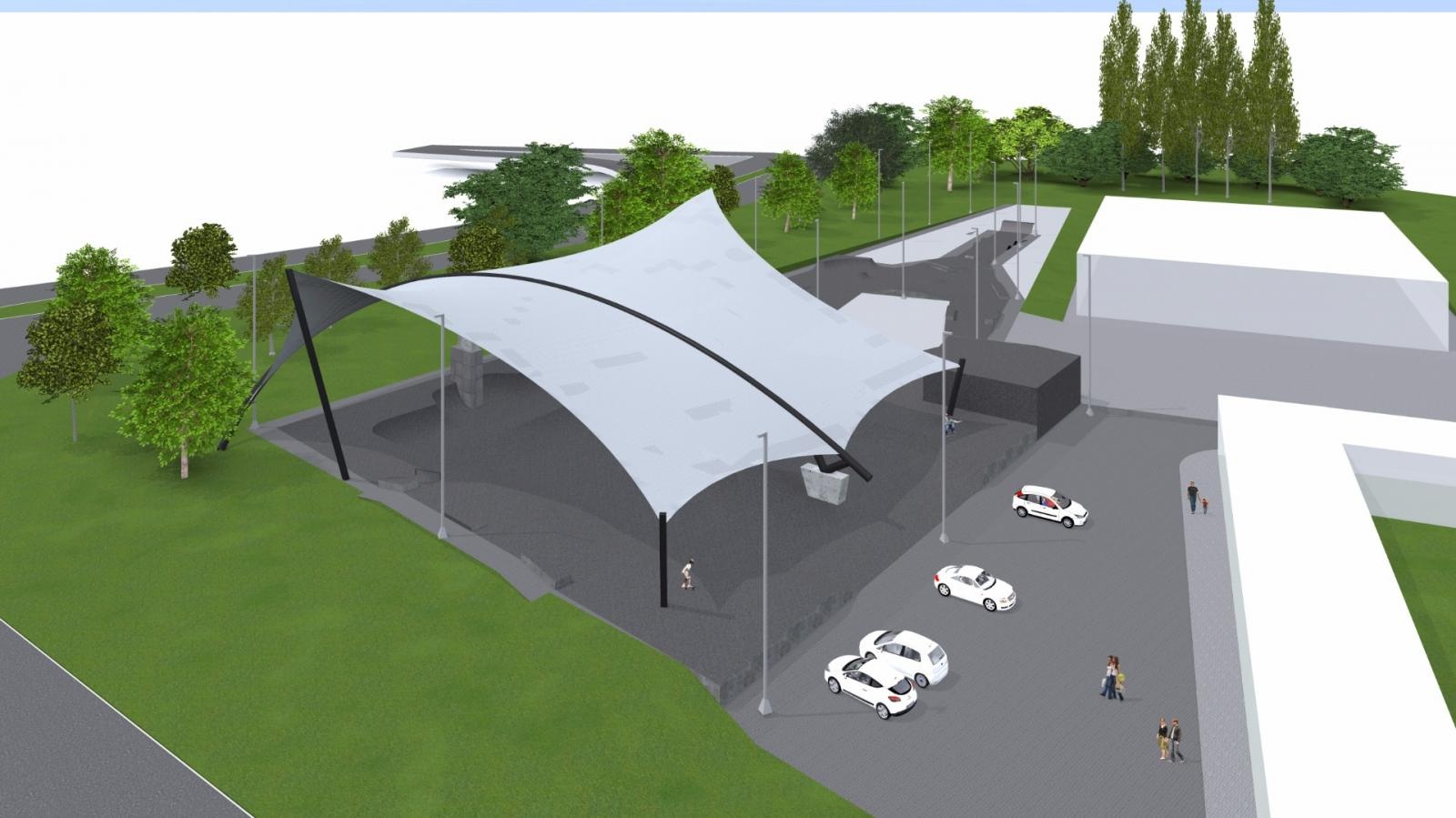
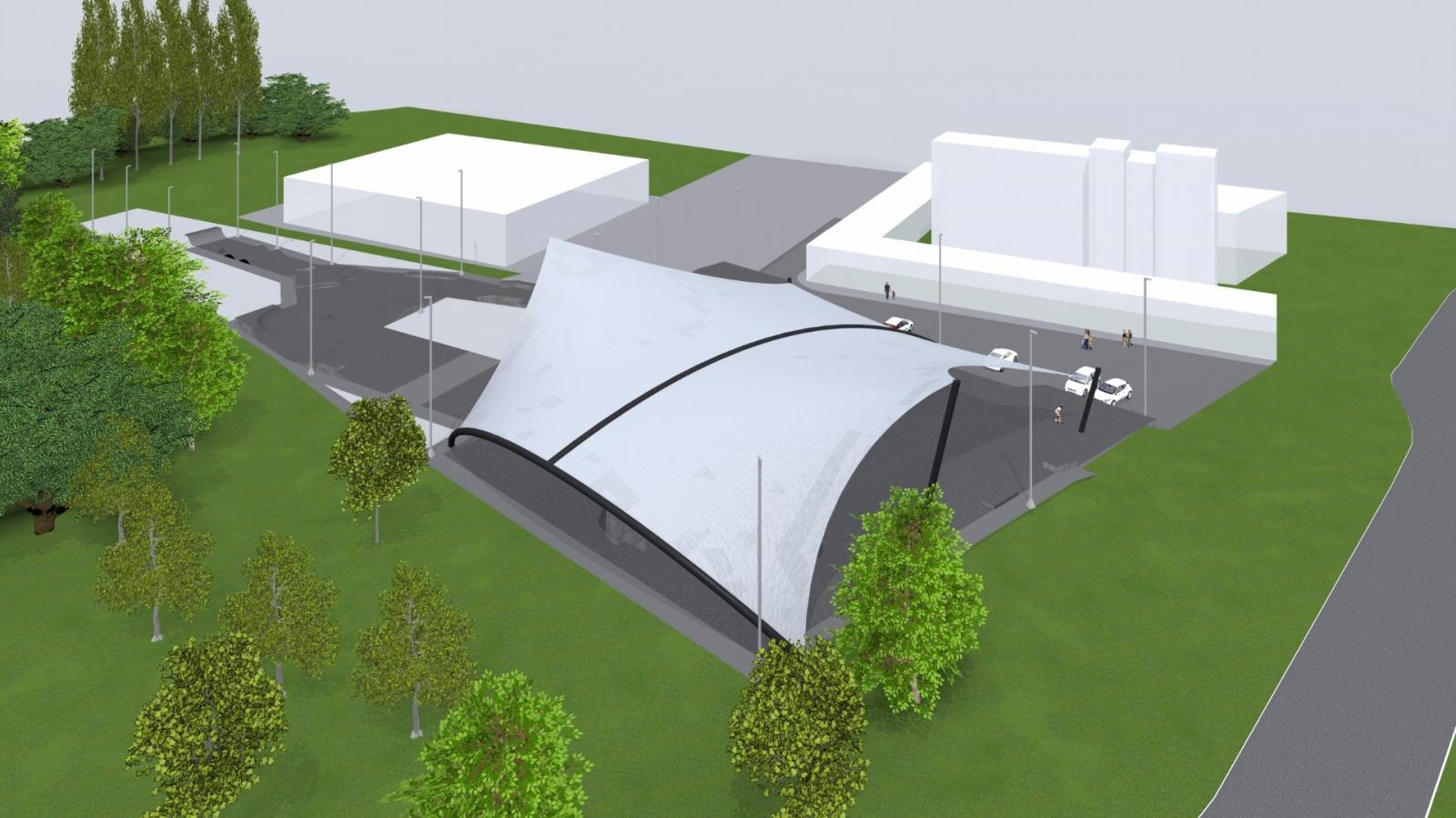
To meet the needs of the skatepark, a canopy of approximately 1,150 m² was designed, made from PVC membrane coated with PVDF, which ensures durability in all weather conditions and ease of maintenance. The supporting structure, in the form of an arch, was to extend along the axis of the park, allowing the membrane to naturally curve along the east-west axis, thus maximizing access to daylight. The design also provides for the installation of additional lighting under the structure, enabling the skatepark to be used after dark.


Want to discuss your project with us? Check out our complete offer of membrane structures.

Galeria
Projekt budowlany zadaszenia membranowego skateparku w Piasecznie
Konstrukcja nośna zadaszenia skateparku ze słupami stalowymi - projekt Abastran
Wizualizacja tunelowego zakończenia zadaszenia skateparku
Zadaszenie membranowe skateparku w Piasecznie
Kompleksowy projekt zadaszenia skateparku

FAQ

What materials were used to make the skatepark roof?
Membrane facade for Nestlé Purina in Wroclaw

Dodatkowe treści

Year: 2015

Location: Wrocław, Poland

Area: 2000m2

Material: Serge Ferrari PRECONTRAINT 902 S2, PVC

Construction: Abastran sp z o. o.

General contractor: KAJIMA POLAND sp. z o. o.

Scope: detail design


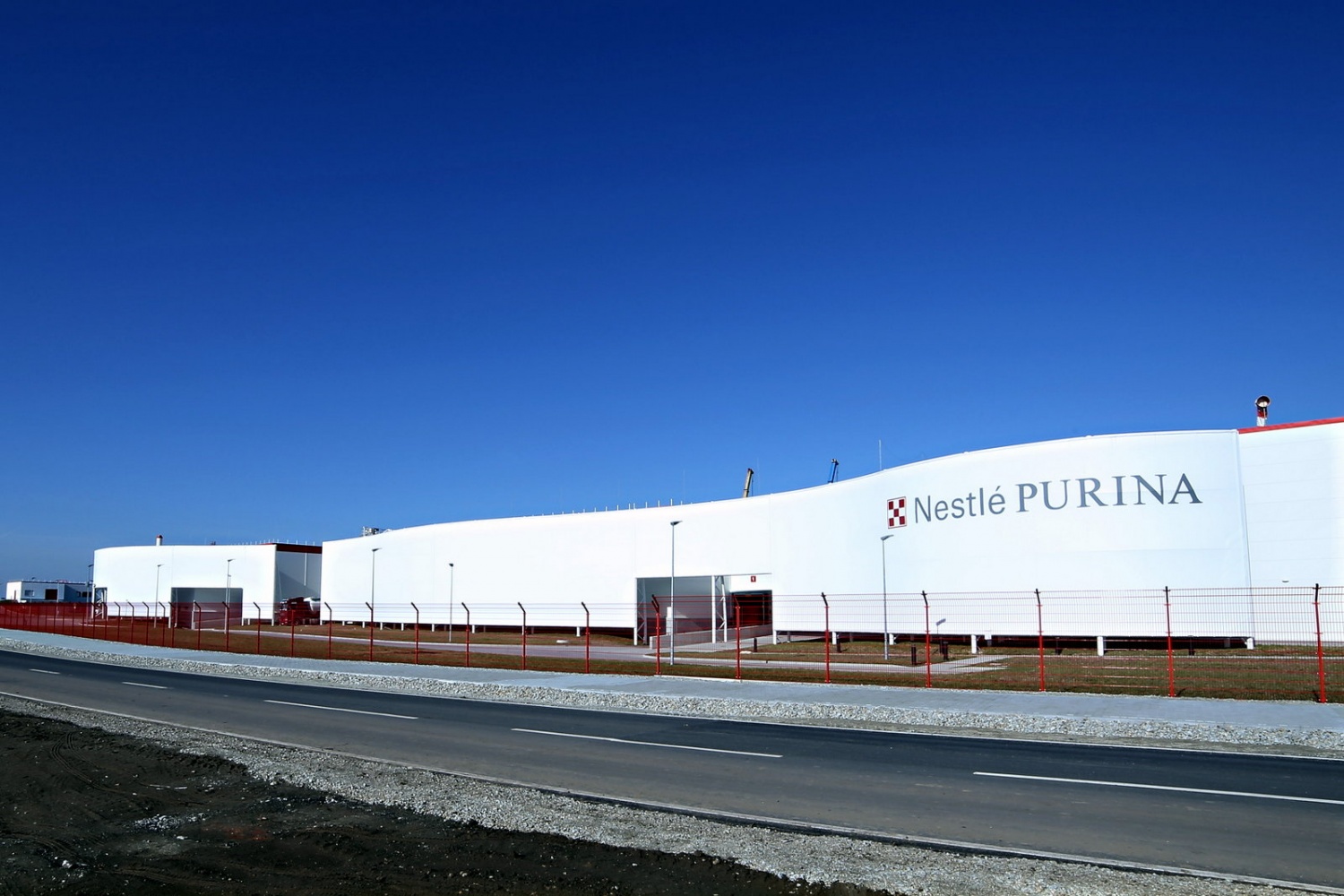
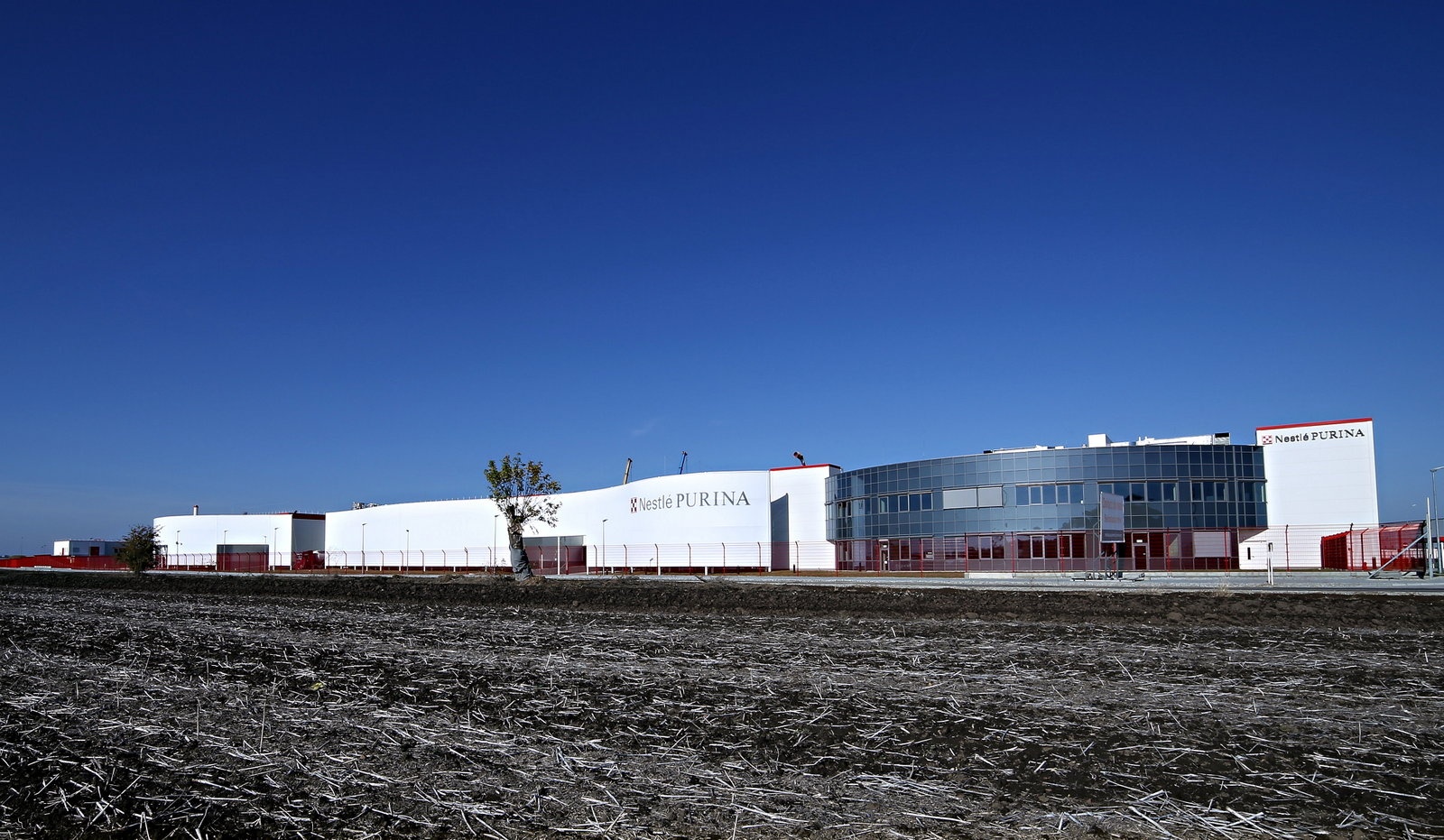
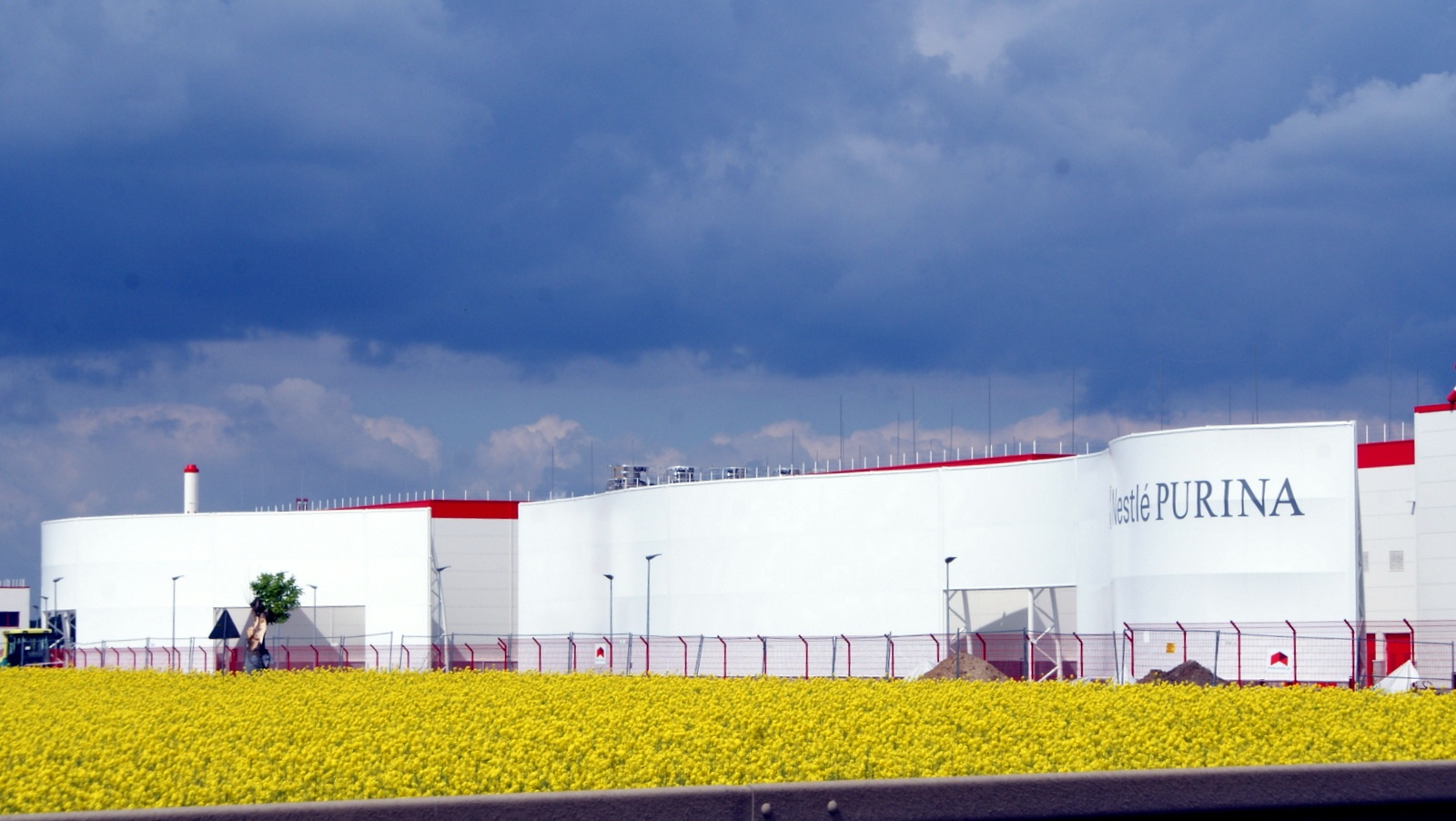
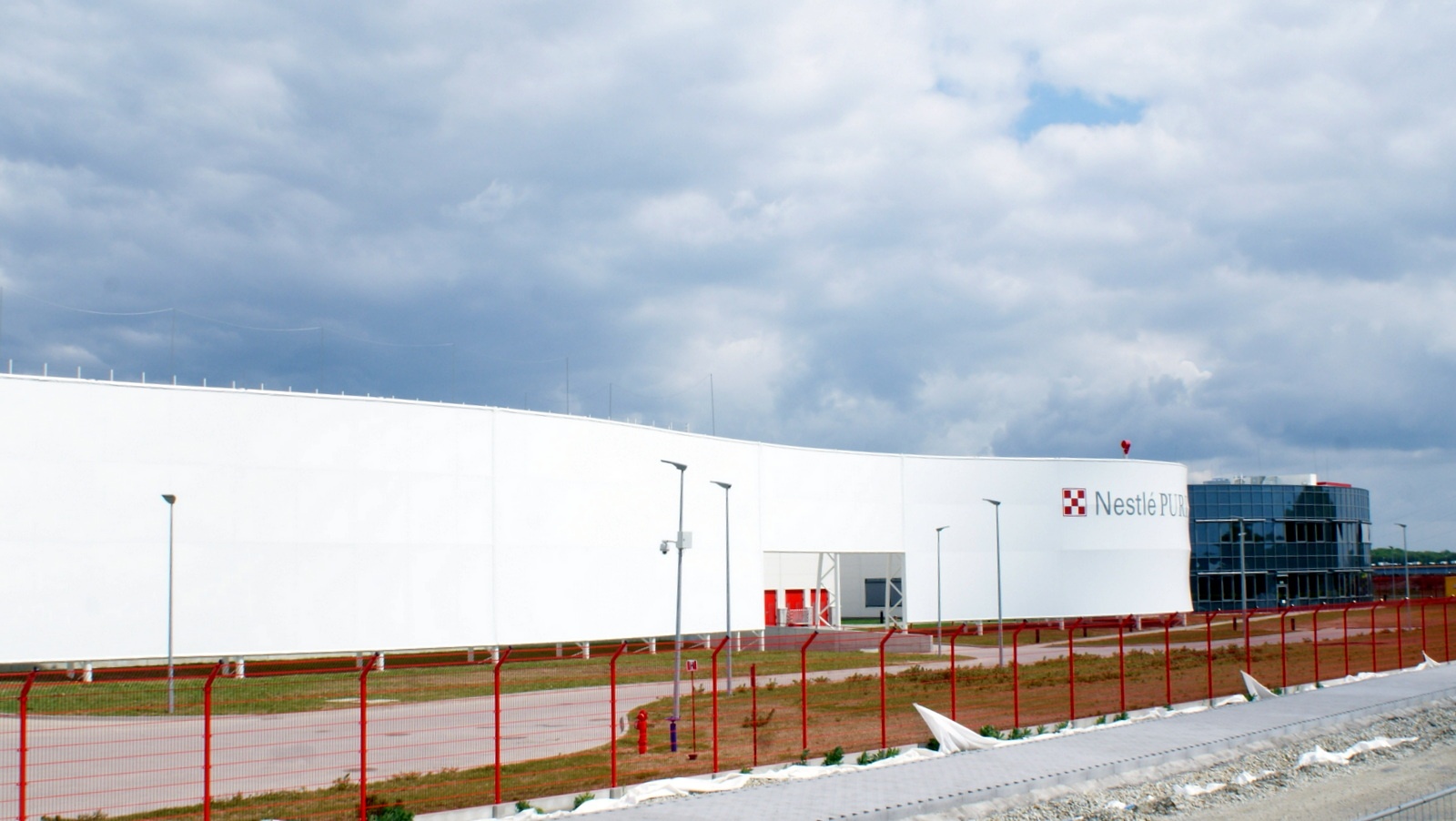
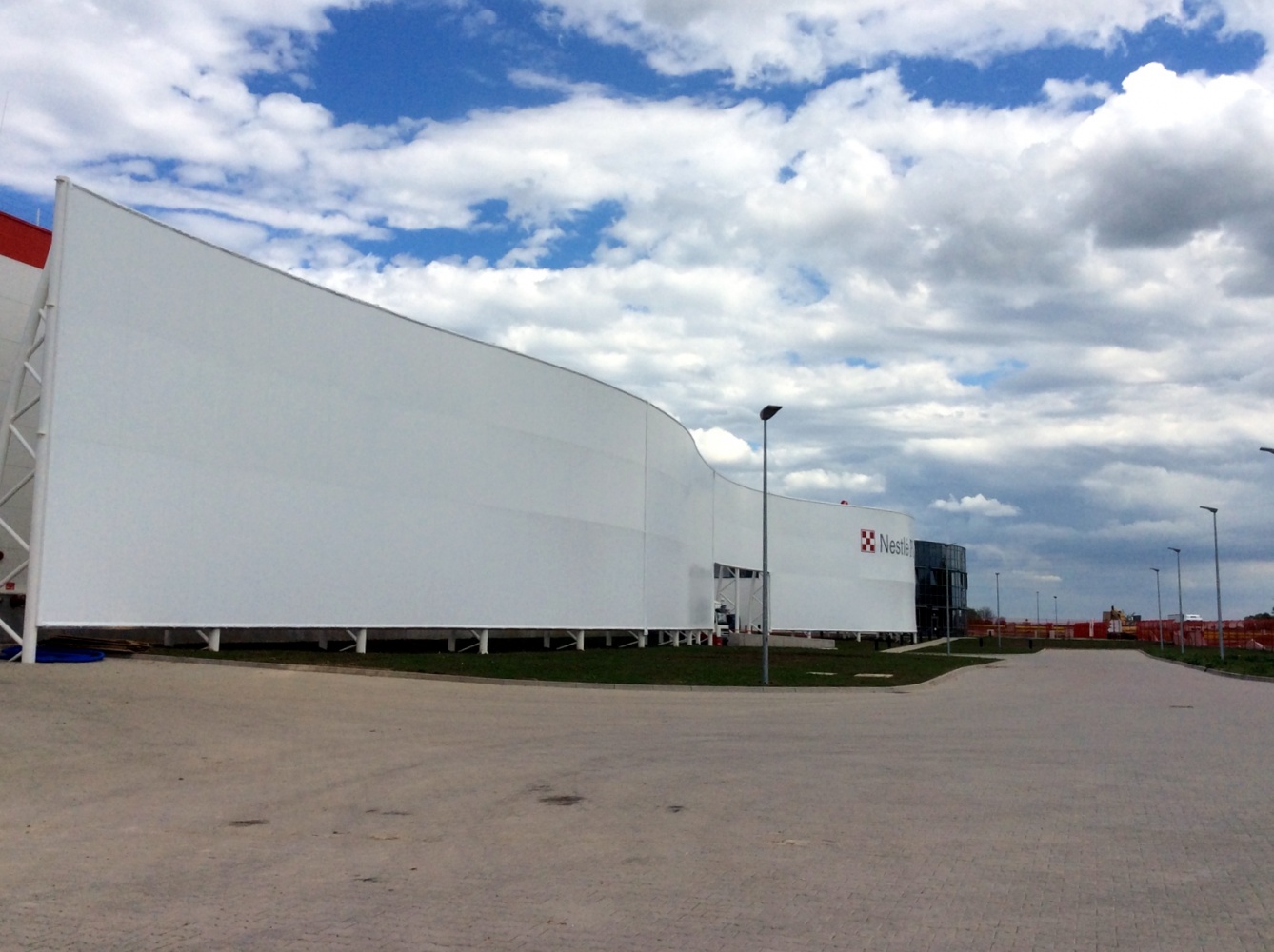
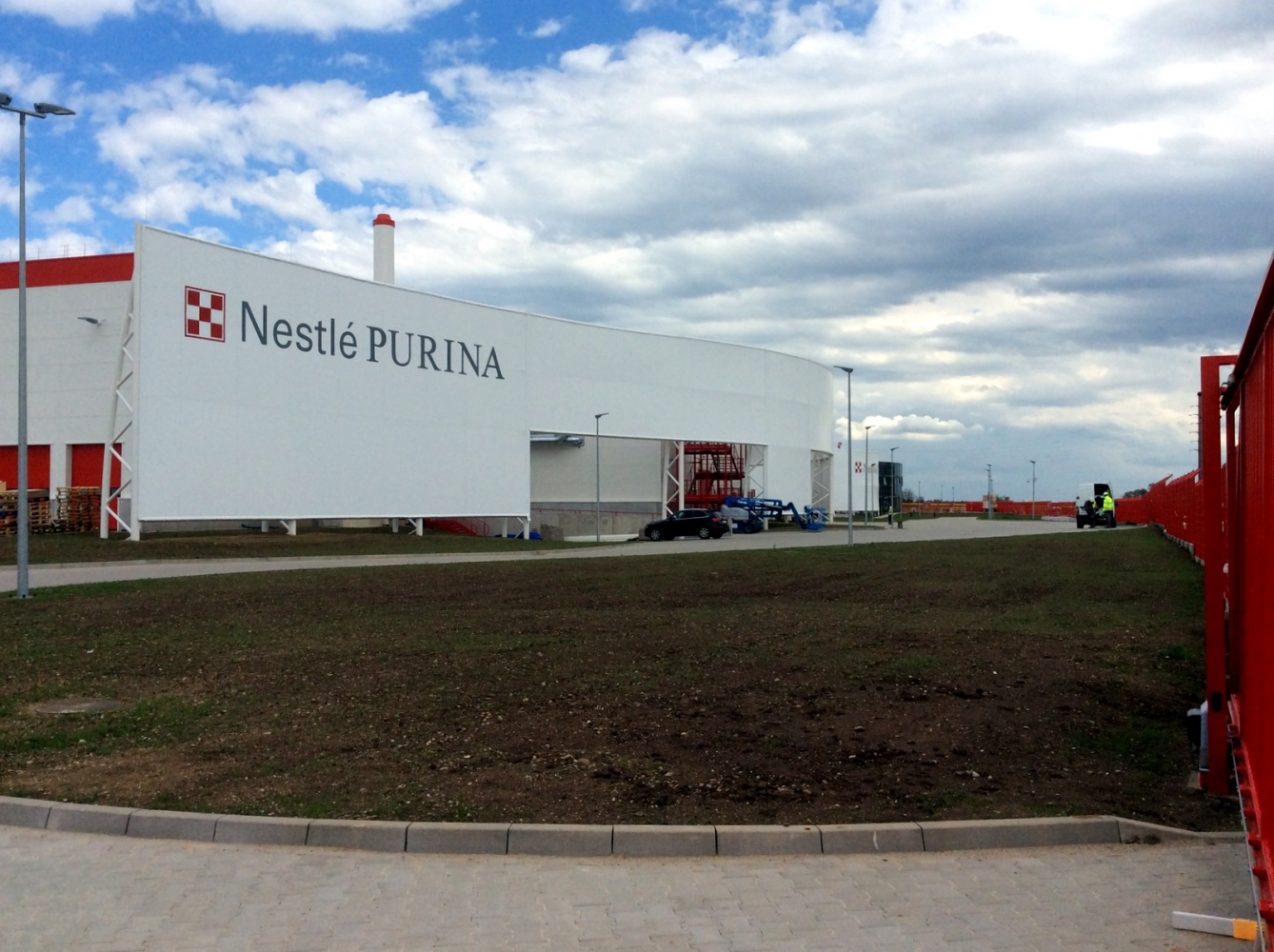
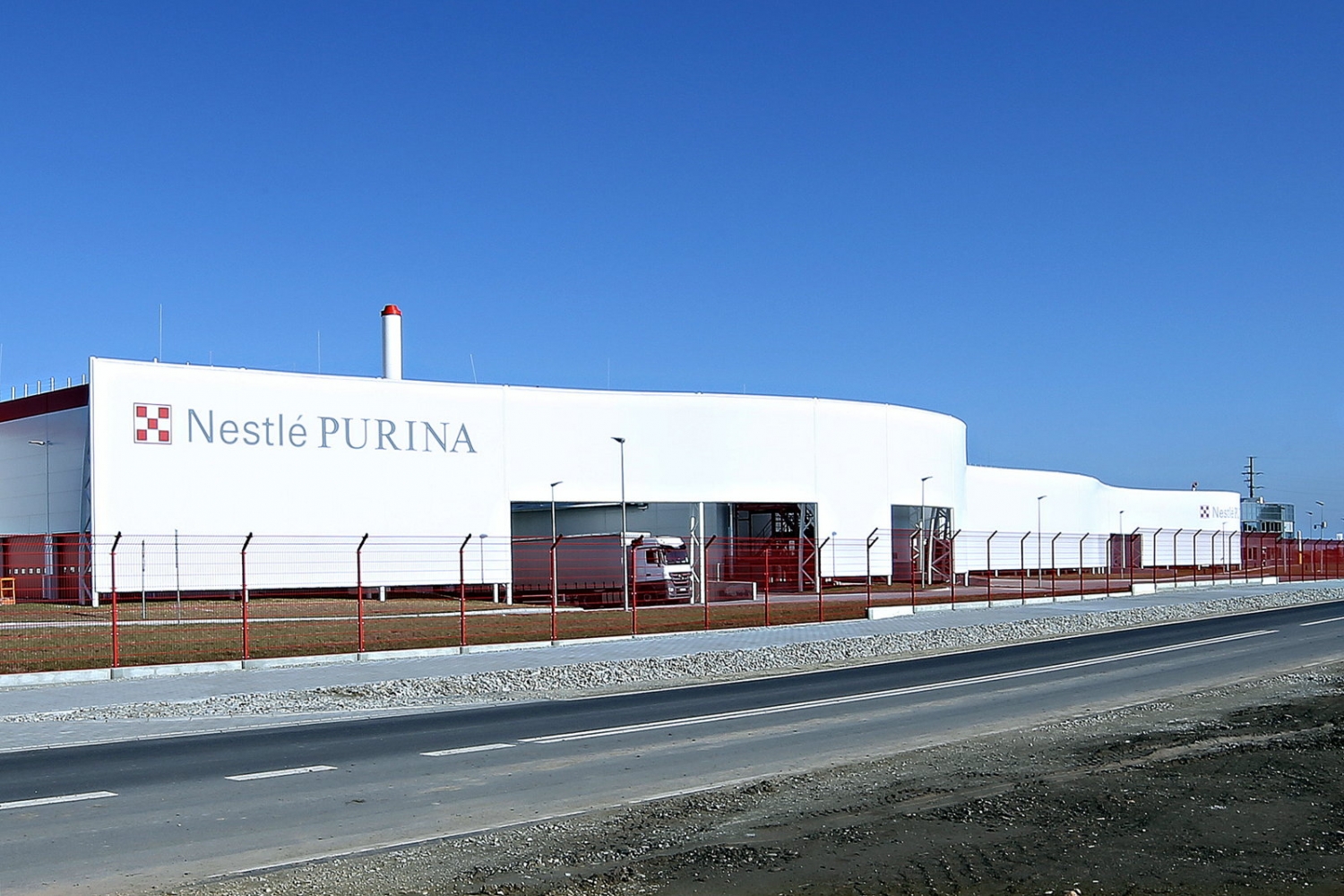
In 2015, an innovative design of a membrane facade for Nestle Purina was implemented in Wrocław. This project aimed not only to improve the aesthetic appearance of the building, but also to increase its functionality through the use of modern materials and construction technologies.


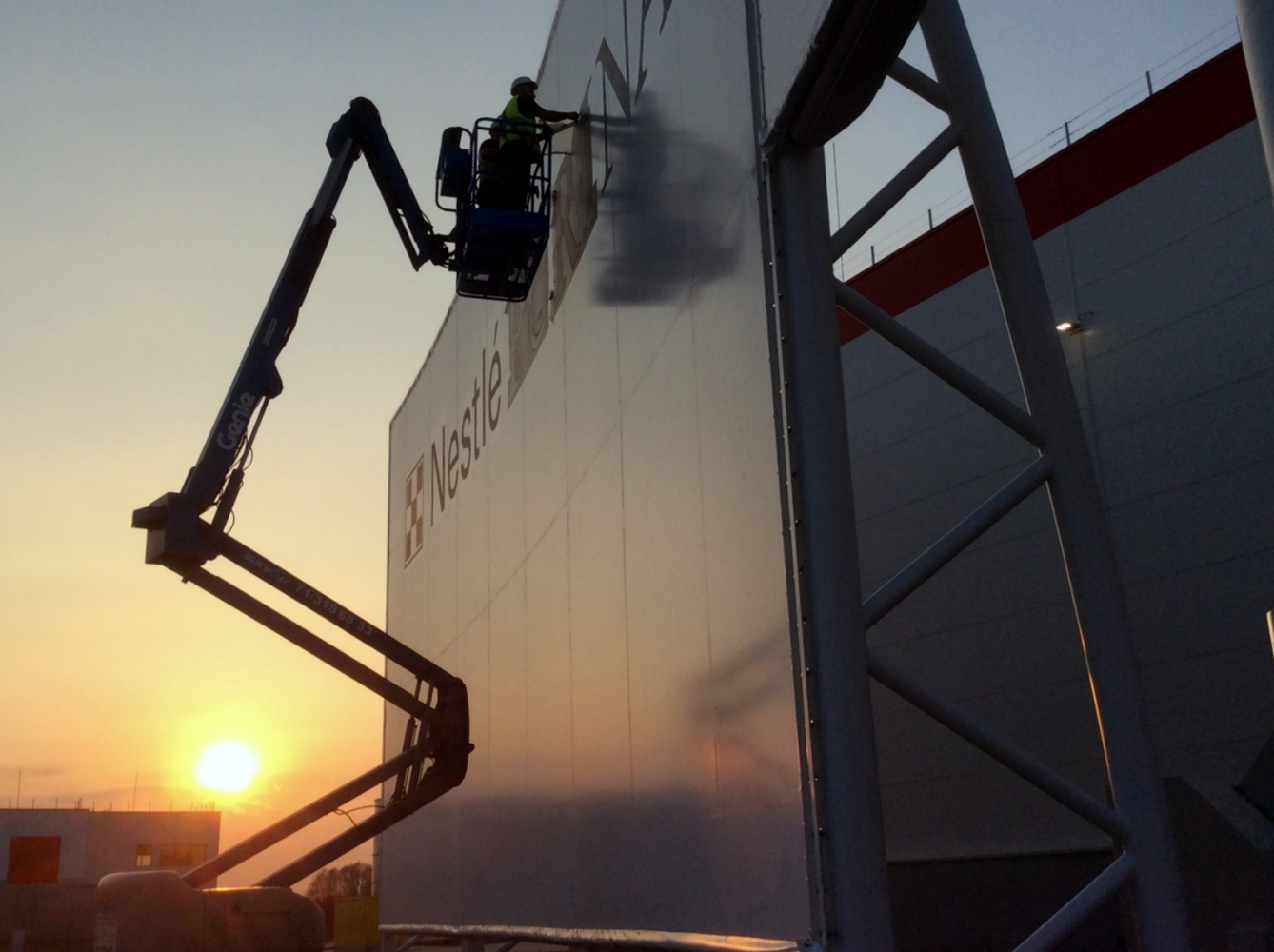
The facade was designed in the shape of a dynamic wave with concave and convex arches, which gives the building a modern and unique look. The material used was Serge Ferrari PRECONTRAINT 902 S2, PVC, known for its high strength and resistance to weather conditions. The membrane is attached and tensioned using specially designed aluminum profiles, which ensures its stability and durability. The distance between the poles is from 6 to 12 meters, which allows for large spans without the need to use additional supports. The facade reaches a height of up to 12 meters and a length of nearly 190 meters, covering a total of almost 2,000 m2.

Galeria

FAQ

What materials were used to make the facade?

Outdoor stage in Myszków

Dodatkowe treści

Year: 2016

Location: Myszków, Poland

Area: 210 m2

Material: PVC membrane

Construction: Abastran sp z o. o.

General contractor: TAS Systems

Scope: construction design, detailed design


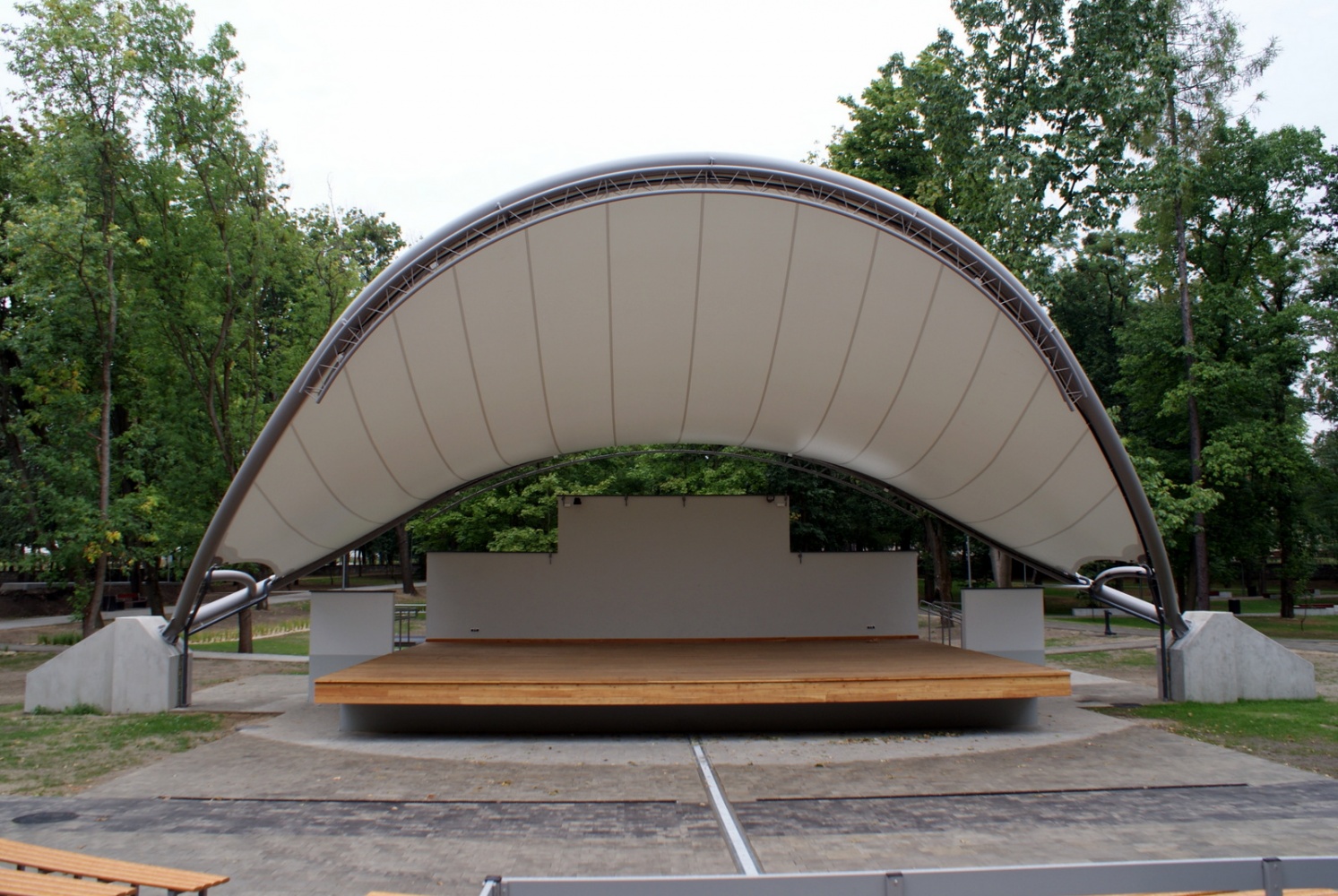
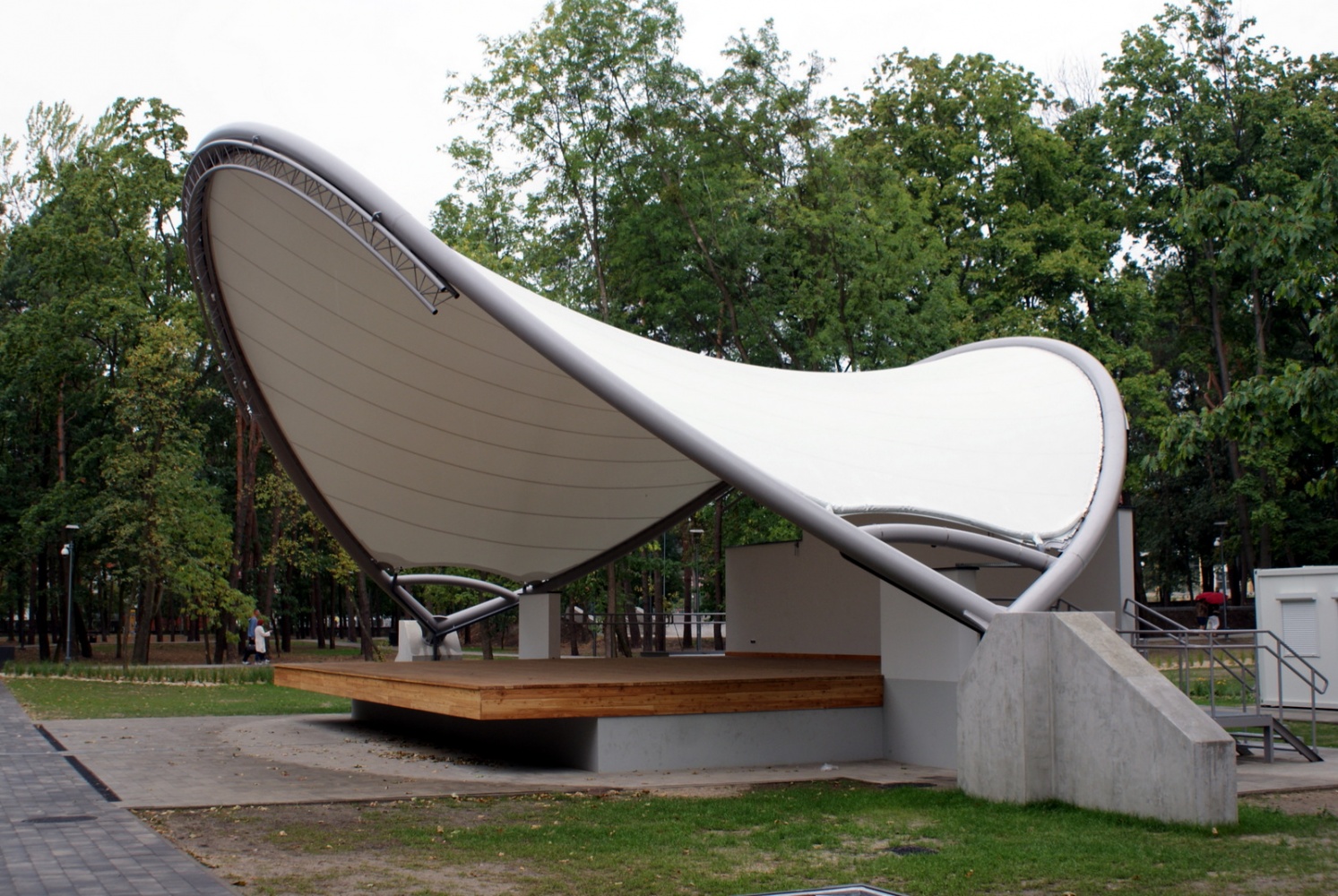
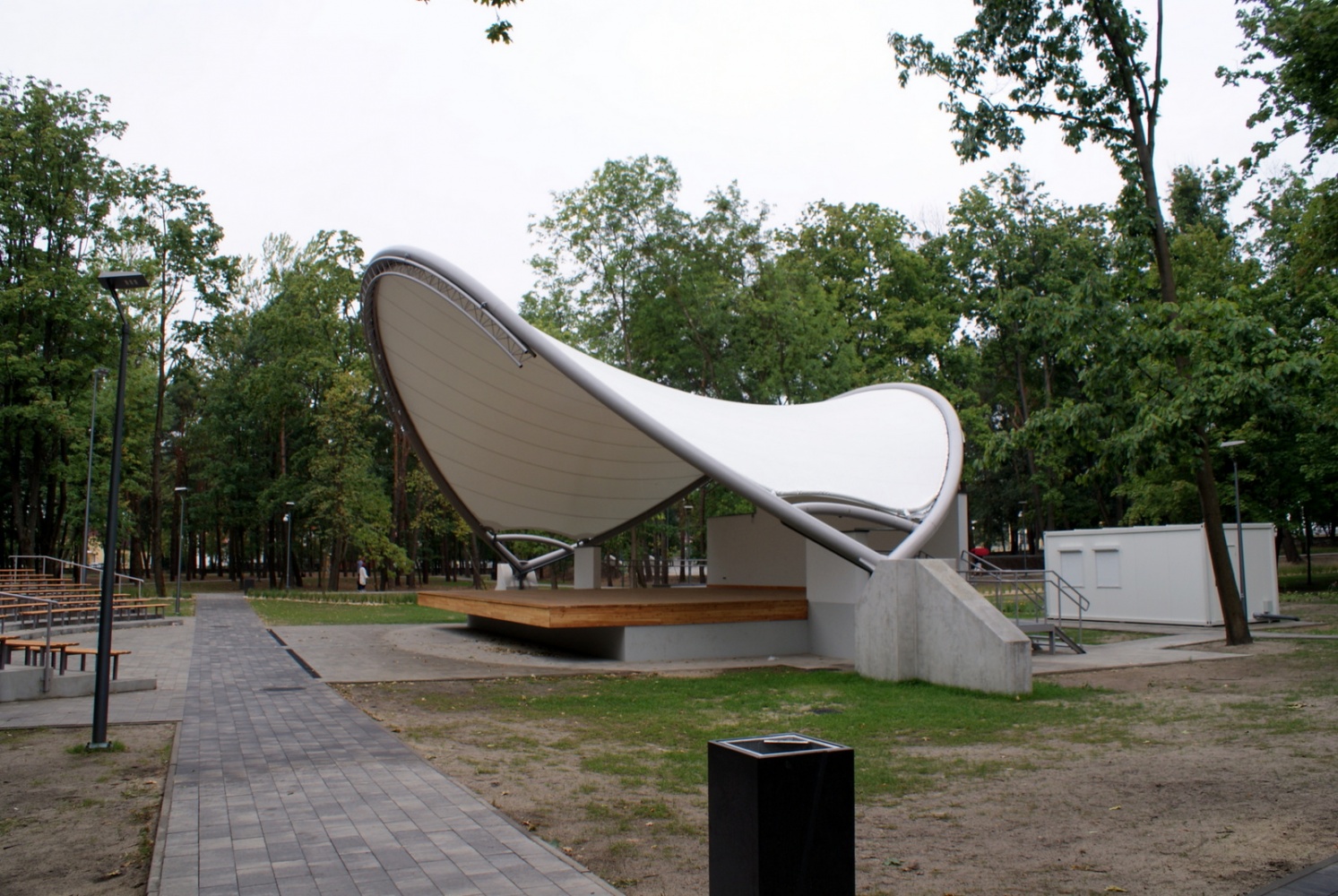
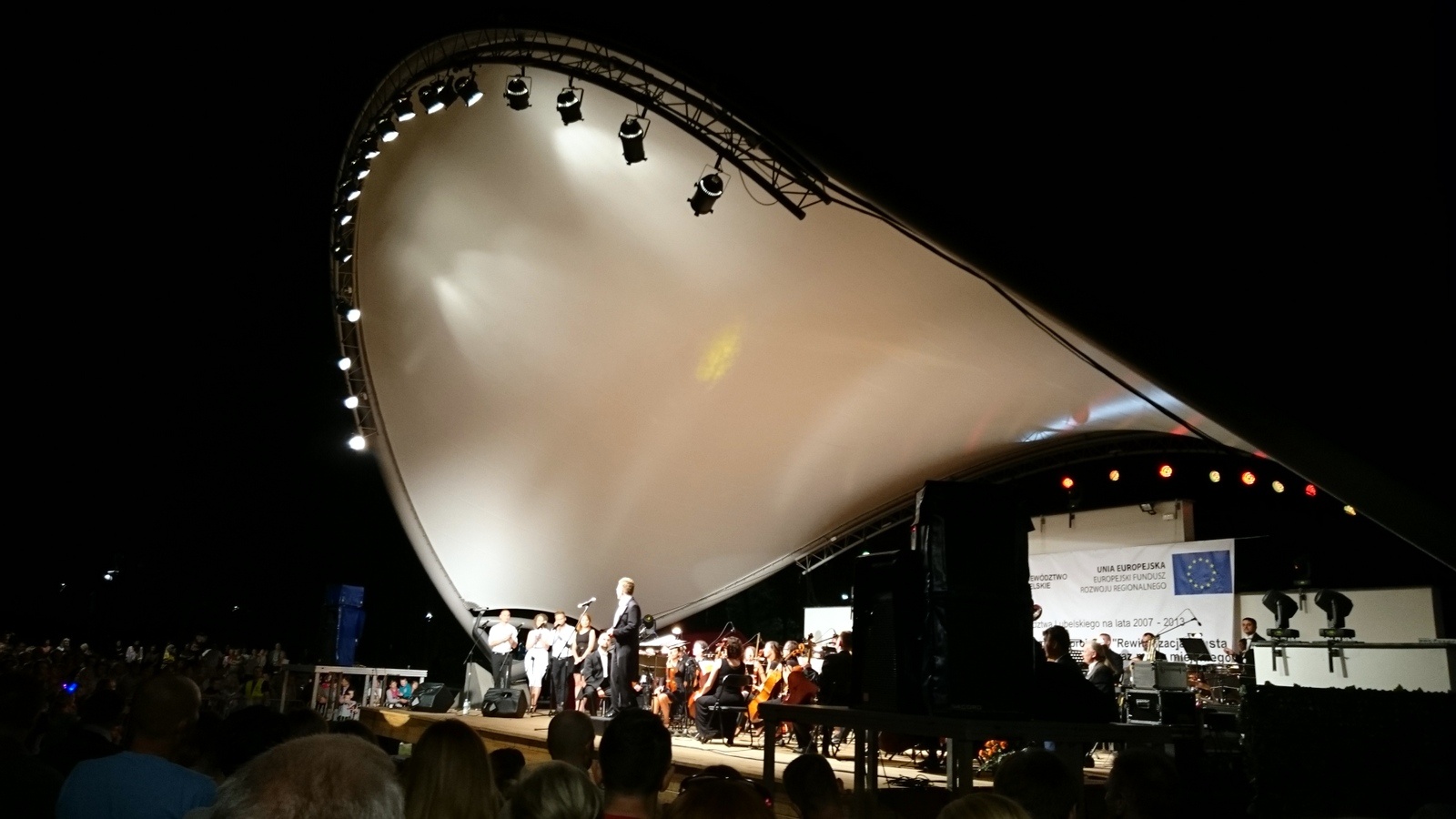
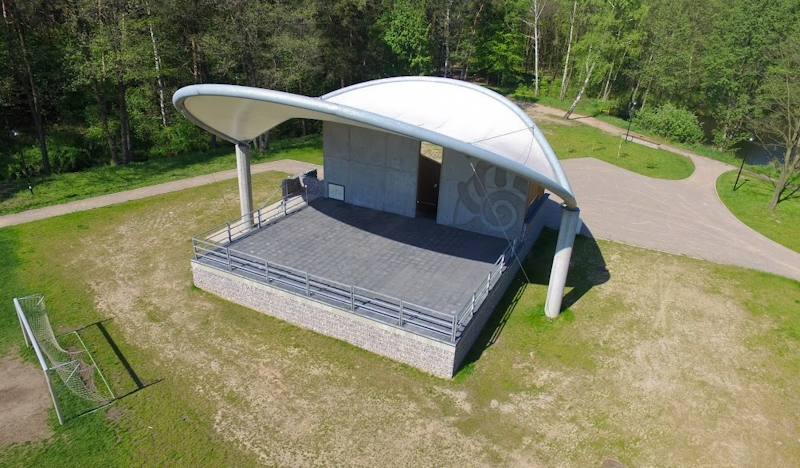
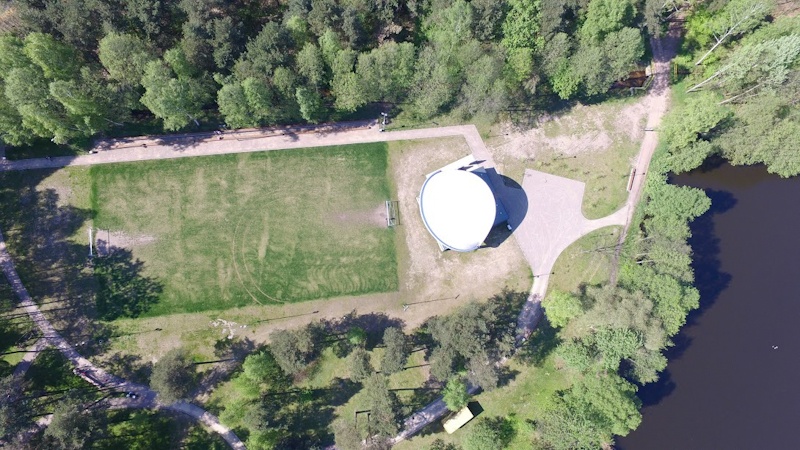
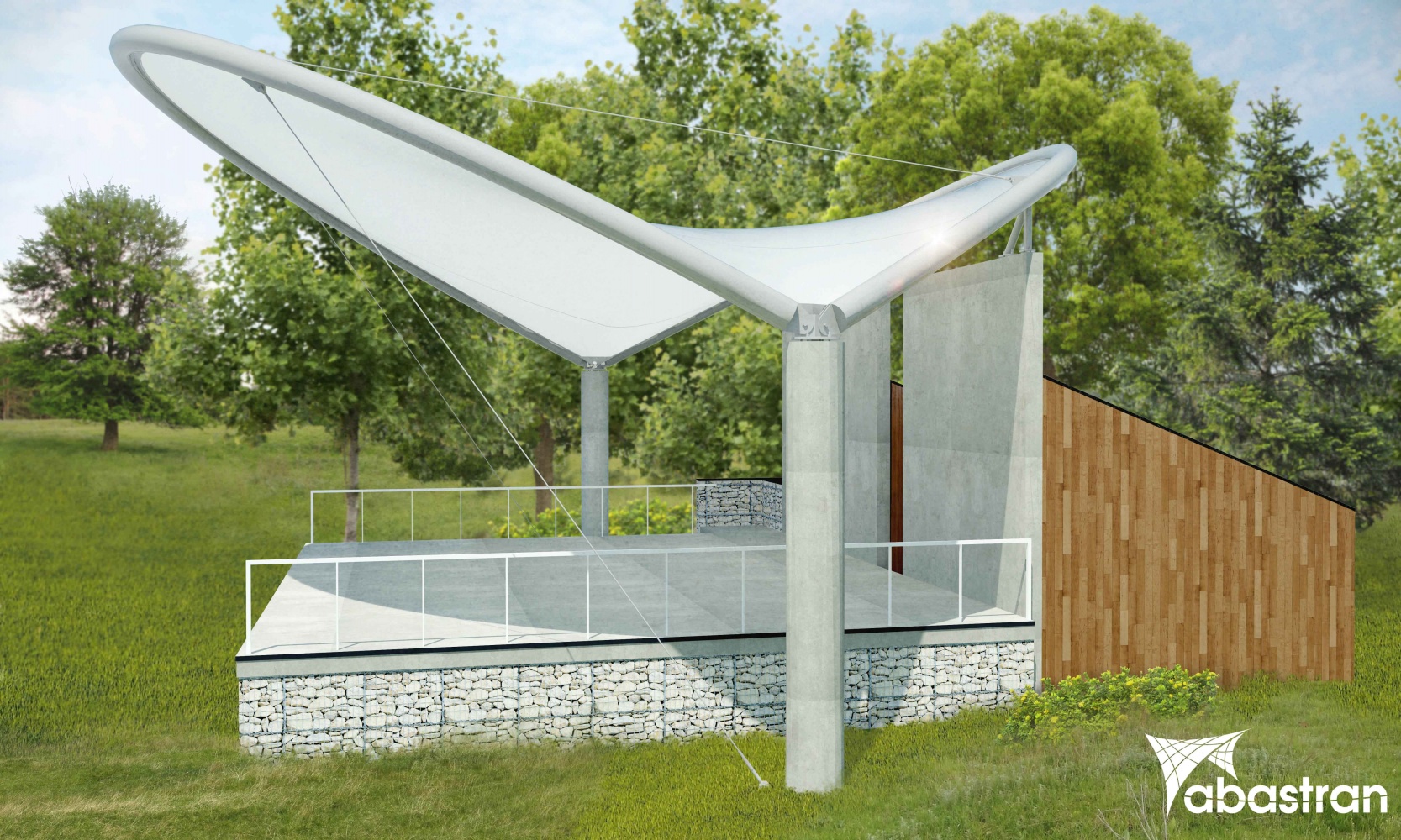
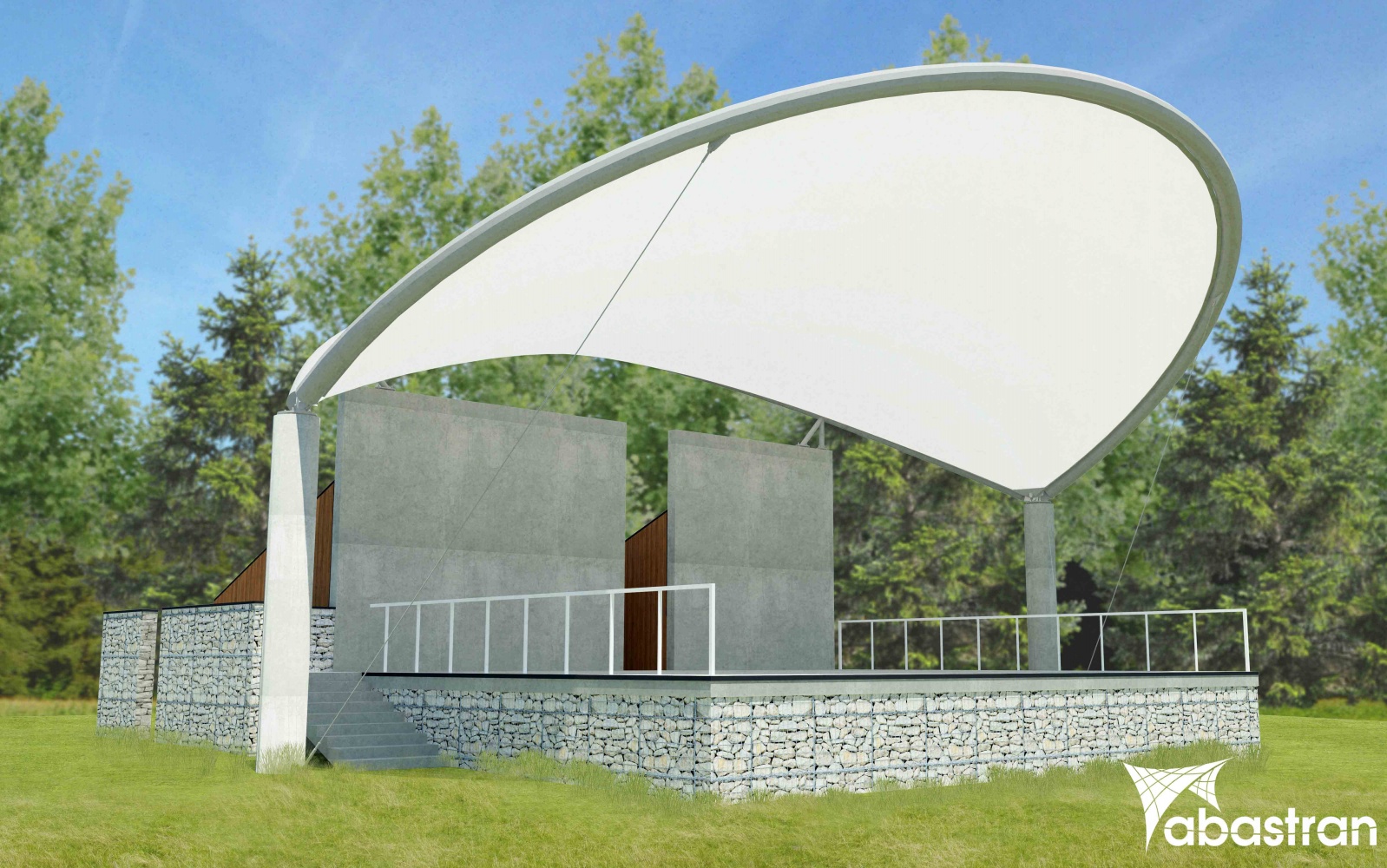
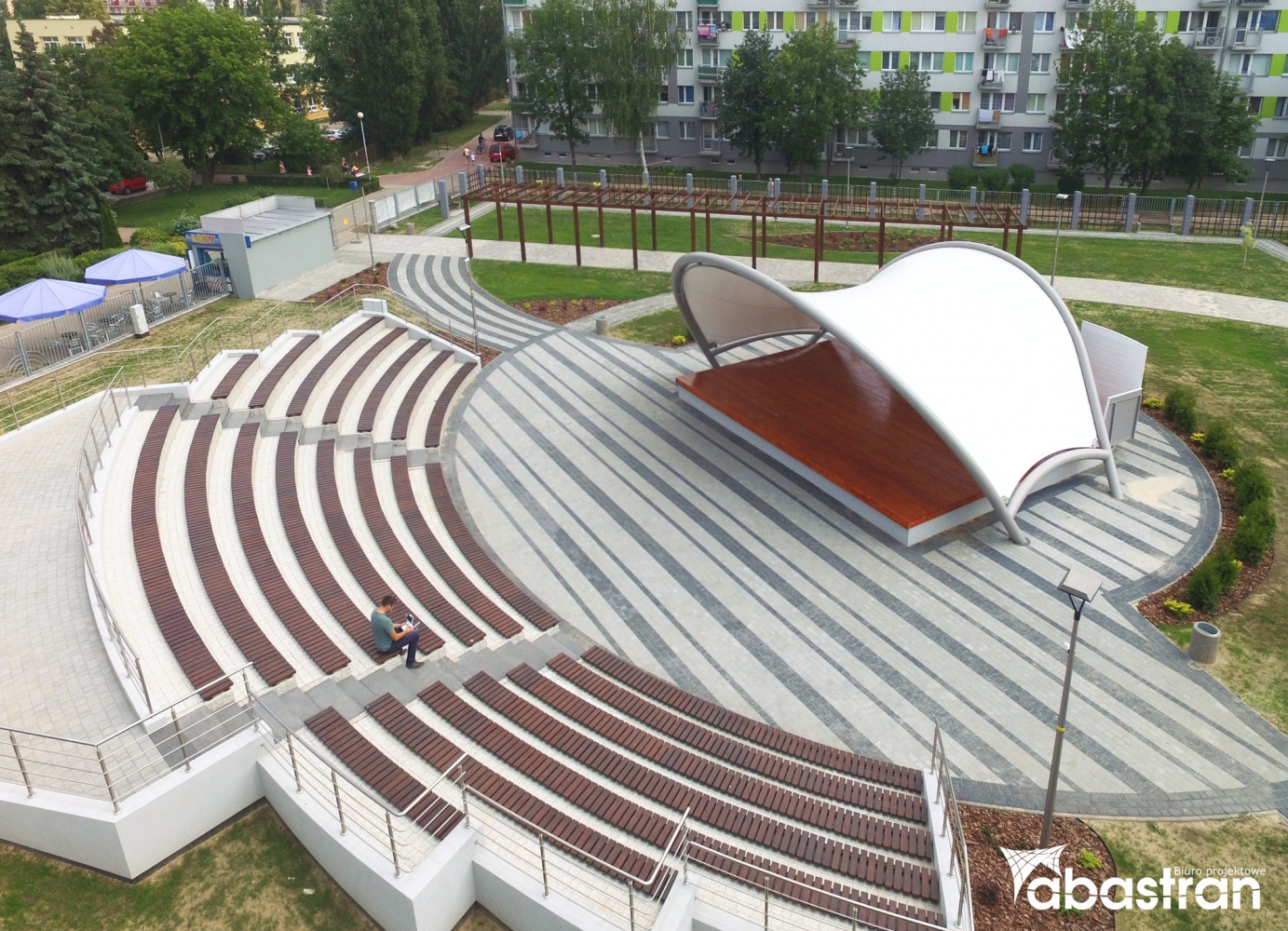
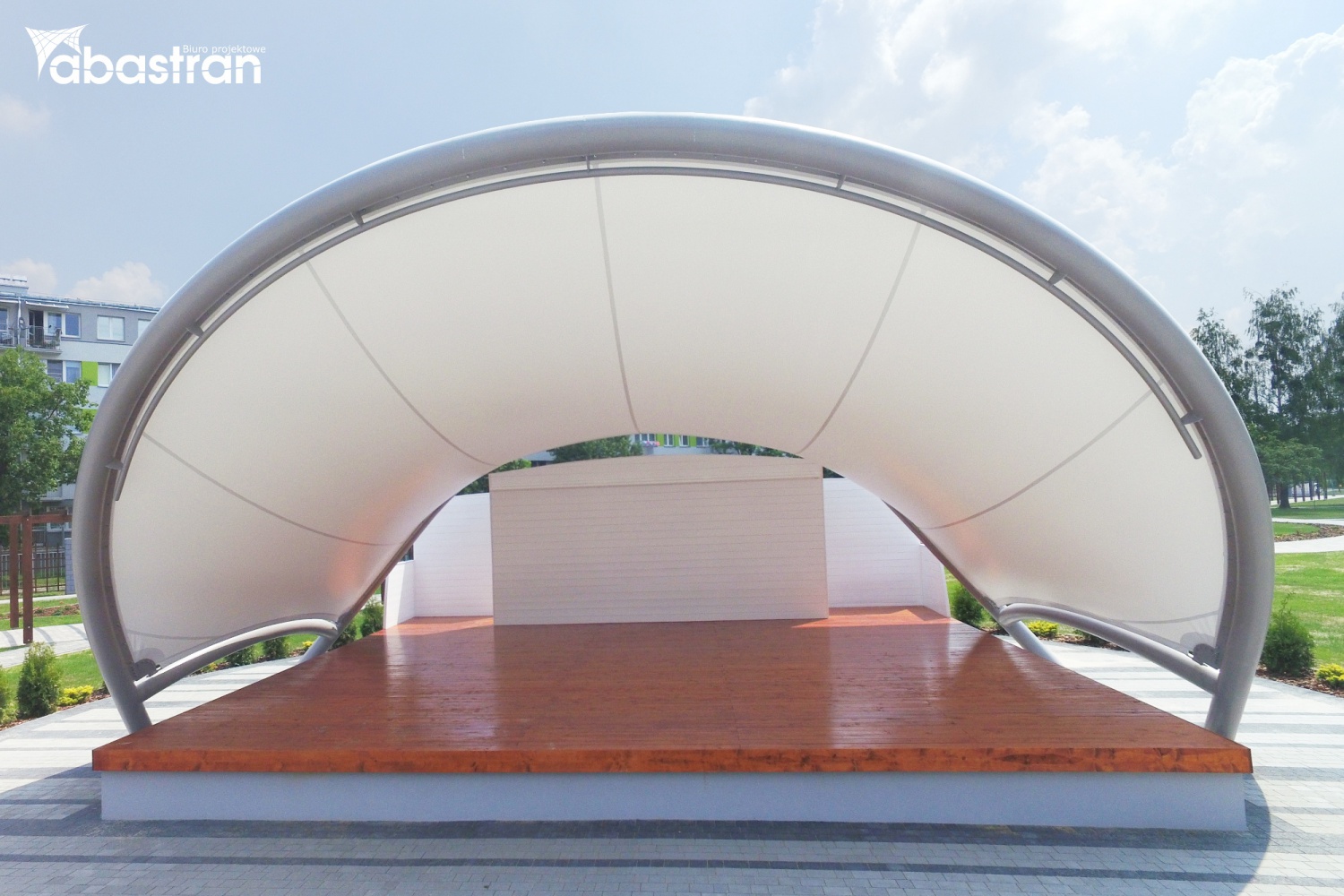
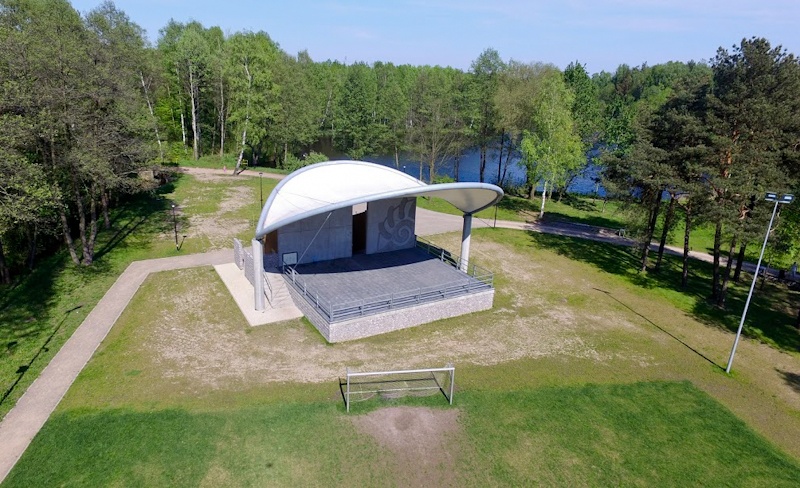
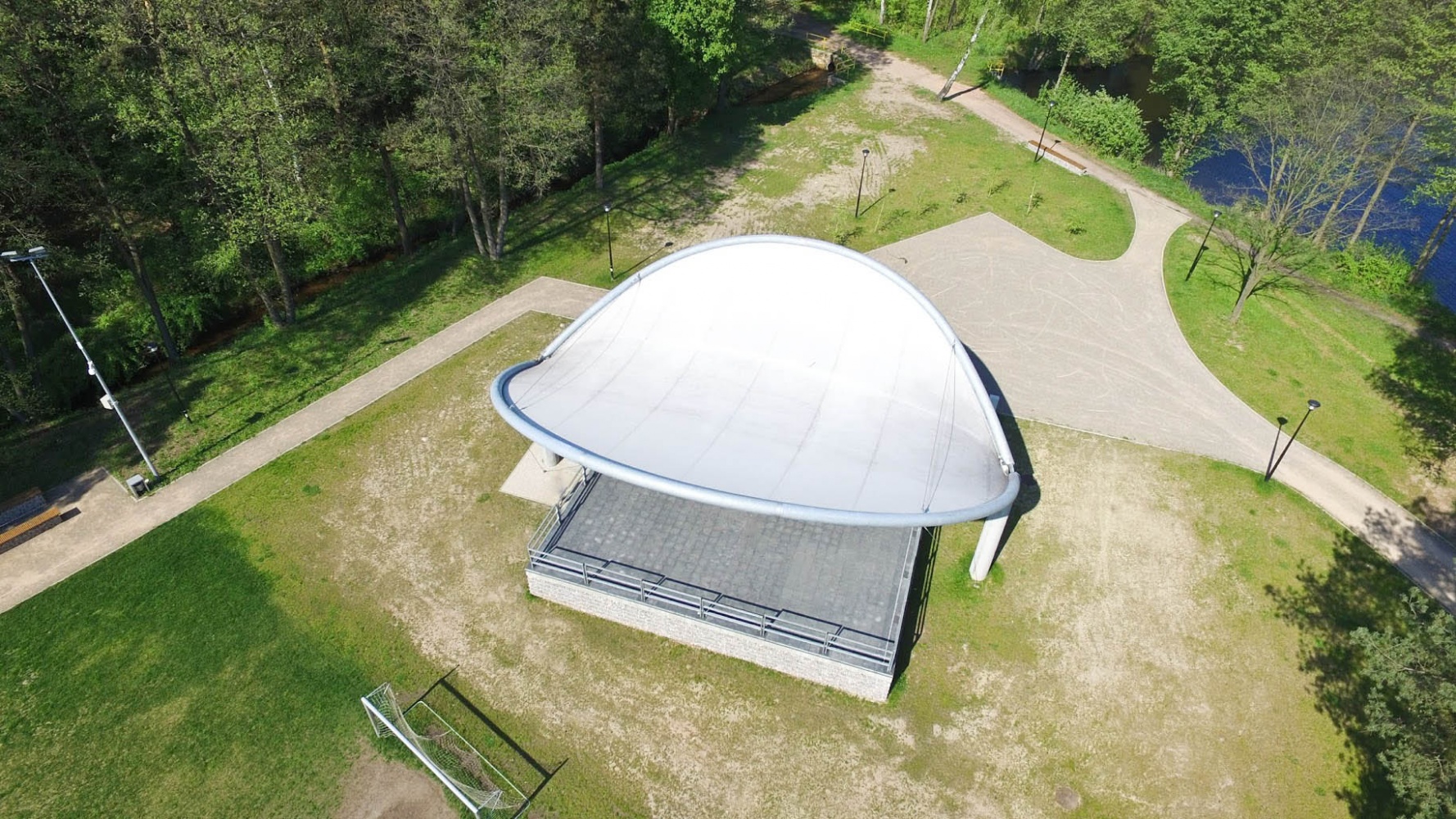
In 2016, in Myszków, in the Pohulanka recreational area, a construction and implementation project for a roofing of a stage was completed. The aim of the project was to create a functional and aesthetic space for organizing various cultural and entertainment events outdoors.


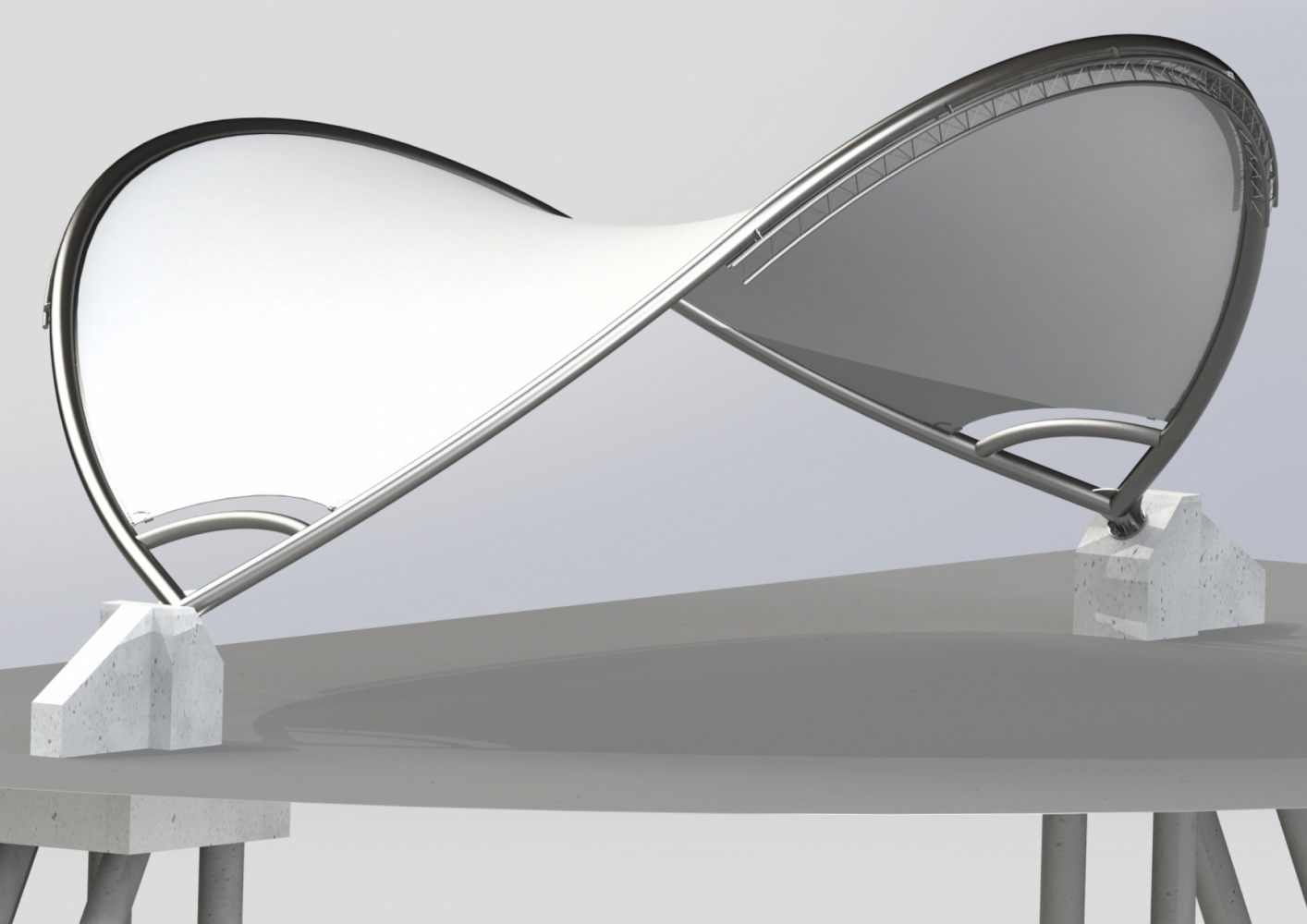
The stage roof has an area of ​​210 m2 and is constructed of modern materials and technologies. Its construction uses columns with closed round profiles and spatially bent round pipes, which provide the structure with exceptional durability and stability. The PVC membrane stretched over this structure serves as a load-bearing element, protecting against weather conditions such as rain or intense sun.

Galeria

FAQ

What materials were used to make the roof?
Roof on the Golf Course

Dodatkowe treści

Year: 2018

Location: Kamień Śląski, Poland

Area: 145 m2

Material: Serge Ferrari PRECONTRAINT 902 S2, PVC

Construction:Abastran Sp. z o.o. z o. o.

General contractor:Abastran Sp. z o.o. z o. o.

Scope: Design, Assembly


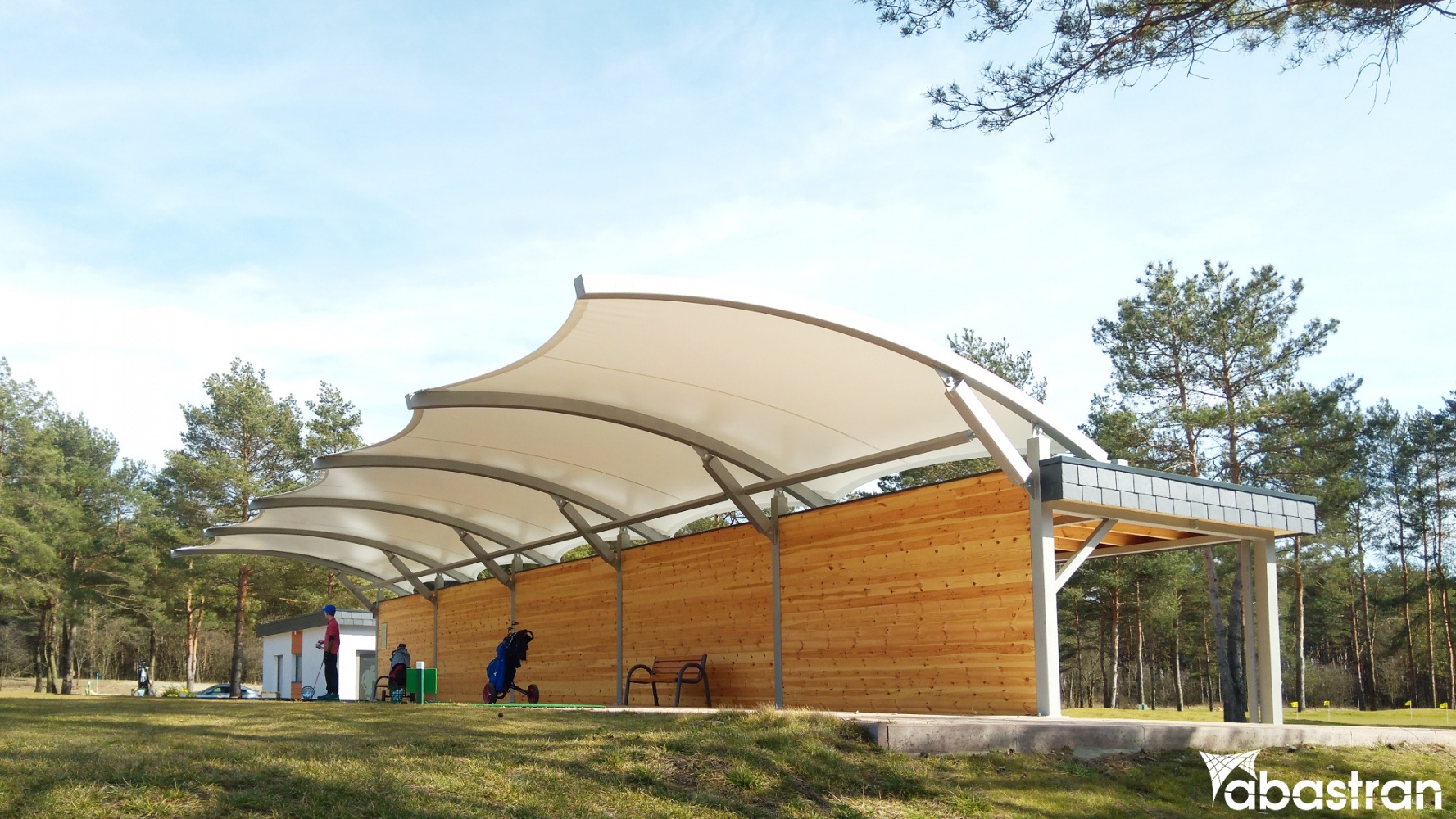
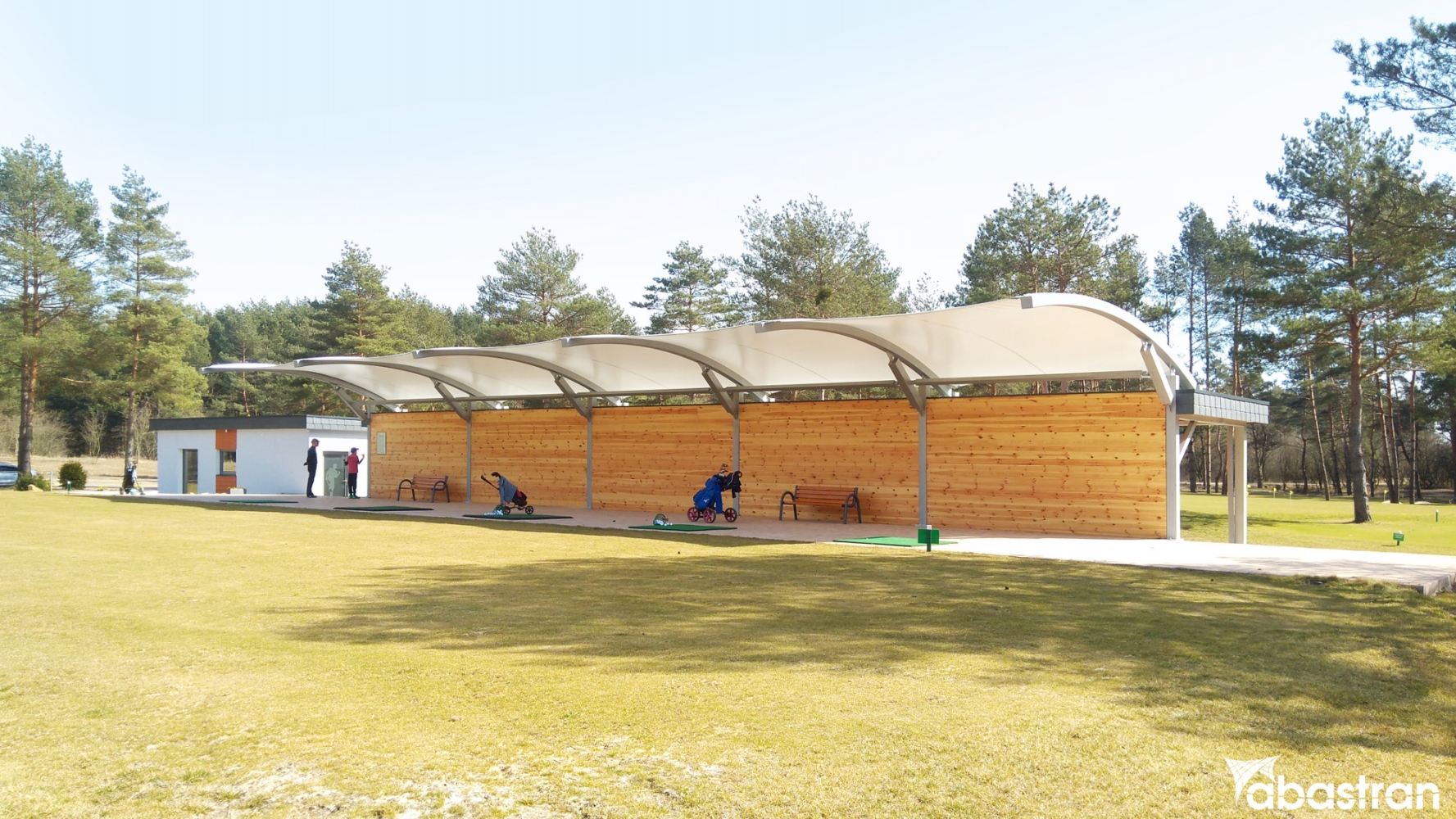
In 2018, a membrane roof was built in Kamień Śląski in the Karolinka Golf Park next to the golf course training zone. The aim of this project was to provide golfers with comfortable training conditions regardless of the weather conditions. A 145 m² roof protects the training mats and allows them to be used all year round.


The roof is made of Serge Ferrari PRECONTRAINT 902 S2, PVC, which is extremely resistant to UV radiation, atmospheric agents and mechanical damage. The roof structure is based on steel frames and arches, which ensures the stability and durability of the entire structure. The membrane is stretched over these arches and secured with tension plates, which ensures the stability of the cover even in strong winds or precipitation.

Galeria

FAQ

The roof was made from Serge Ferrari’s PRECONTRAINT 902 S2 PVC membrane, known for its high UV and weather resistance.

Membrane roofing of the stands of the MOSiR stadium in Sieradz

Dodatkowe treści

Year: 2018

Location: Sieradz, Poland

Area: 530 m2

Material: easyASM 84+ PVC membrane

Construction: Abastran Sp. z o. o.

General contractor: GRAFIT Sp. z o. o.

Scope: design, membrane installation


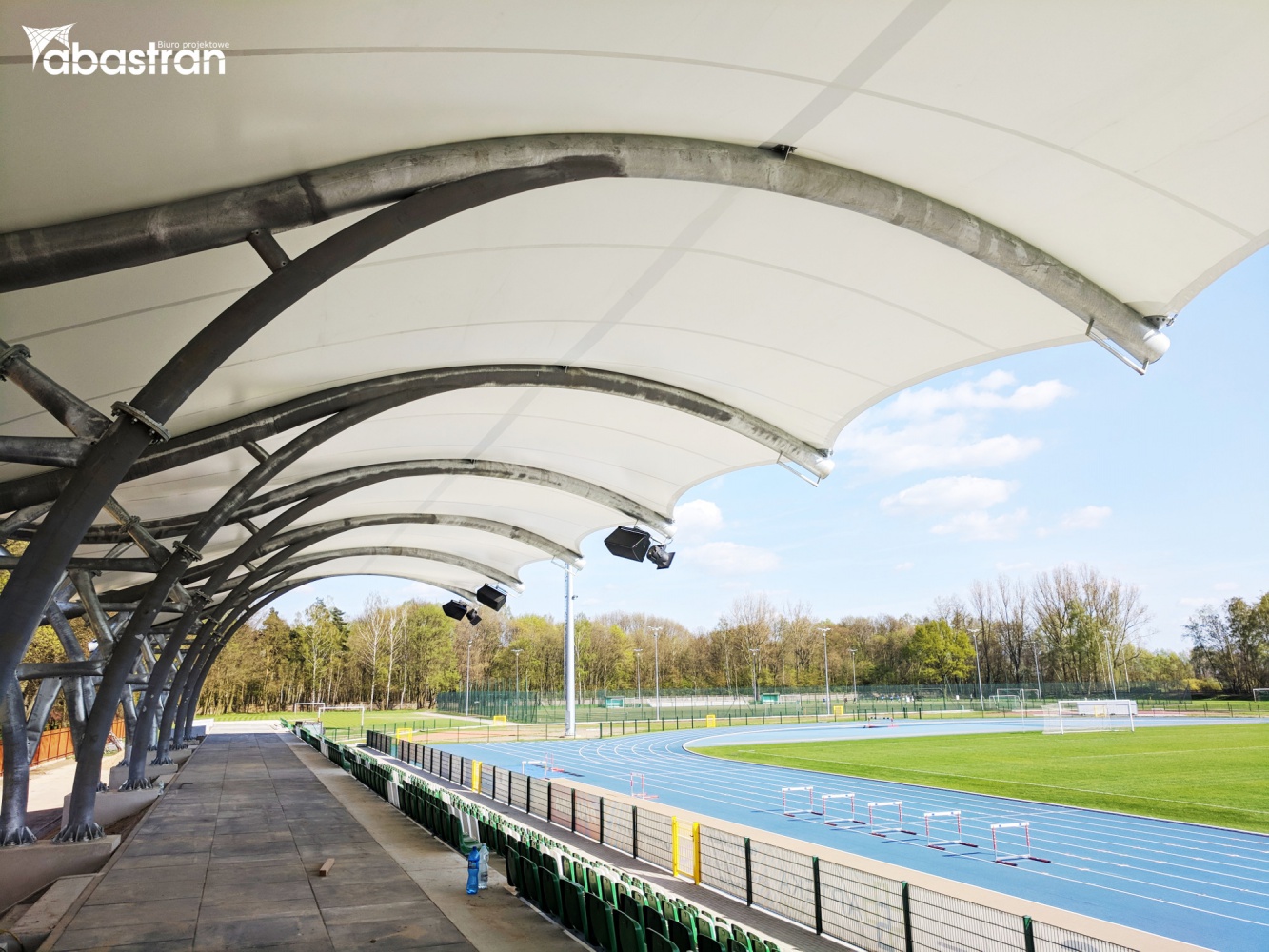
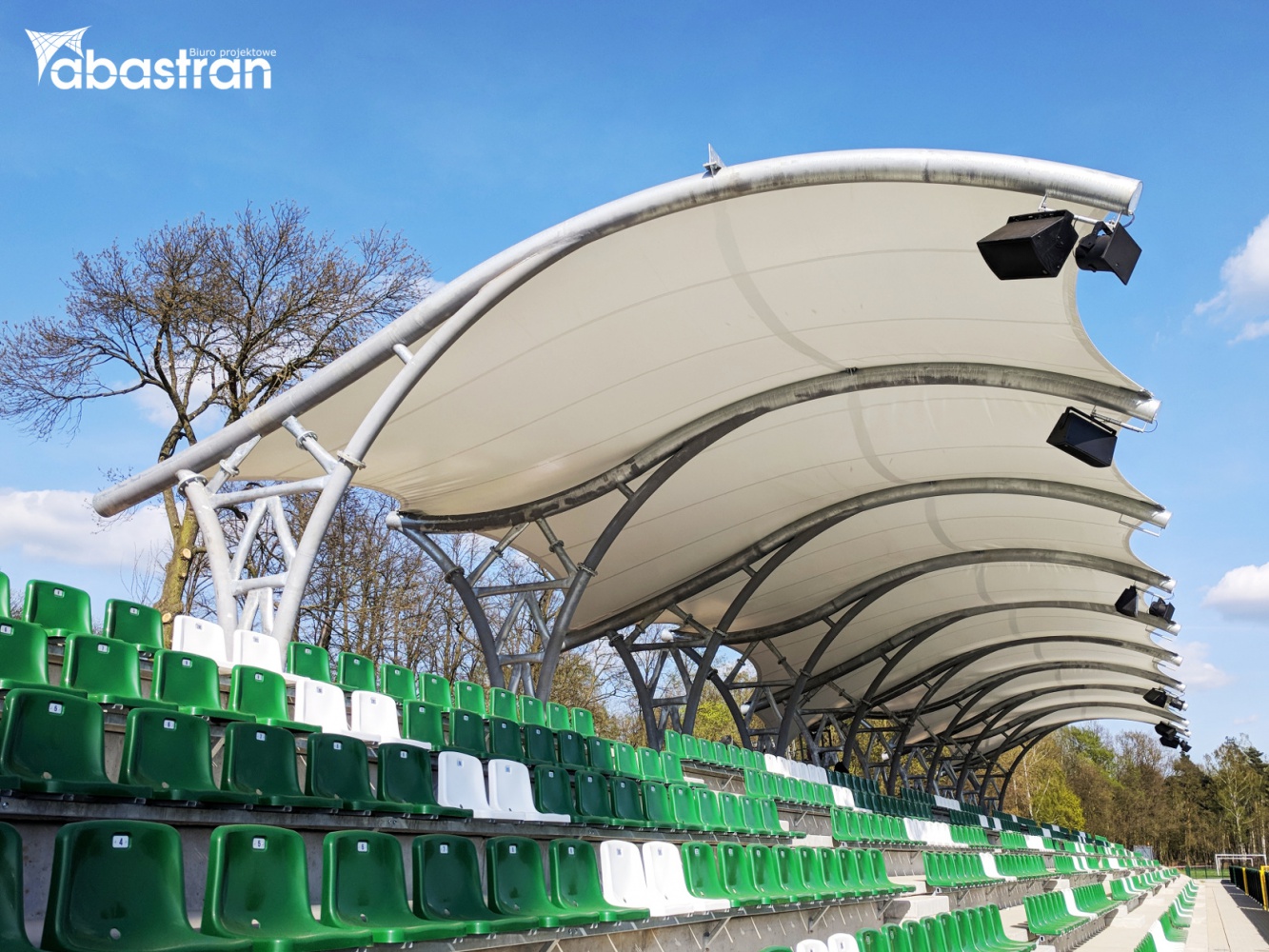
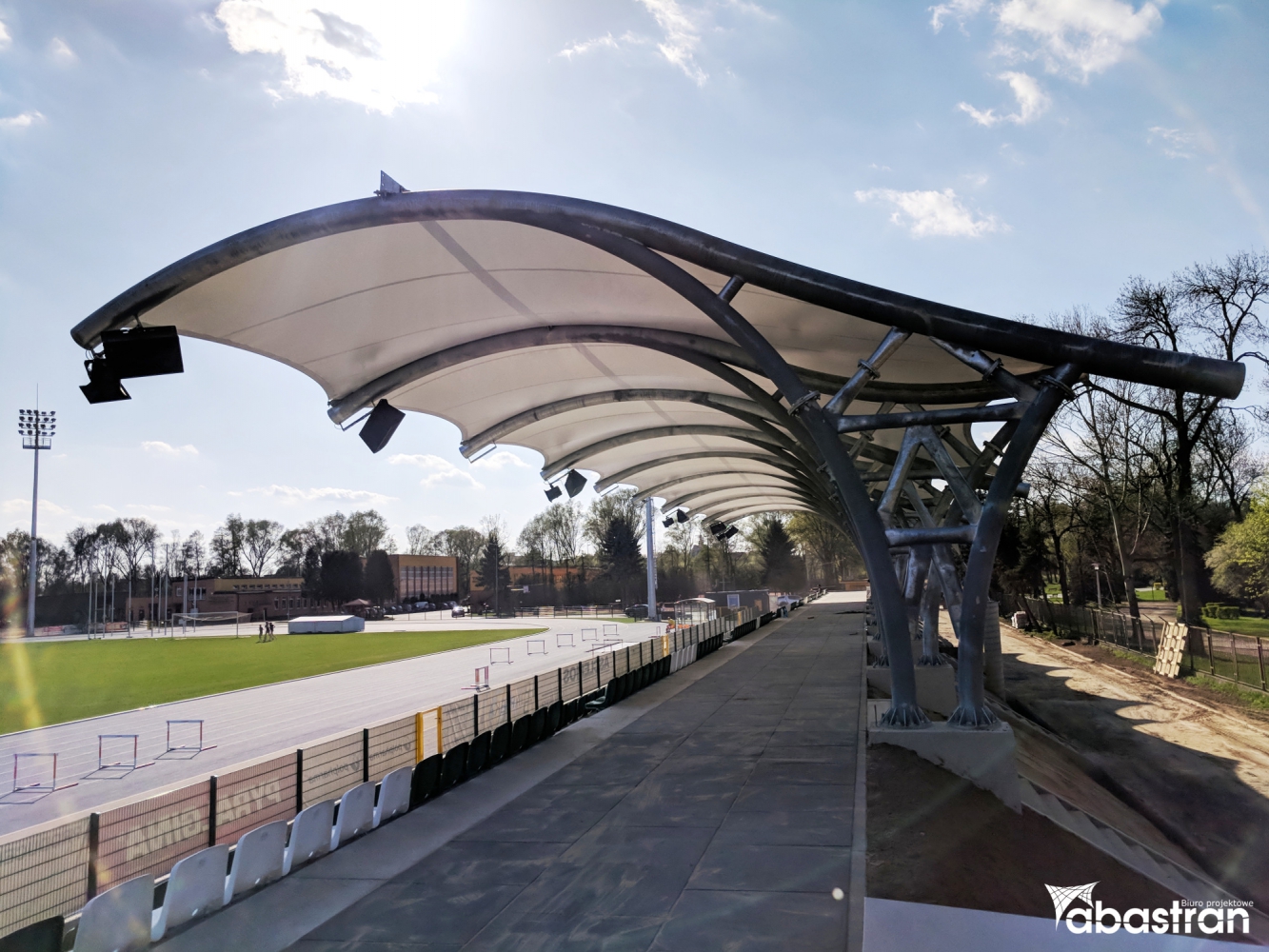
In 2018, a modern membrane roof was built at the stadium of the Municipal Sports and Recreation Center in Sieradz, which is one of the elements of the reconstruction of this sports facility. The project aimed to create effective protection for spectators against unfavorable weather conditions, which increases the functionality of the stadium and the comfort of using it during various sports events.


The roof was made using the easyASM 84+ PVC membrane, which is a material with high resistance to tears, UV and other atmospheric factors. The roof structure is based on bent steel pipes that form arched frames, and the whole structure is rigidly attached to the stadium structure. The membrane is tensioned using gusset plates and tensioning screws, which ensures its stability and aesthetic appearance. The roof is approximately 57 m long, approximately 12 m wide, and its maximum height is 8.5 m from the grass level.

Galeria

FAQ

What materials were used to make the roof?
Roofing the outdoor stage in Stalowa Wola

Dodatkowe treści

Year: 2018

Location: Stalowa Wola, Poland

Area: 115 m2

Material: easyASM 84+ PVC membrane

Construction:Abastran Sp. z o.o. z o. o.

General contractor:Abastran Sp. z o.o. z o. o.

Scope: Design, structural assembly, membrane installation


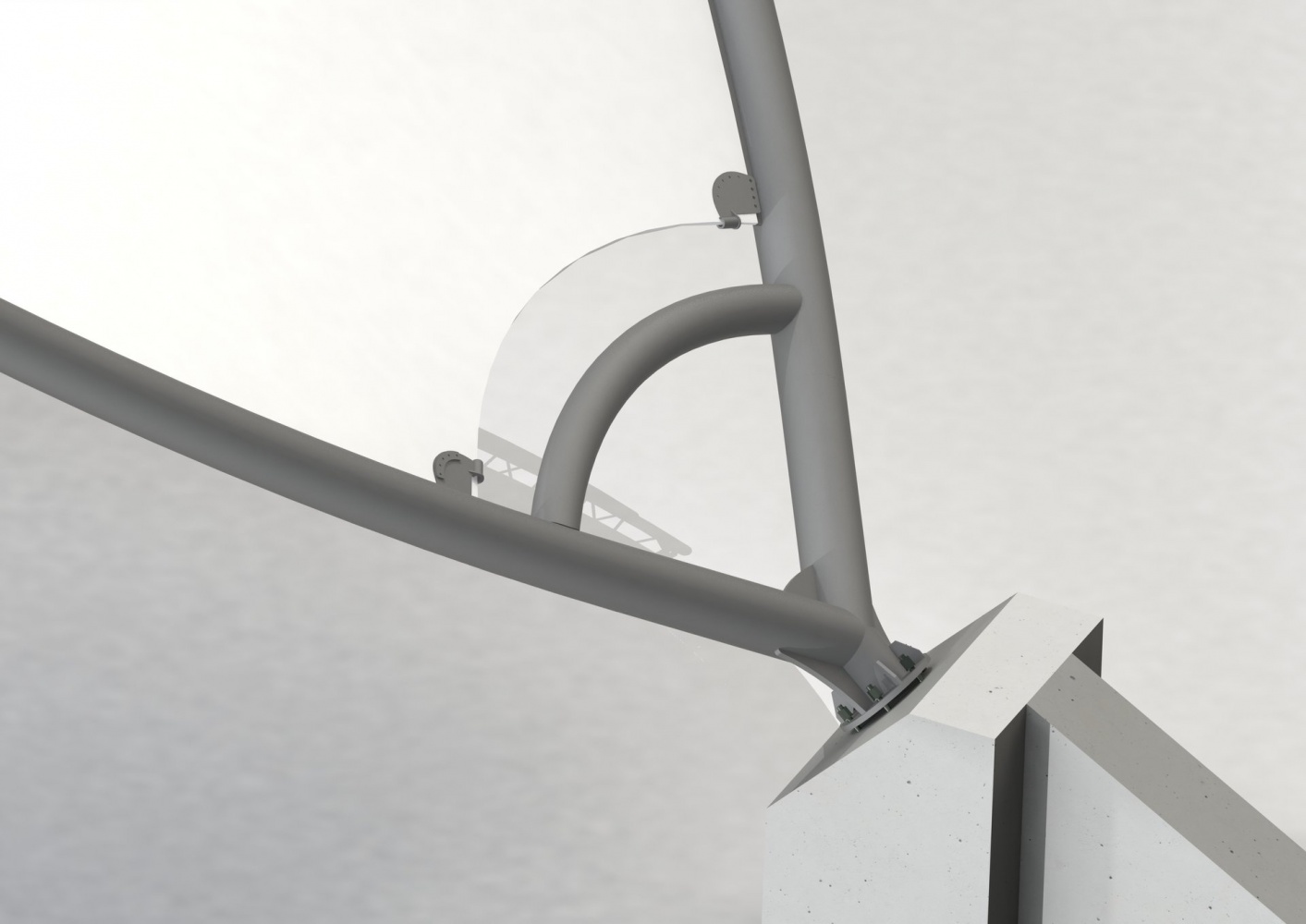
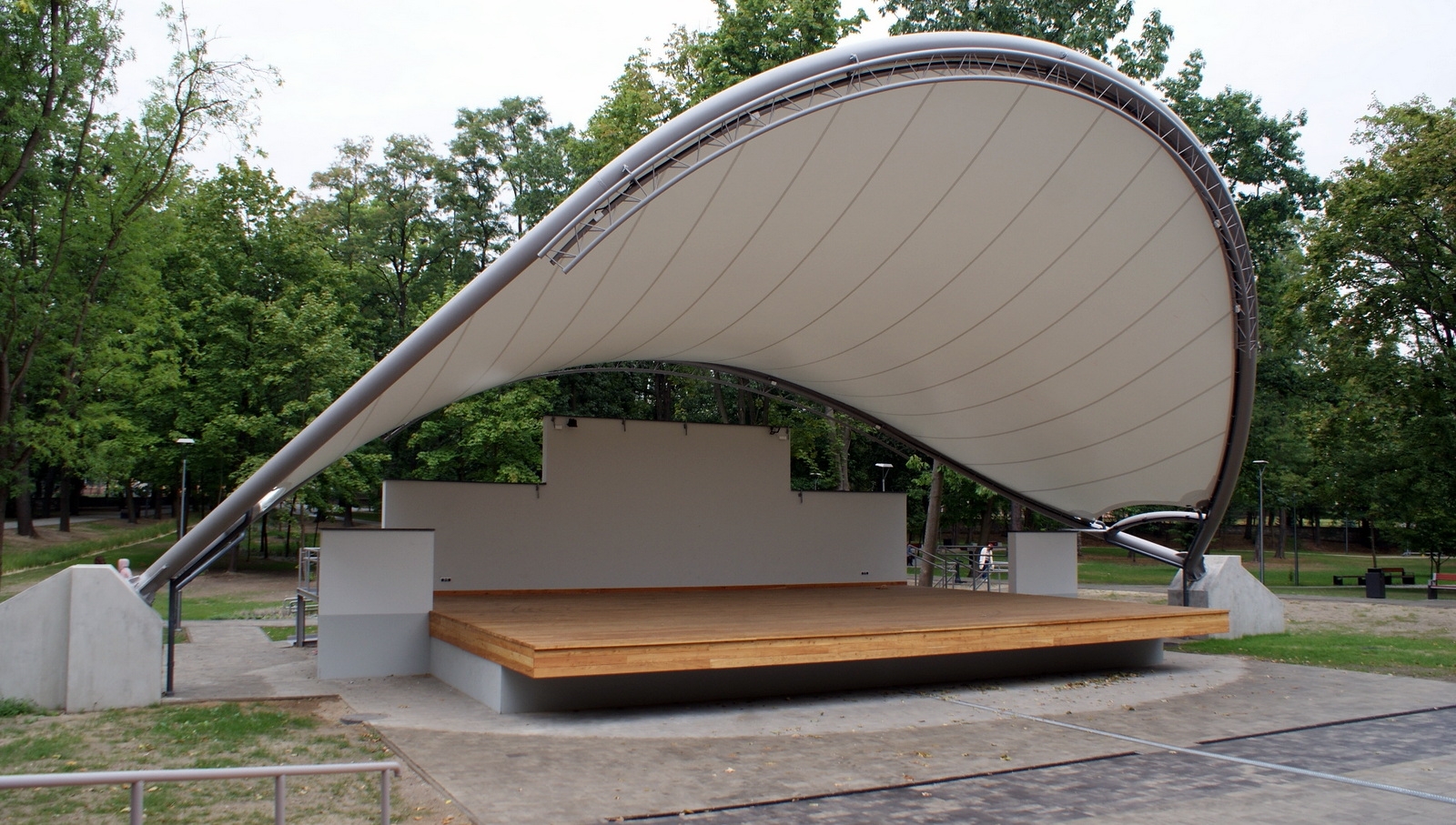
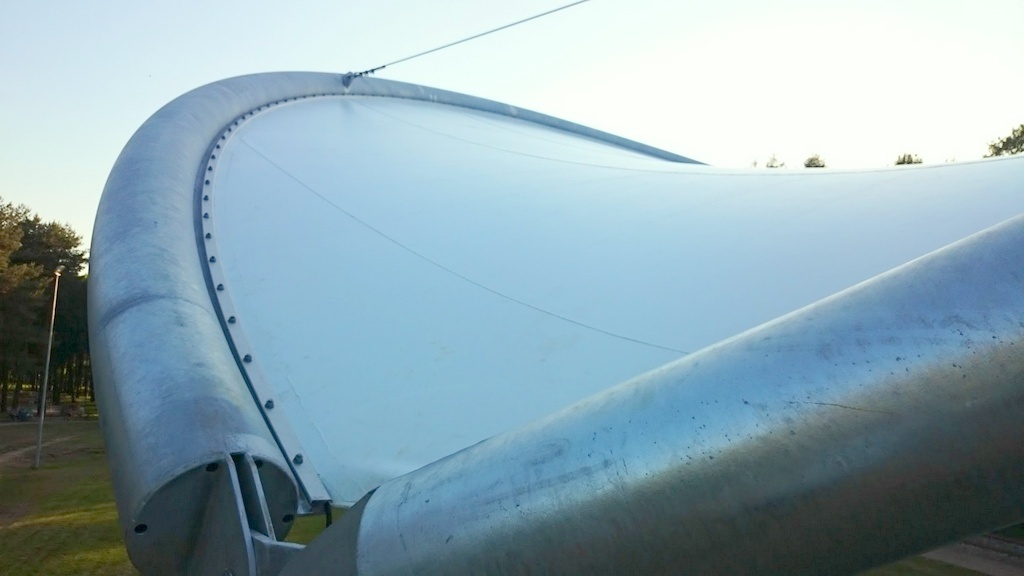
The outdoor stage roofing project in Stalowa Wola, completed in 2018, is an example of how modern construction and material technologies can be used to improve the functionality and aesthetics of urban public spaces. This roof is an important infrastructure element that allows the organization of various cultural events throughout the year, regardless of weather conditions.


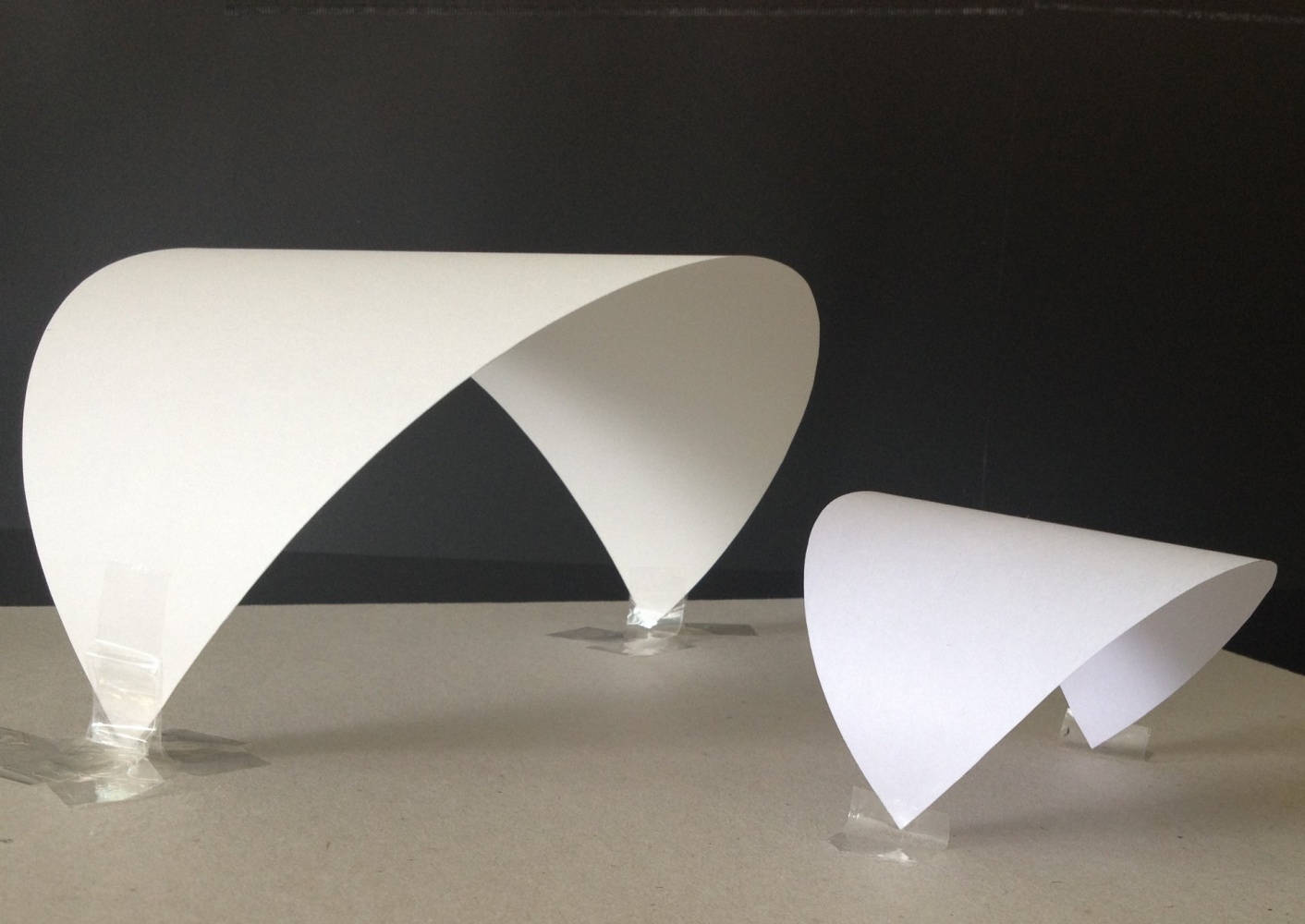
A modern easyASM 84+ PVC membrane was used to construct the roof, which is weather and UV resistant and guarantees durability and aesthetic appearance. The saddle-shaped roof structure rests on arched roof supports. These beams are based on solid foundation bases that ensure the stability and safety of the entire structure. The roof covers an area of ​​115 m2 and its maximum dimensions in plan are 14.50 m x 10.89 m. The highest point of the structure is 5.9 m high.

Galeria

FAQ

The PVC membrane easyASM 84+ was used for the roof structure, which is known for its high resistance to weather influences and UV radiation.