
Logo UE
Logo Abastran

How to Choose the Right Material for Membrane Structures?

Dodatkowe treści

How to Choose the Right Material for Membrane Structures?


Membrane structures are modern architectural solutions that have a wide range of applications in both commercial and public projects. Stadium roofing, event tents, and even futuristic buildings utilize lightweight and flexible materials that combine aesthetics with functionality. Choosing the right material for such structures is crucial as it impacts the strength, aesthetics, and durability of the building. So how should one approach this process? We present the most important factors to consider when selecting a membrane material.


Properties of Membrane Materials – What to Pay Attention To?


Strength and Durability

The first aspect to consider when choosing materials is their tensile strength and durability. It is important for the material to be resistant to strong winds, snow loads, and other harsh weather conditions. Materials such as PTFE (polytetrafluoroethylene) and ETFE (ethylene tetrafluoroethylene copolymer) are known for their exceptional resistance to mechanical damage.


Light Permeability

This is another important factor, especially in projects where natural lighting is a significant element. ETFE films are valued for their high light permeability, allowing membrane structures to create spaces filled with natural light while also protecting against unfavorable weather conditions.


UV Resistance

Membrane materials must also be resistant to UV radiation. A lack of UV resistance can cause the material to age faster, negatively impacting its durability. PVC (polyvinyl chloride) and PTFE membranes are characterized by high resistance to UV radiation, ensuring a longer lifespan for the structure.


Thermal Insulation

Thermal insulation is crucial for buildings that will be used year-round. Membrane structures can provide both thermal insulation and protection against excessive heating of surfaces on sunny days. It is important for the material to meet energy efficiency standards, which is particularly relevant in the context of sustainable building.


Types of Membrane Materials

Several main types of materials are available on the market for membrane structures. Each has its unique properties and applications.


Technical Fabrics

Technical fabrics, such as fiberglass/polyester composites, are one of the most commonly used materials in membrane constructions. They are characterized by high strength and flexibility, as well as the ability to be covered with coatings that provide additional weather resistance.


Plastic Films

Films such as ETFE films are gaining popularity due to their lightweight and high light permeability. They are used in projects where aesthetics and light are key, such as in the roofing of sports facilities.


Fiberglass/Polyester Composites

The combination of fiberglass and polyester gives construction materials additional mechanical strength and flexibility, which is extremely important in projects requiring large spans.


Factors Influencing the Choice of Roof Membrane


Type of Construction

Not every membrane is suitable for every type of construction. The properties of membrane structures can vary significantly, so it’s worth matching the material to the project. Roof constructions, such as tent roofs or sports halls, require materials with greater strength, such as PTFE or ETFE. The durability of membrane structures can significantly influence the choice of the appropriate material.


Climatic Conditions

The climate in which the structure will operate is crucial when selecting the material. In regions with high humidity, it is advisable to use materials with increased resistance to mold and fungi, such as PVC membrane. Attention should also be paid to sustainable building practices and ecology.


Aesthetic Requirements

Aesthetics also play an important role in designing membrane structures. For architectural projects that are intended to become icons, such as stadiums or museums, it is worth choosing materials that allow for creative forms and have a wide range of customization options.


Project Budget and Material Availability

The price of membrane structures can vary significantly. ETFE membranes are usually more expensive but offer a longer lifespan, while PVC membranes are more economical and available in various options. It is important to match the material to the budget and availability in the region.


The Most Popular Membrane Materials


PVC Membrane

PVC membrane is one of the most commonly used materials in textile architecture. It is highly resistant to moisture, making it an ideal choice for outdoor structures. It is also relatively inexpensive compared to other options.


PTFE Membrane

PTFE membrane is known for its exceptional durability and resistance to harsh weather conditions, including UV radiation. It is a material that can last for decades, which is why it is often used in large, prestigious projects.


ETFE Membrane

ETFE films are a relatively new but increasingly popular material. Due to their lightweight and transparency, they are ideal for constructions that need to allow plenty of natural light, such as conservatories or pool roofing.


Durability and Maintenance

The durability of membranes depends on various factors, including weather conditions and regular maintenance. Materials such as PTFE and ETFE require minimal maintenance, but it’s important to keep in mind the need for periodic inspections and cleaning of the membranes to ensure their long lifespan.


Cost of Membrane Structures

The cost of membrane structures depends on many factors, including the type of material, its strength, and market availability. ETFE membranes are usually more expensive, but their exceptional properties may justify the higher cost.


Designing Structures

Designing structures with a membrane roof requires collaboration with experienced architects and engineers who can take into account both the technical and aesthetic aspects of the material. It is important for the project to be tailored to the specific needs of the client and local conditions.


Examples of Membrane Structure Applications

Membrane structures are widely used in various fields of architecture. They can be found in the form of roofing for stadiums, exhibition halls, and as decorative elements in modern commercial buildings.


Summary

Choosing the right material for membrane structures is a key element of any project. Factors such as strength, weather resistance, aesthetics, and budget should be taken into account. Depending on the project specifications, different types of membrane materials will have their unique advantages.

Abastran is an experienced manufacturer of membrane structures that has been providing modern and durable architectural solutions for years. We specialize in the design, production, and installation of membrane roofs for various applications, such as stadiums, exhibition halls, industrial facilities, or commercial spaces. Our structures are characterized by exceptional aesthetics, durability, and functionality.

By collaborating with Abastran, you can be assured that you will receive products of the highest quality that meet the most stringent technical and aesthetic standards. Contact us – our team of experts will assist you at every stage of your project from technical consulting to installation.

Are Membrane Roofs Suitable for Sports Facilities?

Dodatkowe treści

Are Membrane Roofs Suitable for Sports Facilities?


Membrane roofing is a modern architectural solution that is gaining popularity in various areas of construction, including sports facilities. They are lightweight, flexible, and durable, and thanks to the use of advanced materials such as ETFE or PVC membranes, they perform excellently in harsh weather conditions. But is a membrane structure a good choice for sports facilities? In this article, we will present their key advantages and discuss why this solution is worth considering.

Benefits of Membrane Roofs for Sports Facilities

Lightweight Construction

One of the biggest advantages of membrane structures is their lightness. Compared to traditional roofs made of metal or concrete, membranes require lighter supporting structures, resulting in less load on the foundations. This is especially important in large spaces, such as tent halls, sports halls, or football stadiums.

Protection Against Weather Conditions

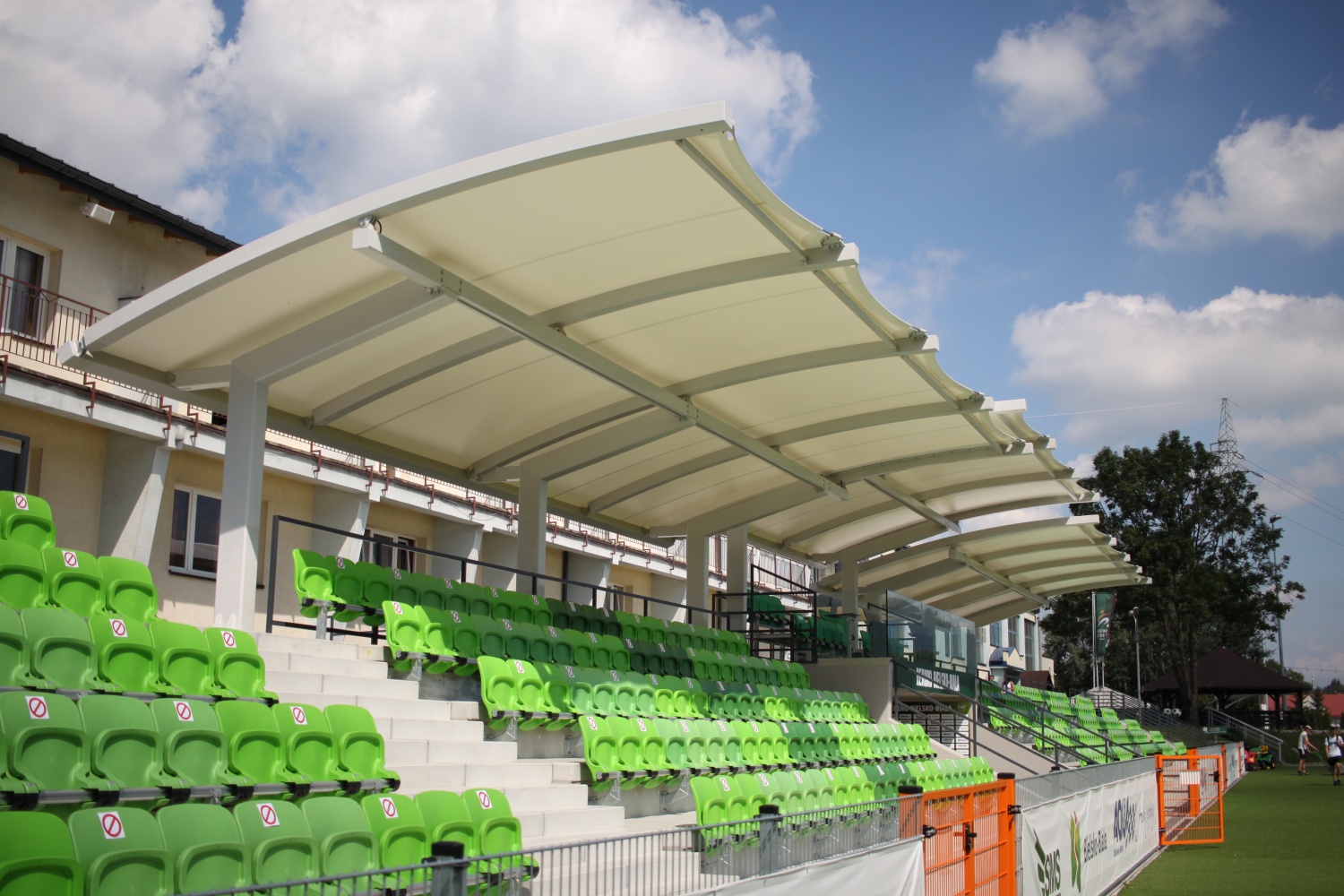
Membrane roofs provide protection against rain, snow, and intense sunlight. Sun protection is especially important for spectators. The roofing of sports fields, tennis courts, or stands allows safe use of the facilities regardless of the weather. Moreover, membranes like PTFE or PVC are resistant to UV radiation, ensuring a long lifespan for the structure.

Creating Large, Open Spaces

Membrane facades allow for the creation of large, open spaces without the need for numerous supports. This is an ideal solution for sports facilities, such as membrane sports halls, stadium roofing, or stands, where space and visibility are crucial. Thanks to the flexibility of membrane roofs, roofing can be achieved in various shapes, opening up wide design possibilities.

Long Lifespan and Low Maintenance Costs

Modern membrane coverings are exceptionally durable, and their maintenance is significantly less demanding than that of traditional roofing materials. ETFE membranes, used in stadium roofing, are practically self-cleaning due to their smooth surface, further reducing operating costs.

Examples of Membrane Roof Applications in Sports Facilities

Roofing for Sports Fields

The roofing of football fields is one of the most common applications of membrane structures. Thanks to their lightness and durability, large spaces can be easily covered, providing protection from rain and sun for both players and spectators. Membranes help maintain a suitable microclimate on the field, positively impacting game quality. The transparent membrane allows sufficient sunlight for players to have good visibility.

Roofing for Tennis Courts

Tennis courts often utilize membrane roofing due to the ability to freely adjust light permeability. A tent roof made of ETFE or PVC membrane allows for the optimization of lighting and protection from rain, enabling play in almost any conditions.

Roofing for Swimming Pools

In sports facilities such as swimming pools, ETFE membranes are often used, characterized by high light permeability. This solution enables natural lighting of the pool area, making it more comfortable for users and also energy-efficient.

Roofing for Stands

Protecting spectators in stadiums is a priority, which is why membrane roofing for stands is frequently used in modern stadium projects. They provide protection from rain and sun while, due to their lightness, do not obstruct the view from the stands.

Pneumatic Roofing – A Modern Solution for Sports Facilities

Pneumatic roofing consists of lightweight membrane structures that maintain their shape through air pressure. Ideal for temporary or seasonal sports facilities, such as fields, courts, or pools. Pneumatic halls do not require traditional supports, allowing for large, open spaces. They are quick to assemble and disassemble, and also provide good thermal insulation, enabling year-round use of the facilities. This is an economical and flexible solution, often chosen by investors.

The Process of Implementing a Membrane Roof Project

The implementation of a membrane roof for sports facilities requires several steps:

  1. Designing the Structure – Architects and engineers design the roof based on the specifics of the facility, considering technical and aesthetic requirements, as well as the safety of the structure.
  2. Material Selection – Depending on the project needs, an appropriate membrane material is chosen, such as ETFE, PVC, or PTFE.
  3. Installation – The installation process of the membrane roof is relatively quick, thanks to the lightweight structure and the ability to prefabricate elements.
  4. Maintenance – Although membranes are durable and resistant to weather conditions, regular maintenance of the roof, especially in harsh conditions, can extend their lifespan.

Summary

Membrane roofs for sports facilities are innovative solutions that combine lightness, durability, and aesthetics. They are increasingly chosen by architects, investors, and facility owners due to their versatile applications—from roofing sports fields to tennis courts and stands. Their durability and ability to create spaces filled with natural light make them an ideal choice for modern sports facilities.

Order a Membrane Roof for Your Sports Facility

If you are considering building or modernizing a sports facility, Abastran offers comprehensive solutions for membrane structures. Our membrane roofs for sports facilities combine modern design with maximum functionality. Contact us to learn more!

👉 Contact us for a personalized quote for a membrane roof for your sports facility!

Steel Structure – What is it and Where is it Used?

Dodatkowe treści

Steel Structure – What is it and Where is it Used?


Steel structures form the foundation of modern industrial and commercial construction. The growing popularity of steel construction stems from its durability, flexibility, and speed of assembly. Steel, with its unique properties, is used in various types of buildings, from steel halls to industrial and infrastructure facilities. In this article, we will discuss what a steel structure is, its advantages and disadvantages, and where it is applied.


What is a Steel Structure?

A steel structure is a load-bearing system made of steel components, such as steel frames and profiles. They form the basis for many large structures, such as warehouses, canopies, and industrial buildings. Steel is an ideal material for such structures because it combines the strength of steel with design flexibility.

Depending on the needs, we distinguish between different types of steel structures:

  • Frame Structures – most commonly used in the construction of halls and warehouses, consisting of load-bearing frames and connecting elements.
  • Solid-Wall Structures – more compact, often used in the construction of bridges and other engineering structures.

Steel structure elements, such as beams, columns, and joints, can be prefabricated and quickly assembled on-site, significantly reducing project completion time.


Advantages of Steel Structures


Strength and Durability of Steel Structures

One of the main advantages of steel structures is their high strength. Steel can withstand large loads and is resistant to changing weather conditions, making it an ideal material for constructing steel halls and industrial facilities. Structural steel used in such projects exhibits exceptional corrosion resistance, especially when subjected to additional protection, such as galvanization.


Lightness of the Structure and Design Flexibility

The lightness of steel structures compared to concrete or wooden structures makes them easy to transport and assemble. The assembly of steel structures is quick and precise, shortening the construction time. Thanks to the flexibility of steel, designers can create both simple warehouses and complex buildings with unconventional architectural forms.


Sustainable Construction and Recycling

Steel is a fully recyclable material, making it an excellent choice in the context of sustainable construction. Using steel helps reduce the consumption of natural resources and minimizes negative environmental impacts. Additionally, steel can be recycled multiple times without losing its properties, further enhancing its ecological value.


Disadvantages of Steel Structures


Initial Costs and Specialized Labor

Although steel structures offer many advantages, their construction can involve higher initial costs, especially when considering additional elements like corrosion protection. Specialized labor is often needed for the assembly of steel structures, which can increase project costs.


Thermal and Acoustic Insulation

Steel, as a conductive material, requires additional insulation to meet energy standards. Similarly, for buildings requiring good acoustic insulation, steel structures may need additional insulating solutions.


Where are Steel Structures Used?

Steel structures find application in many industries, from machine manufacturing to commercial construction. Here are some examples:


Steel Halls and Steel Warehouses

Industrial facilities such as steel halls and warehouses are among the most common structures built using steel construction. Steel structure elements are ideal for creating large, open spaces that can accommodate warehouses, distribution centers, or production plants.


Industrial and Energy Facilities

In industry, steel plays a key role in the construction of industrial facilities and infrastructure related to the energy sector. Steel structures are used in power plants, processing plants, and many other industries that require solid, durable constructions.


Steel Canopies and Other Structures

Steel canopies are another example of the application of steel structures. They are used as lightweight coverings for parking lots, in agriculture, or in logistics. Due to their durability and resistance to weather conditions, steel canopies provide a reliable and economical solution.


The Process of Designing and Producing Steel Structures

The process of executing a steel structure project consists of several stages:

  1. Designing Steel Structures – engineers develop a detailed plan, considering technical, strength, and aesthetic requirements.
  2. Material Selection – choosing the right type of steel, depending on its application (e.g., carbon steel, stainless steel, or galvanized steel).
  3. Assembly of Steel Structures – prefabricated elements, such as steel frames and profiles, are transported to the construction site and joined into a complete structure.


Summary

Steel structures offer exceptional strength, flexibility, and durability, making them widely used in industrial and commercial construction. From steel halls to steel warehouses and canopies, steel is a versatile material that performs well in various industries, including energy and machinery. If you are looking for reliable solutions in steel structures, contact Abastran – experts in this field.

👉 Contact us for a quote on your project!

What to Consider When Designing Steel Structures?

Dodatkowe treści

What to Consider When Designing Steel Structures?


Designing steel structures is one of the key processes in modern construction. Steel, as a construction material, has wide applications in the construction of industrial halls, warehouses, bridges, and commercial buildings. To ensure a successful project, it is essential to consider many technical factors, from the strength of the structure to compliance with applicable standards. In this article, we will discuss what to pay attention to when designing steel structures to ensure the stability, safety, and durability of the building.


Guidelines for Designing Steel Structures

Designing steel structures requires precise calculations and planning. The strength of the steel structure depends on this. Here are several factors that are crucial in this process:


Loads and Load Capacity of the Structure

The foundation of any steel structure project is the loads that must be accurately analyzed. The choice of materials and construction solutions depends on these loads. The load capacity of the steel must match the planned loads, such as the self-weight of the structure, dynamic forces (wind, snow), and live loads.


Stability and Connections

One of the key elements affecting the stability of a steel structure is properly designed steel connections. Poor connections can lead to dangerous situations, such as weakening the entire structure. It is also important to apply appropriate corrosion protection measures to safeguard the steel against weather elements and corrosion.


Guidelines and Standards for Designing Steel Structures

Every steel structure project must comply with applicable regulations and standards. Design standards, such as Eurocodes, specify the requirements for the strength, stability, and safety of structures. Adhering to these guidelines is crucial to ensure the project’s compliance with building regulations.


Selection of Materials and Structural Elements

Choosing the right materials, such as structural steel or steel profiles, is vital for the durability and effectiveness of the project. The elements of the steel structure must be tailored to the type of building and the anticipated loads. The selection of steel with appropriate parameters (e.g., corrosion resistance) impacts the longevity of the entire structure.


Stages of Designing a Steel Structure

The process of designing steel structures consists of several stages that must be precisely executed according to the investor’s requirements and technical standards.


Analysis of Investor Requirements

The first step in designing steel structures is a thorough analysis of the investor’s requirements. At this stage, engineers gather information regarding the function of the building, aesthetic expectations, and budget. These details influence the subsequent phases of the project, such as material selection and assembly method.


Development of the Preliminary Design

The next step is to develop a preliminary design for the steel structure. Engineers prepare initial construction drawings that define the shape and dimensions of the building. At this stage, CAD software is often used to model and analyze the design in three-dimensional space. This allows for identifying potential construction issues and finding optimal solutions.


Preparation of Detailed Documentation

Technical documentation is created based on the preliminary plans. It includes construction drawings, static calculations, and material specifications. Calculations for steel structures are a crucial element of this phase as they allow for the precise determination of strength and stability of the entire structure. Documentation regarding steel connections and corrosion protection measures is also essential.


Modern Technologies in Designing Steel Structures

Modern software for designing steel structures offers advanced tools that facilitate work for engineers and designers. Structural design programs enable accurate modeling and simulation of various loading scenarios, allowing for a better understanding of how the structure will behave under real conditions.

CAD software and numerical analysis tools also enable project optimization, elimination of potential design errors in steel structures, and minimization of material costs. Thanks to modern technologies, designers can continuously analyze and modify the project, increasing its precision and efficiency.


Summary

Designing steel structures is a complex process that requires considering many technical factors, such as loads, stability, building codes, and the selection of appropriate materials. A properly designed steel structure is not only durable and strong but also economical and compliant with the latest technological guidelines. It is crucial for the project to be prepared by experienced engineers who can combine theoretical knowledge with practical application.

If you are looking for a professional team to execute your steel structure project, Abastran offers comprehensive support at every stage of implementation. Contact us for more information about our services.

👉 Contact us and discover our solutions for designing steel structures!

How Does the Process of Designing Steel Structures Look from A to Z?

Dodatkowe treści

How Does the Process of Designing Steel Structures Look from A to Z?


Designing steel structures is a key element of modern construction. Steel, as a construction material, has gained popularity due to its strength, durability, and design flexibility. Steel structures are used in the construction of industrial halls, bridges, office buildings, and many other structures. In this article, we will discuss the detailed process of designing steel structures—from initial assumptions to installation.


Stages of Designing a Steel Structure


Preparation and Analysis of Requirements

The first stage of design involves gathering the investor’s requirements and analyzing the location. Engineers and architects must consider both the functional and aesthetic expectations of the investor. At this stage, a site analysis is crucial, including geotechnical studies, weather conditions, and specific legal requirements. Conducting preliminary analyses allows for precise determination of future loads on the structure and optimizes costs. A project timeline is then established.


Technical Documentation of the Structure

The next step is to develop detailed technical documentation for the structure based on design standards, which includes:

  • Static Calculations – ensuring the safety and stability of the structure.
  • Technical Drawings – illustrating all elements of the structure.
  • Material Specifications – defining what building materials will be used, e.g., type of structural steel and how it will be protected against corrosion.

Technical documentation is a crucial element of the project that serves as the basis for prefabrication and installation of steel components on-site.


Modeling and Optimization of the Steel Structure

Today, modeling and optimization of structures are performed using advanced CAD software. This allows engineers to accurately replicate the structure in digital form. The Finite Element Method (FEM) is also used in the design process, enabling the analysis of the structure’s behavior under various loads. This allows designers to simulate the effects of forces such as wind or snow and optimize the design for durability.


Selection of Materials and Connection Technologies

Another key step is selecting the appropriate materials. Structural steel is the most commonly chosen material due to its strength and resistance to various external factors. Additionally, the technology for connecting elements—such as welding, bolting, or riveting—must be tailored to the project’s characteristics and the type of steel used. Choosing the right connection methods is critical for ensuring the longevity and safety of the structure. Modern construction engineering allows us to utilize tools such as computer simulations to study the durability of the structure.


Prefabrication of Steel Elements and Roof Production

Once the design is approved, the process of prefabricating steel elements begins. The elements of the structure are produced in workshops and then transported to the construction site. Prefabrication shortens assembly time and increases precision. As a result, the design process concludes faster, and the finished components can be assembled with minimal issues.


Installation of Steel Structures

The installation of the steel structure is the last but equally important stage. At the construction site, prefabricated elements are assembled and connected according to the previous documentation. The assembly of a steel structure requires precise planning and the use of appropriate equipment, such as cranes, to lift heavy elements. Quality control at each stage of work is also essential to ensure that the assembly follows the design.

During installation, applicable design standards for steel structures, such as Eurocodes, which define safety standards, must also be adhered to.


Summary

Designing steel structures is a complex process that requires close cooperation between engineers, architects, and contractors. Each stage—from analyzing the investor’s requirements, through modeling and prefabrication, to installation—must be meticulously planned and executed according to technical guidelines. Thanks to modern technologies, such as CAD software and the Finite Element Method (FEM), designing steel structures has become more precise and efficient.

The team of specialists at Abastran offers comprehensive support at every stage of project execution. If you are looking for professional solutions in the design of steel structures, contact us to learn more.

👉 Contact us and gain access to modern solutions in the design and optimization of structures!

Steel Structure or Concrete – What to Choose?

Dodatkowe treści

Steel Structure or Concrete – What to Choose?


The decision to choose between a steel structure or a concrete one is one of the most important choices investors, architects, and engineers must make. Both materials are popular in construction, yet their properties differ significantly. Both steel and concrete have their advantages and disadvantages that impact durability, construction time, and investment costs. In this article, we will discuss steel and concrete structures to help make decisions when designing industrial halls, commercial buildings, or homes.


Steel Structure – Advantages and Disadvantages


Advantages of Steel Structures:

Steel structures are increasingly popular in construction due to their unique properties and the use of modern technologies. Here are the main advantages of steel structures:

  • High Strength at Low Weight: Structural steel is very strong, allowing for the creation of lightweight yet extremely stable structures. The lightness of steel structures reduces the load on foundations, which is significant when constructing tall buildings.
  • Quick Assembly: Steel components are often prefabricated, which shortens assembly time on site. This allows projects utilizing steel to be completed much faster than concrete ones.
  • Design Flexibility: Steel structures offer wide design possibilities. With modern technologies like CAD software, engineers can create complex architectural forms, giving designers greater freedom.
  • Resistance to Biological Factors: Steel is not susceptible to mold, fungi, or insects, extending the lifespan of buildings.


Disadvantages of Steel Structures:

While steel has many advantages, there are some disadvantages of steel structures worth considering:

  • Need for Corrosion Protection: Steel is prone to corrosion; therefore, appropriate corrosion protection measures such as galvanizing or painting are necessary to protect the structure from rusting.
  • Higher Material Costs: In some cases, steel may be more expensive than concrete, but long-term savings from quicker assembly and lower maintenance costs can offset this.
  • Thermal Conductivity: Steel has poor insulating properties, so additional thermal insulation is required to minimize heat loss. Thermal insulation is a crucial element that can increase project costs.


Concrete Structure – Advantages and Disadvantages


Advantages of Concrete Structures:

Concrete structures have long been used in construction and have their advantages, which in some cases outweigh those of steel:

  • Good Acoustic Insulation: Concrete features high acoustic insulation, making it an ideal choice for buildings where sound dampening is essential, such as in apartments or offices.
  • Lower Material Costs: In some cases, concrete can be cheaper than steel, making it more financially accessible for many investors, especially in simpler constructions.


Disadvantages of Concrete Structures:

However, concrete structures also have limitations that may affect the choice of material:

  • Longer Construction Time: Concrete requires significantly more time to harden and assemble, which can prolong the construction schedule. For projects where time is critical, steel has the advantage.
  • Greater Weight of Structures: Concrete is significantly heavier than steel, necessitating the construction of more massive foundations to support the structure.
  • Less Design Flexibility: Concrete does not offer the same degree of freedom in shaping the building’s form as steel. A concrete structure is more challenging to modify during construction or expand in the future.


Steel Structure vs Concrete

It is worth comparing steel and concrete structures in terms of several significant aspects:

  • Strength and Durability: Steel has high resistance to dynamic loads and modern protection technologies, making it more flexible and resistant to long-term wear. Concrete, on the other hand, has high compressive strength but is less flexible.
  • Construction Time: For projects where time is critical, steel wins. Steel halls or office buildings can be assembled quickly due to prefabrication. Concrete requires a longer time for completion, which can lead to delays.
  • Fire Resistance: Concrete is naturally more fire-resistant; however, steel structures can be protected with special fire-resistant coatings that increase their resistance to high temperatures.
  • Environmental Impact: Steel is a fully recyclable material, aligning with the principles of sustainable construction. Concrete, on the other hand, is more difficult to recycle, and its production is associated with higher CO2 emissions.


Which Structure to Choose – Steel or Concrete?

The final choice between a steel structure and a concrete one depends on the specifics of the project. For investors valuing quick assembly, design flexibility, and modern architectural solutions, steel is more suitable. Conversely, for projects requiring good acoustic insulation and simpler forms, concrete may be the better choice.

If you are still unsure which structure is better—steel or concrete—it is worth consulting with experts. Abastran offers comprehensive design and construction services for steel structures, helping to choose the best solution for your project. We also offer construction optimization.

👉 Contact us and learn more about modern solutions in steel construction!

What is ETFE?

Dodatkowe treści

What is ETFE?


ETFE (ethylene tetrafluoroethylene) is a modern building material that is gaining popularity in the design of roofs, facades, and other structures. ETFE foil is characterized by its lightweight, flexibility, and extraordinary resistance to weather conditions, making it an excellent choice for architects and engineers seeking innovative solutions. The use of ETFE structures in modern construction brings numerous benefits, from material savings to energy efficiency. In this article, we will discuss what ETFE is, its properties, and its most important applications.


What is ETFE?

ETFE is a synthetic fluoropolymer invented in the 1970s, originally used in the aerospace industry. In architecture, it is used in the form of ETFE foil or ETFE membranes, employed in constructions such as roofs, facades, or conservatories. The first known project to use ETFE was the Allianz Arena stadium in Munich, which contributed to the material’s popularity in construction.


Properties of ETFE


Light Transmission

One of the most important features of ETFE foil is its high light transmission. This material allows up to 95% of natural light to pass through, making spaces covered with ETFE roofs bright and filled with daylight. This makes ETFE an excellent solution for buildings where reducing artificial lighting is crucial, such as in conservatories, swimming pools, or greenhouses.


Lightweight

ETFE foil is exceptionally lightweight, which translates into lower loads on a building’s structural framework. The material’s lightness also reduces transport costs and facilitates installation. Compared to traditional building materials like glass or concrete, ETFE structures can be significantly lighter.


Strength and Flexibility

Despite its lightness, ETFE is a very durable material. It is resistant to stretching and can withstand strong winds and other dynamic loads. The ETFE membrane maintains its flexibility across a wide temperature range, making it ideal even in extreme climatic conditions.


Weather Resistance

UV resistance and chemical resistance are additional advantages of ETFE. This material does not yellow or lose its properties under UV radiation, ensuring the long-lasting aesthetic appeal of a building. Furthermore, ETFE is resistant to chemicals, making it an ideal material for facades and roofs in demanding industrial conditions.


Thermal Insulation

Although ETFE foil is not the best thermal insulator, its unique application in the form of ETFE cushions (double or triple layers filled with air) significantly improves its thermal insulation. Such constructions allow for effective temperature control within a building, promoting energy efficiency and sustainable construction.


Self-Cleaning

ETFE has a smooth, non-stick surface, allowing rain to easily wash away contaminants. This self-cleaning property of the material reduces the need for regular cleaning, further lowering maintenance costs.


Applications of ETFE


Roofs

ETFE roofs are increasingly chosen in modern architecture. Due to their lightness and light transmission, ETFE roofs are ideal for buildings such as stadiums, sports halls, or shopping centers, where both natural lighting and aesthetics are important.


Facades

ETFE foil is also used in building facades. It can serve as a substitute for glass while offering significantly better properties in terms of reducing structural weight and protecting against UV radiation. Kinetic facades made of ETFE can dynamically respond to weather conditions, allowing for optimized lighting and ventilation of buildings.


Conservatories

Membrane structures with ETFE are an excellent choice for creating glazing in conservatories. Its light-transmitting properties and design flexibility allow for the creation of bright, friendly spaces that are well-protected from weather elements while ensuring sustainable construction.


Other Applications

ETFE cushions are used in many innovative architectural projects, such as swimming pools, greenhouses, and sports facilities. An example is the roofs of stadiums, where the material’s lightness allows for covering large areas while maintaining high resistance to damage.


Conclusion

ETFE foil is an innovative material that offers exceptional properties such as light transmission, lightness, durability, and weather resistance. The application of ETFE in modern construction enables the creation of lightweight, energy-efficient structures with a modern appearance. From roofs and facades to conservatories and stadiums—ETFE finds wide application wherever aesthetics, functionality, and energy savings are key.

If you are looking for modern solutions for ETFE structures, contact us. Abastran offers comprehensive design and construction services using ETFE structures.

👉 Contact Us and discover innovative possibilities for ETFE constructions!

ETFE vs Glass – A Comparison of Materials for Transparent Structures

Dodatkowe treści

ETFE vs Glass – A Comparison of Materials for Transparent Structures


Transparent structures, such as roofs and facades, are becoming increasingly popular in modern architecture. The choice of material is crucial for both the aesthetics and functionality of a building. Two of the most commonly used materials are ETFE (ethylene tetrafluoroethylene) and glass. This article examines ETFE vs glass, comparing their properties, advantages, and disadvantages to assist investors and architects in making the best choice.


ETFE – Properties and Advantages

ETFE is a modern material that is increasingly appearing in architectural designs as a lightweight and flexible alternative to glass. It comes in the form of ETFE foil, which is used in roof structures, facades, and other membrane constructions, such as ETFE cushions.


Light Transmission

ETFE features excellent light transmission—it can allow up to 95% of natural light to pass through. Unlike glass, ETFE provides uniform light dispersion, reducing the risk of glare inside the building.


Lightweight

ETFE foil is incredibly lightweight, which is a significant advantage in designing large, expansive roofs and facades. As a result, ETFE structures require less massive supports and foundations, leading to reduced construction costs and lower structural loads.


Strength and Flexibility

ETFE exhibits exceptional flexibility and resistance to stretching, making structures made from this material resistant to wind, hail, and other weather factors. Its strength is sufficient to create expansive surfaces without the risk of damage.


Weather and UV Resistance

ETFE foil is exceptionally resistant to UV radiation, allowing for the material’s longevity without degradation. Additionally, ETFE does not yellow and retains its properties for many years, even in harsh weather conditions.


Thermal Insulation

Although ETFE has lower insulating properties than glass, when combined with ETFE cushion technology, better thermal insulation can be achieved. Layers of air-filled ETFE foil effectively retain heat, contributing to energy savings in buildings.


Durability and Maintenance

ETFE is an almost self-cleaning material—its smooth surface allows rain to wash away any dirt. Consequently, ETFE structures require significantly less maintenance than their glass counterparts.


Glass – Properties and Advantages

Glass has been used in construction for centuries, and its transparency and aesthetics make it a still popular material. Modern technologies allow for the use of tempered and laminated glass, significantly increasing its strength.


Light Transmission

Glass, especially in the form of a glass roof or facade, offers excellent clarity, providing natural light in interior spaces. However, it’s worth noting that it can cause glaring reflections, which can be problematic in certain designs.


Strength

Modern types of glass, such as tempered glass, have high impact resistance and are difficult to mechanically damage. This is crucial in areas with high traffic, where glass must meet specific safety standards.


Scratch Resistance

Glass is a material that is practically scratch-resistant under normal operating conditions, making it an excellent choice for building facades where aesthetics are key.


Aesthetics

Nothing can match glass constructions in terms of aesthetics and elegance. Glass facades are an inseparable element of modern office buildings and prestigious structures.


Acoustic Insulation

Compared to ETFE, glass has significantly better acoustic insulation properties, making it a better choice for buildings located in noisy areas, such as city centers.


ETFE vs Glass – A Comparison

Comparing ETFE vs glass, we can identify several significant differences that determine the application of these materials in various projects.


Light Transmission

Both materials offer high light transmission; however, ETFE has an advantage regarding uniform light dispersion and glare elimination, which reduces the risk of overheating spaces.


Lightweight

In this aspect, ETFE clearly wins. Its lightweight nature translates into lower loads on supporting structures, thereby reducing construction costs, especially for large projects such as stadiums or halls.


Costs and Durability

ETFE is cheaper in terms of both material and installation costs. It is also more durable in harsh weather conditions and requires less maintenance compared to glass.


Conclusion

The comparison of ETFE vs glass shows that the choice between these two materials depends on the specifics of the project. ETFE is a modern, lightweight, and durable material that works well in constructions such as ETFE roofs, ETFE facades, or expansive membrane structures. In contrast, glass offers greater aesthetics and better acoustic insulation, making it preferred in commercial projects where elegance and prestige are important.

If you are looking for innovative solutions and are wondering whether to choose ETFE or glass, contact us. Abastran specializes in the design and construction of ETFE structures, offering modern and functional solutions for demanding investors.

👉 Contact Us and find out how we can assist in realizing your project!

Advantages of Steel Structures in Industrial Construction

Dodatkowe treści

Advantages of Steel Structures in Industrial Construction

Steel plays a crucial role in modern industrial construction. With its unique properties such as strength, flexibility, and cost efficiency, it serves as the foundation of many construction projects.


The Importance of Steel in Industrial Construction

Steel is a material that combines exceptional strength with the ability to be shaped into any form. As a result, steel structures are commonly used in industrial construction, where fast completion times and building durability are essential.


Why Choose Steel Structures?

Durability and Strength

Steel is characterized by high resistance to mechanical damage, making structures made from this material exceptionally durable. Compared to other building materials, steel better withstands extreme weather conditions and loads.

Fast Assembly

Steel structures are usually prefabricated, allowing for faster assembly on the construction site. Ready-made elements are delivered to the site and assembled quickly, reducing costs and minimizing downtime.

Design Flexibility

Steel allows for the creation of complex and innovative designs that would be difficult to achieve with other materials. The ability to customize structures to specific investor needs makes steel a preferred material in industrial construction.


The Process of Manufacturing Steel Building Elements

Production Stages

The production of steel building elements starts with precise design, where every detail is carefully planned. The steel is then cut, bent, and welded to create finished components. Each stage of production is supervised to ensure the highest quality.

Quality Control

The quality of steel structures is a crucial aspect that affects their durability and safety. Manufacturers conduct detailed inspections at every stage of production, ensuring that the finished product meets the highest standards.


Advantages of Lightweight Steel Structures

Cost and Savings

Lightweight steel structures are economical to produce and assemble. Due to their lower weight, they are easier to transport and install, which translates into savings.

Quick Assembly and Disassembly

Lightweight steel structures can be quickly assembled and disassembled, which is particularly important in projects where time is a critical factor. This also facilitates the relocation or modification of buildings in the future.


Designing Custom Steel Solutions

Tailoring to Specific Requirements

Each construction project has its unique requirements, and steel structures can be precisely tailored to the individual needs of the investor. This makes them an ideal solution in industrial construction, where flexibility and precision are required.

Innovative Solutions

Steel structures enable the creation of unique, innovative solutions that address the specific needs and challenges of each project.


Choosing a Steel Structure Manufacturer – What to Consider?

Selecting the Right Manufacturer

Choosing a metal construction manufacturer is a key step in any construction project. It is important that the manufacturer has many years of experience and offers high-quality products.

High-Quality Materials

Manufacturers of steel structures with many years of experience offer not only high-quality products but also support at every stage of project implementation. The quality of the materials used and modern technologies are a guarantee of the durability and reliability of the structures.


Steel Structures in the Construction of Production and Storage Halls

Advantages of Steel Halls

Production and storage halls made of steel are extremely durable, flexible, and resistant to various types of damage. They can be quickly expanded or modified, which is important in a dynamically changing industrial environment.

Examples of Applications

Steel structures are used in many industrial sectors, such as manufacturing, warehousing, logistics, or agriculture. The high quality of workmanship and design flexibility make them a choice for investors worldwide.


Assembly of Steel Structures on the Construction Site

Assembly Process

Assembling steel structures requires precision and experience. At every stage of construction, from foundations to the roof, steel elements are assembled according to the plan, ensuring the stability and safety of the structure.

Collaboration with the Contractor

Close cooperation with the contractor at every stage of assembly is crucial to the success of the project. The contractor ensures that all elements are correctly installed, guaranteeing the durability and safety of the building.


Quality in Every Aspect of Production

Control of Individual Elements

Each element of the steel structure is subjected to rigorous quality control, ensuring that the final product meets all technical and safety requirements.

Modern Technologies

Modern technologies, such as laser cutting or automated welding, allow for the production of elements with the highest precision and quality. An innovative approach to the production of steel structures translates into their durability and reliability.


Application of Steel in Various Industrial Sectors

Food Industry

Steel structures are widely used in the food industry, where high hygiene and material durability are required. Production halls, warehouses, and other industrial facilities built from such structures are an ideal solution for this sector.

Heavy Industry

In heavy industry, where strength and resistance to extreme conditions are essential, steel construction elements are indispensable. Production halls, workshops, and other facilities made of steel withstand large loads and are resistant to corrosion.


Warehousing and Logistics

Steel structures are also commonly used in the warehousing and logistics sector, where flexibility and the ability to quickly assemble are key. Steel warehouses can be easily expanded and adapted to changing needs.


Conclusion

Steel structures offer numerous advantages that make them the ideal solution in industrial construction. Their durability, flexibility, and fast assembly make them the number one choice in many construction projects. Choosing the right manufacturer and paying attention to quality at every stage of production and assembly ensure that steel structures will serve for many years.

Membrane Structures: Modern Solutions for Roofing

Dodatkowe treści

Membrane Structures: Modern Solutions for Roofing

Nowadays, architecture is moving towards innovative and eco-friendly solutions. One such trend is membrane structures, which are gaining popularity both in Poland and around the world. Thanks to their lightness, flexibility, and aesthetics, membrane roofs are becoming an indispensable element of modern construction projects. But what exactly are these structures, and why should they be considered?


What Are Membrane Structures?

Membrane structures are modern solutions that involve using lightweight, durable materials to create roofs and facades. These membranes can be made from various materials, such as PVC, PTFE, or ETFE, which are characterized by excellent resistance to weather conditions and high flexibility. Thanks to these properties, it is possible to create unique, futuristic architectural forms.


Advantages of Membrane Structures

One of the main advantages of membrane structures is their lightness and durability. Compared to traditional materials like concrete or steel, membranes are extremely lightweight, allowing for large spans without the need for massive support structures.

Another advantage is the design flexibility. Architects can create roofs of any shape and form, offering vast creative possibilities. Membranes are also resistant to various weather conditions, including strong winds, rain, snow, and even UV radiation.

Moreover, membrane structures are eco-friendly. These materials are easy to recycle, and their light weight reduces energy consumption during transport and installation. As a result, membrane roofs align with the concept of sustainable development.


Applications of Membrane Structures

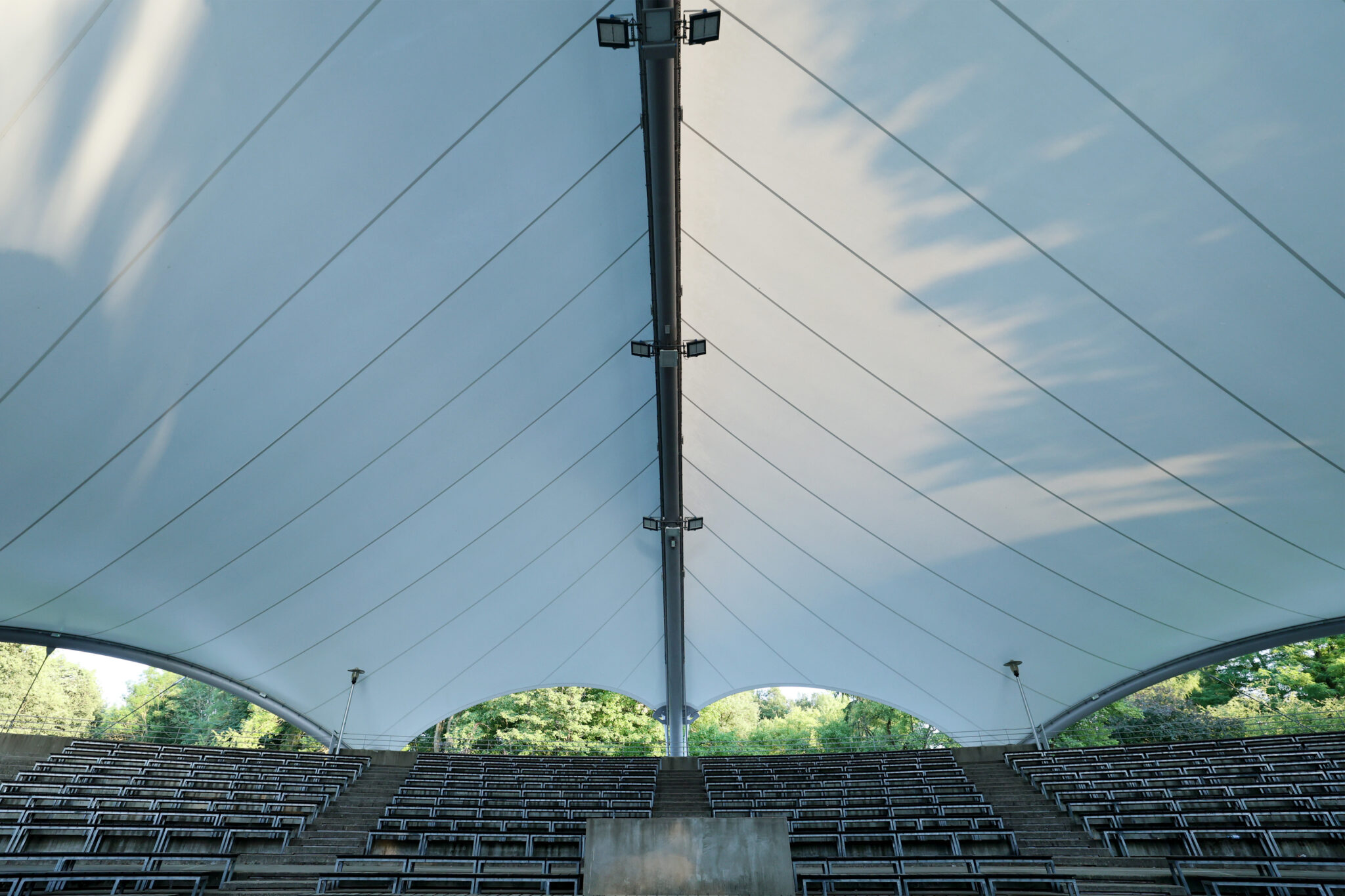
Membrane structures have a wide range of applications in various fields. They are commonly used for roofing stadiums and sports facilities, such as the Allianz Arena in Munich or the Millennium Dome in London. Membranes are also well-suited for trade fair halls, exhibition centers, and outdoor amphitheaters and stages. Additionally, they are increasingly being used as roofing for parking lots and other commercial spaces.


Technology of Membrane Production

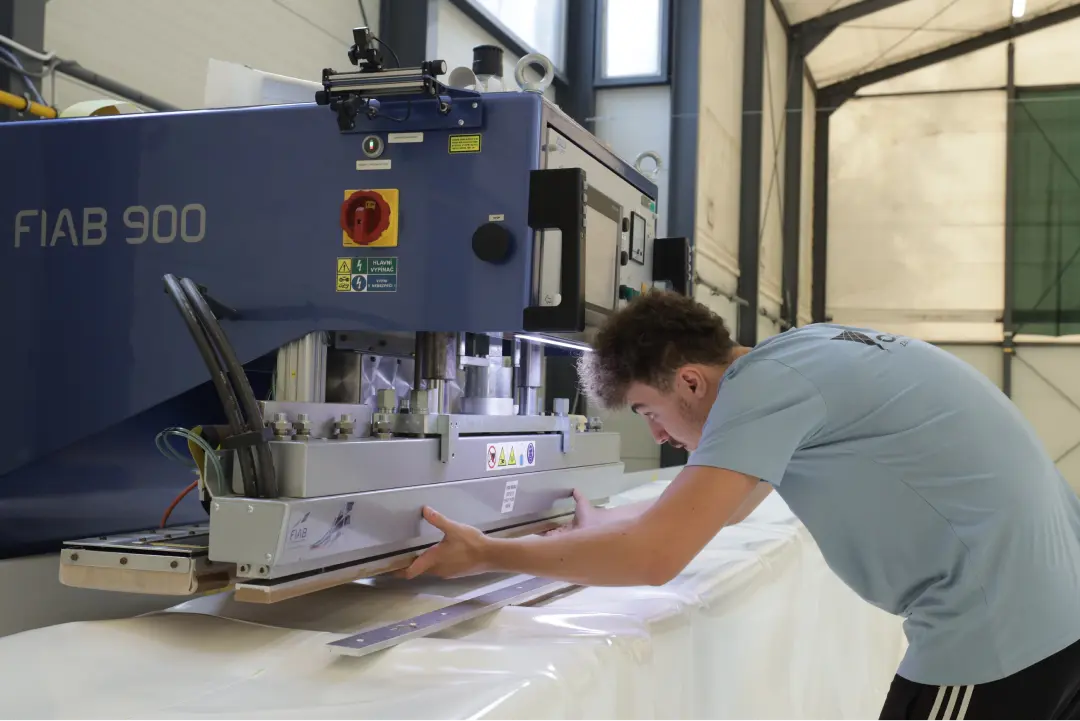
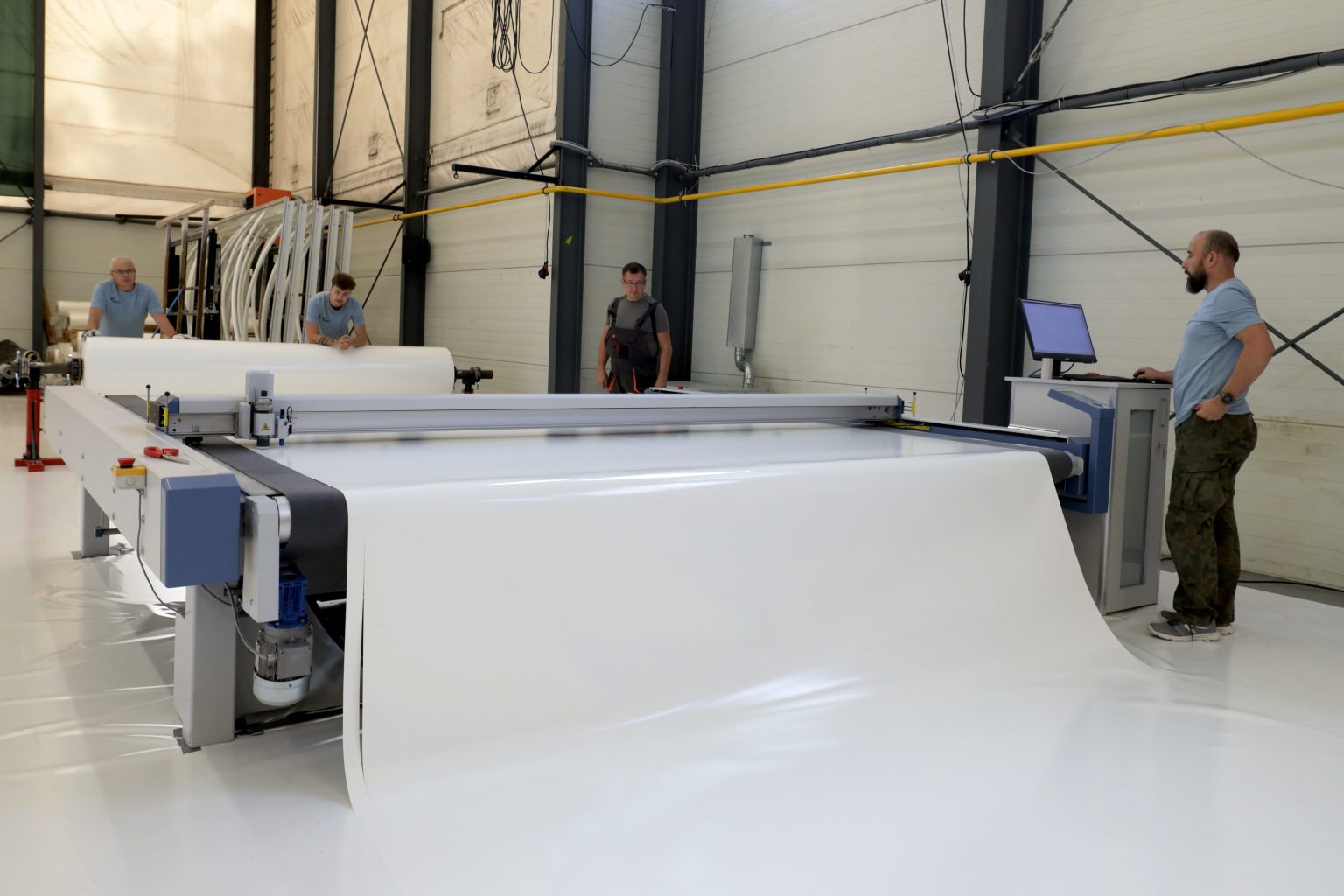
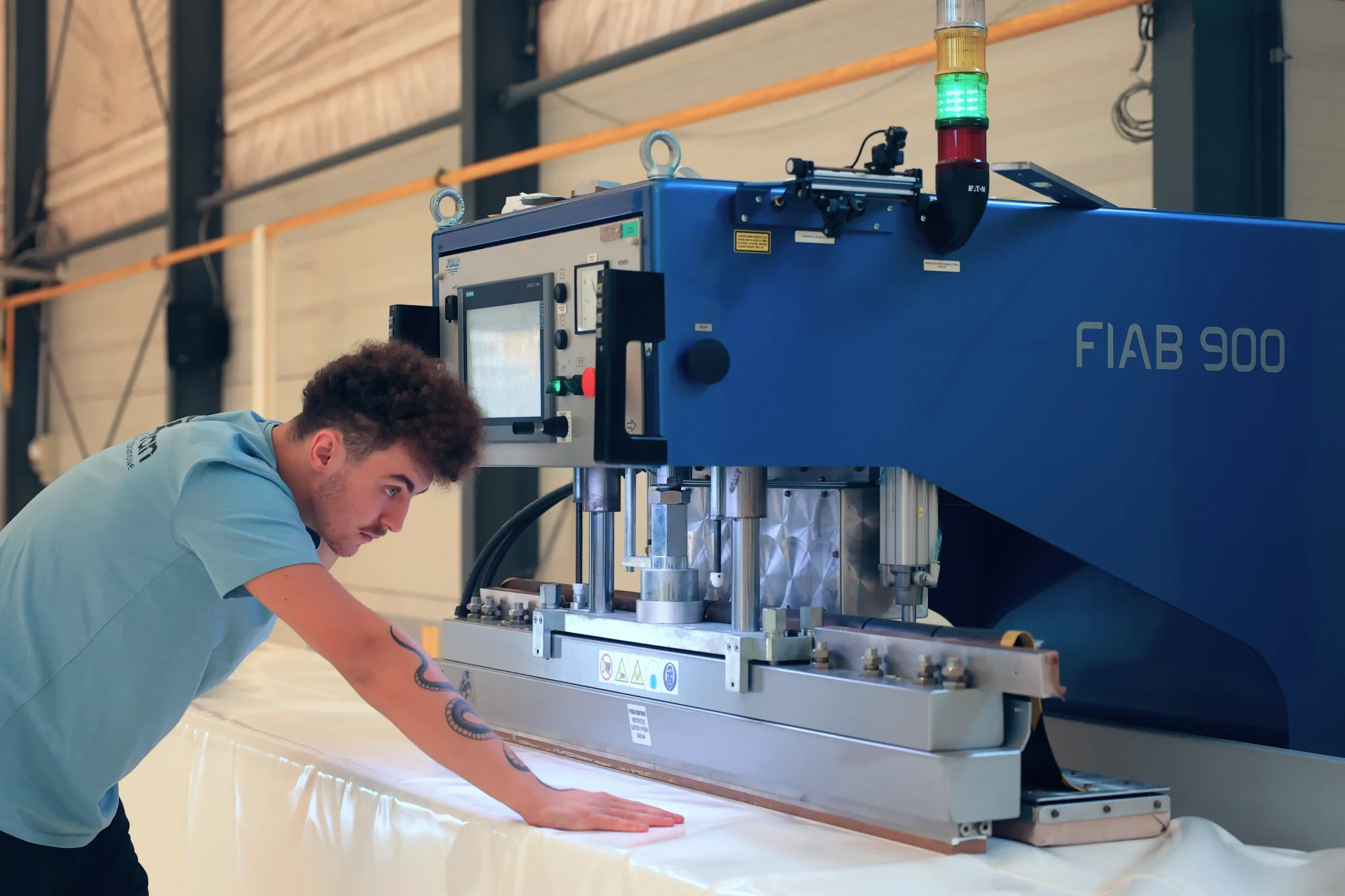
The production of membranes is an advanced technological process that includes selecting the appropriate materials, processing them, and assembling the structures. Modern production methods allow for creating membranes with different properties, tailored to the specific requirements of a given project. The installation of membrane structures requires precision and collaboration among a team of specialists, including architects, engineers, and craftsmen.


Types of Membrane Roofs

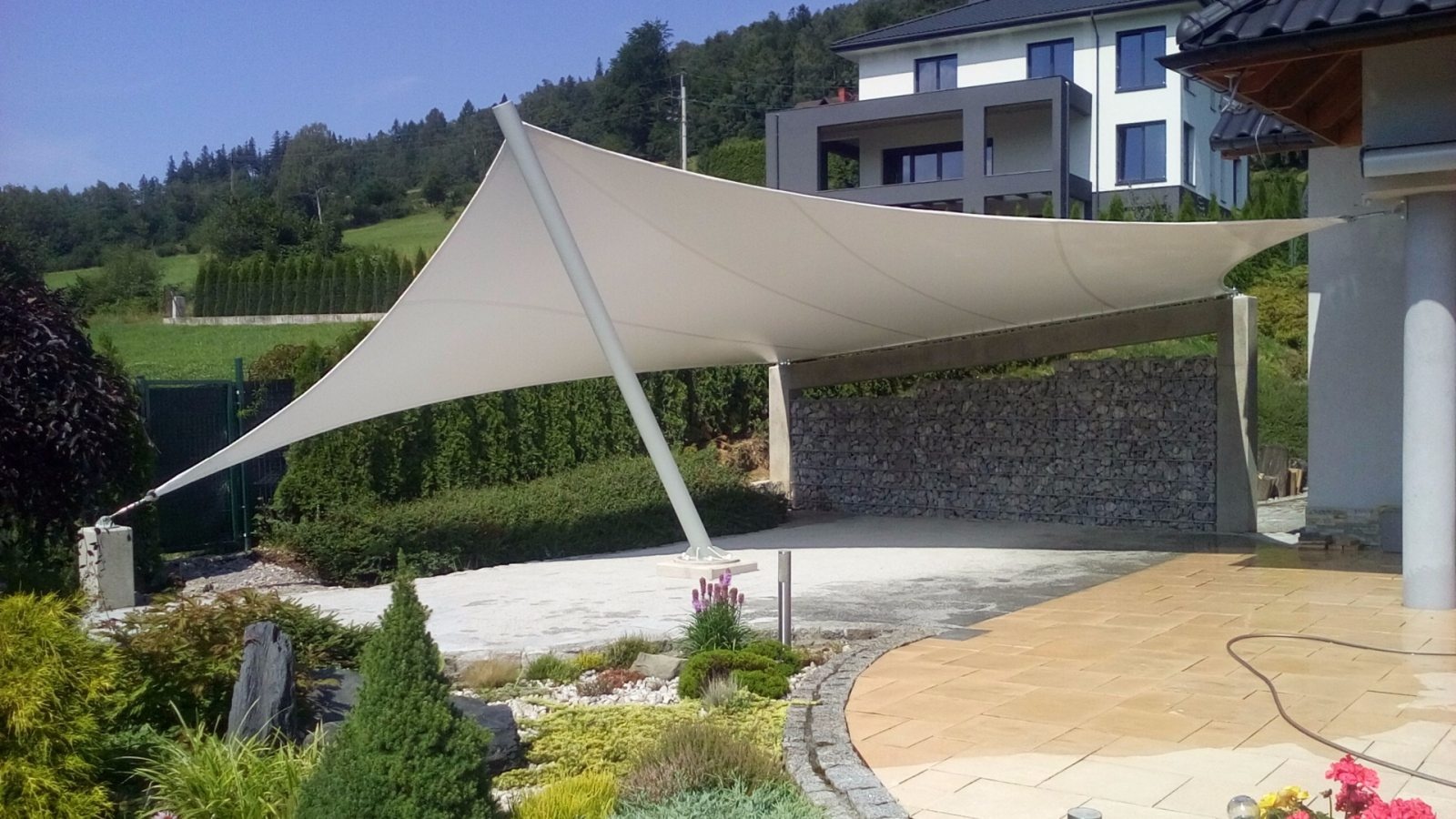
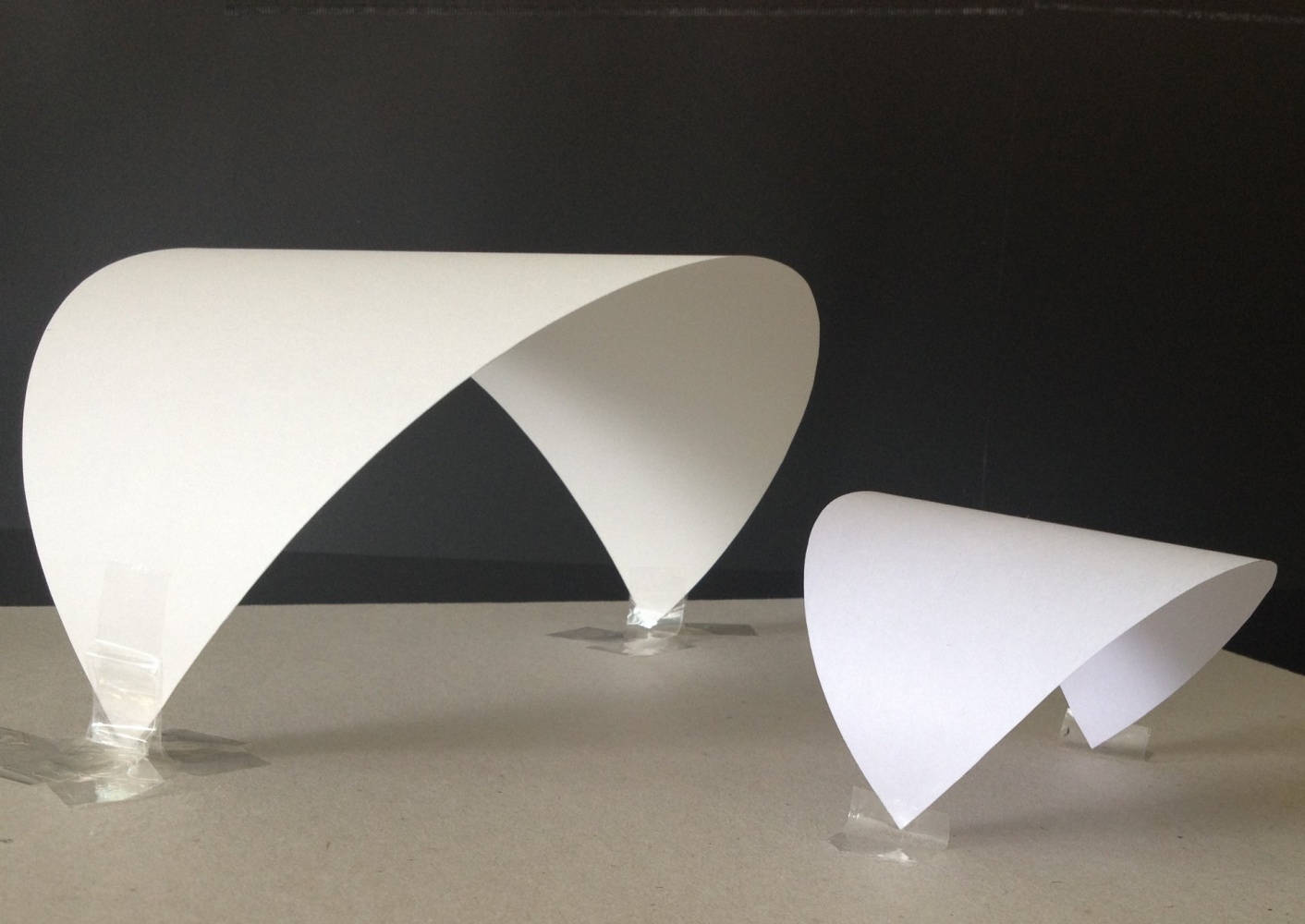
Membrane roofs can be divided into several types depending on their construction and purpose. The most popular are point-supported roofs, characterized by a simple but effective form. Another type is flat roofs, often used on large surfaces such as trade fair halls. The most technologically advanced are spatial roofs, which allow for the creation of complex architectural forms.


Examples of Famous Membrane Structures

Among the most well-known membrane structures worldwide are the Allianz Arena in Munich, one of the most recognizable stadiums in the world. Another example is the Millennium Dome in London, which has served as a center for entertainment and cultural events for years. The O2 Arena, one of the largest facilities of this type in Europe, is also worth mentioning.


Membrane Structures in Poland

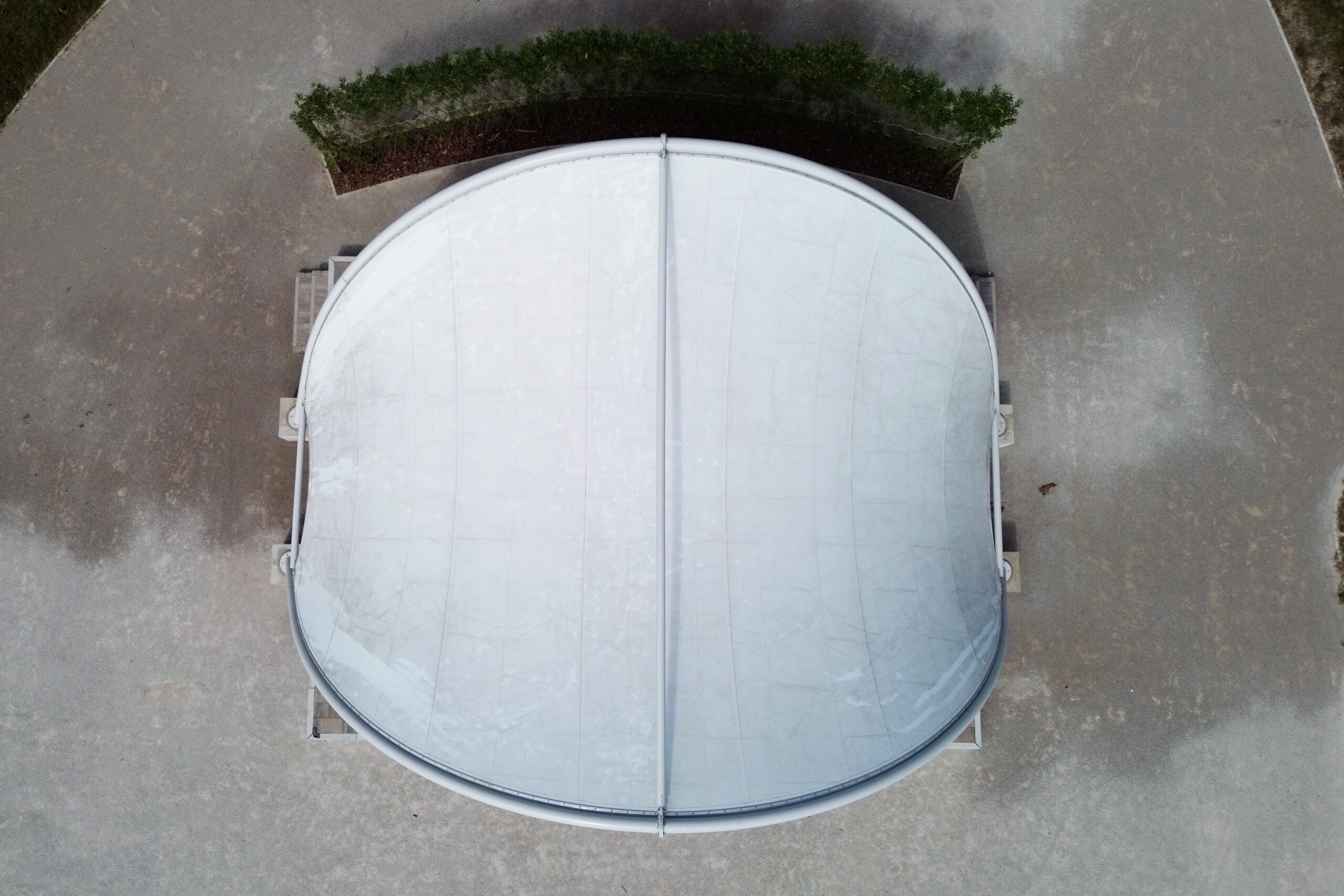
Membrane structures are becoming increasingly common in Poland as well. They are mainly used in sports facilities and public spaces. An example is the The Summer Theater in Kasprowicz Park, made by us, which has a membrane roof adapted to Polish climatic conditions.


Costs and Durability of Membrane Structures

The cost of building membrane structures depends on many factors, such as the size of the project, the type of materials used, and the complexity of the structure. However, despite the higher initial costs, membranes are durable and require minimal maintenance, which translates into lower operating costs.

Membranes have a long lifespan, which can reach up to 30-40 years with proper maintenance. It is also worth noting that in case of damage, membrane repairs are relatively simple and quick.


Ecology and Sustainable Development

Membrane structures are an eco-friendly solution. The materials used for membrane production are easy to recycle, minimizing environmental impact. Additionally, membranes are energy-efficient, contributing to the reduction of energy consumption in buildings covered by them.


Disadvantages and Challenges of Membrane Structures

Despite their numerous advantages, membrane structures also have their disadvantages. One of the main challenges is design limitations – membranes are not as versatile as other building materials, which may limit their use in some projects. Additionally, membranes are more susceptible to mechanical damage than materials like steel or concrete, requiring regular maintenance.


Comparison with Other Roofing Technologies

Membrane structures have many advantages compared to traditional roofing. Compared to concrete or metal roofs, membranes are much lighter, allowing for the creation of larger, more open spaces. They are also more flexible and eco-friendly, which is an added benefit.


The Planning and Construction Process of Membrane Structures

Planning and constructing a membrane structure is a complex process that requires the involvement of many specialists. From concept to design to assembly – each stage requires precise planning and collaboration with architects and engineers. A key element is also the selection of appropriate materials and assembly technology.


The Future of Membrane Structures

The future of membrane structures looks promising. The development of technology allows for the creation of increasingly advanced membranes that can be used in various fields. New materials, such as photovoltaic membranes, may significantly increase the functionality of these structures in the future.


Summary

Membrane structures represent modern and innovative solutions in architecture. Their lightness, flexibility, and eco-friendliness make them an ideal choice for many different projects. Although they have their drawbacks, their numerous advantages make them worth considering, especially in large, open spaces.