
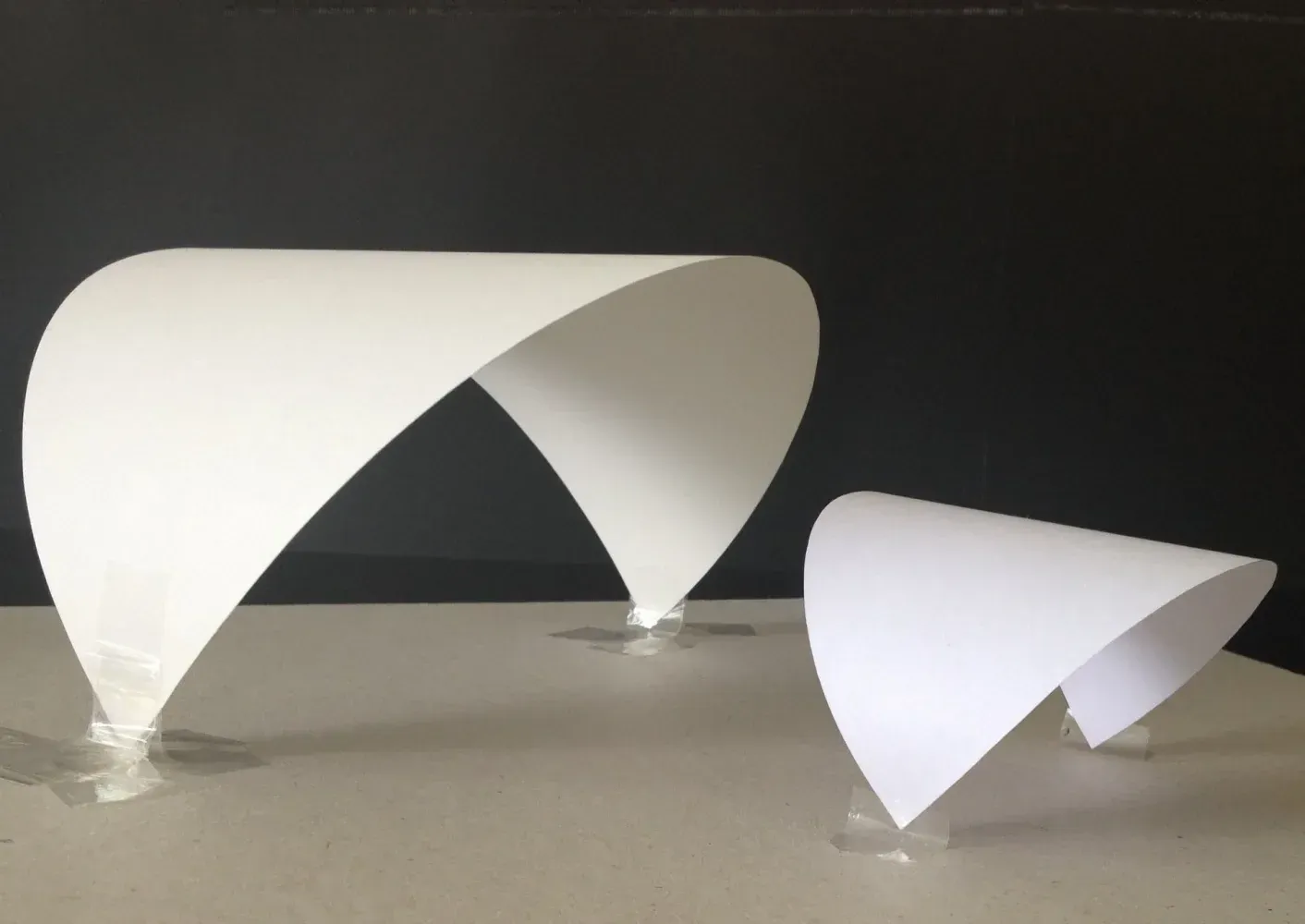
Tensile membrane structures are a defining feature of modern architecture. From stadium roofs and event marquees to futuristic public buildings, lightweight and flexible technical fabrics combine aesthetics with function in a way that no rigid material can match. Choosing the right fabric is critical — it drives the strength, the look and the lifetime of the finished structure. Here are the factors that matter when picking a material for a membrane project.
What to look for in a membrane material
Strength and durability
The first consideration is tensile strength and long-term durability. The material has to handle strong winds, snow loads and the other environmental stresses that come with architectural exposure. PTFE-coated fibreglass and ETFE foil are both known for exceptional mechanical resistance and very long service life.
Light transmission
Light transmission matters for any project where natural daylight is part of the brief. ETFE foil is the standard for high light transmission — up to 95% — which lets architects create membrane spaces filled with natural light while still protecting them from the weather.
UV resistance
Membrane materials have to withstand UV radiation. Without UV resistance, the material ages rapidly, with fading and embrittlement that destroy long-term performance. PVC-coated polyester and PTFE-coated fibreglass both offer high UV resistance, which translates directly into long-term durability.
Thermal performance
Thermal insulation matters for buildings used year-round. Membrane envelopes can offer real thermal performance, particularly when configured as multi-layer pneumatic cushions. Compliance with energy efficiency standards is increasingly important for sustainable architecture.
Main material categories
Several material families compete in the tensile membrane structures market. Each has its own strengths and characteristic applications.
Coated technical fabrics
Coated technical fabrics — typically polyester base with PVC coating, or fibreglass base with PTFE coating — are the most common materials for architectural membranes. They combine high strength and elasticity with the option of additional surface coatings for weather, fire or self-cleaning performance.
Plastic films
ETFE foil is the dominant film material in modern membrane architecture. Its light weight and high light transmission make it ideal for projects where aesthetics and daylight are critical — sports facility roofs, atria, conservatories.
Fibreglass-polyester composites
The combination of fibreglass and polyester gives composites mechanical strength and flexibility, which matters for projects that need long unsupported spans. They are a workhorse material for the fabrication industry.
What drives the material choice
Project type
Not every membrane suits every project. Roofing applications — tent halls, sports facility covers — need higher strength materials like PTFE or premium PVC. Decorative or shading applications can use lighter grades.
Climate
The climate where the structure will operate is decisive. In humid regions, materials with anti-mould additives like PVC are appropriate. In cold or high-snow zones, the structural performance of the fabric matters more. The right material is one that suits the actual environment, not the catalogue specification.
Aesthetic requirements
For projects that need to make a visual statement — stadiums, museums, iconic public buildings — the choice of material affects what shapes are possible and how the building reads visually. Different materials enable different design vocabularies.
Budget and availability
ETFE is the premium option and typically the most expensive per square metre, but its long service life often justifies the higher upfront cost. PVC is the more economical answer and is available in many variants. Match the material to the budget and to local availability.
The main material families
PVC-coated polyester
PVC architectural membrane is the most widely used material in textile architecture. It combines high water resistance, mechanical strength and reasonable cost — making it the default for most commercial projects.
PTFE-coated fibreglass
PTFE membrane material is known for exceptional durability and resistance to severe weather including UV. It can serve for several decades, which is why it appears in large prestige projects where lifecycle economics matter.
ETFE foil
ETFE foil is a relatively new but increasingly popular material. Its light weight and high translucency make it ideal for structures that need to transmit large amounts of natural light — orangeries, swimming pool covers, atria.
Durability and maintenance
Membrane durability depends on environmental conditions and on regular maintenance. PTFE and ETFE need very little routine attention, but periodic inspection and cleaning extend the service life of any membrane envelope significantly.
Cost of membrane materials
Cost depends on the material grade, the strength specification and local availability. ETFE typically costs more per square metre than PVC, but its long service life and low maintenance often justify the higher initial investment over the project lifecycle.
Designing the structure
Designing a membrane structure requires close collaboration between experienced architects and structural engineers who can balance technical and aesthetic considerations. The design has to fit the client’s brief and the local conditions of the site.
Where membrane structures are used
Membrane structures appear across modern architecture — stadium roofs, exhibition halls, decorative elements on commercial buildings, transit infrastructure, agricultural shelters and military facilities. The category has grown well beyond the niche applications of twenty years ago.
In summary
Choosing the right material for a membrane structure is critical to every project. Strength, weather resistance, aesthetics and budget all matter — and the right answer depends on the specific brief. Different materials suit different applications, and an experienced membrane fabricator can help you navigate the trade-offs.
Abastran is an experienced producer of architectural membrane structures, delivering durable solutions for stadiums, performance halls, industrial facilities and commercial spaces. We specialise in design, fabrication and installation across all common membrane materials. Get in touch and our team will help you specify the right material for your project.