
Logo UE
Logo Abastran

Tent Structures as a Solution for Outdoor Events: How to Choose the Right Structure?

Dodatkowe treści

Tent Structures as a Solution for Outdoor Events: How to Choose the Right Structure?

Organizing outdoor events such as festivals, fairs, weddings, or conferences comes with many challenges, including providing adequate shelter for guests. Tent structures are becoming an increasingly popular solution that combines functionality with aesthetics. In this post, we will discuss the advantages of tent structures and provide tips on how to choose the right one for your event.


Why Choose Tent Structures?

  1. Flexibility and Versatility
    • Tents can be customized to various sizes and shapes, making them ideal for different events. They can be easily set up in various locations, both on hard surfaces and grass.
  2. Quick Assembly and Disassembly
    • Tent structures are easy and quick to assemble and disassemble, saving time before and after the event. This allows organizers to focus on other aspects of planning.
  3. Aesthetics
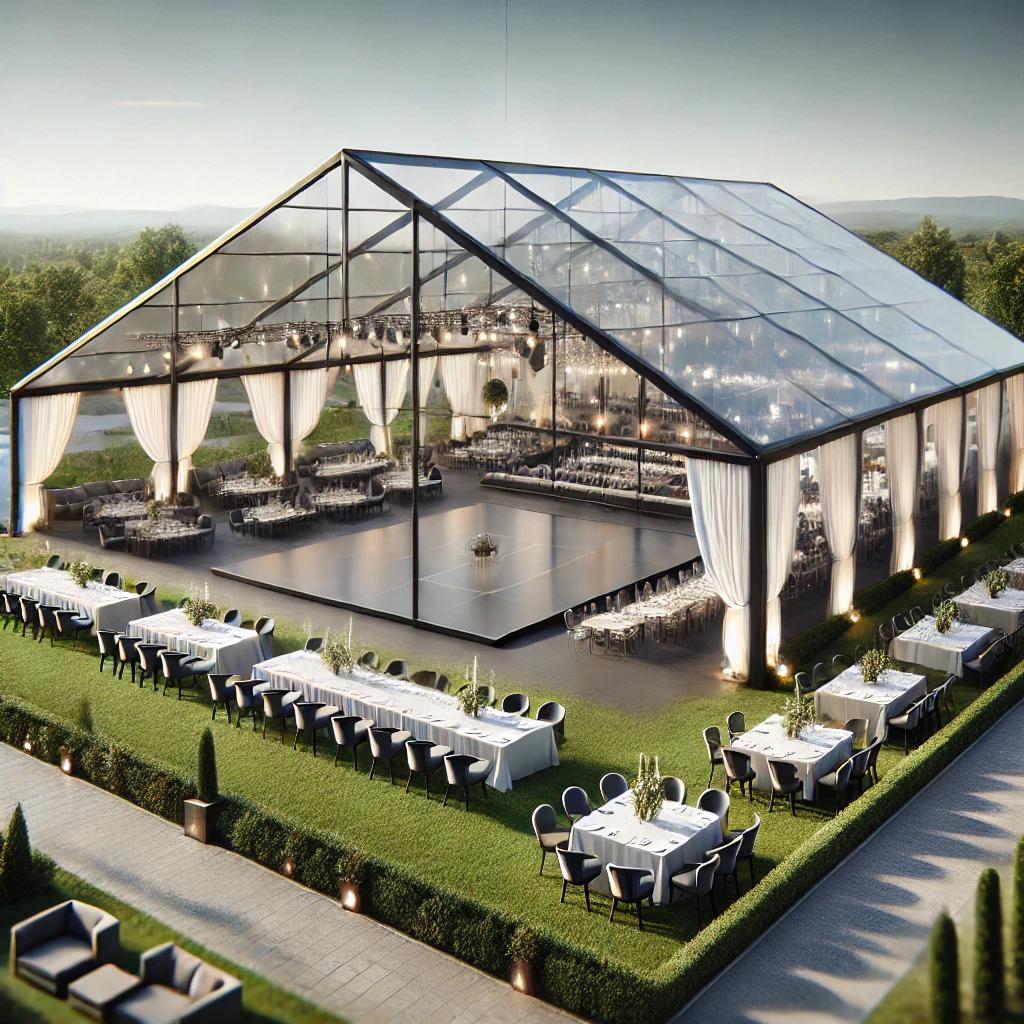
    • Modern tents come in various styles and colors, allowing them to match the character of the event. Additionally, transparent materials can create an open space effect with a view of the surroundings.
  4. Protection Against Weather Conditions
    • Tents protect against rain, sun, and wind, which is crucial for the comfort of event participants. This makes it possible to hold outdoor events regardless of the weather.
  5. Customization Options
    • Tent structures can be easily tailored to individual client needs. They can be equipped with additional elements such as lighting, heating, or air conditioning.


How to Choose the Right Tent Structure?

1. Define Event Needs

  • Type of Event: Are you organizing a wedding, a music festival, or a trade show? Each type of event may require a different approach.
  • Number of Participants: Consider how many people will attend the event. This will help determine the appropriate size of the tent.

2. Choose the Right Type of Tent

  • Banquet Tents: Ideal for weddings and elegant receptions.
  • Event Tents: Perfect for larger outdoor events.
  • Hall Tents: Suitable for large events requiring more space.

3. Consider Location

  • Terrain: Ensure that the chosen location is suitable for setting up a tent (e.g., hard ground vs. grass).
  • Availability of Utilities: Check if there are accessible sources of electricity and water nearby.

4. Consult Professionals

  • Choosing a Supplier: Contact a company specializing in tent rentals. Experienced professionals can help you select the right structure and handle its assembly.
  • Examples of Past Projects: Ask for references or examples of previous projects to assess the quality of services offered by the company.

5. Consider Additional Elements

  • Interior Furnishings: Think about furniture, decorations, and lighting.
  • Heating or Air Conditioning Systems: Depending on the season and weather conditions, these may be necessary for guest comfort.

Conclusion

Tent structures are an excellent solution for outdoor event organizers, offering flexibility, aesthetics, and protection against unpredictable weather conditions. When choosing the right structure, it is essential to consider event needs and consult with professionals in this field. By doing so, your event will be successful and unforgettable!
How to Prepare for Steel Structure Construction: A Checklist for Investors

Dodatkowe treści

How to Prepare for Steel Structure Construction: A Checklist for Investors

Building a steel structure is a complex process that requires careful planning and preparation. Proper preparation can significantly impact the success of the project, minimize the risk of delays, and enhance the efficiency of execution. Below is a checklist to help investors effectively prepare for steel structure construction.


1. Define Project Goals

  • Specify the purpose of the structure: Will it be an industrial hall, an office building, or a public facility?
  • Establish a budget: Defining available financial resources will aid in further planning.


2. Choose the Right Materials

  • Type of steel: Decide which type of steel will best meet the project requirements (e.g., carbon steel, stainless steel).
  • Additional materials: Consider using insulation or finishing materials that may affect the building’s energy efficiency.


3. Select a Contractor

  • Research the market: Look for reputable companies specializing in steel structure construction.
  • References and reviews: Check feedback from other clients and ask for references.
  • Verify experience: Ensure that the contractor has experience in executing similar projects.


4. Prepare Documentation

  • Construction project: Commission a detailed design from an architect or engineer.
  • Permits and approvals: Gather all necessary building permits and other documents required by local authorities.


5. Plan Logistics

  • Work schedule: Develop a detailed timeline for project execution.
  • Supply management: Plan for the delivery of construction materials and equipment to the site.


6. Prepare the Construction Site

  • Site assessment: Check ground conditions and availability of utilities (water, electricity).
  • Infrastructure preparation: Organize access to the construction site and parking spaces for workers and equipment.


7. Safety on the Construction Site

  • Health and safety plan: Develop safety procedures for workers.
  • Training for employees: Ensure all workers are properly trained in safety protocols.


8. Monitor Progress

  • Regular inspections: Schedule meetings with the contractor to monitor work progress.
  • Document changes: Record any changes in the project and their impact on the schedule and budget.


9. Final Inspections and Project Completion

  • Technical inspection: Conduct a technical inspection of the structure before it is put into use.
  • As-built documentation: Ensure that all documents related to project execution are properly archived.


Conclusion

Preparing for steel structure construction requires diligence and precision at every stage of the process. By utilizing this checklist, investors can better organize their activities, contributing to smoother project execution and achieving their goals. Remember, a well-planned project is key to success!

How to choose the right fabric for tent halls?

Dodatkowe treści

How to choose the right fabric for tent halls?

Choosing the right fabric for a tent hall is critical to ensure its durability, weather resistance, and overall performance. The fabric you select directly impacts the tent’s longevity, appearance, and ability to withstand various environmental conditions. With many types of tent fabric available, it’s essential to understand the unique characteristics of each and how they match your specific needs. In this guide, we’ll explore the different types of tent canopy materials, the factors to consider when choosing tent fabric, and the best materials for various applications, from weddings to industrial storage.


Types of Materials for Tent Hall Fabric


Polyester

Polyester is one of the most popular choices for tent hall fabric due to its excellent balance between durability and affordability. It is strong, lightweight, and offers good water resistance. Polyester is available in various weaves, such as oxford and ripstop, which enhance its tear-resistant fabric qualities. Additionally, it can be coated with substances like PVC coated polyester fabric to improve its performance in different weather conditions. Polyester is a durable tent fabric commonly used for both short-term and long-term applications.
Strength and durability: Polyester resists wear and tear, making it ideal for long-term use.
Water resistance: While polyester is inherently waterproof fabric, coatings can further improve its waterproofing.
Versatility: Available in different weaves and coatings, offering flexibility for different needs.
If you’re considering using polyester for the roofing of tent halls.


PVC Coated Polyester

PVC coated polyester takes the durability of polyester a step further by adding a layer of Polyvinyl Chloride (PVC), making the fabric more waterproof, UV resistant fabric, and fire retardant fabric. This material is perfect for tents used in challenging weather conditions or where fire safety is a concern.
Enhanced waterproofness: The PVC coating ensures that the fabric can withstand heavy rain and prevent water leakage.
UV resistance: Protects the tent from harmful UV rays, extending the lifespan of the fabric.
Fire retardancy: Many PVC coated polyester fabrics meet fire safety regulations, making them ideal for public events and industrial applications.
Weight of tent fabric: Although PVC coatings add weight, it enhances protection, making it a strong choice for long-term use.
This fabric is also ideal for military tent coverings.


Polyethylene

Polyethylene is a cost-effective, lightweight fabric commonly used for temporary or short-term tent hall materials. While it’s budget-friendly, it lacks the long-term durability of polyester and PVC-coated materials. Polyethylene is best suited for applications where the tent won’t face extreme conditions or prolonged exposure to sunlight, as its UV resistant fabric is relatively low.
Lightweight: Easy to transport and set up, making it a good choice for temporary shelters.
Cost-effective: Ideal for projects with tight budgets or short-term use.
Limitations: Lower durability and UV resistance compared to other fabrics, making it unsuitable for long-term or heavy-duty use.
If you’re setting up temporary roofs.


Canvas

Canvas is a traditional tent fabric known for its natural, breathable fabric properties. It provides excellent durability and weather resistance when properly treated. Canvas is often chosen for its aesthetic appeal, offering a classic, rustic look, making it a popular fabric for marquee tents and event setups. However, it’s heavier than synthetic fabrics like polyester or polyethylene, and it requires more maintenance, particularly in terms of water repellency treatments.
Breathability: Allows air circulation, making the tent more comfortable in hot conditions.
Durability: When treated, canvas can last for many years and resist harsh weather.
Weight: Canvas is significantly heavier than synthetic options, which can make transportation and setup more challenging.


Factors to Consider When Selecting Tent Hall Fabric


When choosing the right tent hall fabric, several factors should guide your decision:
Durability and strength: Ensure the fabric can withstand wear and tear, especially if the tent will be used frequently or exposed to harsh environments.
Weather resistance: Consider the weather conditions the tent will face. Fabrics like PVC coated polyester fabric offer superior protection against rain and UV rays, while polyethylene may suffice for temporary setups.
Fire retardancy: For safety reasons, especially in public spaces or industrial applications, opt for fabrics that meet fire safety standards.
Breathability: If the tent will be used in hot climates, a breathable material like canvas may be more comfortable for occupants.
Aesthetics and design: The visual appeal of the fabric is essential, especially for event tents or marquees used for weddings and corporate events. Materials like canvas or coated polyester can offer both functionality and an attractive appearance.


Best Materials for Specific Tent Hall Applications


Weddings and Events

For weddings and events, where aesthetics and functionality are equally important, PVC coated polyester is an excellent choice. It combines durability with a clean, polished appearance, and its waterproof fabric and UV resistant fabric properties make it ideal for outdoor events.
Recommended fabric: PVC coated polyester
Benefits: Elegant appearance, weatherproof, and fire retardant.


Industrial and Storage Applications

For industrial uses or large storage areas, durability and cost-efficiency are key factors. Heavy-duty PVC coated polyester or polyethylene works well in these environments, providing solid protection at a reasonable cost.
Recommended fabric: Polyethylene or heavy-duty PVC coated polyester
Benefits: Strong, affordable, and suitable for large-scale industrial use.


Temporary Shelters

For temporary shelters or short-term structures, a lightweight fabric like polyethylene is ideal. It is easy to set up and transport, making it perfect for temporary events or emergency shelters.
Recommended fabric: Polyethylene
Benefits: Lightweight, cost-effective, and quick to assemble.


Summary

Selecting the right tent hall fabric depends on your specific needs, including the intended use, weather conditions, and budget. Polyester and PVC coated polyester fabric offer excellent durability and weather resistance, making them suitable for long-term installations or events requiring robust performance. Polyethylene, on the other hand, is a lightweight and cost-effective option for temporary shelters. Canvas, while heavier and requiring more maintenance, brings a classic look and excellent breathability to the table. Before making a decision, evaluate the fabric’s durability, weather resistance, fire safety, and aesthetic appeal to ensure it aligns with your project’s requirements. By choosing the right fabric, you’ll ensure that your tent hall stands the test of time and meets all functional and safety needs.

If you’re considering installing a tent hall or temporary shelter, contact us for expert advice and high-quality materials.

How to Use Flexible Tanks in Agriculture

Dodatkowe treści

How to Use Flexible Tanks in Agriculture

Flexible tanks are a modern solution for storing water and liquids in agriculture. As farmers face increasing challenges with water management and liquid storage—whether for irrigation, fertilizers, or livestock—flexible tanks for agriculture have become a popular and effective solution. These tanks offer versatile and reliable storage options for various liquids, providing much-needed support in modern farming.


What Are Flexible Tanks?

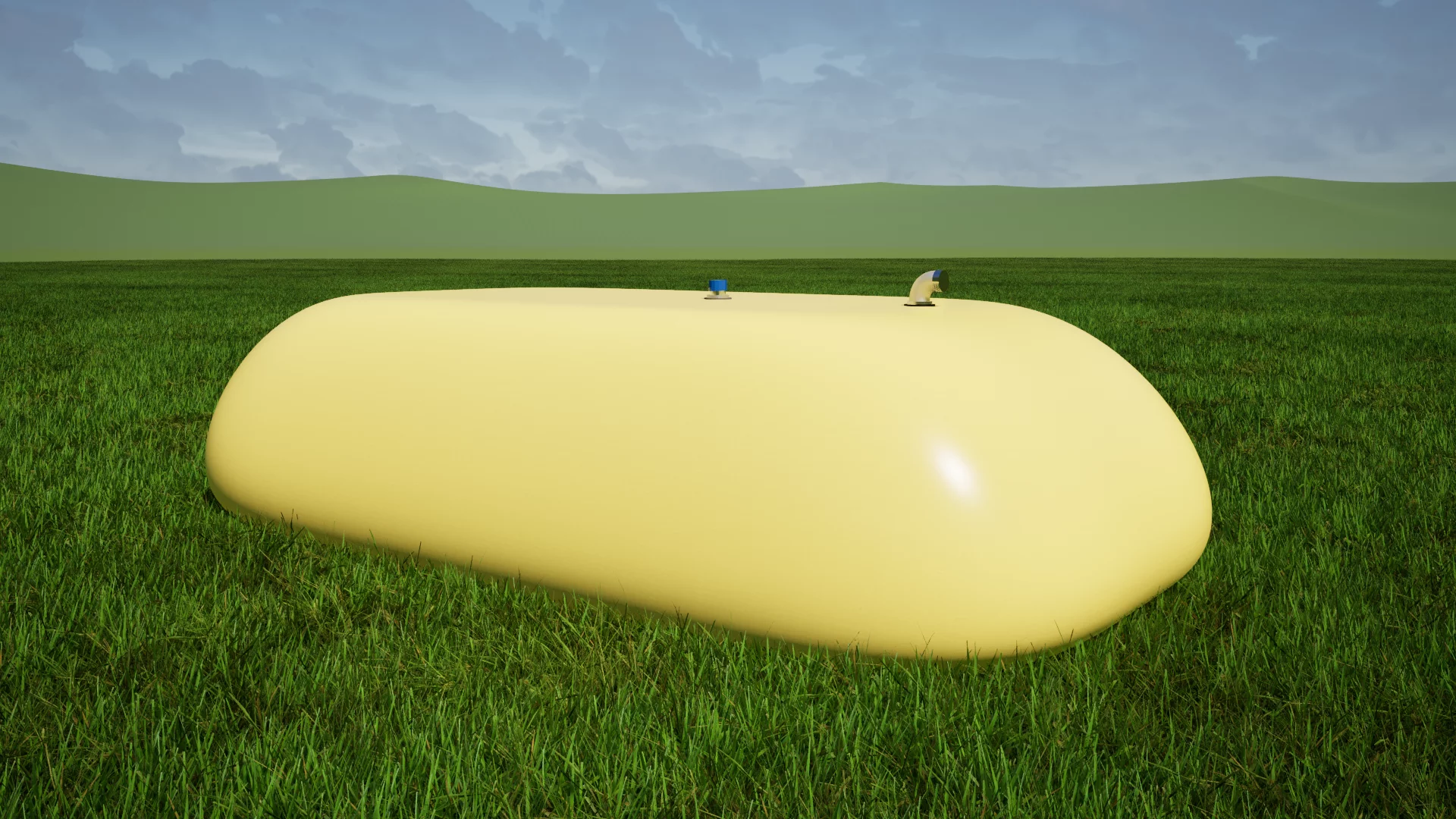
Flexible tanks, also known as pillow tanks, are collapsible containers made from durable, flexible materials like PVC (Polyvinyl Chloride) or Polyurethane. They are designed to store large quantities of liquids, such as water, liquid fertilizers, and slurry, in an efficient and safe way. Unlike traditional tanks, flexible tanks can be easily transported, set up, and relocated, making them ideal for agricultural environments where space and mobility are key considerations.

There are several types of flexible tanks available for different agricultural purposes, including flexible water tanks for farming, slurry storage tanks, and rainwater harvesting tanks for agriculture. These tanks are often used for temporary or permanent storage, depending on the specific needs of the farm.


Applications of Flexible Tanks in Agriculture

Flexible tanks can serve a variety of purposes on the farm, making them a valuable tool for efficient liquid storage.


Liquid Fertilizer and Slurry Storage

Farmers use flexible tanks for liquid fertilizer storage due to their ability to safely contain large volumes of fertilizer. These tanks prevent contamination and spillage, ensuring that fertilizers are applied efficiently and with minimal environmental impact. Additionally, slurry storage tanks help manage animal waste by providing a safe and contained storage solution until the slurry can be processed or applied to fields.


Water Storage for Irrigation

Water is a critical resource in agriculture, and flexible tanks provide an effective solution for farm water storage. These irrigation tanks can store water collected from rain or other sources, which can be used to irrigate crops during dry seasons. Rainwater harvesting tanks for agriculture are particularly useful in areas with limited water resources, allowing farmers to capture and store water for later use.


Livestock Watering

In addition to crop irrigation, flexible tanks are commonly used for storing water for livestock. Livestock watering tanks provide a portable and flexible solution, ensuring that animals always have access to fresh water, especially in remote areas of the farm where traditional water sources might not be available.


Benefits of Using Flexible Tanks in Agriculture

Using flexible tanks for agriculture offers several key benefits that make them an attractive option for farmers.

  • Minimizing Environmental Impact: Flexible tanks reduce the risk of leaks and spills, helping to prevent soil and water contamination. This is especially important when storing potentially harmful substances like liquid fertilizers or slurry. The tanks provide a secure and sealed environment, ensuring that liquids are stored safely.
  • Portability and Flexibility: One of the standout features of flexible tanks is their portability. These tanks can be easily moved and relocated across different areas of the farm as needed. Whether for temporary storage or when switching fields during crop rotations, their flexible nature makes them highly adaptable to changing farming needs.
  • Low Maintenance: Flexible tanks require minimal maintenance compared to rigid tanks. Their construction from durable materials like PVC or Polyurethane ensures they can withstand harsh weather conditions without corroding or cracking. This reduces the need for constant repairs or upkeep.
  • Cost Savings: While the initial investment in flexible tanks may be higher than some traditional storage solutions, they offer long-term cost savings. Their durability means fewer replacements or repairs, and their ability to be easily relocated reduces the need for multiple tanks across the farm.

Flexible tanks can be used for a variety of agricultural needs, from water storage solutions to liquid fertilizer storage. They provide a practical, eco-friendly, and efficient solution for farmers looking to optimize liquid storage on their farms.


Conclusion

Flexible tanks for agriculture are a versatile and cost-effective solution for storing water, liquid fertilizers, and slurry on farms. Their flexibility, ease of use, and environmental benefits make them an ideal choice for modern farming operations. By using flexible tanks, farmers can better manage their water resources, store liquid fertilizers safely, and ensure their livestock has access to clean water, all while minimizing their environmental footprint.

If you’re considering upgrading your farm’s water or liquid storage systems, flexible tanks might be the solution you need. Explore the various options available and see how these tanks can improve efficiency and sustainability on your farm.

What is a PVC membrane?

Dodatkowe treści

What is a PVC membrane?


PVC membrane is a material widely used in construction, mainly due to its physical properties and durability. A synthetic roofing membrane, it is utilized for various purposes, including as a key component in roof coverings, waterproofing terraces, and protecting surfaces from weather elements. Over the years, this material has gained popularity among investors, contractors, and roofers, becoming one of the most important components in modern construction systems.


What is a PVC membrane?

PVC membrane is a thin, flexible material made from polyvinyl chloride (PVC), characterized by excellent durability and resistance to external factors. Polyvinyl chloride is a synthetic plastic known for its durability and resistance to moisture, UV radiation, and chemicals. Due to its properties, the PVC roofing membrane is used in construction as a material that protects against moisture and provides long-lasting protection for roofs, terraces, and balconies.

PVC membranes come in various thicknesses and can be adapted to the specific needs of a project. Due to their flexibility and durability, these membranes can easily conform to different surface shapes, making them a versatile solution in construction and engineering.


Applications of PVC membranes

PVC membrane is used in many areas of construction and industry. It is most commonly used to protect flat and sloped roofs, where it serves as a roofing material, shielding against water and other weather conditions. Additionally, these membranes are used to protect terraces and balconies, where they act as a moisture barrier.

Other popular applications of PVC membranes include:

  • Moisture protection in building structures,
  • Water drainage from roof surfaces,
  • Roofing systems in industrial halls and warehouses.

PVC membranes are also used in specialized projects, such as tent hall coverings, terrace waterproofing, or balcony waterproofing, where durability and resistance to changing weather conditions are crucial.


Properties of PVC membranes

PVC membrane has several features that make it an ideal solution for construction and other industries requiring durable, flexible, and resistant material.

  1. Weather resistance: PVC roofing membranes are exceptionally resistant to rain, snow, UV radiation, and extreme temperatures. These properties enable them to effectively protect building structures for many years.
  2. Flexibility and ease of installation: It is an easy-to-install material, even on irregularly shaped surfaces. Its ability to be easily shaped and adapted to various surfaces makes it popular in many applications.
  3. Resistance to mechanical damage: PVC membrane shows high resistance to mechanical damage, such as punctures, tears, or impacts, making it ideal for use in areas where exposure to such factors is high.
  4. Durability and membrane longevity: Due to its properties, PVC membranes have a long lifespan. They can last for decades, providing effective protection for structures.


Types and thicknesses of PVC membranes

PVC membranes are available in various thicknesses, allowing them to be adapted to specific project requirements. The thickness of the membrane can range from 1.2 mm to 2.5 mm, depending on the application and the conditions in which it will be used. Thicker membranes offer greater durability and better protection, especially in more demanding conditions, such as roofs exposed to heavy rainfall or intense sunlight.

The types of PVC membranes also differ in installation methods and membrane welding techniques, which enable durable, watertight connections between individual sheets.


Summary

PVC membrane is an extremely versatile and durable material that has found wide application in construction. Thanks to its properties, such as resistance to mechanical damage, flexibility, and longevity, it is an ideal solution for protecting roofs, terraces, and balconies from moisture and other weather conditions. If you’re looking for a durable and reliable material, PVC membrane will be an excellent choice.

Want to learn more about PVC welding or looking for specialists to install the membrane? Contact the experts at ZgrzejTo.pl and discover how we can help you realize your project.

PVC vs. PTFE Welding: Which Technology is Better for Your Project?

Dodatkowe treści

PVC vs. PTFE Welding: Which Technology is Better for Your Project?

Welding plastics is a key technology in various industrial sectors. Choosing the right welding method significantly impacts the durability and efficiency of the final products. The two most commonly used materials in welding processes are PVC (polyvinyl chloride) and PTFE (polytetrafluoroethylene). Each material has specific properties that may perform better or worse depending on the project. This article provides a detailed comparison of PVC and PTFE welding, discussing their applications, advantages, disadvantages, and when to choose each technology.


What is PVC Welding?

PVC welding is the process of joining polyvinyl chloride using heat and pressure. PVC is a popular material in the industry due to its durability and chemical resistance. Common welding technologies for PVC include high-frequency (HF) welding, impulse welding, and hot plate welding. These methods achieve durable and airtight connections.

Applications: PVC is used in industries such as film production, packaging, furniture, and sealing in construction. It is also utilized in the chemical industry due to its high resistance to various substances.


Advantages of PVC Welding

  • Chemical Resistance: PVC is highly resistant to acids, bases, and salts, making it ideal for chemical industry applications.
  • Ease of Molding: The material is relatively easy to shape and mold, allowing for quick and efficient welding processes.
  • Durability: Welded PVC provides long-lasting and strong connections that retain their mechanical properties even under harsh conditions.
  • Cost-Effectiveness: PVC is a cheaper material compared to other plastics, positively impacting overall production costs.


Disadvantages of PVC Welding

  • Welding Temperature: The PVC welding process requires precise temperature control. Excessively high temperatures can degrade the material, reducing weld quality.
  • UV Sensitivity: PVC is not resistant to prolonged exposure to sunlight, which can lead to yellowing and brittleness.
  • Limited Flexibility: Welded PVC may be less flexible compared to other materials, which can be problematic in certain applications.


What is PTFE Welding?

PTFE welding involves joining polytetrafluoroethylene using heat and pressure. PTFE is known for its chemical resistance and high melting point, making it an ideal choice for many specialized applications. However, due to its properties, PTFE welding is technically more demanding compared to PVC.

Applications: PTFE is commonly used in the aerospace, medical, chemical, and energy industries, especially where high resistance to temperature and chemical exposure is required.


Advantages of PTFE Welding

  • High Chemical Resistance: PTFE is nearly completely resistant to most chemicals, making it ideal for chemical industry applications.
  • High-Temperature Resistance: PTFE is one of the most heat-resistant materials, making it suitable for applications with extreme temperature requirements.
  • Low Adhesion: This material has very low adhesion properties, making it easy to clean and applicable in processes that require minimal friction.

Disadvantages of PTFE Welding

  • Complexity: PTFE welding requires specialized knowledge and precise process control, which can significantly increase production costs.
  • High Material Cost: Compared to PVC, PTFE is considerably more expensive, affecting the overall project cost.
  • Limited Molding Capabilities: PTFE is more challenging to mold compared to other plastics, which may limit its applications in more complex projects.


Comparison of Technologies

When comparing PVC and PTFE welding, both materials have their applications in various industrial projects. PVC welding is significantly simpler and cheaper, making it a better choice for projects that require quick and cost-effective solutions. PVC performs excellently in the packaging industry and in producing materials with moderate chemical requirements.

On the other hand, PTFE welding should be considered for projects requiring resistance to extreme temperatures and aggressive chemicals. While PTFE welding is more complex and costly, its physicochemical properties often outweigh those offered by PVC.


Summary

Choosing between PVC and PTFE welding depends on the specifics of the project. If the project requires a material with high strength, chemical, and thermal resistance, PTFE welding will be the best solution. However, if cost, ease of production, and material availability are crucial, PVC welding will be a more economical option.

If you have doubts, it’s worth consulting an expert who can help you select the appropriate welding technology for your project’s specific requirements.


Contact Us!

If you are wondering which welding technology—PVC or PTFE—will be best for your project, don’t hesitate to contact the experts at Abastran. We specialize in PVC welding and offer comprehensive advice and services tailored to your needs. Click here to learn more and schedule a consultation. Let us help you realize your project with the highest precision and quality!

Roofing for Tent Halls with PVC Tarpaulins

Dodatkowe treści

Roofing for Tent Halls with PVC Tarpaulins: Durability, Functionality, and High Quality


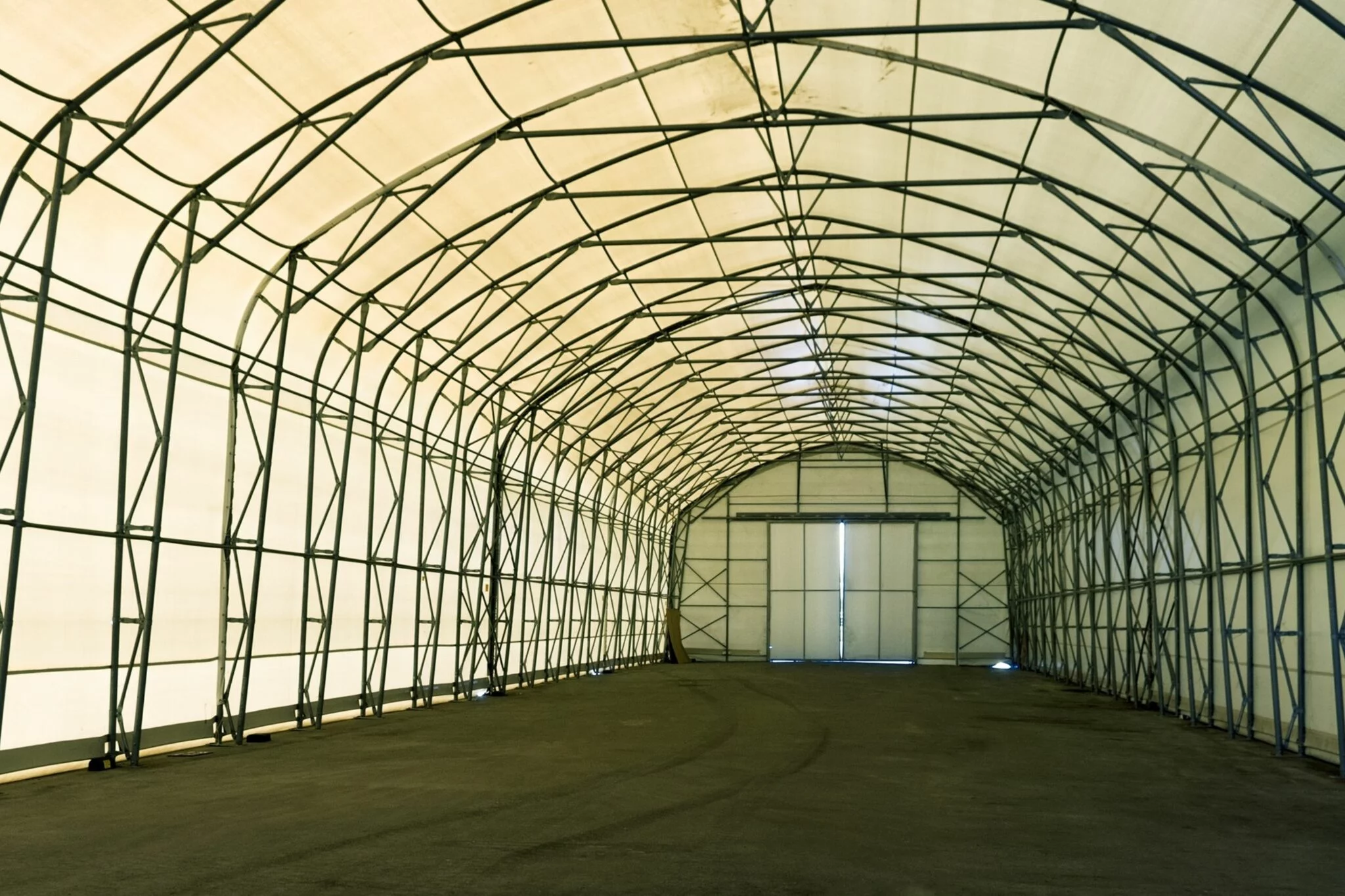
Tent halls are popular in various industries because they are versatile and flexible. They can be used for warehouses, storage, and events. The material used for these tents is important, and one of the most common choices is PVC tarpaulin. Let’s explore why this material is so popular!


Types of Tent Hall Coverings

There are several types of coverings available on the market for all-season tent halls, with PVC tarpaulin being the most popular. PVC (polyvinyl chloride) is a material with excellent mechanical and chemical properties, widely used across various industries. In addition to PVC, coverings can also be made from other materials such as PE (polyethylene) or polyester, but PVC is the most favored due to its numerous advantages.


Advantages of PVC Tarpaulin Coverings


Durability and Weather Resistance

Tent hall coverings made of PVC are characterized by remarkable durability. They are resistant to wind, rain, snow, and other weather conditions. This material can withstand extreme temperatures, both low and high, making it an ideal solution for roofing storage and production surfaces.


UV Resistance

PVC tarpaulins are UV-resistant, meaning they do not fade or lose their properties under the influence of sunlight. Thanks to this, PVC coverings can serve for many years, maintaining their aesthetic appearance and full functionality.


Ease of Installation and Disassembly

Tent halls, especially those intended for temporary use, require quick and efficient assembly and disassembly. PVC tarpaulins are relatively lightweight and flexible, making them easy to handle and install on the hall’s structure.


Applications of PVC Coverings in Tent Halls

Warehousing

In roofing of tent halls designed for storage, PVC tarpaulin coverings protect stored goods from external factors. Due to their properties, these coverings ensure that products are protected from moisture, dust, and sunlight.


Industry

In the industrial sector, tent halls with membrane coverings often serve as production or storage spaces. PVC coverings can withstand harsh conditions, including high temperatures and chemicals, making them an ideal solution for industry. Warehouse halls and production tents are therefore gaining more interest among large companies.


Events and Special Occasions

Tent halls with PVC coverings are also widely used during events and special occasions. This material not only protects against unfavorable weather conditions but also allows for an aesthetically pleasing finish to the event space.


Technologies for Producing PVC Tarpaulin Coverings


Tarpaulin Welding Methods

One of the key technologies in the production of PVC coverings is tarpaulin welding. This process involves joining pieces of material using high temperatures, ensuring strong and tight connections that are resistant to stretching and mechanical damage.


Reinforcement Techniques

To increase the durability of coverings, PVC tarpaulins can be additionally reinforced, e.g., by applying special protective layers or reinforcements on the edges and areas exposed to the highest loads.


Factors Affecting the Price of PVC Tarpaulin Coverings

The price of PVC coverings can vary significantly depending on several factors. The thickness of the material is one of the main aspects – the thicker the covering, the higher the price, but also the greater the durability. The level of resistance to various factors also matters, especially in industrial halls exposed to chemicals. Additional reinforcements and protections can also increase the price but ensure the covering’s longer lifespan.


Comparison of PVC Tarpaulin Coverings to Other Materials


PVC vs PE (Polyethylene)

While polyethylene (PE) is a cheaper material, it does not offer the same durability and weather resistance as PVC. PE coverings are more prone to damage and wear out faster.


PVC vs Polyester

Polyester is a material with good durability, but it does not compare to PVC in terms of resistance to chemical factors and UV radiation. PVC remains the number one choice for tent halls.


Longevity and Maintenance of PVC Tarpaulin Coverings


Regular Maintenance and Cleaning

To ensure that PVC coverings last for many years, regular cleaning and maintenance are necessary. Removing dirt and checking the technical condition of the covering will help extend its lifespan.


Repairing Damages

In case of mechanical damages, such as abrasions or holes, PVC coverings can be easily repaired with special repair kits, allowing for the quick restoration of full functionality.


How to Choose the Right Covering for a Tent Hall?

Choosing the right covering for a tent hall depends on many factors, such as the purpose of the hall, location, and the weather conditions in which it will be used. It is worth consulting with the manufacturer, who will advise on the best solution tailored to individual needs.


The Future of Industrial Tent Coverings

In the future, we can expect further development of PVC covering production technologies, which will allow for even greater durability and functionality of these materials. At the same time, there is growing interest in eco-friendly alternatives that may eventually replace traditional PVC.


Why Invest in PVC Tarpaulin Coverings?

Investing in PVC tarpaulin coverings is a decision that will bring benefits for years. Thanks to their durability, weather resistance, and ease of installation, these coverings are an ideal solution for all kinds of tent halls. By choosing PVC coverings, we ensure that our hall will effectively protect the goods stored in it or provide comfortable conditions during events and gatherings. Therefore, it is worth choosing a company with extensive experience in producing tent coverings, ideally a tent hall manufacturer who will take care of both the production of the structure and the covering, as well as the design and installation of various types of tents and halls tailored to the client’s needs.

Modern Terrace Roofing: Innovative Solutions for Your Patio and Garden

Dodatkowe treści

Modern Terrace Roofing: Innovative Solutions for Your Patio and Garden


In today’s world, more and more people are opting for roofing solutions for their patios and gardens. Why? Because these structures not only protect us from adverse weather conditions but also add charm and functionality to outdoor spaces. In this article, we will discuss various types of roofing, including those made from durable PVC membranes, and explore options like fixed roof terrace covers, side panels, and covered terrace designs.


Temporary Terrace Roofs

Temporary roofs are an excellent solution for short-term needs. You can use them during outdoor events such as barbecues, weddings, or picnics. Easy to install and dismantle, they are the perfect choice for various occasions. Additionally, they are great for modern patio roofing, pergolas, and shading playgrounds.


Characteristics of Temporary Terrace Roofs

Construction workers usually use lightweight materials such as aluminum or PVC to build temporary terrace roofs. This makes them simple to transport and assemble. They also come in different sizes and shapes, which allows for tailoring to specific needs.


Applications in Various Situations

These roofing options are ideal for events. They can be quickly taken down to offer protection from rain or sun during construction or renovation.


Benefits and Drawbacks of Temporary Terrace Roofs

The advantages of temporary terrace roofs include ease of installation, mobility, and low cost. However, their downside is lower durability compared to permanent roofing and the need for regular dismantling.


Terrace Roofing Made from Durable PVC Membranes

PVC membranes are extremely durable and flexible high-quality materials increasingly used in roofing solutions for patios and gardens.


What Are PVC Membranes?

High-quality PVC membranes are strong films made from polyvinyl chloride, resistant to weather, UV rays, and physical damage. They are lightweight, flexible, and easy to install, making them an ideal choice for a variety of roofing solutions.


Advantages of PVC Membranes in Terrace Roofing

Roofs made from PVC membranes offer numerous benefits, including excellent protection from rain, wind, and sun. They are also easy to clean and maintain, and their durability makes them a long-term investment. Whether you need a roof terrace covering or a side panel, PVC membranes provide a versatile solution.


Examples of Applications of PVC Membranes

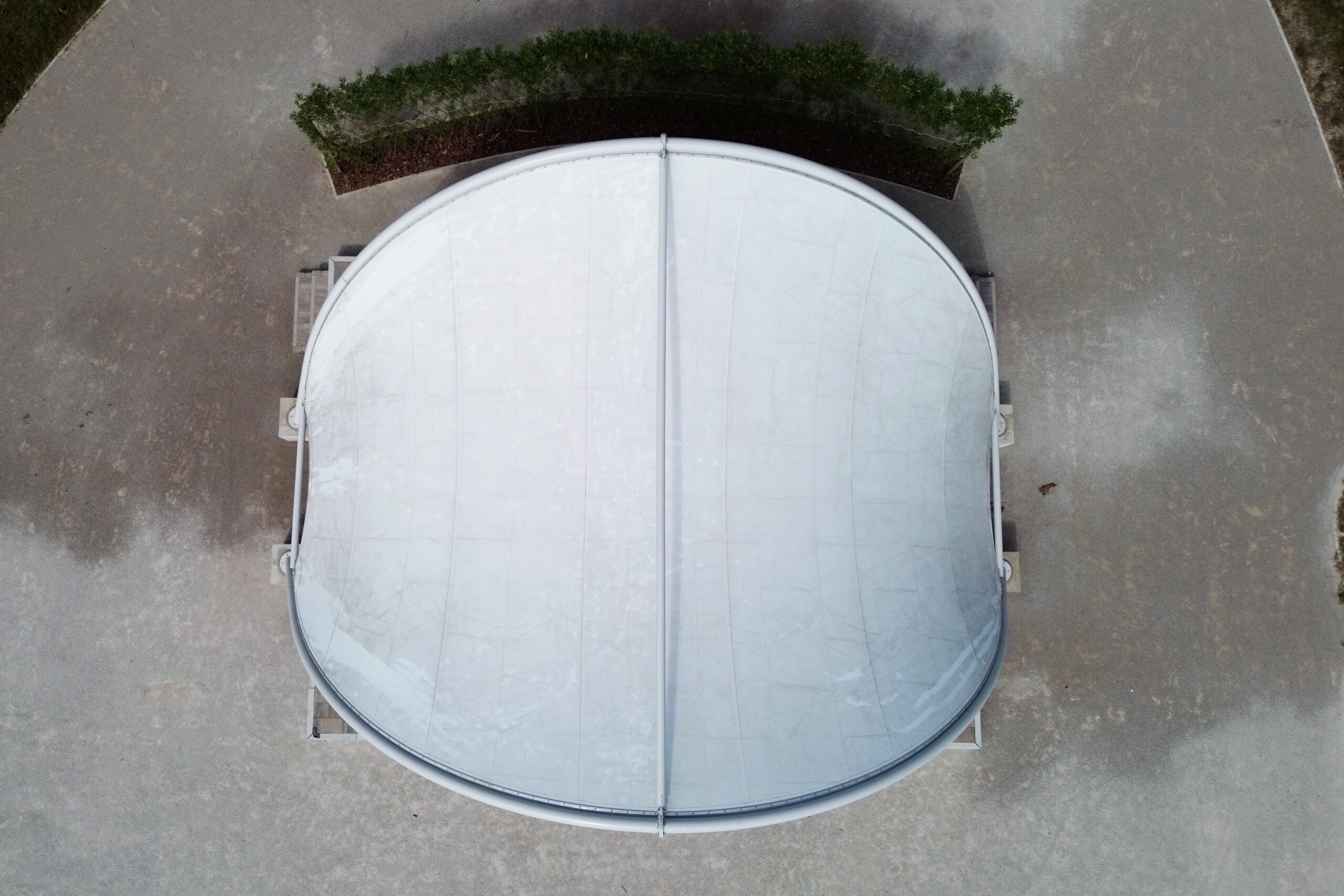
PVC membranes are commonly used for terrace roofs, tents, pool covers, and industrial building roofs. They are also popular as a covering for roof terraces and in covered terrace designs, where aesthetics meet functionality.


Membrane Roofing in the Garden

Membranes are an excellent material for use in gardens, where aesthetics meet functionality. They can be used as part of a covered terrace design, creating comfortable and stylish outdoor spaces.


Benefits of Using Membranes in the Garden

Polycarbonate membranes make stylish, modern roofing that is practical and weather-resistant. Membranes come in various colors and shapes, which allows customization to any garden. When planning a fixed roof terrace, it’s worth consulting with a company that can prepare a custom-sized membrane.


Aesthetics and Functionality of Membrane Roofing

Roofs made from membranes are not only functional but also aesthetic. Their modern appearance blends perfectly with contemporary garden designs, adding lightness and elegance to your covered terrace.


Examples of Modern Covered Terrace Designs

Modern gardens use membrane roofing to create cozy, sheltered areas for relaxation and enjoyment.


Choosing the Right Roofing for Your Patio or Garden

Choosing the right roofing should be well thought out to meet all user expectations and needs.


What to Consider When Choosing a Terrace Roof?

When picking a terrace roof, think about how long it will last, how it looks, how easy it is to install, and costs. Whether you’re looking for a roof terrace covering or a side panel, make sure it suits your needs.


Matching the Roofing to Architectural Style

The roofing should harmoniously blend with the architectural style of the building and the surrounding environment.


Budget vs. Quality in Terrace Roofing

Investing in roofing is an expense that should be well considered. Find the right balance between quality and cost for the best results. This applies to both permanent roof terraces and temporary solutions. It is important to consider both factors when making decisions. This will ensure that you get the most value for your investment.


The Future of Modern Terrace Roofing

Technology is advancing rapidly, influencing innovations in roofing solutions for patios and gardens.


New Technologies in Roofing Production

New technologies are being introduced, such as intelligent roofing systems that automatically adapt to weather conditions.


Sustainable and Eco-Friendly Roofing

Eco-friendly materials and production technologies are becoming increasingly popular, promoting sustainable development in the creation of terrace roofing.


Smart Roofing Systems

The future belongs to smart roofing systems that will automatically respond to changing weather conditions, providing even greater comfort in covered terrace designs.


Conclusion

Terrace roofing for patios and gardens is an investment that brings numerous benefits, both functionally and aesthetically. The choice of roofing depends on individual needs, preferences, and budget. New roofing options like PVC membranes are durable, attractive, and versatile, perfect for creating a cozy, covered outdoor area.

Advantages of Cutting Membranes with a CNC Plotter

Dodatkowe treści

Advantages of Cutting Membranes with a CNC Plotter


Introduction

Cutting membranes with a CNC plotter is becoming increasingly popular in various industries. Thanks to precise technology, it offers many benefits that make it a preferred method of material processing. In this article, we will discuss the main advantages of cutting membranes with a CNC plotter, focusing on its accuracy, efficiency, time and cost savings, and the ability to automate production processes.


Precise Material Processing

One of the biggest advantages of cutting membranes with a CNC plotter is unmatched precision. Thanks to advanced computer technology, CNC plotters can perform cuts with an accuracy of up to hundredths of a millimeter. This allows for the creation of complex patterns and details that would be impossible to achieve with traditional cutting methods.


Efficiency and Time Savings

Cutting membranes with a CNC plotter is much faster compared to conventional methods. The automation of processes allows the device to work continuously, minimizing production downtime. This makes it possible to achieve high efficiency, which translates into shorter order fulfillment times. Faster production also means quicker product launches, which is crucial in a competitive business environment.


Cost Savings

Investing in a CNC plotter may initially seem expensive, but long-term savings are significant. Thanks to automation and precision, the amount of material waste is reduced. Less material consumption means lower production costs. Additionally, CNC plotters require less human labor, which reduces employment costs. All of this makes cutting membranes with a CNC plotter more cost-effective.


Automated Production Processes

CNC plotters enable full automation of production processes. With computer software, it is possible to program the device to perform repetitive tasks without supervision. This not only increases efficiency but also eliminates the risk of human error. Automation also allows for easy adjustment of processes to changing production needs.


Flexibility and Versatility

CNC plotters are extremely versatile. They can be used to cut various materials such as plastic, rubber, textiles, and even metal. This flexibility allows for wide application in different industries, from automotive to electronics. The ability to adjust cutting parameters to specific material requirements makes CNC plotters indispensable in modern production.


High Quality and Repeatability

One of the key requirements in production is consistent quality of products. CNC plotters guarantee high cutting quality, regardless of the production volume. This ensures that each produced batch is identical, which is extremely important in mass production. The repeatability and precision of cutting eliminate the need for additional processing, which speeds up the entire production process.


Work Safety

Using CNC plotters increases work safety. Automation and closed operating systems minimize the risk of accidents associated with manual material cutting. CNC plotter operators do not need to intervene directly in the cutting process, which significantly reduces the risk of injury.


Conclusion

Cutting membranes with a CNC plotter is the future of modern production. Its advantages, such as precision, efficiency, time and cost savings, process automation, flexibility, high quality, and safety, make it an indispensable technology in many industries. Investing in a CNC plotter is a step towards increasing competitiveness and production efficiency.


Check out our membrane cutting services: CNC Plotter Cutting Service


Contact us to learn more about our services and start a collaboration. We are happy to answer any questions and advise on the best options.

PVC Welding Using HF Technology

Dodatkowe treści

High Frequency (HF) Welding of PVC


Introduction to HF Welding Technology for PVC

High Frequency (HF) welding technology for PVC has gained popularity due to its efficiency and reliability. In this article, we will discuss in detail what HF welding involves, its advantages, applications, and why it is worth choosing this method for various PVC-related projects.


What is HF Welding for PVC?

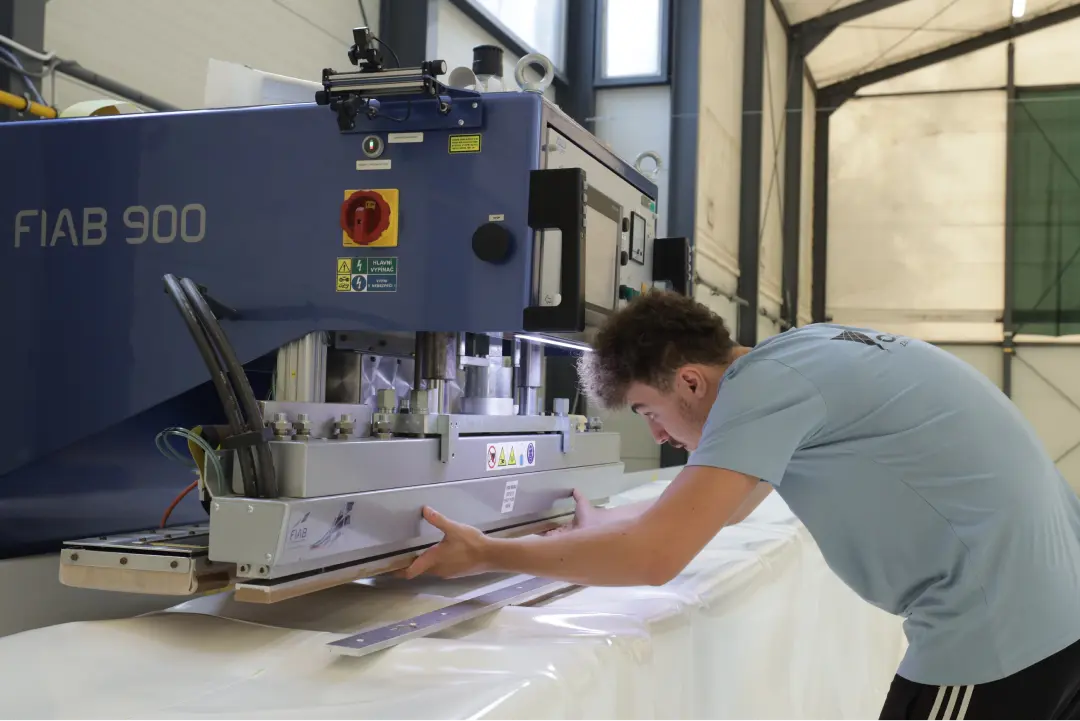
High Frequency welding is a process where high-frequency radio waves (typically 27.12 MHz) are used to join plastic materials such as PVC. This method utilizes an electromagnetic field that generates heat inside the material, causing it to melt and form strong, durable connections.


Advantages of HF Welding Compared to Other Methods


  1. High Precision and Control: HF welding allows precise control of process parameters, resulting in high quality and uniformity of joints.
  2. Speed and Efficiency: The process is very fast, increasing production efficiency and reducing costs.
  3. Durability of Joints: HF welding ensures strong and durable connections resistant to various external factors such as moisture, chemicals, and temperature fluctuations.
  4. No Need for Additional Materials: Unlike other methods such as adhesive bonding, HF welding does not require additional connecting materials, simplifying the production process.


Applications of HF Welding Technology

HF welding technology is widely used in various industries. Here are some examples:

  1. Medical Products: Used in the production of blood bags, infusion fluid containers, and other medical products requiring high purity and durability of joints.
  2. Automotive Industry: In automotive applications, HF welding is used to join various interior components such as upholstery, covers, and other PVC elements.
  3. Packaging and Advertising: In the packaging sector, HF welding is used to produce various types of plastic packaging such as bags, films, and advertising elements.
  4. Textile Industry: HF welding is also used in the textile industry for manufacturing protective clothing, tents, tarpaulins, and other products requiring robust joints.


Process of HF Welding for PVC


Material Preparation

Before starting the welding process, materials must be properly prepared. PVC surfaces are cleaned and prepared to ensure the best possible connection.


Setting Machine Parameters

HF welding machines are set according to material specifications and project requirements. Key parameters include frequency, power, welding time, and pressure.


Welding Process

Materials are placed between the electrodes of the HF welding machine. Under the influence of the electromagnetic field, PVC molecules begin to vibrate, generating heat that melts the material and forms a connection.


Cooling and Quality Control

After completing the welding process, joints are cooled and then subjected to quality control to ensure they meet all technical and strength requirements.


Why Choose HF Welding?

HF welding of PVC using this technology is the ideal choice for companies seeking reliable and durable connections in their products. Due to its efficiency and versatility, this method finds application in many industries and is one of the most popular solutions in the field of plastic processing.


Summary

HF welding technology for PVC offers many benefits, making it one of the best methods for joining plastic materials. Its advantages such as high precision, speed, durability of joints, and wide range of applications make it indispensable in many industries.

Explore our offering for HF welding of PVC: HF Welding of PVC

Contact us to learn more about our services and start a collaboration. We are happy to answer any questions and advise on the best options.