
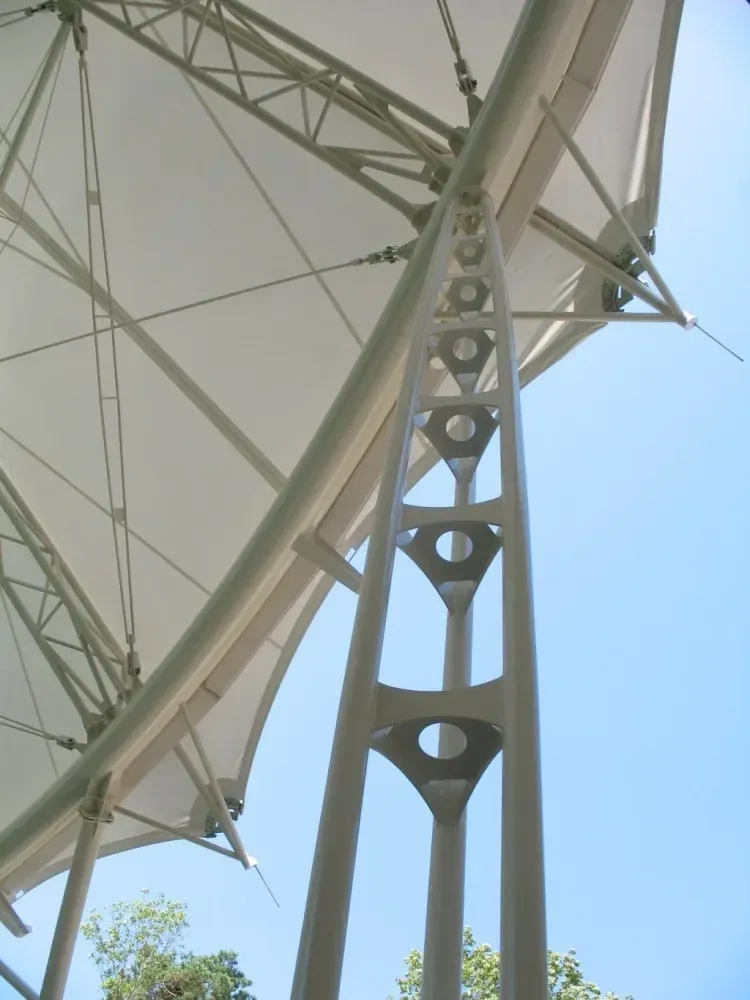
Steel structure design is a critical part of modern construction. Steel has gained popularity as a structural material thanks to its strength, durability and design flexibility. Steel structures are used in industrial halls, bridges, office buildings and many other projects. This article walks through the detailed design process — from initial requirements through to assembly.
The steel structure design phases
Requirements analysis and preparation
The first phase is gathering owner requirements and analysing the site. Engineers and architects must consider both functional and aesthetic expectations. Site analysis at this stage includes geotechnical investigations, climate conditions and specific regulatory requirements. Initial analyses allow precise definition of the future structural loads and project economics. The project schedule is also established at this stage.
Technical documentation
The next step is preparing detailed technical documentation based on the relevant design standards. This includes:
- Structural calculations — ensuring safety and stability
- Technical drawings — showing all structural elements
- Material specifications — defining what materials will be used (e.g. type of structural steel, corrosion protection)
The technical documentation is the critical foundation for prefabrication and on-site assembly.
Modelling and optimisation
Modern structural design optimisation uses advanced CAD software that lets engineers create accurate digital models. The Finite Element Method (FEM) is also used to analyse structural behaviour under various load combinations. Designers can simulate wind, snow and other loads, optimising the project for durability.
Material and connection selection
Choosing materials is the next critical step. Structural steel is typically chosen for its strength and resistance to environmental factors. The connection technology — welding, bolts, rivets — must be matched to the project type and the steel grade. Choosing the right connection methods is critical for long-term performance and safety. Modern engineering tools include computer simulations that test structural durability before construction begins.
Prefabrication and production
Once the design is approved, prefabrication begins. Workshop-fabricated elements are transported to the construction site. Prefabrication shortens assembly time and improves precision. The design phase can complete faster, and the finished components can be installed without major issues.
On-site assembly
Assembly of steel structures is the final but equally critical phase. Prefabricated elements are joined on site according to the documentation. Steel structure assembly requires precise planning and the right equipment, including cranes for lifting heavy elements. Quality control at every phase ensures that assembly proceeds according to the design.
During assembly, all relevant standards must be followed — for example the Eurocodes that specify safety standards for steel construction.
In summary
Steel structure design is a complex process that requires close collaboration between engineers, architects and contractors. Every phase — from requirements analysis through modelling and prefabrication to assembly — must be carefully planned and executed according to technical guidelines. Modern technology like CAD software and FEM analysis has made steel structure design more precise and effective.
The team at Abastran offers comprehensive support at every stage. If you need professional steel structure design solutions, get in touch and we will walk you through the right approach for your project.