
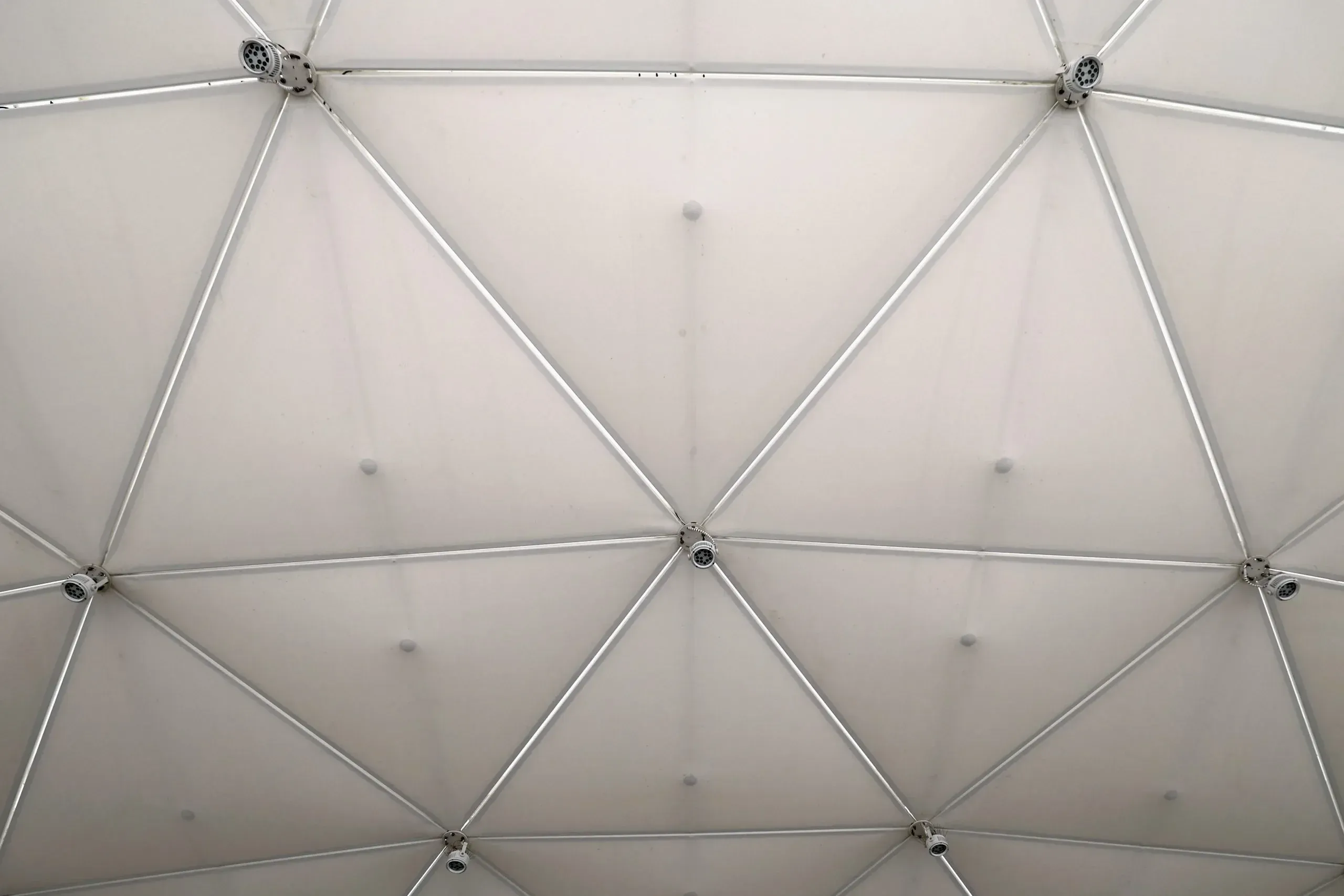
Technical fabrics are specialised textiles engineered for specific physical, chemical and mechanical performance. Unlike conventional fabrics used in clothing and decoration, they are designed for industrial, medical, construction and similar applications. Their strength, environmental resistance and ability to be tailored to specific requirements make them critical to many sectors of modern industry.
What defines a technical fabric
A technical fabric is a material designed and manufactured to meet specific engineering requirements. The base yarn can be synthetic (polyester, polypropylene, fibreglass, aramid), natural (cotton, silk) or a blend. Common defining properties include:
- Mechanical strength — the ability to handle high loads without damage
- Chemical resistance — resistance to acids, bases, solvents and other aggressive substances
- Weather resistance — UV stability, waterproofing, wind and temperature resistance
- Elasticity and stretchability — selected fabrics deform reversibly under load, which matters for tensile applications
Main types of technical fabric
Several categories dominate the market, each with characteristic properties and applications:
- PVC-coated polyester — strong, weather-resistant and chemically stable. The default material for tarpaulins, tent hall covers and architectural membranes.
- PTFE-coated fibreglass (Teflon) — exceptional temperature and chemical resistance with very low friction. Used in PTFE membrane structures, industrial filters and insulation materials.
- Aramid fabrics (Kevlar) — extremely high tensile strength and cut resistance. Used in protective clothing, helmets and structural reinforcement.
- Silicone-coated fibreglass — high temperature stability with chemical resistance. Used in expansion joints, insulation and high-temperature filtration.
Products made from technical fabrics
Technical fabrics are the raw material for a wide range of finished products that meet specific engineering requirements. Here are the main categories.
Tensile membrane roofs and covers
Technical fabrics are widely used in construction for lightweight tensile roofs and covers. These membranes are flexible and strong, making them suitable for both temporary and permanent installations. They cover sports facilities, industrial buildings, exhibition halls, swimming pools, and architectural projects that need long unsupported spans without intermediate columns.
Tarpaulins and industrial covers
Technical fabrics are the base material for tarpaulins and industrial covers. They are used in transport (load protection), in warehouses (machine and material covers), and on construction sites (temporary weather protection). The combination of mechanical strength, chemical resistance and weather durability makes them reliable across a wide range of conditions.
Protective clothing and specialist garments
Protective clothing is one of the most critical applications. Technical fabrics are used to make protective overalls, gloves, boots and other garments that need to shield the wearer from chemicals, high temperatures, radiation or mechanical hazards. Firefighter suits, for example, need to handle extreme conditions including direct flame contact — and modern technical fabrics deliver that performance.
Medical and sanitary fabrics
Technical fabrics also play a major role in medical and sanitary applications. They are used for masks, gowns, gloves and other single-use items. Antibacterial properties and resistance to biological fluids help maintain patient and staff safety. Some technical fabrics are also used in dressings and medical implants — testimony to the versatility of the category.
Agriculture and horticulture
Technical fabrics show up in agriculture and horticulture as crop covers, mulch films and specialist tarpaulins for protecting crops from adverse weather. These fabrics increase crop yields, protect against pests and improve the microclimate for cultivated plants.
Innovative products
Continued development is producing innovative new uses for technical fabrics. Smart textiles can monitor user health metrics or change colour with temperature. Composite fabrics combine the properties of multiple base materials to create products with unique characteristics that neither parent material could deliver alone.
In summary
Technical fabrics play a critical role in modern industry and construction, offering durable, resistant and versatile solutions across many sectors. Their unique properties make them irreplaceable in everything from healthcare to architectural construction. Their continued growth in popularity reflects how indispensable they have become — and as technology evolves, expect to see ever more innovative applications.
If you are planning a project that requires technical fabric — for PVC fabrication, PTFE membrane structures or any custom application — get in touch with Abastran and we will help you specify the right material for the job.