
Logo UE
Logo Abastran

Advantages of Steel Structures in Industrial Construction

Dodatkowe treści

Advantages of Steel Structures in Industrial Construction

Steel plays a crucial role in modern industrial construction. With its unique properties such as strength, flexibility, and cost efficiency, it serves as the foundation of many construction projects.


The Importance of Steel in Industrial Construction

Steel is a material that combines exceptional strength with the ability to be shaped into any form. As a result, steel structures are commonly used in industrial construction, where fast completion times and building durability are essential.


Why Choose Steel Structures?

Durability and Strength

Steel is characterized by high resistance to mechanical damage, making structures made from this material exceptionally durable. Compared to other building materials, steel better withstands extreme weather conditions and loads.

Fast Assembly

Steel structures are usually prefabricated, allowing for faster assembly on the construction site. Ready-made elements are delivered to the site and assembled quickly, reducing costs and minimizing downtime.

Design Flexibility

Steel allows for the creation of complex and innovative designs that would be difficult to achieve with other materials. The ability to customize structures to specific investor needs makes steel a preferred material in industrial construction.


The Process of Manufacturing Steel Building Elements

Production Stages

The production of steel building elements starts with precise design, where every detail is carefully planned. The steel is then cut, bent, and welded to create finished components. Each stage of production is supervised to ensure the highest quality.

Quality Control

The quality of steel structures is a crucial aspect that affects their durability and safety. Manufacturers conduct detailed inspections at every stage of production, ensuring that the finished product meets the highest standards.


Advantages of Lightweight Steel Structures

Cost and Savings

Lightweight steel structures are economical to produce and assemble. Due to their lower weight, they are easier to transport and install, which translates into savings.

Quick Assembly and Disassembly

Lightweight steel structures can be quickly assembled and disassembled, which is particularly important in projects where time is a critical factor. This also facilitates the relocation or modification of buildings in the future.


Designing Custom Steel Solutions

Tailoring to Specific Requirements

Each construction project has its unique requirements, and steel structures can be precisely tailored to the individual needs of the investor. This makes them an ideal solution in industrial construction, where flexibility and precision are required.

Innovative Solutions

Steel structures enable the creation of unique, innovative solutions that address the specific needs and challenges of each project.


Choosing a Steel Structure Manufacturer – What to Consider?

Selecting the Right Manufacturer

Choosing a metal construction manufacturer is a key step in any construction project. It is important that the manufacturer has many years of experience and offers high-quality products.

High-Quality Materials

Manufacturers of steel structures with many years of experience offer not only high-quality products but also support at every stage of project implementation. The quality of the materials used and modern technologies are a guarantee of the durability and reliability of the structures.


Steel Structures in the Construction of Production and Storage Halls

Advantages of Steel Halls

Production and storage halls made of steel are extremely durable, flexible, and resistant to various types of damage. They can be quickly expanded or modified, which is important in a dynamically changing industrial environment.

Examples of Applications

Steel structures are used in many industrial sectors, such as manufacturing, warehousing, logistics, or agriculture. The high quality of workmanship and design flexibility make them a choice for investors worldwide.


Assembly of Steel Structures on the Construction Site

Assembly Process

Assembling steel structures requires precision and experience. At every stage of construction, from foundations to the roof, steel elements are assembled according to the plan, ensuring the stability and safety of the structure.

Collaboration with the Contractor

Close cooperation with the contractor at every stage of assembly is crucial to the success of the project. The contractor ensures that all elements are correctly installed, guaranteeing the durability and safety of the building.


Quality in Every Aspect of Production

Control of Individual Elements

Each element of the steel structure is subjected to rigorous quality control, ensuring that the final product meets all technical and safety requirements.

Modern Technologies

Modern technologies, such as laser cutting or automated welding, allow for the production of elements with the highest precision and quality. An innovative approach to the production of steel structures translates into their durability and reliability.


Application of Steel in Various Industrial Sectors

Food Industry

Steel structures are widely used in the food industry, where high hygiene and material durability are required. Production halls, warehouses, and other industrial facilities built from such structures are an ideal solution for this sector.

Heavy Industry

In heavy industry, where strength and resistance to extreme conditions are essential, steel construction elements are indispensable. Production halls, workshops, and other facilities made of steel withstand large loads and are resistant to corrosion.


Warehousing and Logistics

Steel structures are also commonly used in the warehousing and logistics sector, where flexibility and the ability to quickly assemble are key. Steel warehouses can be easily expanded and adapted to changing needs.


Conclusion

Steel structures offer numerous advantages that make them the ideal solution in industrial construction. Their durability, flexibility, and fast assembly make them the number one choice in many construction projects. Choosing the right manufacturer and paying attention to quality at every stage of production and assembly ensure that steel structures will serve for many years.
Membrane Structures: Modern Solutions for Roofing

Dodatkowe treści

Membrane Structures: Modern Solutions for Roofing

Nowadays, architecture is moving towards innovative and eco-friendly solutions. One such trend is membrane structures, which are gaining popularity both in Poland and around the world. Thanks to their lightness, flexibility, and aesthetics, membrane roofs are becoming an indispensable element of modern construction projects. But what exactly are these structures, and why should they be considered?


What Are Membrane Structures?

Membrane structures are modern solutions that involve using lightweight, durable materials to create roofs and facades. These membranes can be made from various materials, such as PVC, PTFE, or ETFE, which are characterized by excellent resistance to weather conditions and high flexibility. Thanks to these properties, it is possible to create unique, futuristic architectural forms.


Advantages of Membrane Structures

One of the main advantages of membrane structures is their lightness and durability. Compared to traditional materials like concrete or steel, membranes are extremely lightweight, allowing for large spans without the need for massive support structures.

Another advantage is the design flexibility. Architects can create roofs of any shape and form, offering vast creative possibilities. Membranes are also resistant to various weather conditions, including strong winds, rain, snow, and even UV radiation.

Moreover, membrane structures are eco-friendly. These materials are easy to recycle, and their light weight reduces energy consumption during transport and installation. As a result, membrane roofs align with the concept of sustainable development.


Applications of Membrane Structures

Membrane structures have a wide range of applications in various fields. They are commonly used for roofing stadiums and sports facilities, such as the Allianz Arena in Munich or the Millennium Dome in London. Membranes are also well-suited for trade fair halls, exhibition centers, and outdoor amphitheaters and stages. Additionally, they are increasingly being used as roofing for parking lots and other commercial spaces.


Technology of Membrane Production

The production of membranes is an advanced technological process that includes selecting the appropriate materials, processing them, and assembling the structures. Modern production methods allow for creating membranes with different properties, tailored to the specific requirements of a given project. The installation of membrane structures requires precision and collaboration among a team of specialists, including architects, engineers, and craftsmen.


Types of Membrane Roofs

Membrane roofs can be divided into several types depending on their construction and purpose. The most popular are point-supported roofs, characterized by a simple but effective form. Another type is flat roofs, often used on large surfaces such as trade fair halls. The most technologically advanced are spatial roofs, which allow for the creation of complex architectural forms.


Examples of Famous Membrane Structures

Among the most well-known membrane structures worldwide are the Allianz Arena in Munich, one of the most recognizable stadiums in the world. Another example is the Millennium Dome in London, which has served as a center for entertainment and cultural events for years. The O2 Arena, one of the largest facilities of this type in Europe, is also worth mentioning.


Membrane Structures in Poland

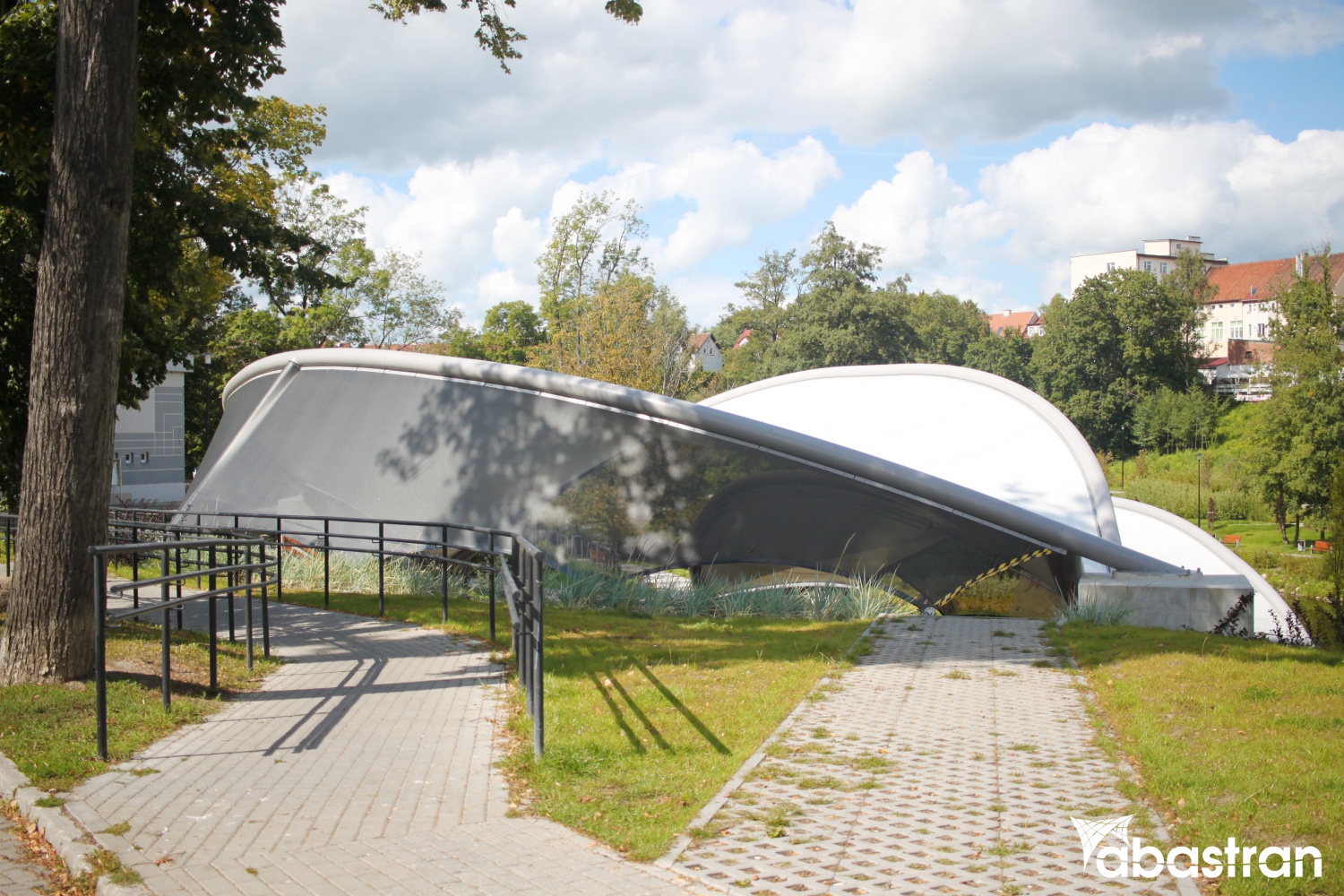
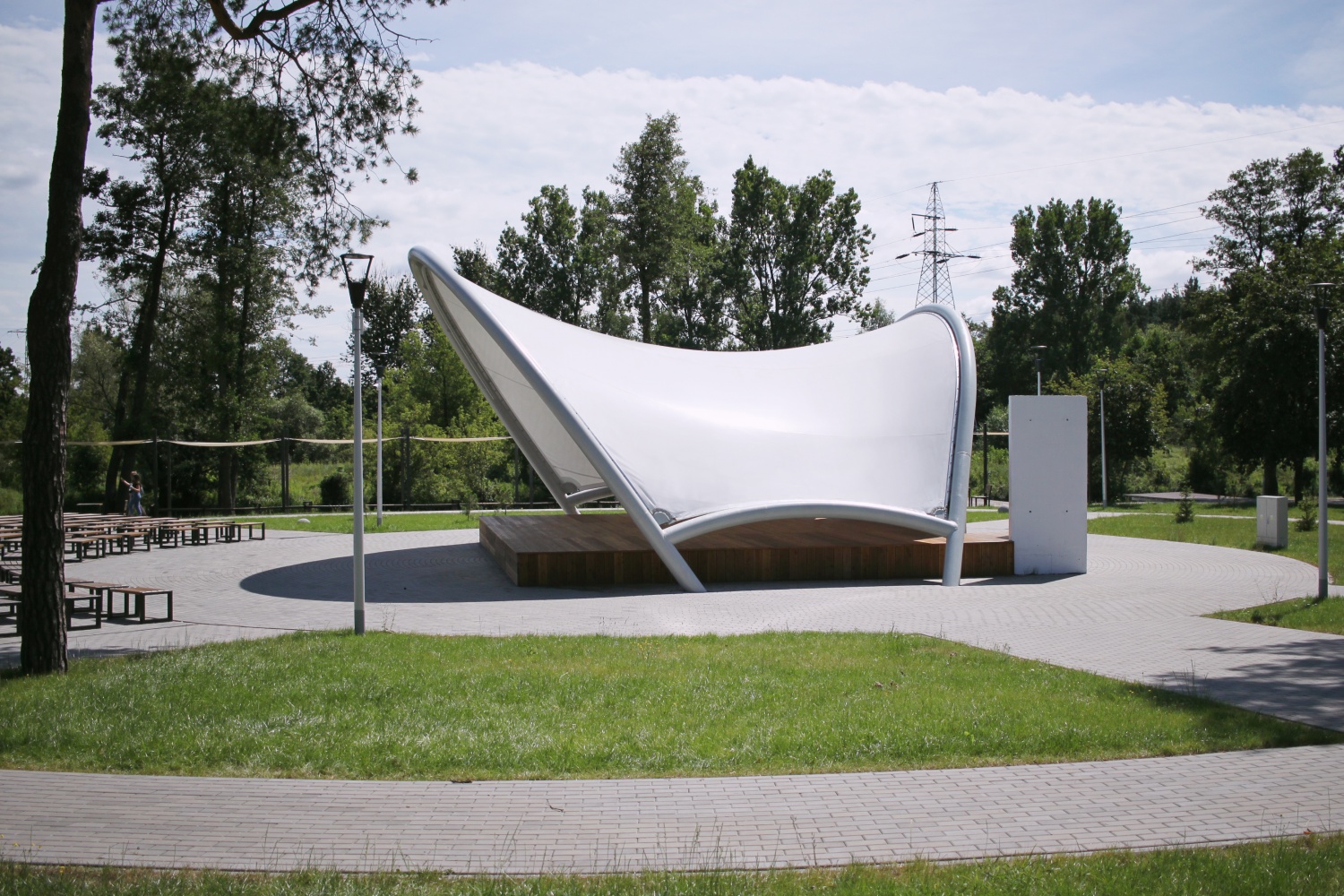
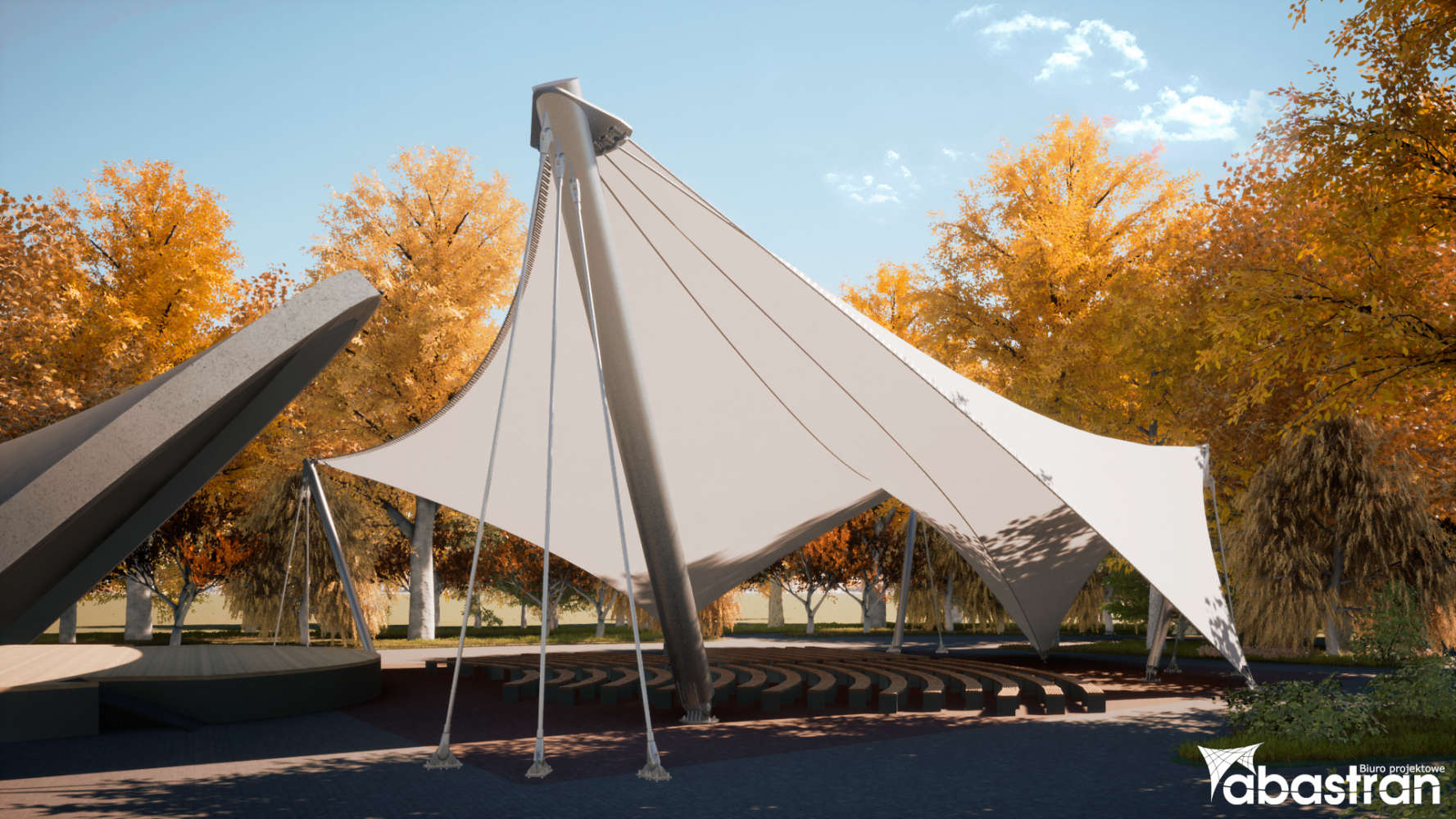
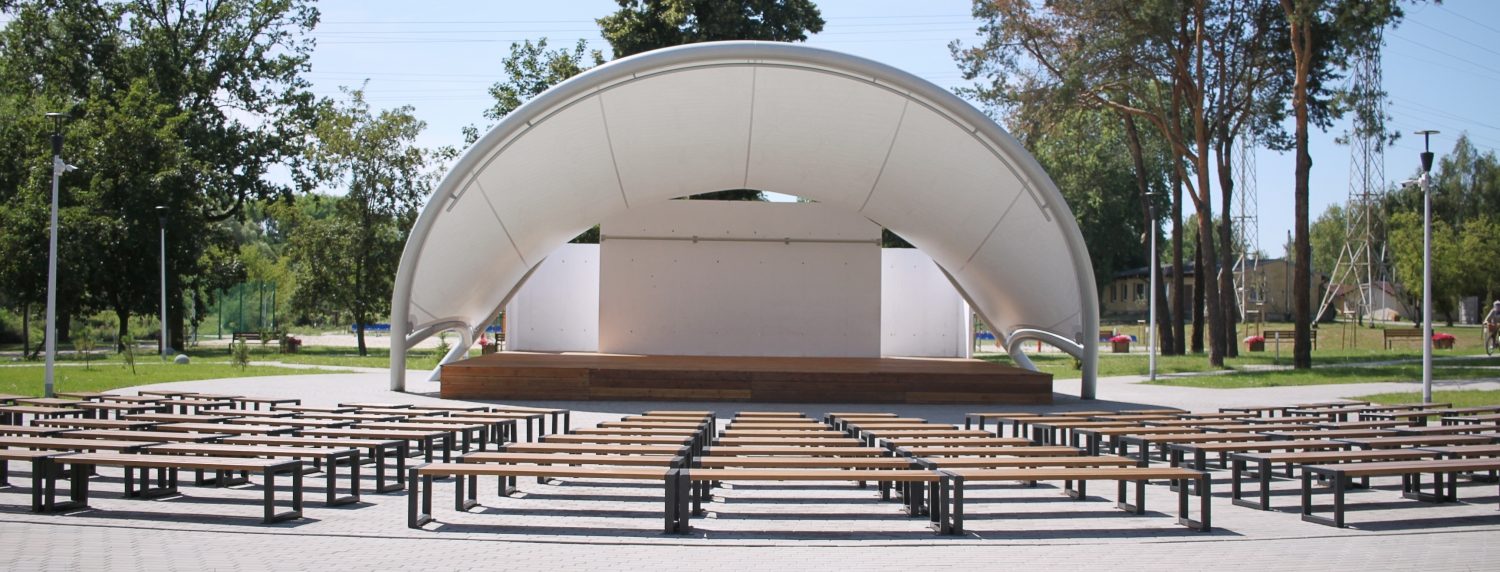
Membrane structures are becoming increasingly common in Poland as well. They are mainly used in sports facilities and public spaces. An example is the The Summer Theater in Kasprowicz Park, made by us, which has a membrane roof adapted to Polish climatic conditions.


Costs and Durability of Membrane Structures

The cost of building membrane structures depends on many factors, such as the size of the project, the type of materials used, and the complexity of the structure. However, despite the higher initial costs, membranes are durable and require minimal maintenance, which translates into lower operating costs.

Membranes have a long lifespan, which can reach up to 30-40 years with proper maintenance. It is also worth noting that in case of damage, membrane repairs are relatively simple and quick.


Ecology and Sustainable Development

Membrane structures are an eco-friendly solution. The materials used for membrane production are easy to recycle, minimizing environmental impact. Additionally, membranes are energy-efficient, contributing to the reduction of energy consumption in buildings covered by them.


Disadvantages and Challenges of Membrane Structures

Despite their numerous advantages, membrane structures also have their disadvantages. One of the main challenges is design limitations – membranes are not as versatile as other building materials, which may limit their use in some projects. Additionally, membranes are more susceptible to mechanical damage than materials like steel or concrete, requiring regular maintenance.


Comparison with Other Roofing Technologies

Membrane structures have many advantages compared to traditional roofing. Compared to concrete or metal roofs, membranes are much lighter, allowing for the creation of larger, more open spaces. They are also more flexible and eco-friendly, which is an added benefit.


The Planning and Construction Process of Membrane Structures

Planning and constructing a membrane structure is a complex process that requires the involvement of many specialists. From concept to design to assembly – each stage requires precise planning and collaboration with architects and engineers. A key element is also the selection of appropriate materials and assembly technology.


The Future of Membrane Structures

The future of membrane structures looks promising. The development of technology allows for the creation of increasingly advanced membranes that can be used in various fields. New materials, such as photovoltaic membranes, may significantly increase the functionality of these structures in the future.


Summary

Membrane structures represent modern and innovative solutions in architecture. Their lightness, flexibility, and eco-friendliness make them an ideal choice for many different projects. Although they have their drawbacks, their numerous advantages make them worth considering, especially in large, open spaces.

Comparison of Construction Costs: Steel Halls vs. Traditional Buildings

Dodatkowe treści

Comparison of Construction Costs: Steel Halls vs. Traditional Buildings

Choosing between a steel hall and a traditional production or warehouse building is a decision that impacts construction costs, project completion time, and future operating expenses. In this article, we will compare various aspects of these two solutions.


Material Costs

Comparison of Material Costs

Steel, especially in the context of lightweight steel structures, is more expensive at the purchasing stage, but its strength and lightness can reduce construction costs. On the other hand, traditional materials like concrete and brick require more complex foundations, which can increase costs.

Lightweight Steel Structures vs. Traditional Materials

Lightweight steel structures allow for faster assembly and lower transportation costs. The use of steel hall construction translates to time and cost savings compared to traditional building methods.


Design Costs

Steel Structure Designs

Steel structure designs are more flexible and easier to modify compared to traditional building designs. The design of a steel structure often includes precise calculations that allow for better material utilization.

Membrane Architecture and Roofing

Modern technologies, such as high-quality membrane roofing, can be an integral part of steel designs, offering additional adaptive possibilities, including high resistance to various weather conditions.


Construction Costs

Assembly of Steel Structures

The assembly of steel structures, including steel halls, is generally faster and more economical compared to traditional methods. The production of steel structures and the prefabrication of components shorten construction time.

Traditional Construction Methods

Traditional production and warehouse buildings require a longer construction period, which increases labor and material costs. Additionally, assembling traditional halls often requires higher financial investments.


Operation and Maintenance

Durability of Steel Structures

Steel structures are more durable and resistant to damage, which translates to lower operating costs. Steel structure manufacturers ensure high material quality, minimizing the need for frequent repairs.

Maintenance of Traditional Buildings

Traditionally built structures may require more frequent maintenance, increasing their total operating cost. Moisture, mold, and other factors can affect the durability of the structure.


Project Completion Speed

Assembly of Steel Halls

The speed of completing a steel structure project is one of the key factors in favor of choosing this technology. Prefabricated elements are quickly assembled on-site, allowing for earlier commencement of operations. If time is of the essence, it is worth consulting a steel hall manufacturer who can create a professional steel structure design tailored to the client’s needs and design, execute, and install membrane roofing.

Construction of Traditional Buildings

Building using traditional methods is much more time-consuming, which can delay the building’s availability. Higher costs associated with prolonged construction also mean increased project management expenses.


Space Adaptation

Steel Structures and Design Flexibility

The construction of a steel hall allows for easy space adaptation to changing needs. The ability to make quick modifications to the structure is an advantage that companies in rapidly developing industries will appreciate.

Membrane Roofing and Other Adaptive Options

The use of membrane roofing, such as membrane coverings for parking lots or terraces, allows for additional use of space. Membrane structures offer lightness and a modern appearance, as well as the ability to be tailored to individual needs.


Environmental Aspects

Steel Recycling and Membrane Roofing

Metal structures made of steel are fully recyclable, making them an eco-friendly choice. Membrane roofing, including ETFE structures, also aligns with the trend of sustainable construction, offering energy-efficient and durable solutions.


Conclusion

The decision to choose a steel hall or a traditional production or warehouse building depends on many factors. Steel structures offer flexibility, durability, and lower operating costs. With fast assembly, prefabrication, and adaptive possibilities, steel halls are often a more cost-effective solution. By choosing steel, investors can count on long-lasting and eco-friendly facilities that easily adapt to changing needs.

Explore our innovative solutions in membrane and steel structures. Contact us to discuss your project and discover how we can help bring your ideas to life.

ETFE Foil Roofing

Dodatkowe treści

ETFE Foil Roofing 

Modern architecture emphasizes innovation, functionality, and a contemporary approach. One of the materials that has revolutionized the design of roofing is ETFE (Ethylene Tetrafluoroethylene) foil. Although not yet widely known, it is gaining popularity due to its unique properties, making it an ideal choice for such constructions.


What is ETFE Foil?

ETFE foil is a thin, transparent film made from a plastic copolymer of ethylene and tetrafluoroethylene. Initially developed for aerospace applications, this material has found its place in construction due to its remarkable combination of lightness, strength, and light transmission. Unlike traditional materials such as glass or polycarbonate, ETFE is much lighter and more resistant to weather conditions, making it the perfect material for skylights or building facades.

History and Development of ETFE Technology

ETFE technology was first used in construction in the 1980s. Early large-scale projects, such as the Eden Project in the UK, demonstrated the potential of this material in creating impressive and innovative structures. Since then, ETFE has been used in many prestigious projects worldwide, becoming synonymous with modern and eco-friendly solutions in architecture.

ETFE in Contemporary Architecture

ETFE structures are used as skylights over indoor swimming pools, botanical gardens or building facades. Thanks to its flexibility and the ability to create complex shapes, it has become a favorite material for architects striving to design not only functional but also visually striking projects.


Benefits of Using ETFE Membrane 

Choosing the right material is crucial from both a functional and aesthetic perspective. The ETFE membrane offers a number of benefits that make it an ideal choice for areas where natural light is important.

Lightweight and Durable ETFE Membrane

One of the main advantages of ETFE membrane is its exceptional lightness. This film weighs only 1% of the weight of glass with comparable thickness, significantly reducing the load on the supporting structure. Despite its low weight, ETFE is an incredibly durable material, resistant to mechanical damage and external forces such as wind or snow, while providing good thermal insulation.

Transparency and Light Transmission

ETFE membrane is almost entirely transparent, allowing excellent interior lighting with natural sunlight. Additionally, ETFE has UV filtering properties, protecting both spectators and the structure from harmful sun exposure. The light transmission, combined with the possibility of using colored films or prints, offers architects unlimited possibilities in creating unique designs.

Weather Resistance

ETFE is extremely resistant to weather conditions. It is UV-resistant, preventing degradation under sunlight. Moreover, ETFE does not corrode and is resistant to chemicals, making it an ideal material for outdoor applications, even in harsh climates.

Ecological Benefits of ETFE Membrane

In an era of increasing environmental awareness, choosing eco-friendly building materials is becoming more important. ETFE is fully recyclable, and its production process generates significantly lower CO2 emissions compared to traditional materials like glass. Additionally, ETFE membrane allows for the creation of lightweight structures, reducing material and energy consumption during construction.

Economic Efficiency: Costs and Maintenance

Although the initial installation cost of ETFE membrane may be higher than that of traditional materials, long-term savings are significant. ETFE requires minimal maintenance, is resistant to dirt, and is self-cleaning, reducing upkeep costs. Additionally, due to its excellent insulation properties, ETFE membrane can help reduce heating and cooling costs.


Examples of ETFE Roofing Projects

There are many impressive examples of ETFE membrane use in architectural projects worldwide. Abastran is one of the leading designers and contractors of ETFE roofing, completing numerous modern projects.

One outstanding example of ETFE membrane application is the terrace roof of a restaurant in Krakow, where we served as the general contractor. This project used ETFE pneumatic cushions, which not only provide protection from rain but also allow full use of natural light, creating a welcoming atmosphere for the restaurant’s guests.


Design and Installation Process of ETFE Membrane Structures

Designing structures with ETFE membrane is a complex process that requires precision and the use of advanced technologies. We have extensive experience in carrying out such projects, ensuring the highest quality of execution.

Steps in the ETFE Roofing Design Process

The design process begins with a detailed analysis of the project’s needs and requirements. Then, architects and engineers develop a 3D model of the structure, considering the properties of ETFE and the specifics of the location where the roof will be installed. The next stage is developing a technical design, which takes into account the structure’s strength and safety.

ETFE Membrane Installation Technologies

Installing ETFE membrane roofing requires specialized equipment and experience. ETFE membranes can be installed as pneumatic cushions or single layers, depending on the project’s requirements. The installation process includes setting up the support system, inflating the cushions with air, and precisely fitting the membrane to the supporting structure.

Technical Guidelines and Safety Standards

Strict safety standards must be followed during the installation of ETFE membrane. While ETFE is durable, it requires appropriate structural support to ensure the stability and safety of the entire construction. These standards also cover maintenance and inspection procedures for the membrane during its service life.


Why ETFE is the Ideal Choice?

ETFE membrane is becoming an increasingly popular choice for stage and sports stand roofing worldwide. Abastran is one of the leaders in this field, delivering projects that are not only functional but also aesthetically appealing.

Adaptability to Various Forms and Structures

ETFE is an extremely flexible material that can be shaped to fit almost any form. This makes it possible to create unique, non-standard constructions that stand out from traditional buildings.

Aesthetics and Modernity in Sports Architecture

ETFE gives constructions a modern and futuristic appearance that draws attention. Its transparency and the ability to apply various visual effects make it a popular choice for architects looking to create buildings with a distinctive character.

Durability and Longevity of ETFE Structures

One of ETFE’s most important advantages is its durability. This membrane is resistant to mechanical damage, weather conditions, and UV radiation, ensuring its longevity. As a result, ETFE roofing can last for decades without needing replacement or intensive maintenance.

Future Applications: Trends and Innovations

ETFE is a material that will undoubtedly gain importance in the future. As technology advances, we can expect new applications for ETFE, both in architecture and other areas of construction.


Conclusion

ETFE membrane is a modern solution gaining increasing recognition in the architectural industry. With its unique properties, such as lightness, durability, transparency, and eco-friendliness, ETFE is becoming an ideal material for roofs and facades.

Examples of completed projects show that ETFE not only meets all technical requirements but also allows for the creation of aesthetically appealing and functional structures. Choosing ETFE is an investment in the future, bringing benefits both economically and environmentally. If you are interested in similar projects, do not hesitate to contact us to discuss the details.

Membrane Roofs – Types and Applications

Dodatkowe treści

Membrane Roofs – Types and Applications

Membrane roofs, often referred to as membrane structures, are modern and innovative architectural solutions that are gaining increasing popularity worldwide. Thanks to their lightness, flexibility, and unique aesthetic and functional properties, membrane roofs are used in various types of buildings, from sports stadiums to shopping centers. In this article, we will take a closer look at what membrane roofs are, their advantages, and where they can be applied.


Definition and Characteristics

Membrane roofs are construction structures made of technical fabrics that are stretched over specially designed frameworks. The materials used to create such roofs are exceptionally durable and weather-resistant, making them an ideal solution for spaces that require protection from rain, sun, or wind while remaining aesthetically pleasing and lightweight.


Types of Membrane Fabrics

The materials used in membrane roofs are advanced technical fabrics that differ in properties and applications. The most popular include:

PVC (Polyvinyl Chloride)

PVC is one of the most popular materials used in membrane roofs. It is flexible, UV-resistant, and easy to install. Thanks to its durability, it is often used in temporary and semi-permanent structures.

PTFE (Polytetrafluoroethylene)

PTFE, also known as Teflon, is a material characterized by high temperature resistance and excellent durability. It is often used in structures requiring long lifespan and resistance to harsh weather conditions.

ETFE (Ethylene Tetrafluoroethylene)

ETFE is a modern material that is increasingly being used in membrane architecture. It is exceptionally lightweight, transparent, and UV-resistant, making it ideal for applications where natural lighting is required.


What is a Membrane?

General Concept of a Membrane

A membrane is a thin material that acts as a barrier, usually separating two different environments. In construction and architecture, membranes are used as protective or structural layers, which can have various properties depending on the material used.

What are the Types of Membranes?

Membranes can be categorized into several types based on their properties and applications:

Mechanical Membranes

Mechanical membranes are designed to withstand significant mechanical loads, such as wind or snow. They are primarily used in roofing large areas where exceptional durability is required.

Chemical Membranes

Chemical membranes are resistant to various chemical substances and are used in areas where there is a risk of contact with aggressive chemicals.

Thermal Membranes

Thermal membranes provide thermal insulation and are used in buildings where maintaining the proper temperature is crucial, such as sports halls or warehouses.


Applications of Membrane Roofs

Membrane roofs are widely used in various industries, types of buildings, and public spaces due to their versatility and aesthetics.

Sports Facilities

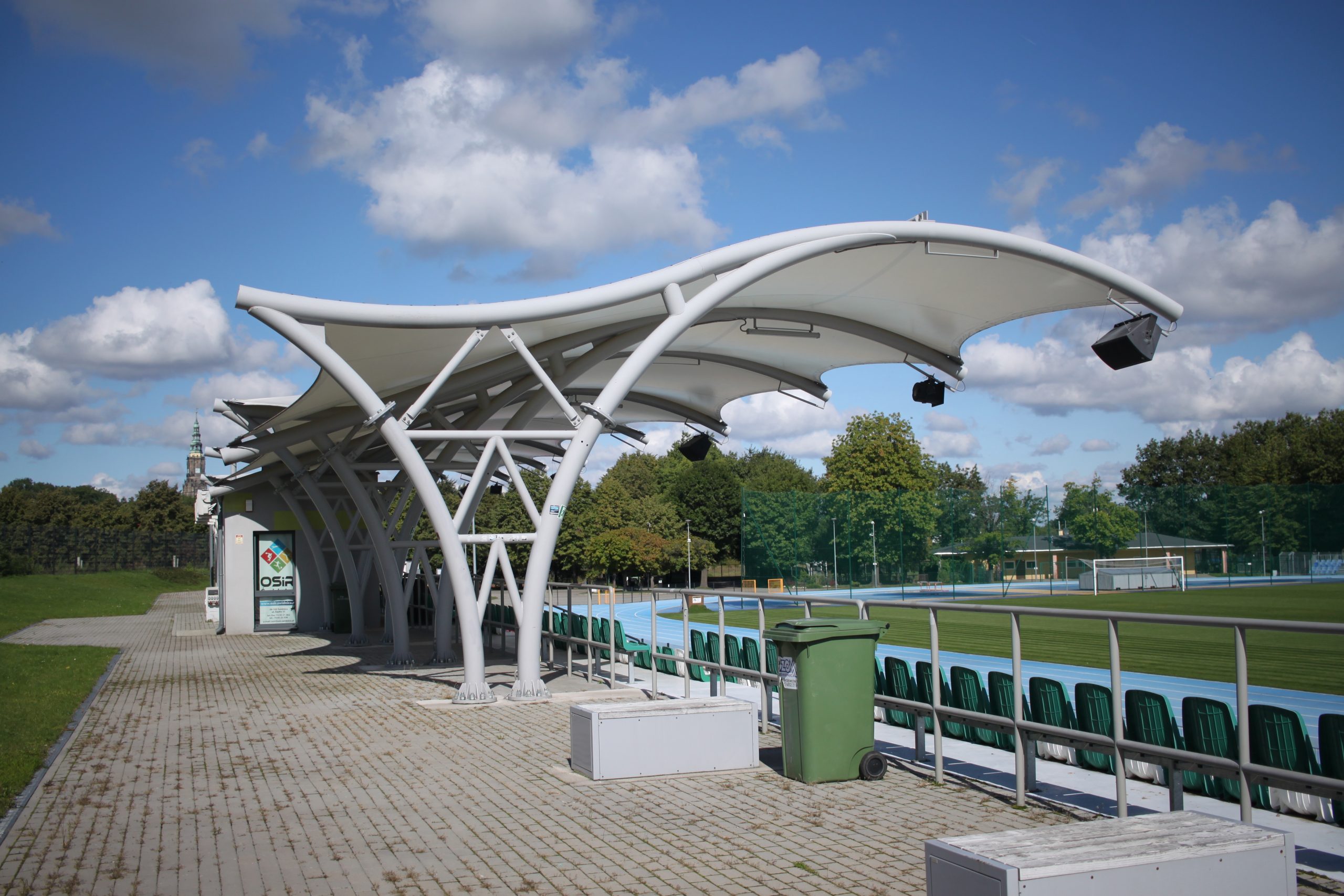
Stadiums are one of the most popular places where membrane roofs are used. The lightweight structure allows covering large areas without the need for heavy and costly materials. A good example is the membrane roof over the MOSiR stadium stand in Sieradz, which combines functionality with modern design.

Sports Halls: Membrane roofs are used in sports halls to create large, open spaces that are both protected from the weather and well-lit by natural light.

Public Buildings

Shopping Centers: Membrane roofs can serve as protective coverings over outdoor spaces, such as courtyards or plazas, while adding an aesthetic touch to the entire structure.

Stations and Airports

Stations and airports often use membrane roofs to cover large areas, such as terminals or platforms, where weather protection is required along with an aesthetically pleasing appearance.

Facades and Elevations

Modern office buildings – membranes are used in them as elements of facades and elevations, giving buildings a unique, futuristic appearance. A great example is the membrane facade for Nestle Purina in Wrocław in the shape of a wave with concave and convex arches.

Cultural and Art Buildings – In the architecture of cultural and art buildings, such as museums or theaters, membranes are used to create impressive and inspiring forms that emphasize the modern character of such objects.

Temporary Roofs

Membrane roofs are also used in temporary projects. An example could be terrace roofs, which are perfect for protecting outdoor spaces, such as restaurant patios or private terraces, from the sun and rain. Thanks to their lightness and ease of installation, such terrace roofs can be quickly and efficiently installed and easily dismantled if necessary. They also stand out for their aesthetics, which highlight the modern character of the space.

Ready Roofing Systems

Advanced, ready-made roofing systems are an excellent solution for a variety of objects, offering both protection against adverse weather conditions and an attractive appearance. An example of such a system could be the playground roof we created in Lubliniec.


Advantages of Membrane Roofs

Membrane roofs offer a range of advantages that make them an attractive solution in modern architecture.

Aesthetics and Design

Membranes allow the creation of unique and spectacular forms that are difficult to achieve using traditional building materials. Their transparency and flexibility enable the design of roofs that perfectly integrate with the surroundings while providing comfortable light permeability.

Functionality and Practicality

Membrane roofs are not only aesthetically pleasing but also highly functional. They are lightweight, which facilitates their installation, and at the same time, they are very durable and resistant to various weather conditions. Thanks to these properties, membrane roofs can be used in different climate zones.

Durability and Strength

Membrane fabrics, such as PTFE or ETFE, are characterized by high resistance to UV radiation and changing weather conditions. They also have high chemical resistance and durability over a wide temperature range. As a result, membrane roofs can serve for many years without the need for frequent repairs or replacement.

Economy

The installation costs of membrane roofs are generally lower than those of traditional roofs made of heavy materials. Additionally, due to their lightness, membrane roofs require less massive supporting structures, reducing the overall project costs.


How to Choose the Right Membrane Roof for Your Project?

Choosing the right membrane roof depends on many factors that should be considered during the design stage.

Choosing the Right Company

Selecting a company specializing in membrane structures is crucial to the success of the project. Experienced professionals can advise on the best solutions and provide professional roof installation. Examples of realizations worth considering can be found on the Membrane Structures and Roofing Systems pages.

Examples of Successful Realizations

Examples of successful realizations, such as the membrane roof over the MOSiR stadium stand in Sieradz or the playground roof in Lubliniec, show how diverse the applications of membranes in architecture can be. Choosing a proven company with documented realizations ensures that the project will be carried out to the highest standards.


Conclusion

Modern membrane roofs are an aesthetic and functional solution that is gaining increasing popularity in architecture. Thanks to their advantages, such as lightness, durability

What Products Are Made from Technical Fabrics? A Review of Products and Applications

Dodatkowe treści

What Products Are Made from Technical Fabrics? A Review of Products and Applications


What Are Technical Fabrics?

Technical fabrics are specialized textile materials characterized by exceptional physical, chemical, and mechanical properties. Unlike traditional fabrics used primarily in clothing and decoration, technical fabrics are designed for specific industrial, medical, construction, and other applications. Due to their durability, resistance to extreme conditions, and ability to adapt to various needs, technical fabrics play a key role in many industries.

Definition and Characteristics of Technical Fabrics

Technical fabrics are materials that have been designed and manufactured to meet specific technical requirements. They can be made from various raw materials, such as synthetic fibers (e.g., polyester, polypropylene), natural fibers (e.g., cotton, silk), or blends thereof. The main features of technical fabrics include:

  • Mechanical Strength – the ability to withstand heavy loads without damage.
  • Chemical Resistance – the ability to resist the effects of chemicals such as acids, bases, or solvents.
  • Weather Resistance – these fabrics are often resistant to UV radiation, water, wind, and temperature fluctuations.
  • Elasticity and Stretchability – some technical fabrics can be elastic, allowing their use in structures requiring shape changes.

Types of Technical Fabrics: PVC, PTFE, and Others

Various types of technical fabrics are available on the market, each with its specific properties and applications. The most popular ones include:

  • PVC Fabrics – made from polyvinyl chloride, which is exceptionally resistant to weather and chemical factors. They are commonly used in the production of tarpaulins, roofing covers, and membrane roofs.
  • PTFE (Teflon) Fabrics – characterized by high resistance to temperature, chemicals, and low friction. They are used in the production of roofing membranes, filters, and insulation materials.
  • Aramid Fabrics (e.g., Kevlar) – known for their extraordinary strength and cut resistance, they are used in the production of protective clothing, helmets, and structural reinforcements.


An Overview of Products Made from Technical Fabrics

Technical fabrics are widely used in the production of various products that meet specific technical requirements. Here are some examples of the most common products.

Membrane Roofs

Technical fabrics are widely used in construction to create lightweight roofs and membrane covers. These membranes are flexible yet durable, making them ideal for temporary and permanent structures. They can be found in sports facilities, production halls, warehouses, exhibition centers, swimming pools, and architectural structures that require large spans without internal support.

Tarpaulins and Industrial Covers

Technical fabrics are the primary material used for producing tarpaulins and industrial covers. They are used in transportation to protect cargo, in warehouses as covers for machinery and materials, and in construction as temporary protections on building sites. Thanks to their resistance to mechanical damage, chemicals, and weather conditions, tarpaulins made from technical fabrics provide long-lasting protection in various conditions.

Protective Materials and Specialized Clothing

One of the key applications of technical fabrics is the production of protective and specialized clothing. These fabrics are used to sew protective suits, gloves, boots, and other clothing items that must protect the wearer from harmful substances, high temperatures, radiation, or mechanical damage. An example could be firefighting suits, which must withstand extreme conditions, including high temperatures and contact with flames.

Fabrics for the Medical and Sanitary Industry

Technical fabrics also play a crucial role in the medical and sanitary industry. They are used to produce masks, gowns, gloves, and other disposable items. Thanks to their antibacterial properties and resistance to biological fluids, these fabrics help ensure the safety of patients and medical staff. Additionally, some technical fabrics are used in the production of dressings and medical implants, demonstrating their versatility and importance.

Applications in Agriculture and Horticulture

In agriculture and horticulture, technical fabrics are used in various forms, from plant covers and mulching materials to specialized tarpaulins that protect crops from adverse weather conditions. These fabrics help increase plant production efficiency, protect crops from pests, and improve the microclimate for crops.

Innovative Products Made from Technical Fabrics

Technological advancements also bring innovative applications for technical fabrics. Examples include smart fabrics that can monitor the user’s health status or materials that change color with temperature. Other innovative products include composite fabrics, which combine the features of several different materials, creating solutions with unique properties.


Conclusion

Technical fabrics play a key role in modern industry and construction, offering solutions that are durable, resistant, and versatile. Thanks to their unique properties, they are used in a wide range of applications, from health protection to architectural structures. Their growing popularity indicates their irreplaceable importance in many industries. As technology continues to evolve, we can expect even more innovative products made from technical fabrics to meet increasingly demanding needs.

Production of Membrane Roofs from Technical Fabrics

Dodatkowe treści

Production of Membrane Roofs from Technical Fabrics


Membrane roofs are gaining increasing popularity in the construction industry due to their unique aesthetic and functional properties. Membrane structures enable the creation of unique architectural forms that can become the hallmark of any building. They offer not only an attractive appearance but also solid technical parameters, which are crucial for the durability and safety of the entire structure.


Advantages of Membrane Roofs

Membrane roofs stand out among other solutions due to their numerous advantages, which you can learn more about in this article. First of all, the technical fabrics used in membrane production are highly resistant to weather conditions such as wind, snow, and rain. Additionally, they are extremely lightweight, which greatly facilitates installation and minimizes the load on the supporting structure.


The Production Process of Membrane Roofs

The production of membrane roofs is a complex process that requires advanced technical knowledge and precise execution. It all starts with design, where understanding the specific material and its properties is key.

Design and Planning

In the design phase, special attention is paid to optimizing the shape and selecting the appropriate materials. Designers must consider not only aesthetics but also technical aspects such as mechanical loads and the impact of weather conditions. Thanks to modern computer tools, it is possible to create precise 3D models that allow for detailed planning of each stage of production and installation.

Material Selection

The choice of materials is a crucial stage in the production of membrane roofs. The technical fabrics used in membranes must meet high strength requirements. The most commonly used technical membrane is PVC coated with PVDF, which is characterized by excellent resistance to external factors and long durability. Additionally, this material is specially protected against mold, which is particularly important for outdoor structures.

Production Process

The production process of membranes includes several key stages, such as cutting, welding, and assembling the structural elements. Precise cutting of the material and its subsequent welding are crucial to ensure the accurate fit of all components. In this aspect, we collaborate with Abastran Europe, which offers precise CNC plotter cutting services. The finished elements are assembled on-site, where final quality tests are also conducted.


Applications of Membrane Roofs

Membrane roofs are widely used in various types of buildings. They are an ideal solution for both large sports facilities and smaller structures such as terraces or playgrounds.

Sports and Recreational Facilities

Membranes are often used for roofing stadiums, sports halls, and swimming pools. Their lightweight construction allows for the creation of large, free-span spaces that provide freedom of movement and excellent conditions for practicing sports. Additionally, the acoustic properties of membranes can be tailored to the specific needs of sports facilities, making them even more functional.

Commercial and Public Structures

In public spaces, membrane roofs are used to create attractive meeting places such as amphitheaters, market squares, and outdoor restaurants. Thanks to the ability to create various shapes, membranes can be adapted to the needs of different investments, highlighting their unique character.

Private Roofs

In the private sector, membrane roofs are used on terraces, in winter gardens, or as sunshades. Their aesthetic appearance and the ability to be customized to individual needs make them a popular choice among homeowners and apartment owners.


Conclusion

The production of membrane roofs from technical fabrics is an advanced process that combines modern technologies with aesthetics and functionality. Thanks to the unique properties of the materials, such as weather resistance, durability, and flexibility in shaping form, membrane roofs are becoming an increasingly popular choice in many sectors of construction. Whether we are talking about large sports facilities, public spaces, or private gardens, membranes offer solutions that will meet even the most demanding expectations.

10 Advantages of Membrane Roofs in Modern Architecture

Dodatkowe treści

10 Advantages of Membrane Roofs in Modern Architecture


Introduction to Membrane Roofs

In today’s world, architecture is moving towards innovative, eco-friendly, and functional solutions that are both aesthetically pleasing and practical. In this context, membrane roofs are gaining popularity, offering a range of advantages that set them apart from traditional building covering methods. This article discusses the ten most important benefits of these modern structures, making them an increasingly desirable choice in architecture.


What are Membrane Roofs?

Membrane roofs are lightweight structures that utilize durable, flexible membrane fabrics, typically made from polymers such as PVC or PTFE. These membranes are stretched over specially designed frames, creating unique, often spectacular architectural forms. They are used in both commercial and residential construction, as well as in infrastructure projects such as stadiums, airports, and public spaces.


Advantages of Membrane Roofs

1. Lightness and Strength

One of the key advantages of membrane roofs is their lightness combined with exceptional strength. These structures can cover large areas without the need for massive supports. Thanks to modern materials like PTFE-coated fabrics, membranes can withstand heavy loads, including strong winds, snow, and even earthquakes.

2. Aesthetics and the Ability to Create Unique Forms

Membrane roofs allow the creation of unique, organic forms that are difficult to achieve with traditional building materials. Their flexibility gives architects the opportunity to experiment with various shapes, leading to the creation of architectural icons, such as the roof over the Olympic Stadium in Munich. These impressive and futuristic designs are becoming a hallmark of modern architecture.

3. Quick Assembly and Easy Installation

Membrane structures are characterized by ease of assembly, significantly reducing project completion times. These roofs are prefabricated, meaning that most of the work is done in controlled factory conditions, with only the assembly taking place on-site. This process minimizes disruptions at the construction site and reduces operational costs.

4. Weather Resistance

Membrane roofs are highly resistant to weather conditions, including heavy rainfall, UV radiation, and even extreme temperatures. The materials from which they are made do not fade, crack, or lose their properties under the sun’s rays, making them an excellent solution for long-term architectural projects.

5. Eco-Friendliness and Sustainability

In an era of increasing environmental awareness, membrane structures are gaining importance as an eco-friendly solution. They are not only lightweight, reducing the demand for resources during construction, but they can also be made from recycled materials. Moreover, their ability to transmit daylight allows for a reduction in energy consumption for lighting, further reducing the building’s carbon footprint.

6. Cost-Effectiveness and Efficiency

Membrane roofs are often more cost-effective than traditional solutions. The reduced need for heavy construction materials and the simplified installation process translate into lower investment costs. Additionally, the longevity of the membranes and low maintenance costs make them an economical choice over many years of use.

7. Design Flexibility

Membrane structures are extremely versatile, allowing them to be used in a variety of architectural projects. They can be used as roofs over large structures such as stadiums or airports, as well as smaller, more intimate spaces like winter gardens or patios. This flexibility gives architects wide latitude in creating innovative and functional spaces.

8. Durability and Low Maintenance Costs

The membranes used in these structures are designed with longevity in mind. Resistance to mechanical damage, UV radiation, moisture, and air pollution ensures that these roofs maintain their properties for many years without the need for frequent maintenance. Additionally, low maintenance costs are due to the self-cleaning properties of some membrane fabrics, which minimize the accumulation of dirt and dust.

9. Applicability in Various Architectural Projects

From modern stages, pavilions, and shopping centers to sports facilities like tennis courts and stadiums, and even innovative infrastructure projects such as parking lots, train, and bus stations, membrane roofs are used in many fields of architecture. Their versatility makes them an excellent choice regardless of the scale and type of project, perfectly suited as temporary covers for terraces or playgrounds.

10. Self-Cleaning Material Properties

Many membrane fabrics have unique self-cleaning properties. Thanks to special coatings, contaminants such as dust, dirt, or leaves do not adhere to the surface of the membrane, making them easy to wash away with rain. This technology not only reduces maintenance costs but also maintains the aesthetic appearance of the structure for a long time.


Are Membrane Roofs Worth It?

Membrane roofs are a modern solution that combines aesthetics, functionality, and sustainability. Their lightness, durability, and ability to create unique forms make them an ideal choice for any architectural project. Additionally, their weather resistance, cost-effectiveness, and self-cleaning properties make them a long-term investment that offers both aesthetic and practical benefits. In an era of growing environmental concerns, membrane roofs provide an answer to the need for creating more eco-friendly and sustainable buildings that fit into the canon of modern architecture.

If you have more questions or would like to start a collaboration, feel free to contact us.