
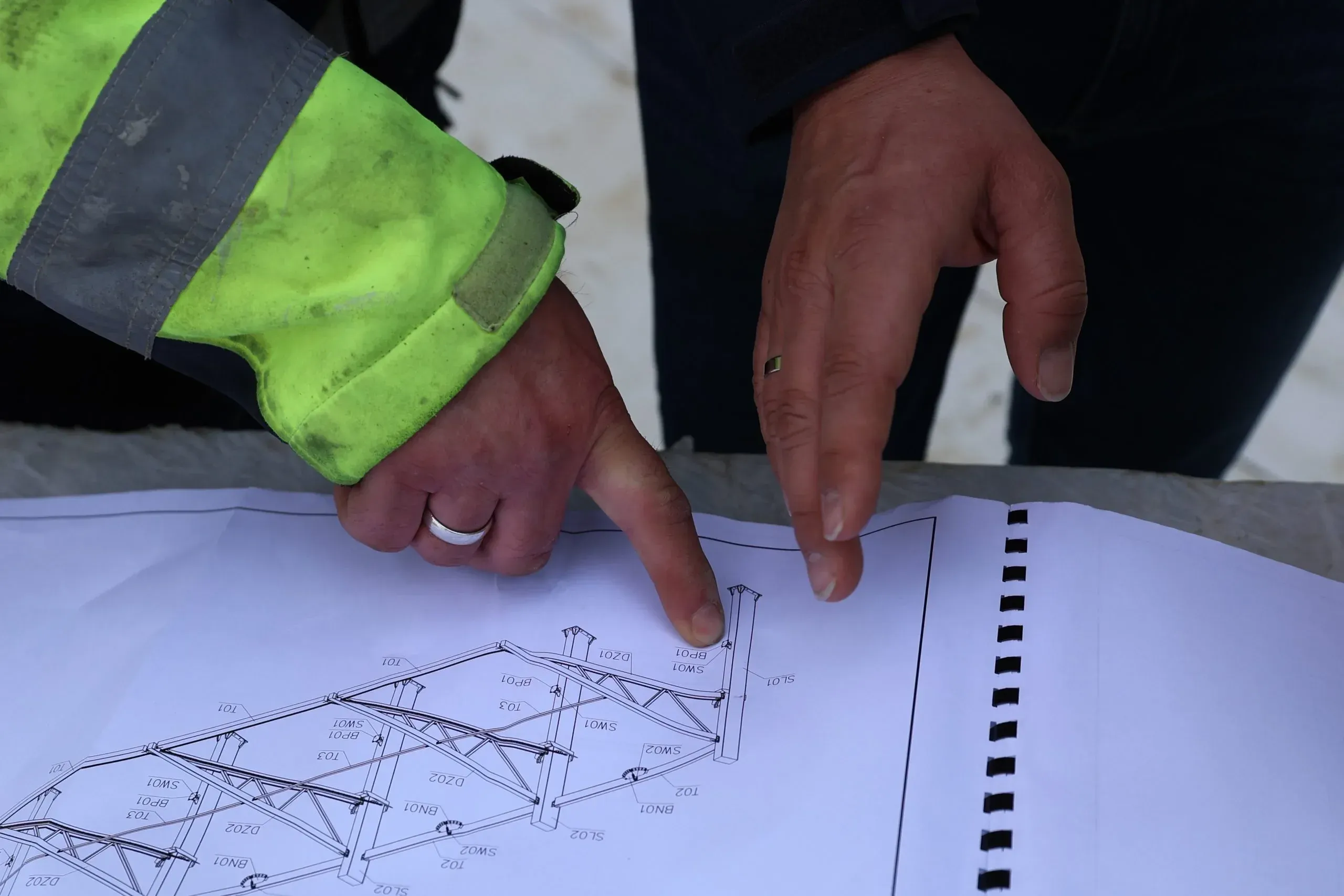
Steel construction is an area where safety and quality of execution are fundamental. Statistics show that more than 60% of structural failures in Europe are caused by execution defects that could have been eliminated with the right quality control system. The introduction in 2014 of mandatory EN 1090 was a breakthrough in standardising requirements for steel structures across the entire European Union. Owners received clear criteria for assessing contractors, and structure manufacturers got precise guidelines for production processes.
Understanding the certification system is critical for both owners and contractors. The differences between execution classes EXC1–EXC4 drive not only technical requirements but also affect operational safety. Certifications are not just a formality — they are a guarantee that the structure meets all necessary legal and technical requirements.
Mandatory legal certifications
The basic legal requirement for steel structure manufacturers is holding a Factory Production Control (FPC) certificate of compliance under system 2+ according to Regulation (EU) No 305/2011 (CPR). This document confirms that the manufacturer has implemented and maintains a production control system compliant with EN 1090. Without this certificate, the manufacturer cannot CE-mark its products, which in practice prevents placing steel structures on the European market.
EN 1090 has three parts, the most important for steel structure contractors being part 2 (EN 1090-2), which defines technical requirements for steel structures. When picking a contractor, always request a current FPC certificate and confirm certification in the appropriate execution class. For dynamically loaded structures like steel structures and industrial halls, EXC3 is the recommended minimum, guaranteeing strict quality control procedures for welding and assembly.
Quality certifications in production
Beyond mandatory legal certifications, established manufacturers hold additional quality certifications. The key one is ISO 3834, which defines quality requirements for welding processes. This certificate confirms that the company has the appropriate competencies, equipment and procedures for high-quality welded joints. Depending on the structure’s execution class, the appropriate level of ISO 3834 certification (parts 2, 3 or 4) is required.
Equally important is ISO 9001, which confirms the implementation of a quality management system across the organisation. Companies holding ISO 45001 additionally minimise the risk of assembly errors through proper safety management. When ordering steel structures, also pay attention to material certifications and non-destructive testing (NDT) reports, which confirm the quality of the materials and welded joints.
Execution classes EXC in engineering practice
EN 1090-2 defines four execution classes for steel structures (EXC1–EXC4) that determine the strictness of production and assembly requirements. EXC1 is the least demanding and is mainly used for auxiliary structures with low risk like sheds and simple non-loaded elements. Typical warehouse halls usually need EXC2, while public buildings, bridges and structures subject to dynamic loads require EXC3.
The highest class, EXC4, is reserved for structures of particular importance or those exposed to extreme loads — power plants and high-risk industrial facilities. When designing specialist projects like biogas plants or pressure vessels, precisely defining the execution class at the design stage is critical. At Abastran we specialise in designing and delivering steel structures in EXC2 and EXC3 classes, ensuring full compliance with regulatory requirements.
Verifying certifications and the consequences of their absence
Verifying certificate authenticity is a critical element of steel structure contractor selection. FPC certificates are issued by notified bodies like TÜV Rheinland or welding institutes, and their authenticity can be checked directly on these institutions’ websites. Check the certification scope (does it cover the structure type you need) and the validity date — most certificates require renewal every 3–5 years.
The consequences of choosing a contractor without appropriate certifications can be serious. From a legal point of view, a structure without CE marking should not be allowed into use, which can result in the construction inspectorate halting the project. From a technical point of view, lack of certification increases the risk of execution defects that can lead to structural failures, threatening user safety. Furthermore, in case of damage caused by structural defects, insurers may refuse to pay out if the structure did not meet regulatory requirements.
When picking a steel structure contractor, consult an experienced construction inspector or use Abastran’s services. We have years of experience delivering structures compliant with the highest quality standards.