
Logo UE
Logo Abastran

How Do Membrane Structures Affect Sound?

Dodatkowe treści

How Do Membrane Structures Affect Sound?

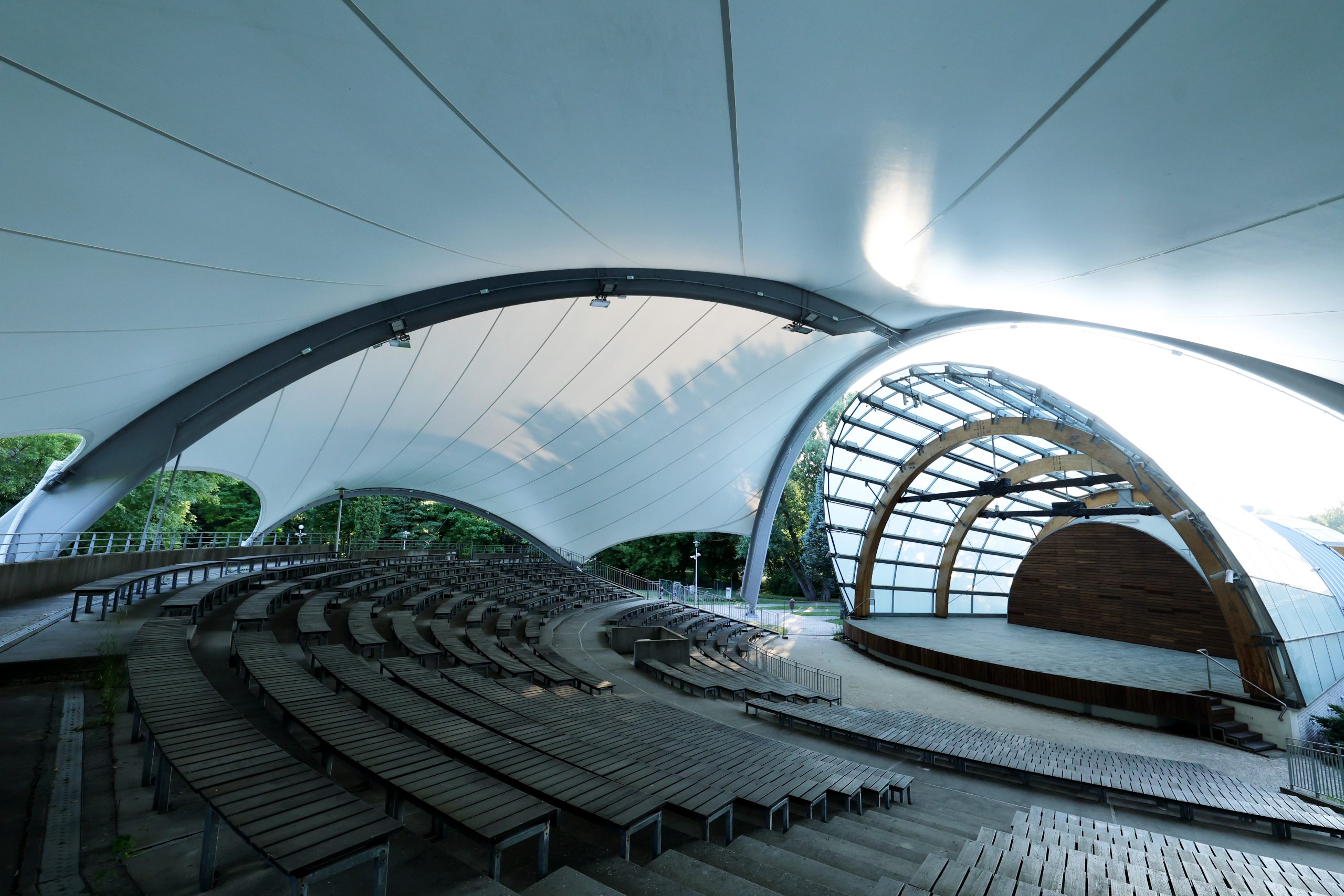
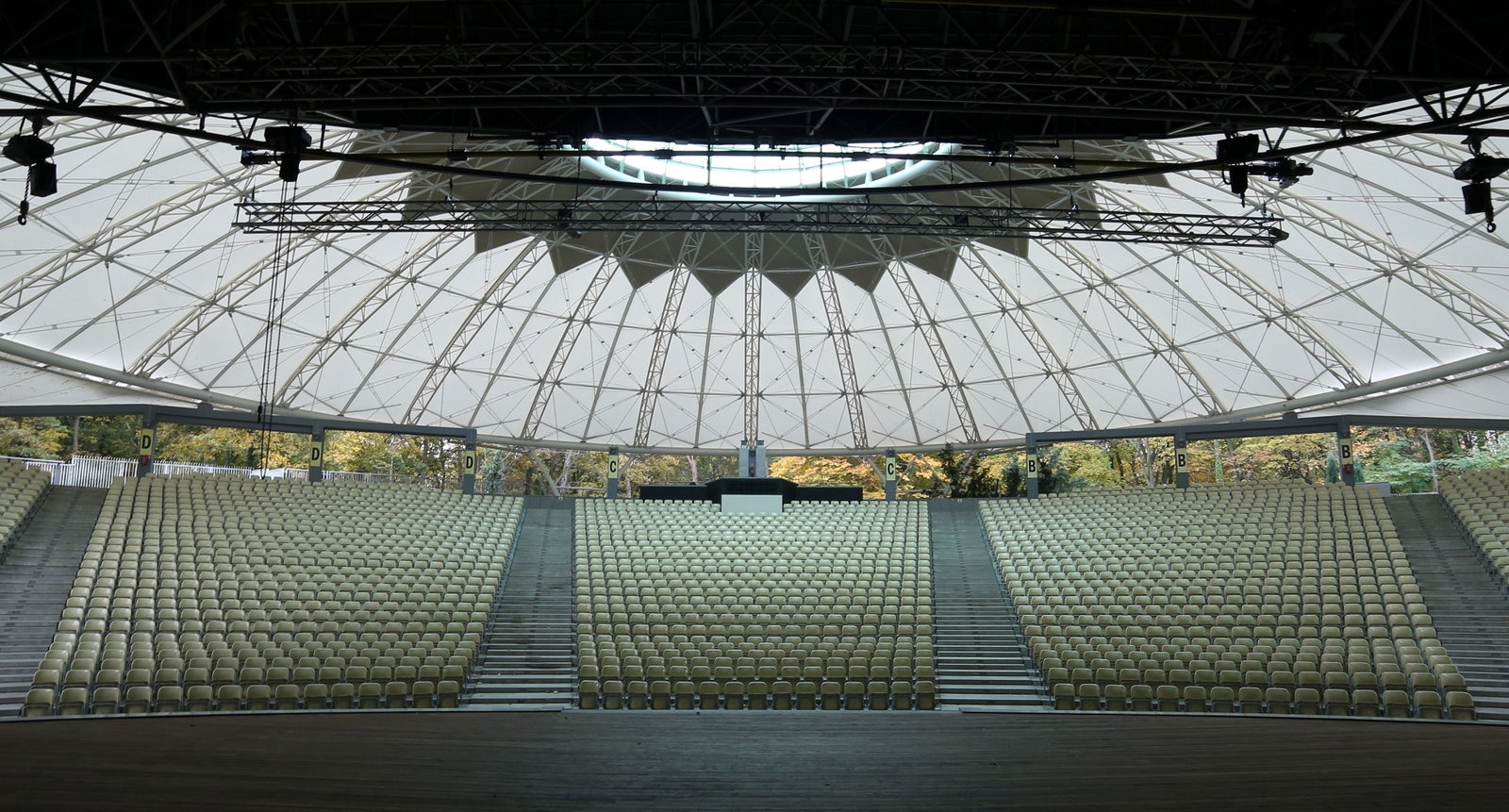
You’ve probably noticed how membrane structures are transforming the face of modern architecture. Their lightness, fluid lines, and almost unlimited potential for shaping space inspire architects and investors worldwide. When building amphitheatres, performance halls, or covering city squares, we choose membranes not only for their aesthetics or protective function. It turns out that these modern materials can actively shape the acoustics of a space, which is crucial for comfortable event reception. After all, excellent sound is the foundation of a successful concert, spectacle, or even a public speech.

What are Membrane Structures?

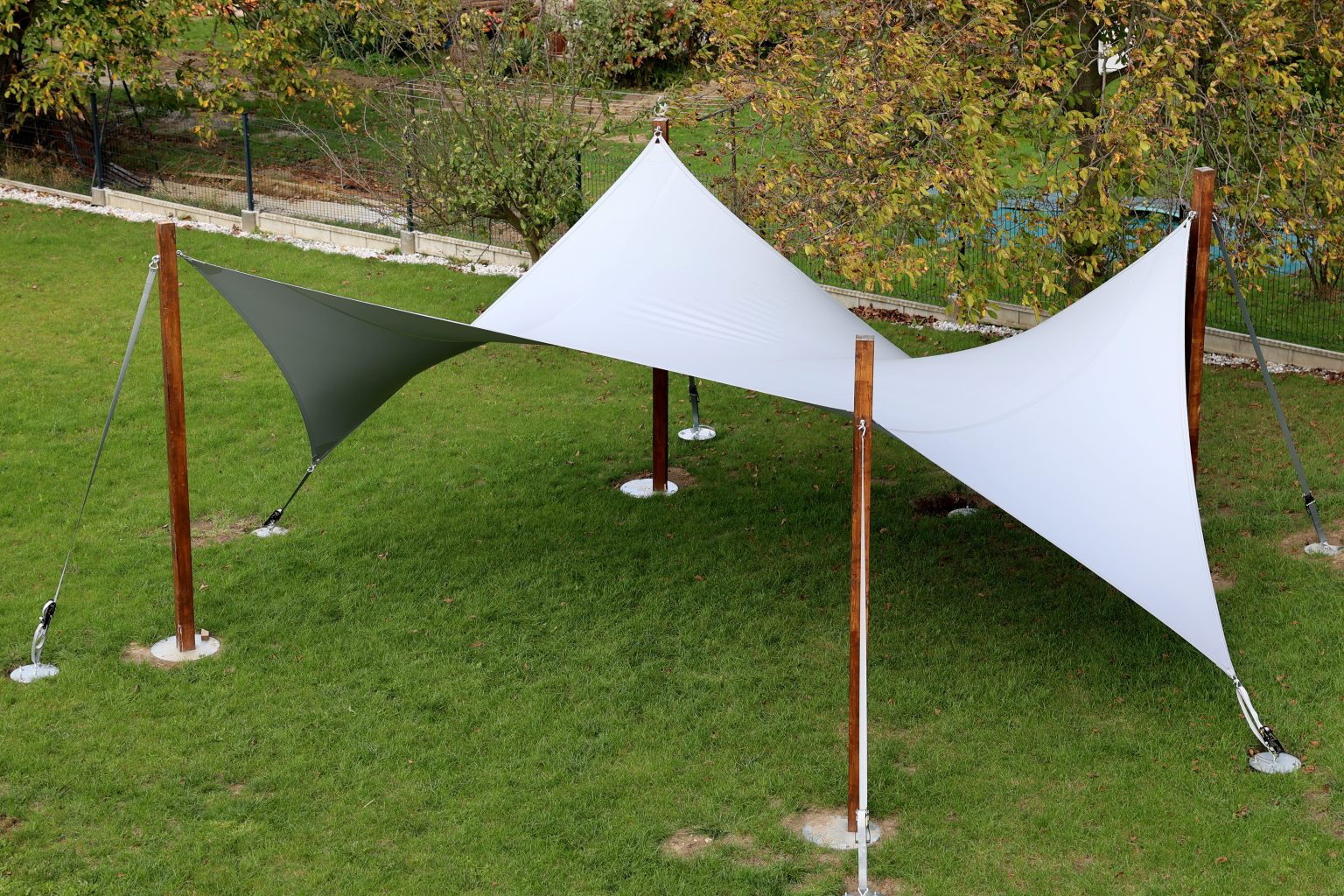
Simply put, membrane structures are technologically advanced coverings whose main element is a special fabric or film, tensioned over a supporting structure. Imagine a sail – the principle is similar. Proper tension and giving the membrane a characteristic, double-curved shape (resembling a saddle) make it stable and capable of bearing loads such as wind or snow. This allows us to create lightweight yet durable membrane canopies with impressive spans.

The key to success is selecting the right material. In our projects, we most often use three basic types of membranes:

  • PVC (polyvinyl chloride): A popular and versatile material offering a good quality-to-price ratio. It’s flexible and available in a wide range of colors.
  • PTFE (polytetrafluoroethylene, or Teflon): Glass fiber fabrics coated with PTFE are characterized by exceptional durability, resistance to dirt (they are practically self-cleaning), and UV radiation. This is a long-term solution.
  • ETFE (ethylene-tetrafluoroethylene): This is a transparent film, extremely light and resistant. It allows for the creation of “glass” roofs without the weight and fragility of traditional glass, letting in plenty of natural light.

Material selection isn’t just a matter of aesthetics, durability, or budget. Each of these materials interacts differently with sound. At Abastran, we have extensive experience working with each of them, choosing the optimal solution for the specific project and client’s expectations, including acoustics. The goal is for the final structure to be not only beautiful and functional but also to provide optimal acoustic comfort.

How Do Membranes Affect Sound in Amphitheatres?

Due to their lightness and specific construction, membrane structures interact with sound waves differently than heavy, traditional materials. They can reflect sound, partially absorb it, or transmit it, and the final effect depends on many factors:

  • Type of membrane
  • Its tension
  • Shape of the entire structure (the most important factor)

This is precisely why designing acoustics in membrane-covered facilities requires special attention, especially in places like amphitheatres, where sound clarity and intelligibility are a priority.

Canopy geometry is of fundamental importance here. We must be careful with concave shapes, which can act like a lens, focusing sound in one spot and creating an unpleasant echo or uneven sound reinforcement for the audience. The most important aspects of geometry:

  • We prefer forms with double anticlastic curvature (saddle shape)
  • Such forms naturally disperse sound waves
  • They provide more even sound throughout the space

By appropriately modeling the shape of the membrane, we can even subtly amplify sound and direct it towards the audience, improving audibility without excessive use of loudspeakers.

Another important aspect is reverb control. Too long a reverb time causes sounds to overlap, and speech becomes unintelligible. Membranes themselves are not strongly sound-absorbent materials, especially for low frequencies. However, by using appropriate solutions, we can effectively manage reverb:

  • Perforated membranes
  • Multi-layer systems with additional acoustic insulation
  • Appropriate spatial shaping

Designing acoustics under a membrane is a complex process. Therefore, we always recommend:

  • Using advanced computer simulations
  • Close collaboration with an experienced acoustician
  • Conscious decision-making regarding materials and form

This allows us to minimize the risk of problems and create facilities with truly good acoustics.

Do Membranes Protect Against Noise? About Acoustic Insulation

When we think about acoustic comfort, not only the sound quality inside the facility is important, but also protection from external noise and limiting sound escaping to the outside. Can lightweight membrane structures provide adequate acoustic insulation? The answer is yes, but it requires the use of appropriate solutions.

A single membrane layer, due to its low mass, has limited sound attenuation capabilities, especially for low frequencies. Significantly better results are achieved by using multi-layer systems:

  • Two or three membrane layers separated by an air gap
  • The gap filled with sound-absorbing material (e.g., special wool)
  • Specialist acoustic membranes with a perforated structure

However, remember that even the best materials won’t work if the structure isn’t airtight. Potential problems:

  • Leaks at the connections between the membrane and the supporting structure
  • Installation penetration points
  • Lack of mounting precision

Therefore, we attach great importance to mounting precision and the use of dedicated sealing systems. Only in this way can we guarantee that the entire membrane barrier will act as an effective acoustic barrier.

Remember that every project is different. There are no ready-made recipes for ideal acoustics under a membrane. The key is an individual approach, flexibility, and openness to innovation. At Abastran, we combine our engineering knowledge with experience in realizing complex membrane projects, always prioritizing the client’s needs and the quality of the final result. If you are considering using a membrane structure in your project and excellent acoustics are important to you, we invite you to consult with us – our experts will help you find the best solution.

Fire Resistance of Membrane Structures (PVC, PTFE, ETFE)

Dodatkowe treści

Fire Resistance of Membrane Structures (PVC, PTFE, ETFE)

You’ve probably noticed how membrane structures are increasingly making their way into the world of modern architecture. Their lightness, flexibility, and unique appearance make them a popular choice for designing stadium roofs, amphitheaters, and building facades. We use advanced materials like PVC, PTFE, and ETFE for this purpose. However, with their growing popularity, a crucial question arises: how do we ensure the fire safety of such structures? As specialists in this field, we want to share our knowledge with you so you can make informed and safe design decisions.

Get to Know Membrane Materials: PVC, PTFE, and ETFE in Terms of Fire

Choosing the right membrane is fundamental. It determines not only the appearance and durability of the structure but also has a direct impact on its behavior during a fire. Let’s look at the three most popular players on the market: PVC, PTFE, and ETFE. Each has unique characteristics that determine how it will react to contact with fire and high temperatures. At Abastran, we work with these materials daily, designing and executing membrane and ETFE structures, so we know their specifics well.

PVC membranes are a frequently chosen, economical solution. We value them for their good strength and ease of welding, which allows us to create tight joints. In terms of fire safety, PVC is classified as a flame-retardant material (usually class B-s1, d0). This means that it stops burning on its own after the source of ignition is removed. However, you must remember that at high temperatures, it can release toxic gases, which is a significant risk factor.

PTFE membranes, on the other hand, which are popular Teflon applied to a fiberglass mesh, are in a completely different league. They are extremely durable, resistant to sun and chemicals, and self-cleaning. Most importantly from a fire perspective, PTFE is a non-combustible material (class A2-s1, d0). It does not melt or form burning droplets, significantly increasing the level of safety. ETFE films, used primarily in the form of lightweight cushions, are striking due to their transparency. Like PVC, they are flame-retardant (class B-s1, d0). In fire, they melt, creating openings, which can help with smoke ventilation, but also carries the risk of hot material dripping.

Fire Resistance in Regulations: Standards and Classes You Need to Know

To assess how a given membrane structure will behave in a fire, we use European standards, which also apply in Poland. The key document here is the PN-EN 13501-2 standard. It specifies how we classify building elements in terms of fire resistance. This classification is expressed using letters and numbers, and the most important for you will be three letters: R (load-bearing capacity), E (integrity), and I (insulation).

  • R (Load-bearing capacity): Indicates how long a structural element (e.g., a membrane roof on a steel frame) will maintain its shape and strength under load during a fire, without collapsing.
  • E (Integrity): Defines the ability of a barrier to prevent fire and hot gases from passing through to the other, safe side.
  • I (Insulation): Indicates how well an element protects against excessive temperature rise on the side not affected by the fire. The goal is to prevent the ignition of other materials or danger to people.

The time given next to these letters (e.g., RE 30, REI 60) indicates for how many minutes the given property is maintained during a standard fire test. Depending on whether you are designing a roof or a wall, the requirements for R, E, and I may vary. Detailed test methods for specific applications can be found in standards such as EN 1365-2 (for roofs) or EN 13381-1 (for fire protection). Remember that interpreting these markings and selecting the appropriate class is key to a safe design.

How to Read Fire Resistance Certificates?

A fire resistance certificate is an important document, but you need to know how to read it. They are issued by specialized laboratories, such as the Building Research Institute (ITB). You will find the exact fire resistance class (e.g., REI 60) in it, but pay attention to the details. This class applies to a specific, tested system: the type of membrane, insulation type, supporting structure, and installation method.

The most important rule: do not assume that a certificate obtained for one system automatically applies to another, even if the differences seem minor. A change in insulation thickness or membrane fastening method can completely alter its behavior in fire. Therefore, always ensure that your design solution is identical to the one described in the certificate. Also, check the validity date of the document, as standards and technologies change. If you have doubts about interpreting documentation or selecting the right system for your project, contact us – the Abastran team will be happy to share their knowledge.

Membrane Comparison – PVC vs PTFE vs ETFE

Which membrane is the safest in terms of fire? A direct comparison shows clear differences. The undisputed leader is the PTFE membrane on a fiberglass carrier. It is non-combustible (class A2-s1, d0), meaning it practically does not participate in a fire. It does not melt, drip, or support combustion. This is the best choice if passive safety is the top priority, for example, in public buildings with high traffic.

PVC membranes and ETFE films belong to flame-retardant materials (usually class B-s1, d0). This means they burn with difficulty, produce little smoke, and do not form burning droplets in standard tests. However, their behavior in fire is different from PTFE. PVC softens and melts, and worse, can release toxic hydrogen chloride. ETFE also melts, creating openings, which can help with smoke ventilation, but poses a risk of hot plastic dripping. When choosing between PVC and ETFE, you must consider the project specifics, potential effects (smoke, toxicity, dripping), and the fire resistance requirements of the entire barrier.

Membranes in Action: Examples and Practical Conclusions

How do membranes perform in real-life situations? Let’s look at a few examples. In large stadiums or concert halls, you often see roofs made of PTFE membrane. Why? Because it’s non-combustible. Even if a fire breaks out beneath it, the membrane itself will not become additional fuel. This is crucial for the safety of thousands of people during evacuation.

ETFE films on roofs or facades have an interesting property: they melt, creating openings. Designers sometimes use this as part of a smoke ventilation system, allowing smoke and hot air to escape. However, the risk of dripping molten plastic must be considered, and evacuation routes should be adequately protected. PVC membranes, although flame-retardant, can release toxic smoke in an intense fire. Therefore, in facilities with special safety requirements, their use may be limited or require additional safeguards. Each case is different and requires an individual risk analysis.

Let’s remember that the reaction to fire classification of the material itself is not everything – the key is the fire resistance of the entire building element (R/E/I), considering the cooperation of the membrane with the supporting structure and potential insulation. Investing in certified, proven solutions and cooperating with experienced designers and contractors specializing in membrane technologies is the best guarantee of creating a structure that is not only modern and functional but above all, safe for its users.

If you are facing a design challenge related to membrane, steel, or ETFE structures, we invite you to contact Abastran – together we will find the optimal and safe solution. Regular monitoring of the technical condition of the structure allows its properties to be maintained for many years.

How to Maintain a Membrane Roof So It Lasts for Years?

Dodatkowe treści

How to Maintain a Membrane Roof So It Lasts for Years?

You’ve probably noticed how membrane roofing systems are changing the face of modern architecture. Their lightness, elegance, and almost unlimited possibilities for shaping space mean we see them increasingly often over stadiums, sports halls, amphitheatres, and shopping centers. They are not just functional coverings but true architectural works of art. However, to fully enjoy their benefits, you must remember one key aspect: regular and professional maintenance. It is this that guarantees the safety, durability, and impeccable appearance of your investment for many years.

What is a Membrane Roof?

Simply put, a membrane roof is a structure where the main role is played by a specialized, tensioned technical fabric. It forms the roof and transfers loads. We most often use proven materials such as polyester-reinforced PVC, extremely durable PTFE based on glass fiber, or innovative ETFE film, often in the form of air-filled cushions. Each has its unique advantages. PVC is a great compromise between price and quality, PTFE impresses with durability and ease of cleaning (often having self-cleaning properties), and ETFE provides amazing visual effects thanks to its transparency and lightness.

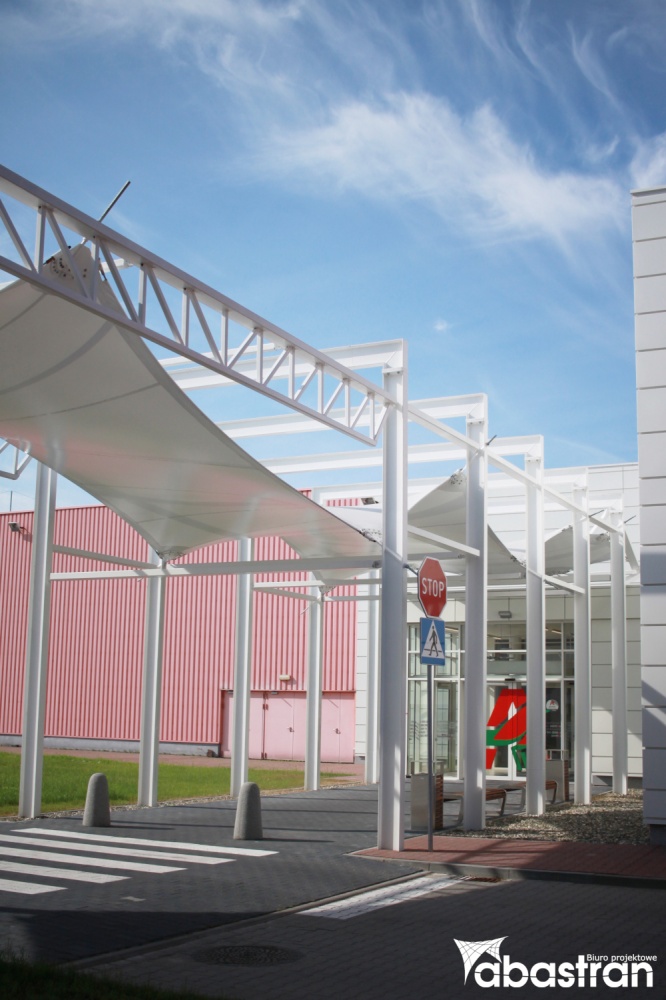
Why are these structures so popular? Primarily due to their low weight, immense tensile strength, and flexibility, which allows architects to create truly spectacular forms. Add to this high resistance to weather conditions. Therefore, they are ideal for covering large spaces: stadiums, halls, amphitheatres, stations, or shopping centers. But they also look great on a smaller scale, covering terraces or building entrances. They lend buildings lightness, modernity, and prestige.

Maintenance is Key – Why is it So Important?

Regular, professional maintenance of your membrane roof is an absolute necessity. It’s not a whim but the key to ensuring its longevity, safety, and aesthetics. Through systematic inspections, you can detect minor problems early, such as small damages, leaks, or the first signs of dirt, before they turn into a serious failure and generate significant costs. Professional maintenance minimizes the risk of material degradation due to sun, rain, or pollution, protecting the integrity of the entire structure.

Neglecting this can have unpleasant consequences. Dirt and moisture promote the growth of algae or fungi, which not only disfigure the membrane but can also damage it. Undetected cracks or abrasions lead to leaks, and in extreme cases, even to the weakening of the supporting structure due to accumulating water or ice. Ignoring service recommendations shortens the membrane’s lifespan and increases the risk of failure, which can endanger people’s safety. Therefore, treat maintenance as an investment in peace of mind and the protection of your property.

How to Organize Technical Inspections and Service?

Regular technical inspections are the basis for effective maintenance. They allow for a professional assessment of the roof’s condition and planning necessary actions. We recommend conducting a full inspection at least once a year. It is also advisable to commission an additional inspection after any violent storm, heavy snowfall, or hailstorm. Such systematic approach allows for continuous monitoring of the membrane’s condition and prompt reaction to potential problems.

What does a professional inspection include? First and foremost, a thorough assessment of the membrane itself: we look for mechanical damage (abrasions, cracks), check the condition of seams, evaluate the degree of soiling, and look for signs of material aging. Then, we inspect all elements securing the membrane to the structure: ropes, bolts, profiles – we check their completeness, condition, and proper tension. The supporting structure and water drainage systems are also assessed. Cooperation with a specialized service company, possessing appropriate experience and facilities, guarantees that nothing will be overlooked.

Cleaning and Care of the Membrane – How to Do It Right?

Regular cleaning is not only a matter of aesthetics but also an important element of care that prevents permanent staining and the growth of microorganisms. So, how to safely clean the membrane? Use only mild cleaning agents with a neutral pH, preferably those recommended by the manufacturer, diluted in water. Hand washing with a soft brush, sponge, or microfiber cloth works best. Absolutely avoid pressure washers from close distances or under too high pressure, as they can damage the delicate coating.

How often should you clean? This depends on the location of the facility and the type of membrane, but generally, we recommend thorough cleaning once or twice a year. In case of heavy soiling, such as bird droppings, remove them as soon as possible to prevent permanent discoloration. Remember: never use aggressive chemicals (solvents, bleaches), hard brushes, or sharp tools! They can irreversibly damage the membrane. If you are unsure how to proceed, it’s better to entrust the cleaning to a professional company.

What to Avoid? The Most Common Mistakes in Use and Maintenance

Even with the best intentions, mistakes happen during operation and maintenance that can shorten the life of your roofing. It’s worth knowing them to avoid them. The most common include:

  • Mechanical damage: Be careful with sharp objects near the membrane, both during daily use and maintenance work. Never remove snow or ice with sharp tools (e.g., metal shovels).
  • Improper cleaning: Using aggressive chemicals or hard brushes is a direct way to destroy the membrane’s protective layer.
  • Neglecting inspections: Skipping regular inspections prevents early detection of problems that can become serious and costly to repair over time.
  • Ignoring recommendations: The manufacturer and designer know best how to care for a specific structure. Disregarding their instructions can lead to loss of warranty and shortened roof lifespan.

Awareness of these potential pitfalls and adherence to proper operating principles will help you avoid many problems and enjoy your roof for many years.

Remember that caring for a membrane roof is not an unpleasant duty but a conscious action to protect your investment and ensure the safety of users. Regular maintenance, carried out by professionals or according to their recommendations, will allow you to enjoy all the advantages of this modern solution for a long time. Cooperation with experienced service technicians and maintaining documentation is the foundation of effective management. If you have any questions about the maintenance of your roof, need professional advice, or are looking for a trusted partner for its service or modernization, feel free to contact the experts at Abastran. We will be happy to share our knowledge and experience. Thanks to this, your roof will not only be functional and safe but will become a true showcase of the facility.

How to Read Technical Roofing Designs?

Dodatkowe treści

How to Read Technical Roofing Designs?

The growing popularity of lightweight structures in modern architecture has brought about the need to understand specific technical documentation. Designs for membrane, steel, or pneumatic structures differ significantly from traditional construction documentation, requiring a different interpretive approach. Precise analysis of technical documentation is the foundation of safety and durability, especially for structures exposed to extreme weather conditions.

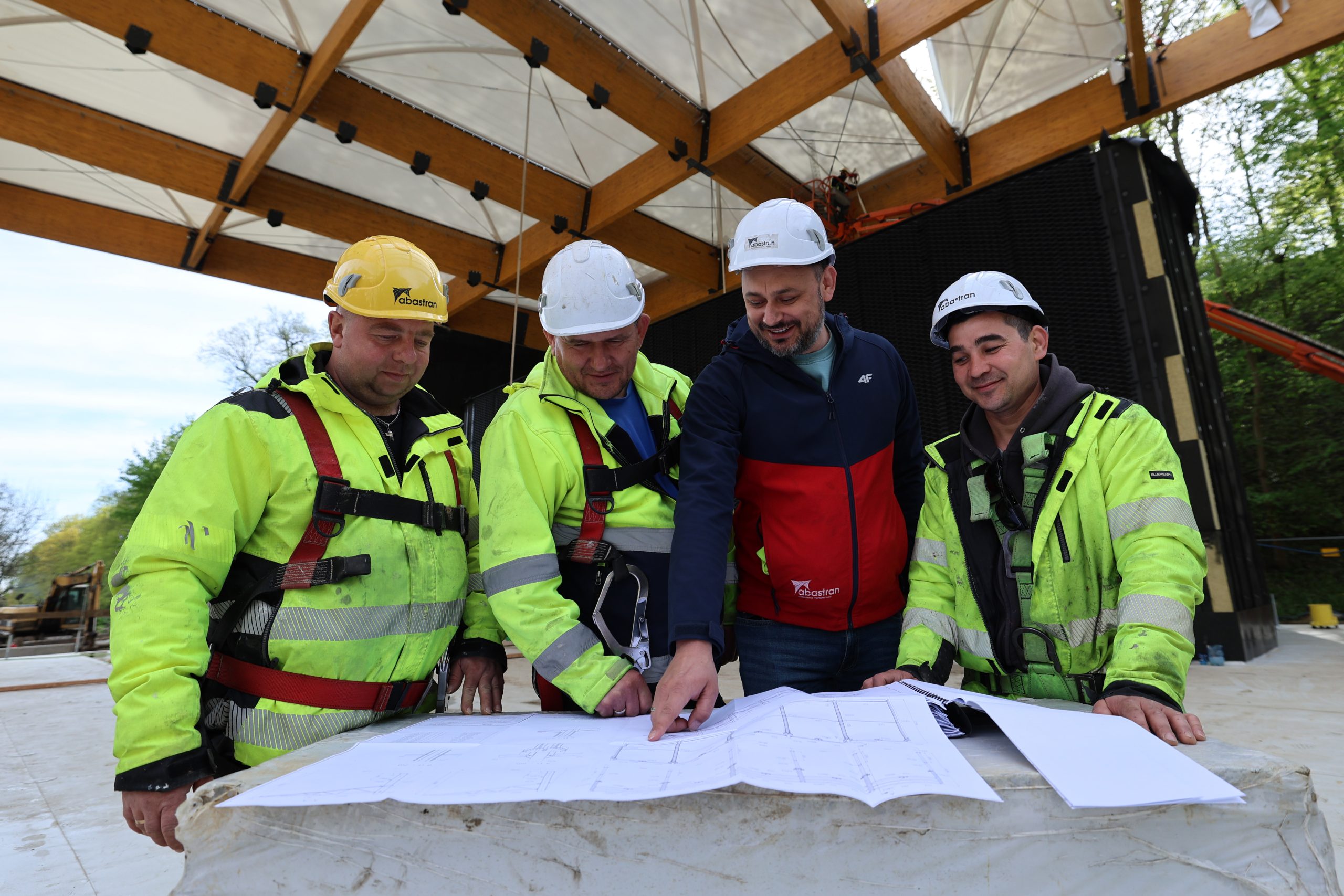
Technical documentation for roofing is a complex set of information requiring specialist knowledge. At Abastran, we work daily with designs for various types of structures, helping investors understand their technical aspects and optimize structural solutions for specific needs.

Basics of Technical Roofing Documentation

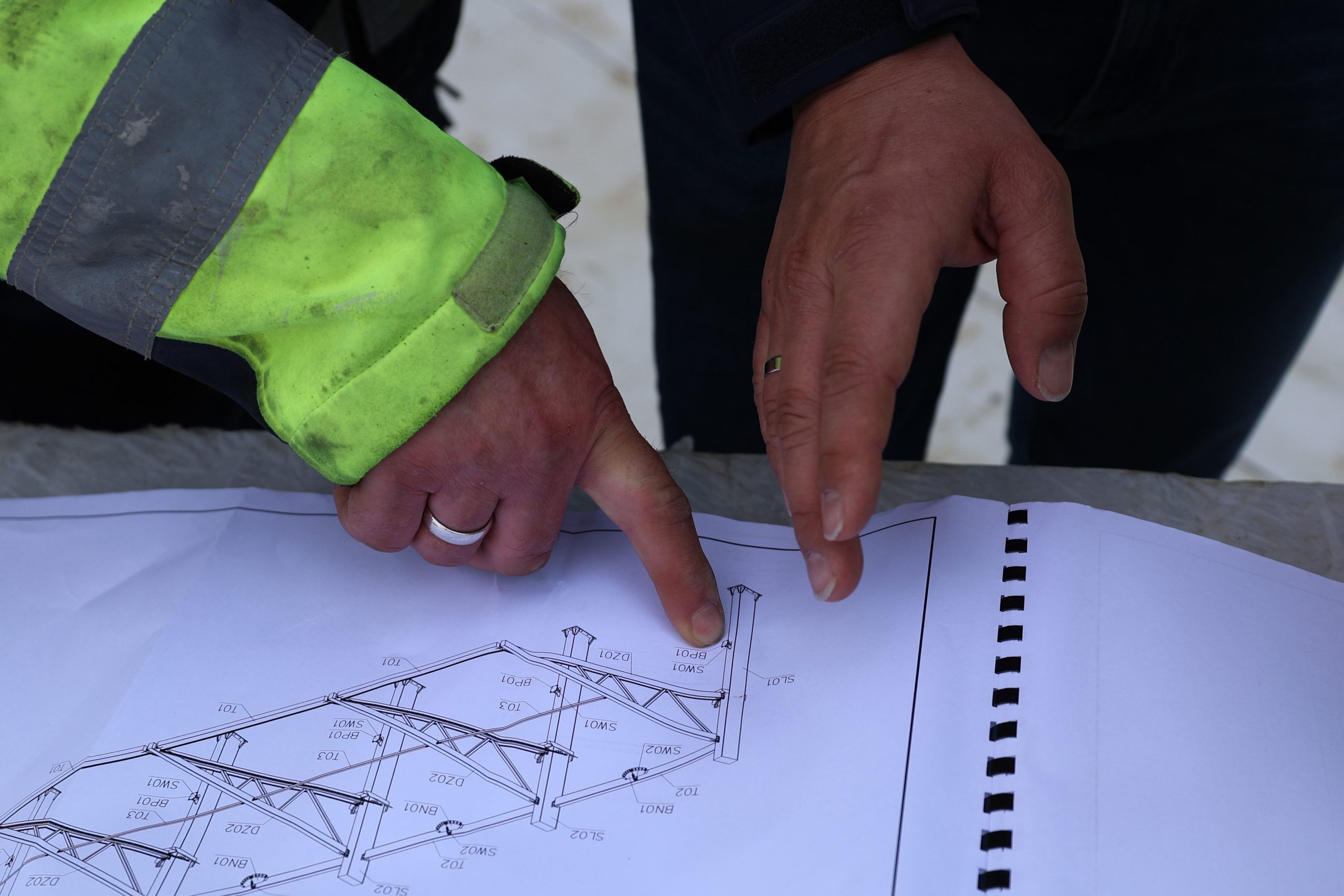
Every roofing project contains several key elements that require special attention. The foundation consists of plans, sections, and assembly details, which present the structure from different perspectives. Plans show a top view, allowing understanding of the overall layout, while sections reveal the internal structure and how elements are connected. Assembly details focus on critical points such as nodes, fixings, or connections between different materials.

It’s important to distinguish between conceptual and execution drawings. The former present the general idea of the project for initial approval, while the latter contain precise dimensions, material specifications, and assembly instructions necessary for implementation. When analyzing technical documentation, always verify the drawing scale and units of measurement – seemingly minor inaccuracies can lead to serious execution errors. Our experience in designing membrane structures shows that potential problems can be identified at this stage, and optimizations can be introduced to save time and costs during implementation.

Specifics of Different Structure Types

Membrane structures require special attention when analyzing stresses and the layout of patterns (material cutting templates). The technical documentation for such roofing includes information about the distribution of forces in the membrane, which directly affects the shape and stability of the entire structure. Understanding how the material will behave under various loads is crucial in these projects, which is why they often include results from computer analyses showing deformations under wind or snow loads.

In the case of steel structures, the documentation focuses on profile designations, welded connections, and node details. ETFE projects, on the other hand, are distinguished by the pressure specification of the pneumatic chambers, which determines not only the system’s operating parameters but also its behavior in emergency situations. When analyzing ETFE projects, particular attention should be paid to the light transmission coefficient, which is crucial for the comfort of using the facility. At Abastran, we specialize in designing all these types of structures, offering comprehensive support from concept to completion.

Decoding Technical Symbols

The symbol legend is an indispensable element of any technical project. In roofing documentation, we encounter a range of specific symbols – from mounting anchors to PVC welds. Understanding these symbols is key to correctly interpreting the project. Material designations indicate the type of components used, and it is important to distinguish between similar materials, such as PTFE and PVC, which, despite apparent similarities, have different properties and applications.

Load symbols, such as wind and snow indicators, inform about the anticipated forces acting on the structure. Their correct interpretation allows assessment of whether the project meets the requirements for a given geographical location and climatic conditions. Creating a personal dictionary of symbols for frequently encountered manufacturers is good practice, significantly speeding up documentation analysis. Our experience in PVC welding and PTFE fabrication allows us to accurately interpret even the most complex technical symbols, translating into flawless execution.

Analysis of Technical Parameters and Legal Requirements

Material strength is one of the most important aspects of any roofing project. Technical documentation includes the classification of fabrics and foils, specifying their strength parameters and durability. For temporary structures, safety factors are particularly important, accounting for potential overloads and material fatigue. The specification of anchoring systems determines how loads are transferred to the ground or existing structure.

The PN-EN 13782 standard for temporary structures forms the legal basis that technical documentation must meet. It specifies minimum safety requirements, test procedures, and guidelines for assembly and disassembly. During the acceptance of pneumatic installations, pressure test protocols confirming the system’s tightness and strength are crucial. It is always worthwhile to request homologation certificates for all load-bearing elements, guaranteeing their compliance with applicable standards. At Abastran, we place particular emphasis on the compliance of our projects with legal requirements, ensuring the complete safety of the implemented structures for our clients.

If you need professional help interpreting technical roofing documentation or are planning a project for a membrane, steel, ETFE, or tent structure, contact our team of experts. Years of experience in the industry allow us to offer solutions that combine innovation with the highest safety standards.

How to Choose a Sports Facility Roofing System?

Dodatkowe treści

How to Choose a Sports Facility Roofing System?

In recent years, we have observed a dynamic increase in the number of covered sports facilities in Poland. Statistics show that the number of covered pitches has increased by over 40% in the last decade alone. This trend stems from the growing expectations of users who want to use sports infrastructure year-round, regardless of weather conditions. However, choosing the right roofing system is a complex challenge due to the variety of available technological and material solutions.

The decision on the type of roofing for a sports field should be preceded by a thorough analysis of needs and local conditions. In this article, we present key selection criteria supported by practical examples to help investors make an optimal decision tailored to their individual requirements.

Key Factors in Choosing a Roofing System

The first step in choosing the right roofing is a thorough analysis of user needs. It must be determined whether the facility will primarily serve indoor sports or if it should retain the character of an open space with the possibility of temporary covering. Equally important are the climatic conditions of the region where the structure will be built – snow load in mountainous regions may require the use of reinforced structural systems compliant with the PN-EN 1991-1-3 standard.

Specific requirements of sports disciplines also determine the choice of roofing. Different height and span parameters will be needed for football pitches compared to tennis courts or basketball courts. It is also worth considering the flexibility of the space for organizing non-sporting events, which can significantly increase the investment’s profitability. At Abastran, we specialize in designing membrane structures and steel structures that can be optimally adapted to the specific requirements of various sports disciplines.

Overview of Sports Roofing Technologies

Pneumatic halls (air domes) are an interesting option for investors looking for temporary solutions. According to regulations, structures installed for a period not exceeding 180 days do not require a building permit, which significantly simplifies formalities. This technology works particularly well for tennis courts, where systems with a double PVC membrane provide up to 40% energy savings compared to traditional solutions.

Steel structures offer durable, permanent solutions with the possibility of using advanced thermal insulation systems. For prestigious facilities, innovative ETFE systems are increasingly used, combining lightness with exceptional durability and light transmission. Hybrid solutions, combining the advantages of a permanent structure with membrane elements, are also an interesting trend. Our experience in designing and producing pneumatic halls allows us to advise on the best solution tailored to the specific needs and budget of the investor.

Construction Materials – Durability and Economy

The choice of construction materials is crucial for the durability and operating costs of the facility. PVC membranes have a lifespan of 15-25 years and high resistance to UV radiation. Polycarbonate glass provides excellent acoustic insulation and impact resistance, which is particularly important in sports facilities. Galvanized steel structures require regular maintenance, usually every 5 years.

Innovative solutions are also appearing on the market, such as self-cleaning coatings or photovoltaic systems integrated into the roof, which can significantly reduce the facility’s operating costs. For outdoor swimming pools, membranes with an anti-algae coating are worth considering, reducing cleaning costs by up to 30%. At Abastran, we offer professional PTFE fabrication and PVC welding, ensuring the highest quality execution of membrane coverings for sports facilities.

Legal Aspects and Formalities

Implementing roofing for a sports field involves meeting specific legal requirements. Permanent structures are subject to zoning conditions, while temporary structures are regulated by the Building Law Act. It is also important to consider the requirements of sports organizations, such as the PZPN (Polish Football Association), regarding lighting and ventilation.

According to the 2024 amendment to the regulations, mobile structures up to 300 m² do not require a building permit, creating interesting opportunities for school and local projects. Adapting the facility to fire safety regulations is also crucial, which may influence the choice of materials and technical solutions. We invite you to contact our team of specialists, who will help guide you through all the formalities related to the implementation of sports roofing.

Choosing the optimal roofing system for a sports field requires a comprehensive approach considering technical, economic, and legal aspects. It is worthwhile to conduct a pre-investment audit and consult with an experienced designer who will consider the entire life cycle of the facility before making a decision. Modern trends, such as integrated structural monitoring systems, can further enhance the safety and operational efficiency of the roofing.

Steel Structure Certifications – What to Pay Attention To?

Dodatkowe treści

Steel Structure Certifications – What to Pay Attention To?

Steel construction is an area where safety and workmanship quality are of fundamental importance. Statistics show that over 60% of structural failures in Europe are caused by execution defects that could have been eliminated with an appropriate quality control system. The introduction of the mandatory EN 1090 standard in 2014 was a breakthrough in standardizing requirements for steel structures throughout the European Union. This provided investors with clear criteria for evaluating contractors and manufacturers with precise guidelines for production processes.

Understanding the certification system is crucial for both investors and contractors. The differences between execution classes EXC1-EXC4 determine not only technological requirements but also affect the safety of building use. Certificates are not just a formality – they are a guarantee that the structure meets all necessary legal and technical requirements.

Mandatory Legal Certifications in Steel Structures

The basic legal requirement for manufacturers of steel structures is to hold a certificate of conformity of Factory Production Control (FPC) in system 2+ according to the Regulation (EU) No 305/2011 of the European Parliament and of the Council (CPR). This document confirms that the manufacturer has implemented and maintains a production control system compliant with the EN 1090 standard. Without this certificate, the manufacturer is not allowed to affix the CE marking to their products, which effectively prevents the placing of steel structures on the European market.

The EN 1090 standard consists of three parts, the most important for steel structure contractors being part two (EN 1090-2), which specifies technical requirements for steel structures. When choosing a contractor, it is always worth requesting a current FPC certificate and ensuring they are certified in the appropriate execution class. For dynamically loaded structures, such as steel structures or industrial halls, a minimum class of EXC3 is recommended, which guarantees rigorous quality control procedures for welding and assembly.

Quality Certifications in Steel Structure Production

In addition to mandatory legal certifications, reputable manufacturers of steel structures hold additional quality certifications. Key among these is ISO 3834, which specifies quality requirements for fusion welding of metallic materials. This certificate confirms that the company has the appropriate competence, equipment, and procedures to perform high-quality welded joints. Depending on the execution class of the structure, the appropriate level of ISO 3834 certification (parts 2, 3, or 4) is required.

Equally important is the ISO 9001 certificate, confirming the implementation of a quality management system throughout the organization. Companies holding the ISO 45001 certificate further minimize the risk of assembly errors through proper occupational health and safety management. When ordering steel structures, it is also worth paying attention to material certificates (so-called attestations) and non-destructive testing (NDT) reports, which confirm the quality of the materials used and the welded joints performed.

Execution Classes EXC in Engineering Practice

The EN 1090-2 standard defines four execution classes for steel structures (EXC1-EXC4), which determine the stringency of requirements for production and erection. EXC1 is the least demanding and is mainly used for auxiliary structures with low risk, such as shelters or simple elements not carrying significant loads. For typical warehouse halls, EXC2 is usually sufficient, while public utility buildings, bridges, or structures subjected to dynamic loads require EXC3.

The highest class, EXC4, is reserved for structures of special importance or those exposed to extreme loads, such as power plants or industrial facilities with increased risk. When designing specialized structures, such as biogas plants or pressure vessels, precisely defining the execution class at the design stage is crucial. At Abastran, we specialize in the design and implementation of steel structures in EXC2 and EXC3 classes, ensuring full compliance with normative requirements.

Verification of Certificates and Consequences of Their Absence

Verifying the authenticity of certificates is a key element when choosing a steel structure contractor. FPC certificates are issued by notified bodies, such as TÜV Rheinland or the Institute of Welding (Instytut Spawalnictwa), and their authenticity can be checked directly on the websites of these institutions. It is worth paying attention to the scope of certification (whether it covers the type of structure of interest) and the expiry date – most certificates require renewal every 3-5 years.

The consequences of choosing a contractor without the appropriate certificates can be serious. From a legal standpoint, a structure without CE marking should not be approved for use, which can result in the investment being halted by building supervision authorities. From a technical standpoint, the lack of certification increases the risk of execution defects, which can lead to structural failure, endangering user safety. Additionally, in the event of damage caused by structural defects, insurers may refuse to pay compensation if the structure did not meet normative requirements.

When choosing a steel structure contractor, it is worth consulting with an experienced building supervision inspector or using the services of our company, Abastran. We have many years of experience in implementing projects compliant with the highest quality standards.

Key Stages in Steel Structure Design

Dodatkowe treści

Key Stages in Steel Structure Design

In recent years, we have observed a dynamic increase in demand for advanced steel structures, clearly indicating the growing importance of this sector in modern construction. Designing steel structures is a complex process that requires not only engineering knowledge but also the ability to combine technical aspects with economic ones. This is particularly evident in the implementation of specialized projects, such as membrane structures, ETFE, or tent structures, where the traditional design approach must be modified.

The key to success in designing steel structures is an integrated approach that considers not only the conceptual phase but also production and assembly aspects. Experience from complex projects, like large-span roofs or inflatable halls, shows that early collaboration between designers and the production and assembly departments helps avoid costly mistakes and optimizes the entire investment process. In this article, we will present a comprehensive approach to designing steel structures, based on many years of practical experience and the latest technological trends.

Stages of the Steel Structure Design Process

Professional steel structure design is a multi-stage process that requires a systematic approach and in-depth knowledge of both technical and formal aspects. Regardless of the type of structure – whether we are talking about classic steel halls or specialized membrane structures – the design process can be divided into five key stages that determine the final success of the project.

First Stage – Requirements Analysis and Concept Development

The first stage is requirements analysis and concept development. At this stage, we gather information regarding the intended use of the facility, site conditions, investor expectations, and budget constraints. It is also crucial to identify ground conditions, climatic conditions, and environmental loads that will affect the structure. According to Eurocode 3 standards (PN-EN 1993), we determine the consequence class of the structure and the associated reliability requirements at this stage. We often encounter situations where insufficient initial assessment leads to costly changes in later project phases, which is why a thorough analysis of all factors is so important.

Second Stage – Modeling and Structural Analysis

The second stage is modeling and structural analysis. Using specialized engineering software, we create a computational model of the structure, considering all significant load-bearing elements and connections between them. Then, we perform static and dynamic analysis, verifying the structure’s behavior under various load combinations according to PN-EN 1990 and PN-EN 1991 standards. For special structures, like membrane roofs or inflatable halls, advanced non-linear analyses considering the specifics of materials and geometry are necessary. Remember, verifying the computational model is crucial at this stage – even the most accurate calculations cannot compensate for errors in the initial assumptions.

Third Stage – Dimensioning of Structural Elements

The third stage is the dimensioning of structural elements and connections. Based on the analysis results, we select appropriate cross-sections for steel elements and design the connections between them. This process must comply with the requirements of Eurocode 3, considering ultimate limit states. We pay special attention to connections, which are often the weakest links in the structure. In our design practice, we apply the 30/70 rule – allocating 30% of the time to concept and analysis, and 70% to optimization and detailed dimensioning of elements and connections. This approach helps us avoid many problems during the execution phase.

Fourth Stage – Development of Execution Documentation

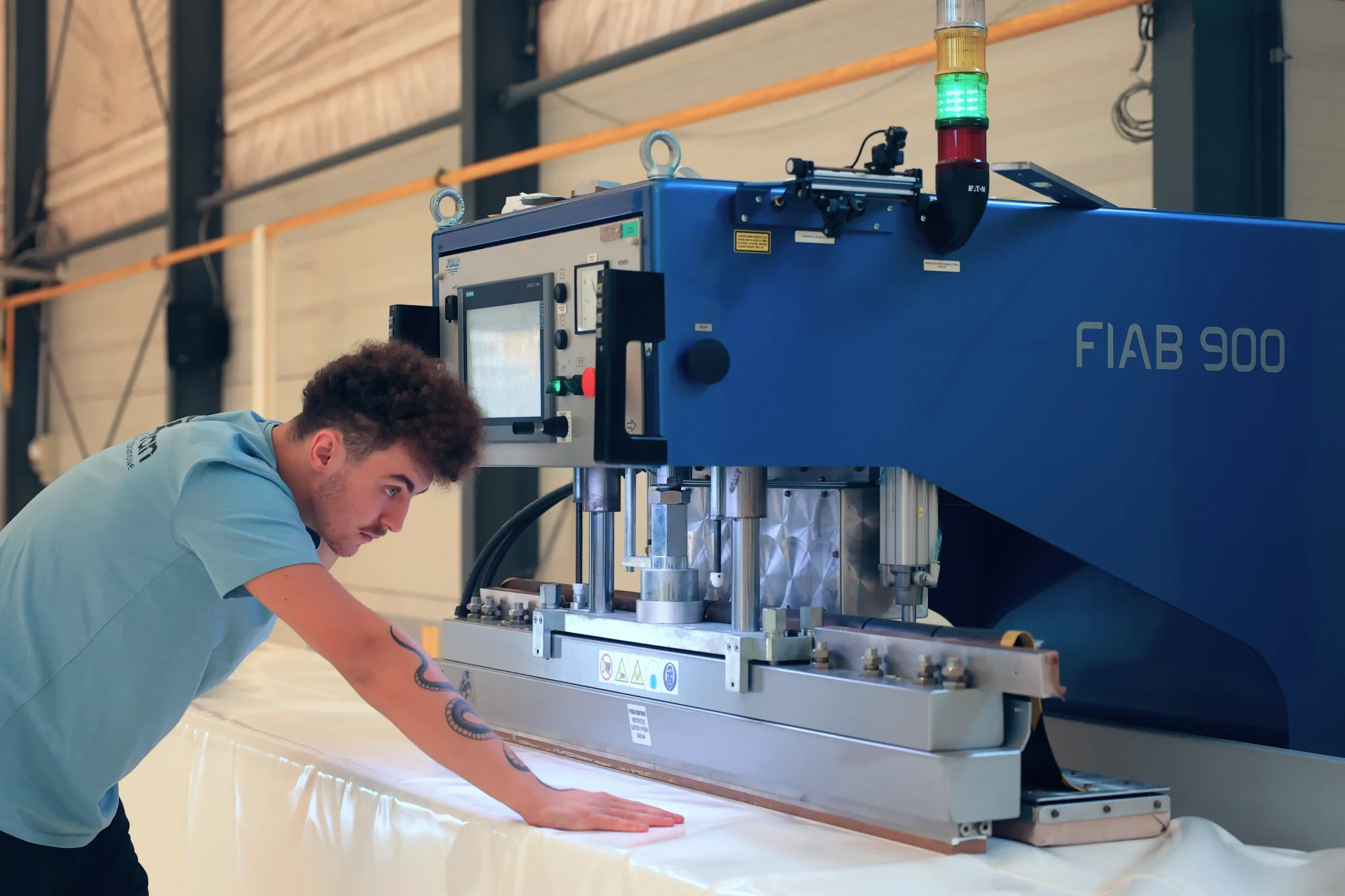
The fourth stage is the development of execution documentation. At this stage, we create detailed workshop drawings, material specifications, and assembly instructions. The documentation must comply with the requirements of the EN 1090 standard, which specifies the execution classes for steel structures. For special structures, like tent hall covers or flexible tanks, the execution documentation must consider the specifics of the production technology, e.g., the requirements for PVC welding. From our experience, it is always worthwhile to verify design assumptions against production capabilities already at the concept stage, which helps avoid situations where designed elements are impossible to manufacture.

Fifth Stage – Author’s Supervision and Cooperation with the Contractor

The final, fifth stage is author’s supervision and cooperation with the contractor. Even the best-prepared documentation requires interpretation and adaptation to site conditions. As designers, we actively participate in the implementation process, solving emerging problems on the fly and verifying compliance of the execution with the design. In the case of non-standard structures, our presence during key assembly stages is absolutely essential to ensure the safety and functionality of the structure.

Optimization of Steel Structures

Optimization of steel structures is a process that goes far beyond simply saving material. The modern approach to optimization considers the entire life cycle of the structure – from material and production costs, through assembly time and ease, to operation and potential dismantling. Especially in the case of specialized structures, it becomes a key element of the design process.

Reducing the structure’s weight is a classic aspect of optimization that directly impacts material and transport costs. Modern topology optimization methods allow us to identify and eliminate unnecessary material while maintaining the required load-bearing capacity and stiffness of the structure. In our design practice, we use sensitivity analysis to changes in material parameters, which helps determine which structural elements are crucial for its safety and which can be optimized.

Selecting steel cross-sections is a process that should consider not only strength requirements but also technological and economic aspects. Using standard profiles, available without special ordering, can significantly reduce costs and lead time. On the other hand, for structures with high aesthetic or functional requirements, it is worth considering the use of special profiles, which can provide better properties with less weight. The selection of cross-sections should also take into account production technology – some profiles may be easier to process or weld, resulting in lower manufacturing costs.

Connection optimization is an often overlooked, yet extremely important aspect of steel structure design. Different connection solutions (welded, bolted, riveted) have different costs, time requirements, and quality control demands. In temporary structures, like stage roofs or advertising tents, we use detachable connections that allow for quick assembly and disassembly. Conversely, in permanent structures, like industrial halls or tanks, welded connections can provide better tightness and durability.

Summary

Steel structure design is a dynamically developing field, combining traditional engineering knowledge with modern technologies and optimization methods. A comprehensive approach, considering the entire life cycle of the structure – from concept, through production and assembly, to operation – allows for the creation of facilities that combine functionality, safety, and economic efficiency. Especially in the case of specialized structures, like roofs or ETFE structures, the integration of different areas of knowledge and experience is key to success.

At Abastran, we specialize in the design and implementation of advanced structures. Our many years of experience in structural optimization allow us to deliver solutions that are not only safe and functional but also economically justified. Thanks to close cooperation between the design and production departments, we are able to execute even the most demanding projects while maintaining the highest quality standards.

If you are planning a project requiring advanced structural solutions, contact us. Our team of experienced designers will help you find the optimal solution tailored to your needs and capabilities.

Geotechnical Categories in Lightweight Structure Design – What You Need to Know?

Dodatkowe treści

Geotechnical Categories in Lightweight Structure Design – What You Need to Know?

Proper assessment of ground conditions and assigning the appropriate geotechnical category is the foundation for the safety and durability of any structure. This applies to large-span steel halls as well as temporary roofings or lightweight membrane structures. In this article, we will comprehensively cover the topic of geotechnical categories, their practical application, and their impact on the design and investment process.

Legal Basis and Classification of Geotechnical Categories

Geotechnical classification in Poland is based on three pillars: the Regulation of the Minister of Transport, Construction and Maritime Economy, Eurocode 7, and industry standards. These documents create a coherent system that allows for the precise determination of requirements for individual types of structures depending on the ground conditions.

The classification is based on the analysis of two key parameters: ground conditions and the type of structure. Ground conditions are considered simple when uniform layers of known geology occur, the groundwater level is below the foundation level, and the area does not exhibit adverse geological phenomena. Complex conditions are characterized by non-uniform layers, variable groundwater levels, or the presence of organic soils. Complicated ground conditions include landslide areas, karst terrains, areas affected by mining damage, or expansive soils.

The consequences of incorrect classification can be severe. If we ignore the presence of local lenses of organic soils and adopt a lower geotechnical category, we may encounter uneven settlement in the future, leading to damage to the cladding and supporting structure. The repair costs in such cases often exceed the value of the geotechnical investigations that could have prevented the problem.

Characteristics of Individual Geotechnical Categories

The regulation defines three geotechnical categories, which determine the scope of necessary investigations and analyses. Understanding their specifics will help you optimize the design process.

First Geotechnical Category (GC1)

The first geotechnical category includes small building structures of simple construction, founded in simple ground conditions. In practice, this applies to temporary stage roofs not exceeding 3 meters in height, advertising tents on paved ground, or small tent halls without permanent installations.

For structures classified as GC1, a geotechnical opinion is sufficient. It includes site reconnaissance based on macroscopic examination and determination of the suitability of the ground as a building substrate. You can prepare such an opinion based on archival materials, site inspection, and simple field tests.

Second Geotechnical Category (GC2)

The second geotechnical category includes building structures with average foundation conditions or structures in simple ground conditions but with a complex structure. In practice, you will find most steel halls with girders, biogas tanks, inflatable structures, or typical membrane structures here.

For structures in category GC2, you must prepare geotechnical documentation containing a description of the ground and water conditions, determination of the geotechnical parameters of the building substrate, and a forecast of changes in the groundwater state. Your investigations should include drilling, probing, and laboratory soil tests.

Third Geotechnical Category (GC3)

The third geotechnical category concerns building structures founded in complicated ground conditions or structures sensitive to uneven settlement. This includes large-span ETFE structures in post-industrial areas, membrane structures with unusual geometry, or steel halls in landslide areas.

For GC3 structures, you must prepare full geological-engineering documentation and a geotechnical design. Your documentation should include detailed geological surveys, slope stability analyses, forecasts of the investment’s impact on the geological environment, and geotechnical monitoring during construction and after its completion.

Geotechnical Categories in Design Practice

Correctly determining the geotechnical category has a direct impact on the design process, the choice of structural solutions, and the costs of your investment. Practical application of this knowledge will allow you to optimize both the safety and the economics of the project.

In the case of ETFE structures, even with seemingly simple ground conditions, you should assume at least category GC2. This is due to the specific behaviour of these structures under wind load, where uneven foundation settlement can lead to significant changes in the stress distribution in the foil. Additional geotechnical analyses represent a small percentage of the total costs but significantly increase the safety of your structure.

For inflatable halls, it is worth applying the 120% rule – even if the formal criteria qualify your structure for category GC1, performing investigations as for category GC2 will allow you to determine the ground parameters more precisely. This is particularly important when designing the anchoring of these structures, where the uniformity of the covering tension directly affects the geometry and functionality of the object.

Membrane structures pose a particular geotechnical challenge due to their sensitivity to ground deformation. Uneven foundation settlement can lead to significant changes in the geometry of the covering, and consequently to stress concentration and premature material wear. Therefore, even for small membrane structures, you should perform at least basic geotechnical investigations, including reconnaissance of the soil layers down to the depth of the active foundation zone.

Practical Tips for Investors and Designers

Proper management of geotechnical aspects in lightweight structure projects requires a systematic approach and awareness of potential risks. The following tips will help you effectively incorporate geotechnical analyses into the investment process:

During the planning stage:
– Start with a preliminary geotechnical reconnaissance already at the site selection stage
– Use available archival materials, geological maps, and information about neighbouring structures
– Adjust the scope of geotechnical investigations to the specifics of the designed structure
– Remember the seasonal variability of ground and water conditions

During implementation:
– Include the time necessary for geotechnical investigations in the investment schedule
– For temporary structures, consider a modular foundation system
– Consult the investigation program with the structural designer
– Consider geotechnical monitoring for structures sensitive to changes in ground conditions

If you need support with geotechnical analyses for your membrane, steel, or inflatable structures, contact us. At Abastran, we combine specialized geotechnical knowledge with many years of experience in designing and implementing lightweight structures, which allows us to offer comprehensive and optimized solutions.

ETFE vs PVC – Comparison of Membrane Materials

Dodatkowe treści

ETFE vs PVC – Comparison of Membrane Materials

Contemporary architecture is undergoing a fascinating transformation, where traditional building materials are giving way to innovative membrane solutions. Ethylene tetrafluoroethylene (ETFE) and polyvinyl chloride (PVC) are emerging as the two dominant materials in this category, changing the face of modern construction. The choice between these materials is not merely a matter of aesthetics – it has a fundamental impact on the technical parameters of the structure, its energy efficiency, and the long-term profitability of the investment.

If you are considering the right membrane material for your project, you should thoroughly understand the properties of both solutions. In this article, we present a comprehensive comparative analysis to help you make the optimal decision. We will examine the mechanical properties, durability, applications, energy efficiency, and environmental aspects of both solutions.

What are ETFE and PVC? – Characteristics of Basic Membrane Materials

Ethylene tetrafluoroethylene (ETFE) is an advanced fluoropolymer that has revolutionized the approach to designing lightweight architectural structures. This remarkable material, introduced for construction applications in the 1980s, quickly gained recognition for its unique combination of lightness, strength, and light transmission. Imagine that ETFE film is about 100 times lighter than an equivalent area of glass! This feature allows for the design of vast, spacious structures with minimal load on the supporting frame.

Polyvinyl chloride (PVC) has a much longer history in construction. This versatile thermoplastic material has found wide application in membrane structures due to its cost-effectiveness and good mechanical properties. A typical PVC membrane consists of a polyester fabric coated on both sides with a layer of PVC, providing adequate strength and durability. If you are looking for a solution for temporary or semi-permanent structures, PVC will likely be your first choice, mainly due to its favorable quality-to-price ratio.

At Abastran, we specialize in both ETFE structures and PVC membranes, offering comprehensive technical advice in choosing the optimal solution for your project. Our team of experienced engineers will help you select the material perfectly suited to the specifics of your venture.

Mechanical Properties – Key Differences Between ETFE and PVC

ETFE stands out with its excellent tensile strength relative to its mass. This material can withstand loads many times its own weight, making it ideal for structures with large spans. The flexibility of ETFE allows for significant deformation without the risk of permanent damage – the material can return to its original shape even after being stretched by 150-200%. This makes your structure highly resistant to dynamic loads, such as wind or snow, which can cause temporary deformations.

An extremely interesting property of ETFE is its ability to self-repair minor perforations. Under stress, the material tends to redistribute stress around the damage, preventing crack propagation. In practice, this means that small punctures do not lead to catastrophic failure of the structure, which is a significant advantage in terms of operational safety. ETFE also exhibits excellent impact resistance – tests show that films 200 microns thick can withstand the impact of a blunt object with energy comparable to a tennis ball traveling at 80 km/h.

PVC membranes present slightly different mechanical properties. Their tensile strength is largely determined by the reinforcing polyester fabric that forms the core of the membrane. Typical PVC membranes offer good resistance to tearing and puncture, although they do not match ETFE in this regard. A significant advantage of PVC membranes is their dimensional stability under long-term load. Unlike some elastomeric materials, PVC does not exhibit significant creep (gradual deformation under constant load), ensuring the intended geometry of the structure is maintained throughout its service life. This feature is particularly important for tensioned structures, where maintaining the correct membrane tension is crucial for the stability of the entire structure.

Durability and Lifespan – Comparing Long-Term Material Effectiveness

ETFE is characterized by exceptional resistance to degradation caused by atmospheric factors. This material retains its mechanical and optical properties even after prolonged exposure to UV radiation, which is the main degradation factor for most plastics. Laboratory tests and experience from existing installations indicate that ETFE films can retain over 80% of their original mechanical properties after 25-30 years of outdoor service.

You can rest assured about your investment in ETFE regardless of the location, as this material is resistant to extreme temperatures (from -200°C to +150°C). This makes it suitable for various climate zones. ETFE does not become brittle at low temperatures nor does it soften excessively at high temperatures, maintaining stable mechanical properties across the entire operating temperature range. Additionally, it shows excellent resistance to most chemicals, including acids, bases, and organic solvents, minimizing the risk of degradation from atmospheric pollutants or cleaning agents.

PVC membranes typically have a shorter lifespan than ETFE structures. Under standard operating conditions, high-quality PVC membranes can maintain satisfactory properties for 15-20 years. The main factor limiting the durability of PVC is its susceptibility to degradation from UV radiation, which causes the loss of plasticizers, leading to stiffening and embrittlement of the material. Modern PVC membranes contain advanced UV stabilizers and protective coatings that significantly extend their lifespan, but do not completely eliminate this problem.

It is also worth noting the susceptibility of PVC membranes to biodegradation. In damp conditions, especially with insufficient ventilation, microflora (algae, fungi) can grow on the membrane surface, which not only negatively affects aesthetics but can also accelerate material degradation. Regular cleaning and maintenance are essential to maintain the optimal properties of PVC membranes throughout their service life. Fortunately, modern membranes often contain biocidal additives that significantly limit this issue.

Architectural Applications – Where Do ETFE and PVC Excel?

ETFE has found application in the most prestigious and innovative architectural projects worldwide. If you are planning a structure with large spans, such as an atrium, winter garden, or stadium roof, ETFE will be an excellent choice. Its lightness allows for a reduction in the mass of the supporting structure, and its transparency ensures optimal natural light illumination indoors. You can draw inspiration from iconic ETFE implementations like the Allianz Arena in Munich, the Water Cube in Beijing, or the Eden Project in Cornwall.

ETFE Applications

One of the most characteristic applications of ETFE is in pneumatic cushion systems, consisting of two or more layers of film between which a slight air overpressure is maintained. Such a solution provides excellent thermal insulation while maintaining minimal structural weight. ETFE also performs excellently in building facades, where it can be used as an alternative to glass, offering better insulation parameters and greater freedom in shaping architectural forms. It is particularly well-suited for bioclimatic projects, where controlled transmission of sunlight and heat is crucial for the building’s energy efficiency.

PVC Applications

PVC dominates the segment of temporary and semi-permanent structures. If you need an economical solution for a tent hall, exhibition pavilion, or event canopy, PVC membranes will be the ideal choice. Thanks to their ease of installation, PVC membranes are the primary material for tent structures for various purposes – from industrial warehouses and sports facilities to stage and platform covers. This material also works well for stadium grandstand roofing, where its opacity can be an advantage, protecting spectators from excessive sunlight.

PVC membranes are also widely used in tensile architecture, where a tensioned membrane creates a self-supporting spatial structure. Thanks to the possibility of precise shaping and tensioning, PVC membranes allow for the creation of dynamic, sculptural forms that combine structural function with aesthetics. You will find such solutions in canopies for public spaces, parking lots, building entrances, or recreational areas, where, in addition to protection from weather conditions, creating a distinctive, recognizable architectural element is also important.

At Abastran, we carry out comprehensive projects using both ETFE technology and PVC membranes. Our offer includes a full range of services – from conceptual design, through structural optimization, to professional PVC welding and installation. If you are considering using these innovative materials in your project, contact us to consult on the best technical solutions for your venture.

How to Make the Optimal Choice? – Decision Criteria for Investors and Designers

The choice between ETFE and PVC should always be tailored to the specific requirements of your project and expectations. Key factors you should consider in the decision-making process include:

Planned lifespan of the structure

Available budget

Light transmission requirements

Local climate conditions

Analyzing the function and purpose of the building is fundamental to choosing the optimal material. For spaces requiring maximum natural light, such as winter gardens, atria, or sports facilities, ETFE with its exceptional light transmission will usually be the better choice. Conversely, for warehouse or industrial facilities, or temporary structures where economic aspects and ease of installation are priorities, PVC membranes may be a more rational solution.

At Abastran, we offer comprehensive advice on selecting the optimal membrane material for your project. Our team of specialists will help you analyze all technical, economic, and functional aspects to propose a solution perfectly tailored to your needs. We invite you to contact us at biuro@abastran.com or by phone at +48 32 438 96 50 to discuss the details of your project and find the best structural solution.

How to Choose the Right Roofing for an Open-Air Theater?

Dodatkowe treści

How to Choose the Right Roofing for an Open-Air Theater?

Open-air theaters are unique spaces that combine the magic of art with the beauty of the outdoors. However, unpredictable weather can quickly disrupt even the best-prepared performance. Therefore, appropriate roofing for the theater is a crucial element of any outdoor stage. In this article, we will present the most important information to help you make the right choice.

Types of Roofing for Open-Air Theaters – What You Need to Know

Choosing the right theater roofing depends on many factors, such as the nature of the venue, frequency of use, and budget. Various solutions are available on the market:

Permanent stage roofing provides the highest level of protection and professionalism. They are ideal for regularly used municipal amphitheaters and outdoor stages with a rich calendar of events. These structures, although requiring a larger initial investment, offer long-term protection and the possibility of installing advanced technical equipment.

Membrane structures are gaining increasing popularity in theatrical spaces due to their lightness, impressive form, and excellent acoustic parameters. This type of roofing can take various, often very spectacular shapes, becoming an architectural element and a hallmark of the open-air theater.

Temporary roofing is suitable for theater festivals, seasonal events, or touring shows. Their advantage is mobility, relatively low cost, and quick assembly and disassembly. Modern temporary structures, despite their nature, provide high standards of safety and aesthetics.

Materials Used in Theater Roofing

Materials used in theater roofing must meet stringent requirements for durability, weather resistance, and acoustic properties.

PVC/PTFE membranes and tarpaulins are now standard in modern roofing. PTFE membranes offer exceptional durability (up to 30 years) and self-cleaning properties. PVC tarpaulins are a cheaper alternative, maintaining good waterproof and UV resistance parameters. Proper PVC welding is crucial for the tightness of the entire structure.

Aluminum and steel structures form the skeleton of the roofing. Aluminum is lightweight and corrosion-resistant, making it ideal for mobile structures. Steel provides the highest strength and stability, which is why it is used in permanent or large-scale structures.

Technical fabrics and nets play a complementary but extremely important role in theater acoustics. Appropriately selected materials can significantly improve the sound parameters of the space, eliminating echo and enhancing natural acoustics.

Functionality of Theater Roofing – What Should It Provide?

A well-designed theater roofing is much more than just a “roof over your head” – it is a comprehensive solution supporting every aspect of theater production.

Protection from weather conditions is the basic function of roofing. The structure must effectively protect against rain, strong wind, and sun exposure for both actors and the audience. It is particularly important to drain rainwater to prevent it from accumulating on the roofing surface.

Integration of technical systems includes the possibility of installing lighting, sound systems, and elements of theater machinery. Professional roofing should include the necessary mounting points, cable routes, and load capacity for battens and other technical elements.

Acoustics of the space is a key aspect of any theater. The roofing should support natural sound projection and prevent unwanted reflections. A properly designed structure can significantly improve the audience’s listening experience, even without the use of advanced sound systems.

Choosing the right roofing for a theater is a decision that affects not only comfort but also the artistic quality of the performances presented. At Abastran, we specialize in designing and manufacturing theater roofing tailored to the individual needs of each stage space. Feel free to contact us – we will help you choose a solution that combines functionality, aesthetics, and durability, meeting all the expectations of theater creators.