Logo UE
Logo Abastran

Advertising Tents as an Investment – How to Increase Brand Recognition at Events?

Dodatkowe treści

Advertising Tents as an Investment – How to Increase Brand Recognition at Events?

In the buzz of conversations, a sea of competitive stands, and the overload of stimuli that accompany trade fairs, festivals, or outdoor events, getting your brand’s message across becomes a real challenge. Companies compete in ideas to attract attention, often forgetting about the foundation that can become their most effective advertising medium. This foundation is the advertising tent – a solution combining the functionality of shelter with the power of a mobile billboard.

It’s much more than just a temporary cover; it’s a strategic event marketing tool that, thanks to its mobility, huge advertising surface, and potential return on investment, can genuinely impact business results. In this article, we’ll guide you through the selection, design, and calculation process, proving that a well-planned tent is an investment that pays off at every event.

Why is an Advertising Tent an Investment, Not a Cost?

Perceiving an advertising tent solely as an operational expense is a fundamental error. In reality, it’s a long-term marketing asset whose value depreciates with each subsequent event. Unlike ephemeral digital campaigns or one-off press ads, a professional pop-up tent serves the company for many seasons, consistently building its visibility.

The return on investment (ROI) here becomes measurable not only through direct sales at the stand but also through increased brand recognition, which translates into future customer purchasing decisions. One tent can be used at trade fairs, family picnics, local sports competitions, and as a promotional point in front of the company headquarters, working for the brand image every time.

When analyzing profitability, it’s worth looking at metrics known from other advertising channels, such as CPM (Cost-Per-Mile), which is the cost of reaching a thousand recipients. The cost of purchasing a tent, spread over a dozen or several dozen events over a few years, often turns out to be significantly lower than the sum of expenses for comparable outdoor advertising formats.

Experts estimate that the break-even point for purchasing a tent is reached after participating in just 4-5 events annually compared to the costs of regular rental. Of course, storage costs should be included in the full picture, but for companies actively operating in the field, having their own, always-ready-to-use medium is an invaluable logistical and financial advantage.

How a Tent Increases Brand Recognition at the Event Location

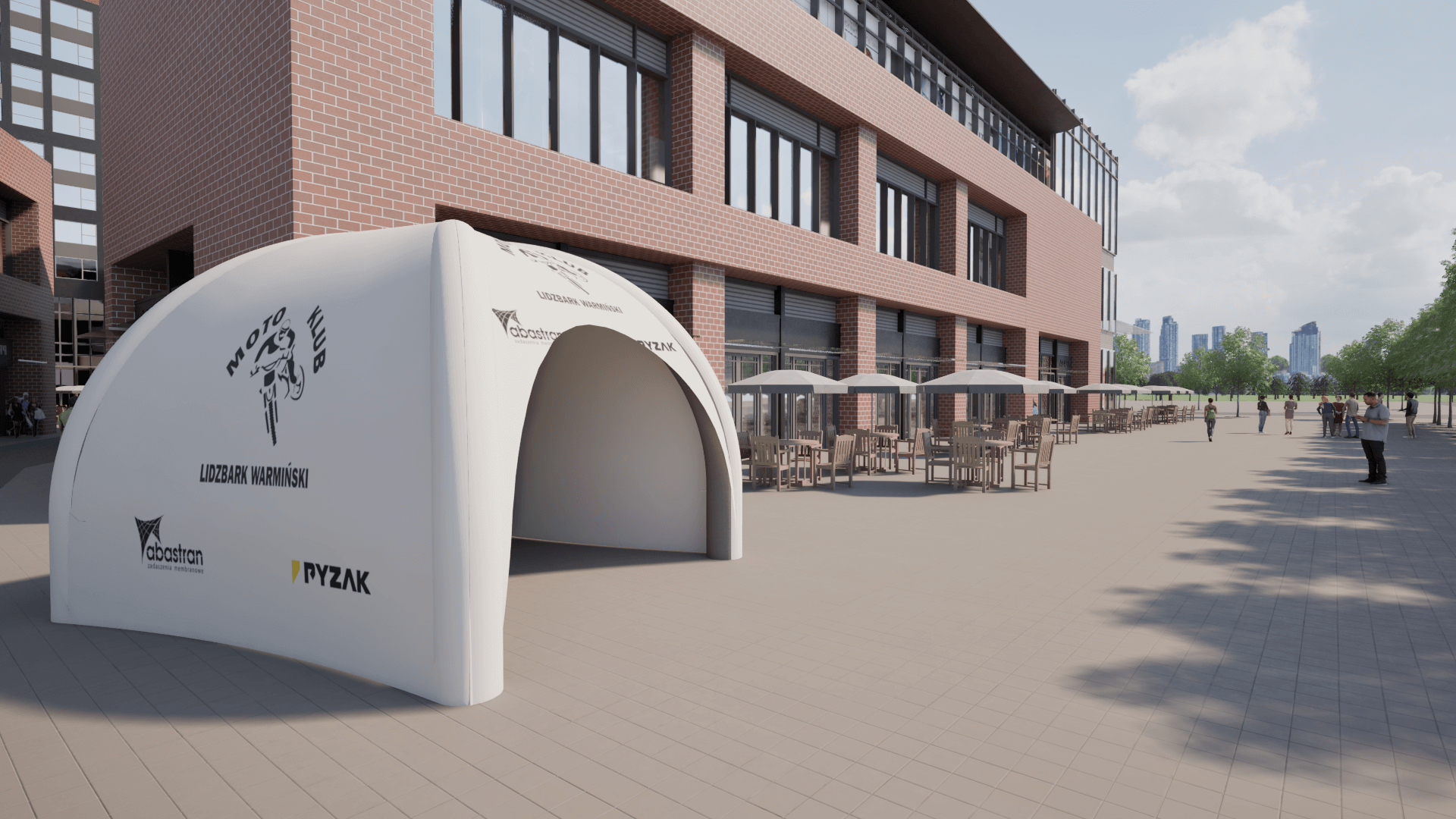
In a crowded trade fair or festival area, where most stands blend into a uniform mass, a tall, colourful tent becomes a visual landmark. Its roof, rising above the heads of the crowd, is visible from afar and acts like a magnet for the eyes of potential customers. It is the first thing that communicates your brand’s presence, even before visitors have a chance to read any brochure. A professionally made tent with striking graphics builds an immediate impression of solidity and attention to detail, which subconsciously transfers to the perception of the entire company and its offer. It is an investment in the first impression, which cannot be made twice.

The power of the tent lies in its huge advertising surface, which can be fully utilized. A standard 3×3 meter model offers nearly 35 m² of printable space, including the roof and walls. This allows for creating XXL format branding that is impossible to ignore. The key strategy here is to use the 360-degree effect. Placing the logo not only on the front valance but on every wall and the peak of the roof ensures the brand is perfectly visible from every direction, regardless of where attendees are approaching from. Such comprehensive exposure maximizes memorability and solidifies the company’s image in the minds of the audience.

Choosing the Right Model for Specific Goals

The most popular and versatile solution on the market are advertising tents, based on a scissor structure. Their main advantage is lightning-fast assembly and disassembly, which takes a skilled team literally 60 seconds, invaluable during dynamic promotional campaigns or one-day events. The lightweight yet durable aluminum frame facilitates transport and carrying, making such a tent an ideal tool for mobile sales and marketing teams that frequently change locations.

The decision about the tent size should be dictated by both the specifics of the events and the planned way it will be used. The most versatile 3×3 meter model will work well as a standard trade fair stand, information point, or tasting station. It provides enough space for 2-3 staff members and basic equipment such as a counter or roll-up. If there’s a need to create a larger zone, for example, a chillout area, VIP customer service point, or a mini-stage, it’s worth considering larger sizes like 4.5×3 m, 6×3 m, or using modular systems that allow connecting several tents into one cohesive space.

A key parameter, especially for outdoor events, is the resistance of the tent structure to weather conditions. Professional advertising tents have reinforced aluminum profiles and covering made of durable, waterproof polyester fabric. Attention should be paid to the wind resistance declared by the manufacturer, which for solid models, when properly anchored using stakes or weights, can reach up to 50 km/h. This durability guarantees the safety of both staff and guests and protects valuable promotional materials and equipment from damage.

Designing Graphics That Truly Work

The secret to effective graphic design on a tent is the ‘less is more’ principle. Its main task is to attract attention from a distance and quickly identify the brand, so resist the temptation to put too much information on it. The central point of the design should be a clear, large logo and a concise, catchy slogan (claim) that communicates the company’s key value in a few words.

Full contact details, a long list of services, or blocks of text are unreadable from a distance and, instead of attracting, create visual chaos.

For the design to be effective, it must consider the viewer’s perspective. Key graphic elements, such as the logo or main message, should be placed in the eye-level zone, i.e., at a height between 1.2 and 1.6 meters on the tent walls. High color contrast between the background and graphics is also extremely important to ensure readability even in bright sun. A good practice is to test the design in grayscale – if the logo and text remain readable, it means the contrast is appropriate. It’s also worth considering placing a subtle Call to Action, for example, an arrow with the text ‘Welcome inside’, near the entrance to directly guide visitor traffic.

Buying or Renting – Cost Analysis and Usage Scenarios

The decision between buying and renting an advertising tent is a strategic choice dependent on two main factors: the frequency of participation in events and the need for full personalization. Renting is an extremely attractive solution for companies that participate in events sporadically, for example, once or twice a year. This eliminates the need for a high initial cost and also frees up the obligation of storing and maintaining the equipment. It’s a flexible and low-cost option for starting out or for the needs of a one-off, non-standard project.

On the other hand, buying a tent becomes significantly more cost-effective for companies for whom event marketing is a permanent element of their strategy. As mentioned earlier, the break-even point for purchase versus rental is usually around 4-5 events per year. Owning your own tent provides full freedom and 24/7 availability – you don’t have to worry about booking dates or equipment availability during the busy trade fair season. Above all, ownership gives unlimited personalization possibilities. Every centimeter of the roof and walls can be designed according to the brand’s visual identity guidelines, creating a unique and consistent image that cannot be achieved by renting standard, generic models.

Analyzing costs in the long term, purchasing should be treated as an investment in a durable marketing asset. Although the initial outlay is higher, it is spread over many years of use. However, it’s worth remembering additional costs, such as print renovation every 3-4 years to maintain its freshness and color intensity, and potential storage costs. Nevertheless, for a company active in the market, the sum of these expenses will still be lower than regular rental fees, and the benefits of having a fully personalized, always-ready-to-go marketing tool are priceless.
How to Choose the Ideal Roofing for a Municipal Amphitheater?

Dodatkowe treści

How to Choose the Ideal Roofing for a Municipal Amphitheater?

You are faced with the challenge of designing a roof for an amphitheater. This is no ordinary roof. It’s a structure that must reconcile aesthetics with absolute safety requirements, acoustics with resistance to extreme weather conditions, and architectural vision with physics. How can all these elements be combined into a cohesive, functional, and inspiring design? Would a lightweight membrane structure be better, or perhaps a proven steel structure with polycarbonate cladding?

In this guide, we will walk you through the key decision-making and technical stages. Instead of dry definitions, you will receive practical advice based on engineering experience. We will show you what to pay attention to, which mistakes to avoid, and what possibilities modern technologies open up. Treat this as a consultation with a team of engineers who daily transform bold concepts into real, safe structures.

Foundations of Your Project: Where to Begin the Analysis?

Before delving into the selection of materials and load-bearing systems, you must precisely define the boundary conditions of your project. This is an absolute prerequisite that will determine all further technical decisions. Start by answering a few fundamental questions that will shape your concept and help avoid costly changes at later stages.

The first step is the analysis of climatic loads. You must precisely determine the snow and wind zones for the given location according to applicable PN-EN standards. This is not a formality! The safety of thousands of people depends on it. Does the designed structure need to withstand a snow load of 1.2 kN/m², or perhaps an extreme 2.0 kN/m²? What are the wind pressure and suction for the given roof geometry? Only with this data can you begin to think about the shape and material of the structure. Equally important is the analysis of local conditions – is the facility located in an area under conservation protection? Such a situation often imposes the requirement of visual lightness and minimal interference with the surroundings, which may direct you towards slender cable structures or transparent coverings.

Selecting the Roofing Material: Membrane, Polycarbonate, or Maybe ETFE?

The choice of roofing material is a decision that affects everything: from appearance, through performance properties, to the requirements for the load-bearing structure. Each solution has its unique technical parameters that you must match to your project’s assumptions.

Membrane Structures: Lightness and Sculptural Form

Modern membrane structures are the domain of lightweight spatial structure engineering. They allow covering vast spans with minimal self-weight. This is an ideal solution when you desire a spectacular, organic form.

  • PVC Membranes: This is an economical and proven solution, offering great design flexibility and durability of 15-20 years.
  • PTFE Membranes: Coated with Teflon, they are characterized by exceptional resistance to UV radiation and dirt. Their surface has self-cleaning properties, significantly reducing maintenance costs. Durability? Even over 30 years.
  • ETFE Films: This is an ultralight, transparent material, often used in the form of two or three-layer pneumatic cushions. It provides excellent natural light, great thermal insulation, and almost unlimited forming possibilities.

In Abastran projects, we often use the form-finding process, where we analyze stresses in the membrane using advanced software to obtain an optimal, stable shape. This is crucial for the safety and durability of tensile structures.

Cellular Polycarbonate: Proven Durability and Natural Light

A polycarbonate roof is a solution valued for its excellent balance between technical parameters and versatility. If your priority is durability, fire safety, and optimal natural light for the audience, this is a direction you must consider.

The key parameter here is fire classification. For public utility buildings, the absolute minimum is the use of panels with NRO classification (Non-Fire Spreading). Cellular polycarbonate, thanks to its internal structure, also offers good thermal and acoustic insulation. Modern panels have layers protecting against UV radiation, which prevents yellowing and material degradation, ensuring an aesthetic appearance for years.

Load-Bearing Structure: Steel, Wood, or Cable System?

Regardless of its type, the roof covering needs a solid framework. It is the load-bearing structure that transfers all loads to the foundations and guarantees the stability of the entire facility. The choice of system depends mainly on the span, the weight of the covering, and the desired architectural effect.

The most common and versatile solution is a steel structure for the amphitheater. It allows the realization of virtually any form, from massive prefabricated arches assembled on-site using heavy cranes to slender spatial trusses. The key here is the optimization of cross-sections and connections to achieve the required load-bearing capacity with the lowest possible weight. An alternative is glued laminated timber (BSH), which brings a warm, natural character to the project, but requires a more rigorous maintenance regime.

Lightweight cable structures are gaining increasing popularity, especially for membrane roofs. At Abastran, we specialize in designing these types of systems, where membranes are stretched on steel masts and tension cables. This technology allows minimizing the number of supports and creating the impression that the roof is floating in the air. This is engineering in its purest form, where each element works with maximum efficiency.

Acoustics Under Control: How the Roof Affects Sound?

An amphitheater roof is a powerful acoustic modifier. It can become your ally, acting like a concert shell and amplifying sound, or an enemy, generating unfavorable echo and reverberation. The shape and material of the roof are fundamentally important here.

Hard, smooth surfaces, such as glass or polycarbonate, will strongly reflect sound waves. Proper profiling can direct sound directly to the audience, improving audibility. Membranes, on the other hand, depending on their tension and surface mass, can both reflect and partially absorb sound. ETFE films in cushion systems offer different properties. This is precisely why consulting an acoustician already at the concept stage is not just recommended, but necessary. Computer simulations will allow optimizing the roof geometry and avoiding acoustic problems in the finished facility.

From Concept to Realization: Key Stages and Potential Challenges

The realization of a project as complex as an amphitheater roof requires iron discipline and a well-thought-out schedule. Our experience at Abastran shows that the key to success is dividing the process into logical, successive stages.

  • 1. Analysis and feasibility study: Definition of assumptions, analysis of conditions, preliminary concepts.
  • 2. Conceptual and construction design: Development of the chosen concept, static calculations, obtaining necessary permits.
  • 3. Detailed design: This is the heart of the entire process. Preparation of detailed workshop drawings for each structural element, connection details, material specifications.
  • 4. Pre-fabrication: Production of structural elements under workshop conditions, ensuring the highest quality and precision.
  • 5. Installation: Transport logistics, site preparation, and precise assembly of the structure, often using specialized equipment.

Challenges may arise at each of these stages. Unexpected ground conditions requiring foundation modifications, problems with the logistics of transporting large elements, or the need to work within limited time windows. This is why it is so important for your engineering partner to have experience in risk management and be able to react flexibly to changing conditions.

Durability and Inspections: How to Ensure Structure Safety for Years to Come?

Designing and erecting a structure is only half the battle. The real test for engineering is time. To ensure your roof remains safe and functional for decades, you must plan its maintenance and regular inspections from the very beginning. This is a legal requirement stemming from the Building Law, but above all, a duty to future users.

Each type of structure requires a different maintenance plan. For membrane roofs, regular inspection of cable tension and the condition of the membrane itself is crucial. Steel structures require inspection of anti-corrosion coatings and bolted connections. In the case of wood, it is necessary to check the condition of impregnation and potential foci of biological corrosion. A good detailed design should include a detailed operation and inspection manual that clearly specifies what, how, and how often to inspect.

Designing an amphitheater roof is a fascinating journey through the world of modern engineering. It is an opportunity to create a facility that will not only be safe and functional but will also become an architectural icon and the heart of the local community. We hope this guide has provided you with a solid foundation and inspired you to seek bold, innovative solutions.

If you are facing such a challenge and want to be sure that your vision will be realized with the utmost engineering care, consult your project with our team. At Abastran, we combine a passion for creation with solid technical knowledge to deliver structures that exceed expectations.

Competition for Innovative Membrane Roofing – Results and Inspirations

Dodatkowe treści

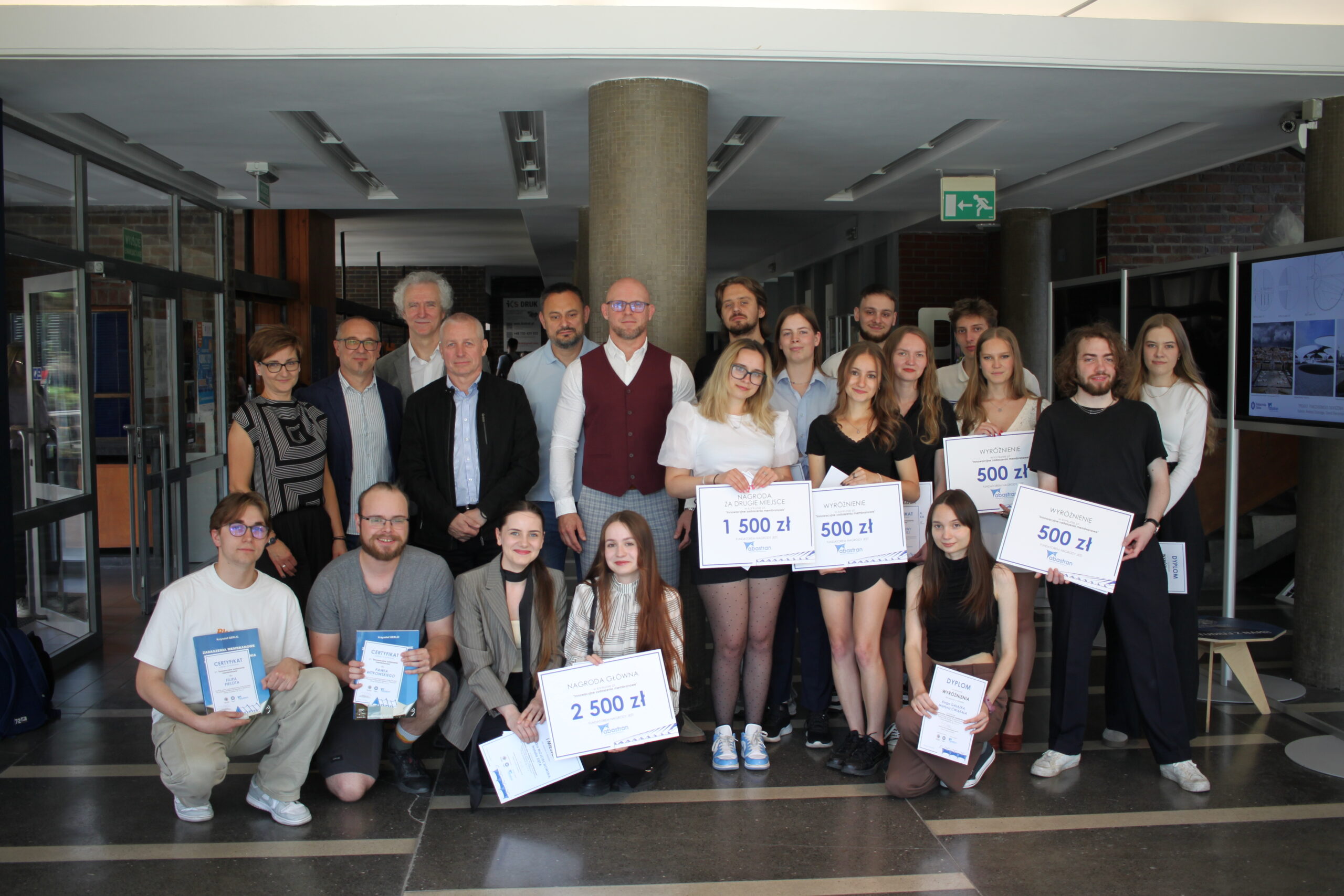
This year, we had the pleasure of organizing a competition together with the Faculty of Architecture at the Silesian University of Technology for 6th-semester students to design innovative membrane roofing. The award ceremony, held at the Faculty of Architecture in Gliwice, was the culmination of the young designers’ creative and technical journey.

Educational Collaboration with Mutual Benefits

The competition was an excellent opportunity to combine education with practical experience. Students were able to apply their design knowledge in a real technical context, while the company had the chance to observe and support future talents in the membrane industry. Inviting participants to our headquarters will enable them to see professional roofing installations first-hand and discover the technologies involved in fabric production and assembly.

Participants and Awards

Students worked individually or in teams on concepts that combine functionality with artistic expression. Selecting the best projects was challenging – the jury deliberated at length, as many submissions demonstrated exceptional quality. Ultimately, the following projects were chosen:

  • 1st place (2,500 PLN) – team: Natalia Zięta and Aleksandra Wojciechowska

  • 2nd place (1,500 PLN) – team: Ariana Nocoń, Magdalena Lebiocka, and Jessica Napiórkowska

Honourable mentions (500 PLN) – awarded to three teams:

  • Kornelia Kajda

  • Kinga Gałązka and Martyna Ćwiąkała

  • Michał Głąb, Kamil Grenczak, and Natalia Wieczorek

We are delighted to have initiated this project with the Silesian University of Technology. Congratulations to all participants for their creativity and dedication, and thank you for participating!

[ngg src=”galleries” ids=”4″ display=”basic_thumbnail” thumbnail_crop=”0″ maximum_entity_count=”500″]

When to Choose Membrane Roofing Instead of Traditional?

Dodatkowe treści

When to Choose Membrane Roofing Instead of Traditional?

Contemporary architecture is increasingly embracing solutions that, just a decade ago, seemed reserved for futuristic visions. Iconic stadiums, modern shopping centers, and spectacular amphitheaters often share one common element: lightweight, luminous, and dynamic membrane roofing. This is no longer just an avant-garde choice, but a well-thought-out business decision. Membrane roofing, which is a technologically advanced fabric (most commonly PVC, PTFE, or ETFE) stretched over a steel supporting structure, is today a real alternative to traditional roofs made of steel, concrete, sheet metal, or tiles.

When choosing a roofing technology, investors must weigh key factors: initial investment cost, project completion time, final aesthetics, and long-term durability and operating costs. The choice between a heavy, proven structure and a lightweight, innovative membrane can be complicated. This article will guide you through this decision-making process step by step. It will provide clear comparisons, cost data, and indicate specific situations where modern membrane roofing proves to be unrivaled.

How Does Membrane Roofing Work?

Membrane roofing operates on a fundamentally different principle than traditional roofs. Instead of transferring loads through compression and bending of massive elements, it utilizes tensile forces. The structure consists of three key components: durable technical fabric, a system of steel masts, arches, or frames, and a precise system of cables and tie-downs. It is the tension applied to the membrane by the tensioning system that makes it rigid, stable, and capable of bearing loads such as snow or wind. As a result, the entire structure is extremely lightweight yet very durable.

The key structural difference lies in the fact that the membrane works solely under tension. Traditional roofs, based on beams, rafters, and panels, primarily function under compression and bending, which requires the use of heavy and massive materials. Textile architecture, as this field is often called, allows for the creation of fluid, organic forms with large spans that would be extremely difficult or uneconomical to achieve using concrete or steel. The choice of membrane material – whether flexible PVC, durable PTFE, or transparent ETFE – determines the final properties of the roofing, such as light transmission, lifespan, and maintenance requirements.

Membrane vs. Traditional Roof – Pros and Cons Table

The decision on roofing technology often comes down to an analysis of costs, time, and technical parameters. Membrane roofing typically offers a lower initial installation cost (CAPEX). This is due to less material, a lighter supporting structure, and significantly faster installation. However, it’s important to remember that they can generate higher operating costs (OPEX) associated with the need for regular technical inspections and specialized cleaning. Traditional roofs, although more expensive during the construction phase, may require lower maintenance costs over several decades.

Another important aspect is the durability and weight of the structure. Under standard climatic conditions, a well-designed and executed PTFE membrane can last over 30 years. However, in areas with extreme snow or wind loads, massive steel and concrete structures provide greater certainty and a longer lifespan, exceeding 50 years. An undeniable advantage of membrane is its minimal weight. The lightness of the material allows for the use of smaller and less expensive foundations and enables roofing for structures with limited load-bearing capacity, where a heavy roof would be out of the question.

Freedom of form and aesthetics are areas where textile architecture clearly wins. Membranes allow for the realization of almost any sculptural shape, creating unique and memorable objects. Additionally, materials such as ETFE or special types of PTFE transmit natural daylight, which reduces lighting costs and improves the comfort of using the space under the roofing. Traditional roofs offer significantly less design flexibility, being largely limited to planes and simple geometries.

Comparison of Key Parameters

Feature Membrane Roofing Traditional Roofing (Steel, Concrete, Sheet Metal)
Initial Cost Usually lower Usually higher
Installation Time Short (prefabrication) Long (on-site work)
Structure Weight Very low (1-15 kg/m²) Very high (50-500 kg/m²)
Durability 20-35 years (depending on material) 50+ years
Aesthetics and Form High freedom of form, unique design Limited to simple geometries

6 Scenarios Where Membrane is the Better Choice

Modern membrane structures are not a universal solution, but in specific situations, their advantages make them outperform traditional technologies. Their selection is most justified when the project fits one of the following scenarios. These are situations where lightness, speed of installation, and aesthetic qualities become key factors for the success of the investment, and the membrane offers an optimal price-to-benefit ratio.

Here are six key cases where membrane roofing is the best choice:

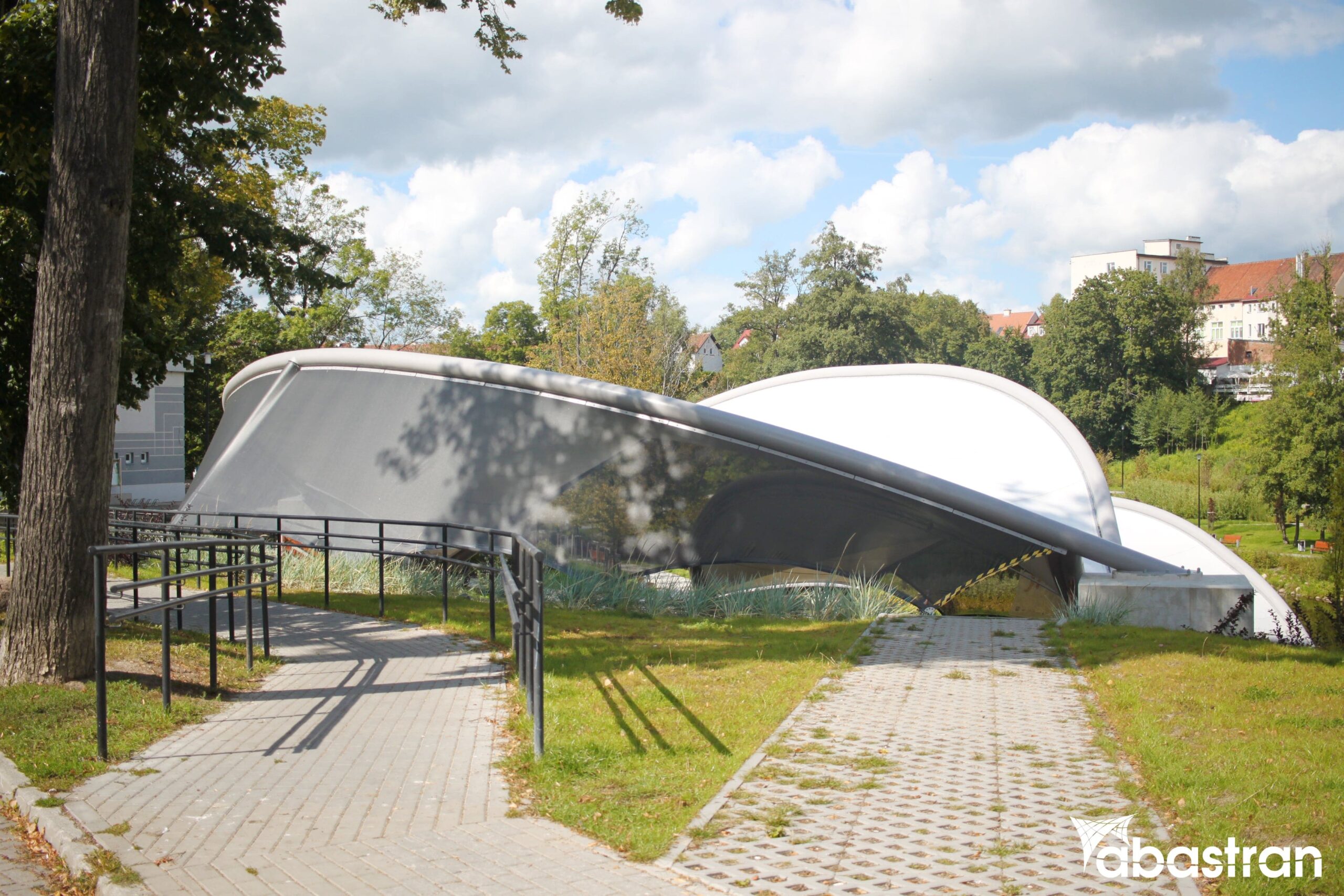
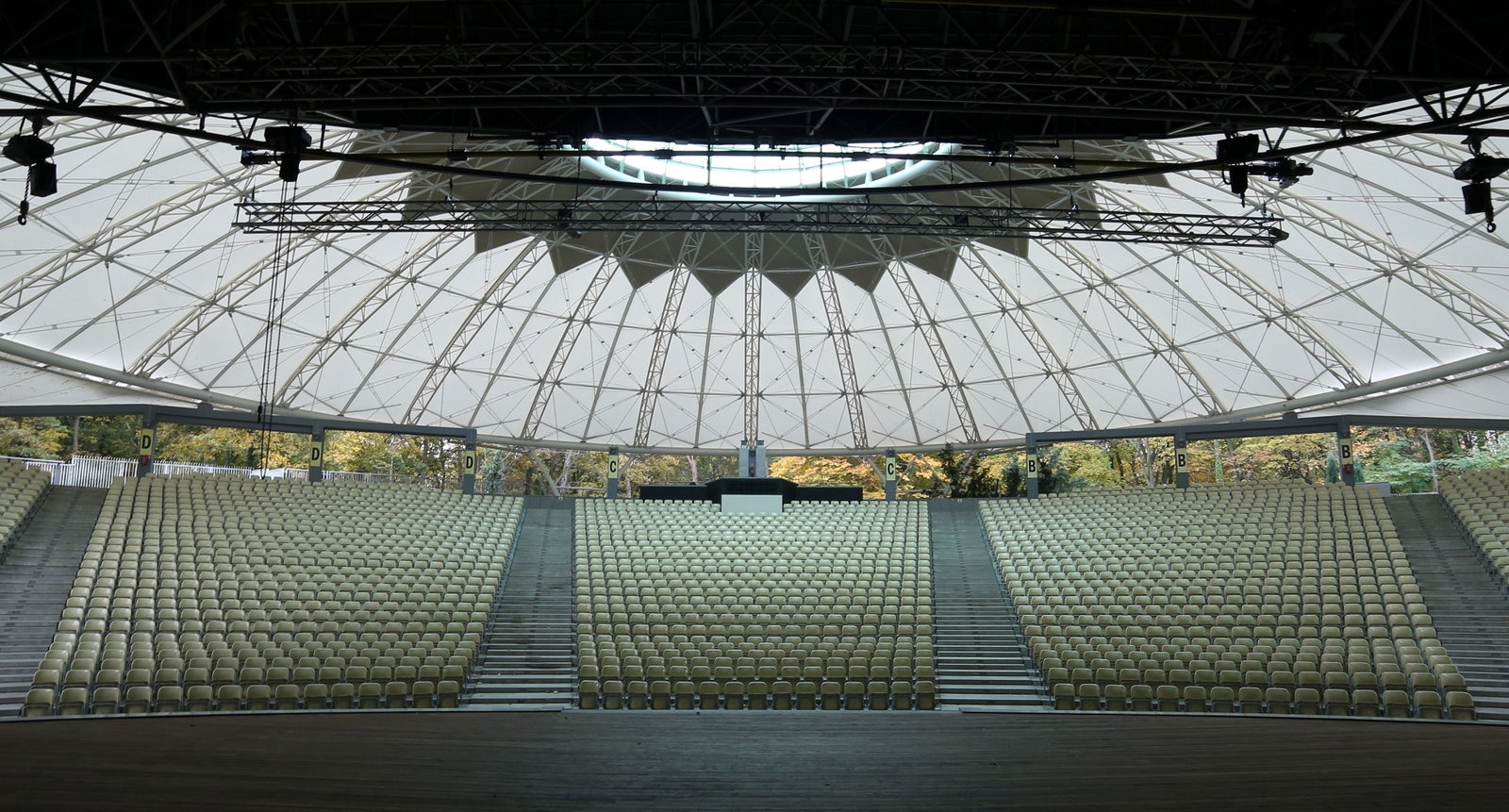
  1. Covering large-span facilities: Stadiums, sports halls, airports, and exhibition centers require covering vast areas without intermediate supports. A lightweight membrane is both an economical and structurally efficient solution here. An example is the roofing of the Amphitheater in Ostróda.
  2. Projects with high aesthetic requirements: When the roofing is intended to be the object’s showcase and attract attention, the plasticity of membranes allows for the creation of iconic, sculptural forms. Shopping centers, outdoor stages, and cultural facilities gain a unique character thanks to them.
  3. Investments with a short completion time: Prefabrication of most elements and quick on-site assembly significantly shorten the construction schedule. This is crucial in commercial projects where time is money.
  4. Buildings with limited structural load-bearing capacity: Covering an existing courtyard, modernizing a historic building, or construction on difficult ground are situations where the low weight of the membrane is its greatest asset, eliminating the need for expensive foundation reinforcement.
  5. Need for natural light illumination: Membranes, especially translucent ETFE films, allow for maximum utilization of daylight. They are ideal for atriums, railway platforms, or botanical gardens, creating bright and friendly spaces.
  6. Temporary or mobile roofing: The lightness and ease of assembly and disassembly make membranes an excellent material for covering seasonal restaurant terraces, event facilities, or exhibition pavilions.

When It’s Better to Stick with a Traditional Roof

Despite their numerous advantages, membrane roofing is not always the optimal solution. There are situations where proven, heavy technologies offer greater safety and predictability over a long time horizon. The decision to stick with a traditional roof made of concrete, steel, or sheet metal is justified when the priority is maximum resistance to extreme conditions or minimizing service maintenance over decades.

Traditional roofing is a safer choice primarily in locations exposed to extreme climatic loads, such as snow zone IV and V or areas with very strong winds. The massiveness and rigidity of a heavy structure provide a greater margin of safety in such conditions. Furthermore, if the investment involves a very long usage horizon (over 50 years) with absolutely minimal maintenance requirements, a traditional roof may prove more cost-effective over the entire lifecycle of the building. The availability of specialized service companies in the region should also be considered – their absence can make membrane inspections difficult and more expensive. Another factor is high acoustic requirements; a single membrane layer poorly insulates sound, which can be a problem in production halls or concert venues, requiring the use of expensive, multi-layer systems.

Key Decision Factors – Investor’s Checklist

Choosing between a membrane and a traditional roof is a strategic decision that affects the entire project. To make an informed decision, costs should be analyzed over the entire investment lifecycle, not just during the construction phase. It is crucial here to understand the difference between investment cost (initial construction expenses) and operating cost (including future maintenance, upkeep, and repairs).

Before making the final decision, every investor should ask themselves a few fundamental questions that will help define project priorities. Analyzing the points below will allow for a systematic evaluation of which solution better aligns with the business and technical goals of the investment.

  1. Budget: What is the relationship between the available investment budget and planned maintenance costs?
  2. Climatic Conditions: What snow and wind zone is the facility located in? Are there extreme weather phenomena?
  3. Schedule: How critical is the investment completion time? Is there pressure to quickly commission the facility?
  4. Service: Are specialized assembly and service teams for membrane structures available in the region?
  5. Aesthetic Requirements: Is the roof intended to serve a representative and marketing function? Is its unique shape an added value?
  6. Functionality: Is natural light illumination needed inside? What are the requirements regarding acoustics and thermal insulation?

Selecting PVC Membrane for Poland’s Climate Conditions

Dodatkowe treści

Selecting PVC Membrane for Poland’s Climate Conditions

Choosing a flat roof covering in the Polish climate is one of the key design decisions that determine the durability and safety of the entire investment. The variability of weather conditions – from sub-zero temperatures in winter to intense sun exposure in summer – places extreme demands on waterproofing. Errors at this stage can result in costly repairs and structural degradation, which is why this task must be approached with solid technical knowledge.

In this guide, based on our many years of design experience at Abastran, we will walk you through the process of selecting the optimal PVC membrane. We will focus on the technical parameters that are truly relevant in the context of Polish conditions. The goal is to provide you with the knowledge to make an informed and accurate decision, guaranteeing many years of trouble-free roof performance.

Polish Climate and Technical Requirements for Roofing

The specificity of the Polish climate places exceptionally high demands on roofing materials. Large daily and annual temperature fluctuations, ranging from -25°C to over +70°C on the surface of a heated roof, require the material to be capable of withstanding significant thermal deformation. Freezing and thawing cycles combined with intense UV radiation pose an extreme load on any waterproofing material, testing its flexibility and resistance to aging.

Additionally, the covering must be resistant to mechanical loads generated by accumulated snow, wind uplift forces, and standing water after heavy rain. This requires the membrane not only to have excellent watertightness but, above all, to maintain its key physical parameters throughout its entire lifecycle. The material must remain flexible at low temperatures, resistant to degradation from solar radiation, and sufficiently durable to withstand dynamic loads.

Key Properties of PVC Membranes that Determine Durability

PVC membrane is an advanced technological composite whose effectiveness results from precisely selected properties. When choosing a product, you must analyze its technical parameters, which will directly translate into the functionality and lifespan of the roof in Polish realities.

The most important parameter is high flexibility over a wide temperature range. This is ensured by high-quality plasticizers that prevent brittleness and cracking of the material at negative temperatures. The second pillar is seam tightness, achieved through hot air welding technology. This process creates a homogeneous, monolithic coating, eliminating the risk of leaks at joints – the weakest point of many roofing systems.

Another criterion is UV radiation resistance, which determines the long-term stability of the material. Reputable manufacturers use special stabilizers and protective layers that effectively shield the membrane from degradation. Thickness is also important – in Polish conditions, 1.5 mm is considered standard for most applications, but for roofs with higher requirements (technological traffic, industrial facilities), we recommend choosing membranes with a thickness of 1.8 mm or 2.0 mm, offering higher resistance to mechanical damage.

Criteria for Selecting PVC Membrane – How to Make the Optimal Decision?

Choosing the right membrane is an analytical process that requires considering the technical specifics of the building and the investor’s expectations. To ensure the durability and functionality of the roof, several key factors should be considered.

Thickness, Color, and Reinforcement Type – Technical Parameters

These three characteristics define the mechanical and functional properties of the membrane.

  • Thickness: As mentioned, thickness directly affects puncture resistance and damage resistance. While 1.5 mm may be sufficient for standard roofs, industrial facilities, ballasted roofs, or green roofs require a thickness of 1.8 mm or 2.0 mm as a safety standard.
  • Color: Has functional significance. Light-colored membranes (white, light gray) reflect most solar radiation, creating a “cool roof.” This limits the heating of the building, which can significantly reduce air conditioning costs in the summer.
  • Reinforcement Type: Determines mechanical properties. Polyester mesh reinforcement provides high tear strength, crucial for mechanically fastened systems. Glass fiber reinforcement, on the other hand, guarantees excellent dimensional stability, essential for adhered systems.

Roof Type and Building Purpose – Design Specifics

Waterproofing requirements vary depending on the function of the building. A logistics warehouse roof is subject to different loads than a terrace on a residential building.

For large-area industrial facility roofs, installation efficiency and mechanical resistance are priorities. In such cases, mechanically fastened systems with a higher grammage membrane are most commonly used. For terraces and balconies, in addition to watertightness, aesthetics and abrasion resistance are key, which is why dedicated membranes with anti-slip texture are used. Green roofs require membranes with certified root resistance (according to the FLL test) and high resistance to constant load.

Investor Requirements: Economy, Ecology, and Durability

The final decision is often the result of analyzing initial and long-term costs. Our experience at Abastran shows that investing in a high-quality membrane from a reputable manufacturer minimizes the risk of future repairs and provides peace of mind for over 30 years.

Ecological aspects are becoming increasingly important in the decision-making process. Modern PVC membranes can be fully recycled, which is a significant advantage in projects seeking ecological certification. The combination of durability, low maintenance requirements, and recyclability makes PVC membranes a solution justified both economically and environmentally.

PVC vs. Other Technologies – TPO/FPO and Bituminous Felt

Other waterproofing systems are also available on the market. It is worth knowing the fundamental differences between them to make an informed choice.

  • PVC vs. TPO/FPO: Polyolefin membranes (TPO/FPO) are often suggested as an alternative due to the absence of plasticizers. They feature good chemical and UV resistance, but their welding technology is more sensitive to external conditions and requires greater precision from the installer. PVC is a technology with a longer market history, which translates into its proven reliability and wide availability of experienced installation teams.
  • PVC vs. Felt: Compared to traditional torch-applied bituminous felt, PVC membrane offers several fundamental advantages. It is significantly lighter, reducing the load on the structure. Installation through hot air welding is a cleaner and safer process than using open flames. Most importantly, the single-layer, flexible PVC system compensates for building structural movements much better, which translates into a longer lifespan.

Installation and Maintenance – Key to Long-Term Durability

Even the highest quality membrane will not fulfill its function without proper installation. Entrusting the work to certified contractors who strictly adhere to the manufacturer’s technical guidelines is absolutely crucial.

Basic principles of proper installation include:

  • Proper Substrate Preparation: It must be dry, clean, and stable.
  • Use of a Separation Layer: When laying the membrane over old bituminous roofing or directly on polystyrene foam, the use of a separation geotextile is mandatory to prevent chemical reactions.
  • Precise Execution of Welds and Detailing: The quality of joints and seals for details (parapets, chimneys) determines the watertightness of the entire system.
  • Regular Technical Inspections: Inspecting the roof at least twice a year (spring and autumn) allows for checking the condition of the covering and the drainage systems’ patency, which prevents water ponding.

Most Common Design and Execution Errors – How to Avoid Them?

Analyzing the roof problems we encounter in our engineering practice, several recurring errors can be identified. Avoiding them is fundamental to the success of your project.

One of the most serious is selecting a membrane of insufficient thickness relative to the roof’s intended use. Other common omissions include skipping the separation layer on incompatible substrates and inaccurately executing detail work, which are the most critical points of any roof. Adhering to manufacturer guidelines, building codes, and involving professional supervision are the most effective ways to eliminate these risks.

Conscious selection of a PVC membrane is an engineering decision that must consider the climate specifics, building type, and long-term investor goals. A properly designed and executed waterproofing system, based on high-quality material, is an investment that guarantees the safety and comfort of building use for decades. For complex projects or doubts, consulting with experienced engineers is the surest path to success.

ETFE Structure Norms and Certificates – What You Need to Know?

Dodatkowe treści

ETFE Structure Norms and Certificates – What You Need to Know?

Planning a spectacular ETFE roof or facade? Excellent choice! This material offers incredible architectural possibilities. However, before your vision becomes reality, you must navigate the maze of documentation, norms, and certificates. This is where things get tricky. One incorrect document, one certificate covering a different system than the one in your project, can jeopardize the safety and legality of the entire investment.

Don’t worry, we won’t leave you to figure it out alone. This article is your practical guide to the world of requirements for ETFE structures. Step by step, in a way understandable to engineers and architects, we will show you what to pay attention to, how to read documents, and which mistakes to avoid. Think of this as a conversation with an experienced design team – because this is the knowledge, gained from Abastran projects, that we want to share with you.

What is ETFE and Why Choose It?

You probably know that ETFE is an advanced polymer. But what does this mean in practice for your project? First of all, you can forget about the limitations of heavy glass. ETFE film is ultra-light (weighing only 1% of the mass of its glass equivalent!), allowing for the design of roofing with enormous spans and minimal load on the supporting structure.

Its properties are impressive and solve many design challenges:

  • Light Permeability: Up to 95%, meaning perfectly lit interiors and lower electricity bills.
  • Durability: High resistance to UV radiation ensures the film does not yellow or become brittle. Its expected lifespan is over 30 years.
  • Self-cleaning: A smooth surface with low free energy means rain washes away most dirt. No more costly roof cleaning!
  • Flexibility: Allows for the creation of any organic shapes, from pneumatic cushions to single-layer tensioned membranes.

Thanks to these features, ETFE is ideal for roofing stadiums, atriums in shopping centers, zoos (like the famous Orientarium in Łódź), and modern office building facades. Our experience at Abastran shows that the key to success here is treating the structure as an integrated system, where the film, profiles, and fixings form an inseparable whole.

Key Standards You Must Know

The safety and quality of your structure are based on several fundamental standards. This is not optional reading; it’s your essential toolkit. You need to know what to demand from the contractor.

The foundation is the EN 1090 series of standards. This covers the execution of steel and aluminium structures, which form the framework supporting the entire ETFE membrane. Without compliance with this standard, the load-bearing structure cannot be legally placed on the EU market!

  • EN 1090-1: Specifies requirements for conformity assessment, i.e., the procedure leading to the acquisition of CE marking.
  • EN 1090-2: Specifies technical requirements for the execution of steel structures.
  • EN 1090-3: Refers to technical requirements for aluminium structures.

Another pillar is fire safety. Here, the key standard is PN-EN 13501-2, which classifies construction products regarding fire resistance. However, for the film itself, the fire reaction classification will be more important (more on this shortly). Complementary system standards include: ISO 9001 (quality management) and ISO 3834 (welding quality), which demonstrate the contractor’s organizational and technological maturity.

How ETFE Certification Works in Practice?

The CE marking on a product is your guarantee that it has successfully passed the entire conformity assessment procedure. How does this work? The system manufacturer must implement and maintain Factory Production Control (FPC). This is nothing more than an internal supervision system that ensures each batch of the product has exactly the same declared properties.

The certification process, conducted by a notified body (e.g., Building Research Institute), includes an FPC audit and initial type testing in a laboratory. Only after successfully passing both stages does the manufacturer receive the certificate and can legally mark their product with the CE mark.

And now, the most important thing to remember: the CE certificate is issued for a specific, tested system, not for ETFE film as a raw material! This means the document covers a precisely defined set: film of a given thickness, profiles of a specific shape, and method of fixing. Changing even one element, e.g., using screws from a different supplier, formally invalidates the certificate for such a modified solution. At Abastran, we are uncompromising on this – compliance of the designed system with the certified one is an absolute priority for us.

Fire Resistance – How to Decipher REI and B-s1, d0 Markings?

Fire terminology can be confusing, so let’s clarify the facts. The REI classification refers to the fire resistance of entire building elements:

  • R – Load-bearing capacity (the element will not collapse under load).
  • E – Integrity (the element does not allow flames and hot gases to pass through).
  • I – Insulation (the element does not heat up excessively on the side not exposed to fire).

A single ETFE film, being a fusible material, will not have an REI classification. For it, the fire reaction classification is key. The best and most frequently required is B-s1, d0. What does this mean?

  • B – Material with limited flammability, with very limited contribution to fire.
  • s1 – Very low smoke emission (s from smoke).
  • d0No burning droplets (d from droplets).

In practice, this means that in the event of a fire, ETFE film melts and shrinks, creating natural openings for smoke and heat dissipation, but it does not sustain fire itself and does not create burning fragments that could spread the fire. This is its huge advantage compared to, for example, PVC.

How to Read Certificates to Avoid Costly Mistakes?

You’ve received a stack of documents from the contractor. Great. But how do you check if it’s not just junk? Here’s your checklist:

  1. Check the data: Do the manufacturer’s name, system name, and production site address on the certificate match the offer?
  2. Verify the scope: Does the certificate describe exactly the system (profiles, film thickness, fixings) that you have in your project? Compare the technical drawings from the certificate with those in the design documentation.
  3. Check the validity date: Make sure the certificate is current.
  4. Check the notified body: Does the institution that issued the document have the authorization to certify this type of product? You can check this in the EU NANDO database.

The most common mistake? Accepting a general technical data sheet for the film instead of the CE certificate for the entire structural system. Remember, you, as the investor or supervising designer, bear the ultimate responsibility. If in doubt, do not hesitate to ask the contractor questions or consult the documentation with an independent expert.

ETFE vs PVC and PTFE – Which Membrane to Choose for Your Project?

Material selection is always a compromise between price, aesthetics, and technical parameters. Let’s see how ETFE compares to the competition.

ETFE (Ethylene-tetrafluoroethylene) – Ideal when your priority is maximum transparency, lightness, durability, and freedom of form. It’s a premium solution, but its lifespan and low maintenance costs often offset the higher initial cost.

PVC (Polyvinyl chloride) – This is a more economical option. PVC-coated polyester fabric is flexible and available in many colors. Its downsides? Lower durability (15-20 years), susceptibility to dirt, and most importantly – worse performance in fire conditions (potential release of toxic smoke).

PTFE (Polytetrafluoroethylene) – A PTFE-coated fiberglass membrane is a master of fire resistance (class A2-s1, d0) and durability. However, it is an opaque material (only transmitting diffused light), heavier, and significantly more expensive. You choose it where fire regulations are extremely stringent and transparency is not crucial.

Understanding standards and the ability to read certificates is your superpower in the investment process. It is not unnecessary bureaucracy, but a tool for conscious quality and safety management. Equipped with this knowledge, you can confidently realize even the most ambitious architectural projects.

And if at any stage you feel you need support from experts who work with these technologies daily – remember that the Abastran team is at your disposal.

Pneumatic Hall vs Traditional Tent Hall – When to Choose Which Option?

Dodatkowe treści

Pneumatic Hall vs Traditional Tent Hall – When to Choose Which Option?

You’re facing a challenge: you need to quickly and effectively cover a sports field, expand storage space, or create a temporary production facility. You know that traditional brick construction is a long and complex process. Your attention is drawn to two lightweight construction technologies: inflatable halls and tent halls. Both offer speed of assembly and flexibility, but their DNA is completely different. This isn’t just a choice between a “balloon” and a “tent.” It’s a strategic engineering decision that will impact the functionality, safety, and operating costs of your facility for years to come.

Choosing the right technology requires understanding how each behaves under load, what energy requirements it imposes, and how it fits within legal frameworks. This guide will help you analyze the key technical parameters of both solutions. Instead of generalities, you’ll get specific information that will allow you to make an informed decision, perfectly tailored to the specifics of your project.

Pneumatic Structure: How Overpressure Works for You

Imagine a structure that doesn’t need a heavy steel or aluminum skeleton. Its form and stability are provided by fully controlled overpressure, maintained at a level of just 250-350 Pa (Pascals). This is the principle behind the operation of a pneumatic hall. Its support is provided by an integrated blower system that operates continuously, ensuring the structural integrity regardless of external conditions. The absence of internal columns or trusses is a fundamental advantage, giving you a completely open, unrestricted usable space.

Key to its functionality is the membrane, specifically a system of two membranes made from advanced technical PVC material (often Type III or IV). An insulating air cushion is created between them, serving two crucial functions. Firstly, it drastically reduces heat loss by eliminating thermal bridges. Secondly, it effectively prevents water vapor condensation on the inner surface of the roof, which is a common problem in many sports facilities. The entire system must be supported by reliable backup systems: a UPS power supply and a generator set, which immediately take over the operation of the blowers in case of power failure, ensuring complete structural safety.

Traditional Tent Hall: Skeleton Solidity and Modular Flexibility

In the case of a traditional tent hall, the entire responsibility for transferring loads falls to the skeleton. It is made from system aluminum profiles or, for larger spans and requirements, from hot-dip galvanized steel structures. Tent Hall Covers are stretched over this frame, most often made from a single, durable PVC tarpaulin. This modular construction is a huge design advantage – it allows for precise adaptation of the facility to the plot shape and its future, hassle-free expansion.

Unlike pneumatic halls, skeletal structures do not require constant power supply to maintain their form, which translates into a different energy consumption profile. However, their design and operation present other challenges. The flat or gable roof must be precisely calculated for snow and wind loads for a given climatic zone, in accordance with standard PN-EN 1991. In practice, this means the necessity of monitoring snow cover thickness and removing it to prevent structural overload. From our experience at Abastran, the key here is not only solid execution but also the facility manager’s awareness of their operational duties.

Key Technical Differences: What You Need to Consider

Before making a decision, compare the fundamental differences in the operation of both systems. These will determine which technology better meets your operational and design needs.

  • Load-Bearing Mechanism: In a pneumatic hall, overpressure is the structural element. In a tent hall – a physical skeleton (aluminum or steel). This directly translates to the type of foundations, assembly speed, and internal adaptability.
  • Thermal Insulation: A pneumatic hall with a double membrane offers integrated, high insulation thanks to the air cushion. In a tent hall, the standard is a single tarpaulin with low insulation. To achieve comparable thermal comfort, you must invest in sandwich panel walls and roof, which changes the character and budget of the entire project.
  • Reaction to Snow Load: This is one of the most significant differences! The aerodynamic shape of a pneumatic hall actively prevents snow accumulation, as it simply slides off the membrane. A tent hall passively transfers snow loads to the skeleton, requiring regular inspection and intervention from your side.
  • Energy Requirements: The “balloon” needs continuous power supply for the blowers. The “tent” consumes energy mainly for heating and lighting. You need to analyze which energy consumption model will be more optimal for you in the long term.

Application Scenarios: Which Technology Suits Your Needs?

The choice depends on the intended use of the facility. Each technology has areas where it excels and areas where its application would be inefficient.

Pneumatic Hall – Ideal for Sports and Year-Round Facilities

If you plan to cover tennis courts, a football field, or an ice rink, a pneumatic hall is the natural choice. Why? Primarily due to the absence of internal supports, which provides complete freedom of play. Excellent insulation and acoustics create comfortable conditions for athletes throughout the year. Furthermore, its high resistance to snow load eliminates the risk of downtime in winter and the costs associated with snow removal. This solution is designed for uninterrupted operation.

Tent Hall – Indispensable in Logistics and Industry

Do you need a storage hall or a lightweight production hall? The skeletal structure gains an advantage here. Its key benefit is the possibility of mounting cranes, suspended installations, or ventilation systems directly to the load-bearing structure. This allows for the construction of high-bay racking and adaptation of space to specific technological processes. Modularity also enables easy expansion of the warehouse in the future, which is crucial for growing companies.

Operational Efficiency and Construction Lifecycle

The initial investment cost is only part of the equation. The true efficiency of a project is revealed in the long-term perspective, considering operational costs and maintenance. In the case of a pneumatic hall, the constant cost is energy for the blowers, but you gain lower heating bills due to better insulation. In a tent hall, you don’t have this constant expense, but you must account for higher heating costs (in the tarpaulin version) and potential snow removal costs.

Equally important is material durability. Modern membrane structures made of PVC used in pneumatic halls, protected by UV-resistant layers, maintain their properties for 15-20 years. A standard tent hall tarpaulin may require replacement somewhat earlier, depending on the intensity of use and weather conditions. When planning your project, you must include these lifecycle costs in your budget.

Legal and Formal Aspects: Notification or Building Permit?

Before starting any work, you must verify two fundamental issues: the Local Development Plan (MPZP) and the provisions of the Building Law. The MPZP may specify permissible height, color scheme, or even roof type, which could favor one technology.

The Building Law allows for the construction of temporary building objects for a period of up to 180 days based on a simplified notification procedure. Both technologies fit perfectly within this possibility. However, if you plan to use the hall for longer, obtaining a building permit will be necessary. At Abastran, we always emphasize that the key to smoothly navigating the procedures is complete documentation, including a structural design with static calculations for your wind and snow zone, and non-flammability certificates for the covering (e.g., class B-s2,d0). This is not a formality; it is a guarantee of the safety of your investment and its users.