Logo UE
Logo Abastran

How to Choose the Right Roofing for an Open-Air Theater?

Dodatkowe treści

How to Choose the Right Roofing for an Open-Air Theater?

Open-air theaters are unique spaces that combine the magic of art with the beauty of the outdoors. However, unpredictable weather can quickly disrupt even the best-prepared performance. Therefore, appropriate roofing for the theater is a crucial element of any outdoor stage. In this article, we will present the most important information to help you make the right choice.

Types of Roofing for Open-Air Theaters – What You Need to Know

Choosing the right theater roofing depends on many factors, such as the nature of the venue, frequency of use, and budget. Various solutions are available on the market:

Permanent stage roofing provides the highest level of protection and professionalism. They are ideal for regularly used municipal amphitheaters and outdoor stages with a rich calendar of events. These structures, although requiring a larger initial investment, offer long-term protection and the possibility of installing advanced technical equipment.

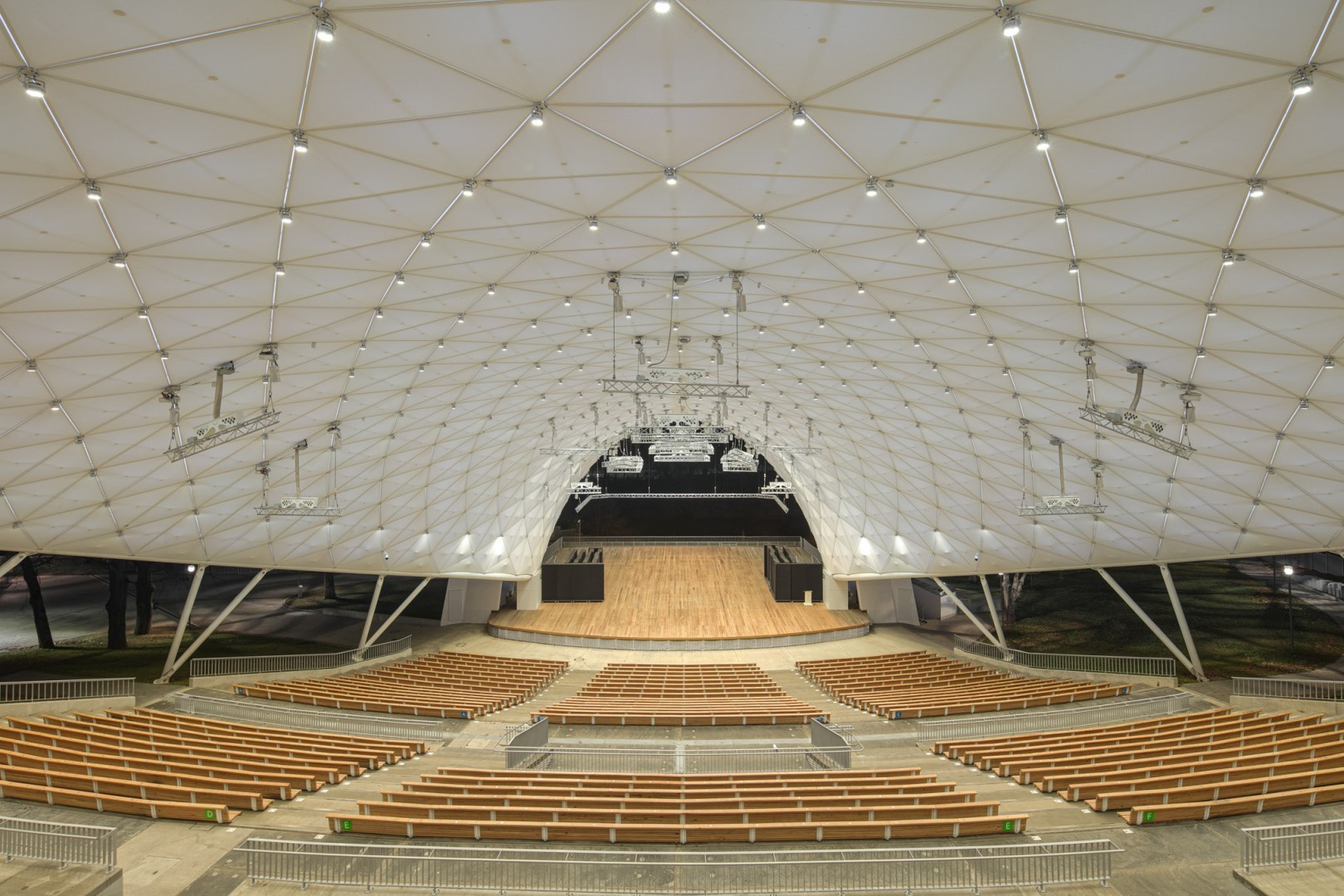
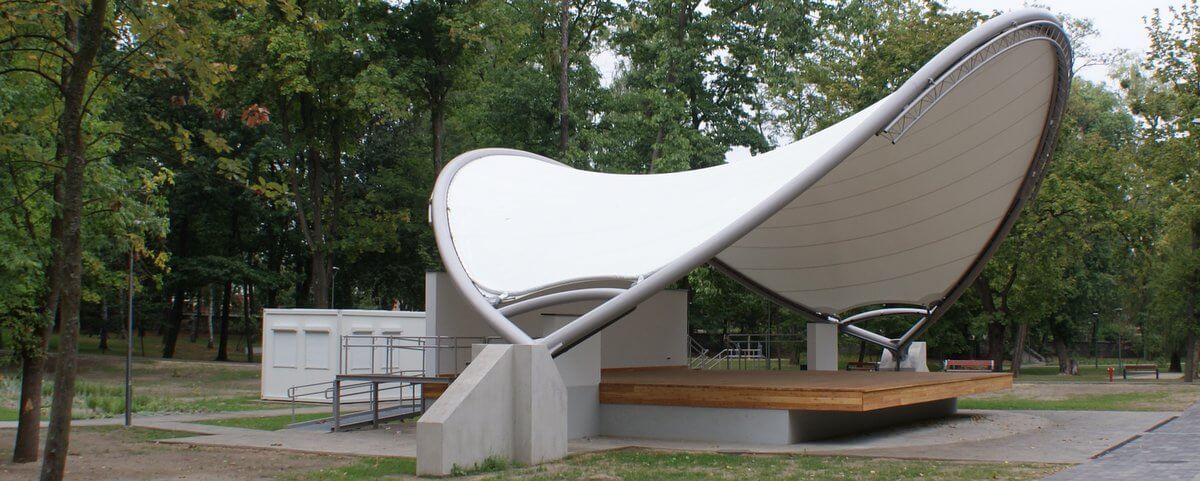
Membrane structures are gaining increasing popularity in theatrical spaces due to their lightness, impressive form, and excellent acoustic parameters. This type of roofing can take various, often very spectacular shapes, becoming an architectural element and a hallmark of the open-air theater.

Temporary roofing is suitable for theater festivals, seasonal events, or touring shows. Their advantage is mobility, relatively low cost, and quick assembly and disassembly. Modern temporary structures, despite their nature, provide high standards of safety and aesthetics.

Materials Used in Theater Roofing

Materials used in theater roofing must meet stringent requirements for durability, weather resistance, and acoustic properties.

PVC/PTFE membranes and tarpaulins are now standard in modern roofing. PTFE membranes offer exceptional durability (up to 30 years) and self-cleaning properties. PVC tarpaulins are a cheaper alternative, maintaining good waterproof and UV resistance parameters. Proper PVC welding is crucial for the tightness of the entire structure.

Aluminum and steel structures form the skeleton of the roofing. Aluminum is lightweight and corrosion-resistant, making it ideal for mobile structures. Steel provides the highest strength and stability, which is why it is used in permanent or large-scale structures.

Technical fabrics and nets play a complementary but extremely important role in theater acoustics. Appropriately selected materials can significantly improve the sound parameters of the space, eliminating echo and enhancing natural acoustics.

Functionality of Theater Roofing – What Should It Provide?

A well-designed theater roofing is much more than just a “roof over your head” – it is a comprehensive solution supporting every aspect of theater production.

Protection from weather conditions is the basic function of roofing. The structure must effectively protect against rain, strong wind, and sun exposure for both actors and the audience. It is particularly important to drain rainwater to prevent it from accumulating on the roofing surface.

Integration of technical systems includes the possibility of installing lighting, sound systems, and elements of theater machinery. Professional roofing should include the necessary mounting points, cable routes, and load capacity for battens and other technical elements.

Acoustics of the space is a key aspect of any theater. The roofing should support natural sound projection and prevent unwanted reflections. A properly designed structure can significantly improve the audience’s listening experience, even without the use of advanced sound systems.

Choosing the right roofing for a theater is a decision that affects not only comfort but also the artistic quality of the performances presented. At Abastran, we specialize in designing and manufacturing theater roofing tailored to the individual needs of each stage space. Feel free to contact us – we will help you choose a solution that combines functionality, aesthetics, and durability, meeting all the expectations of theater creators.

Membrane Canopies for Restaurants: A Modern All-Season Solution

Dodatkowe treści

Membrane Canopies – A More Effective Solution for Restaurant Terraces Than Parasols or Awnings


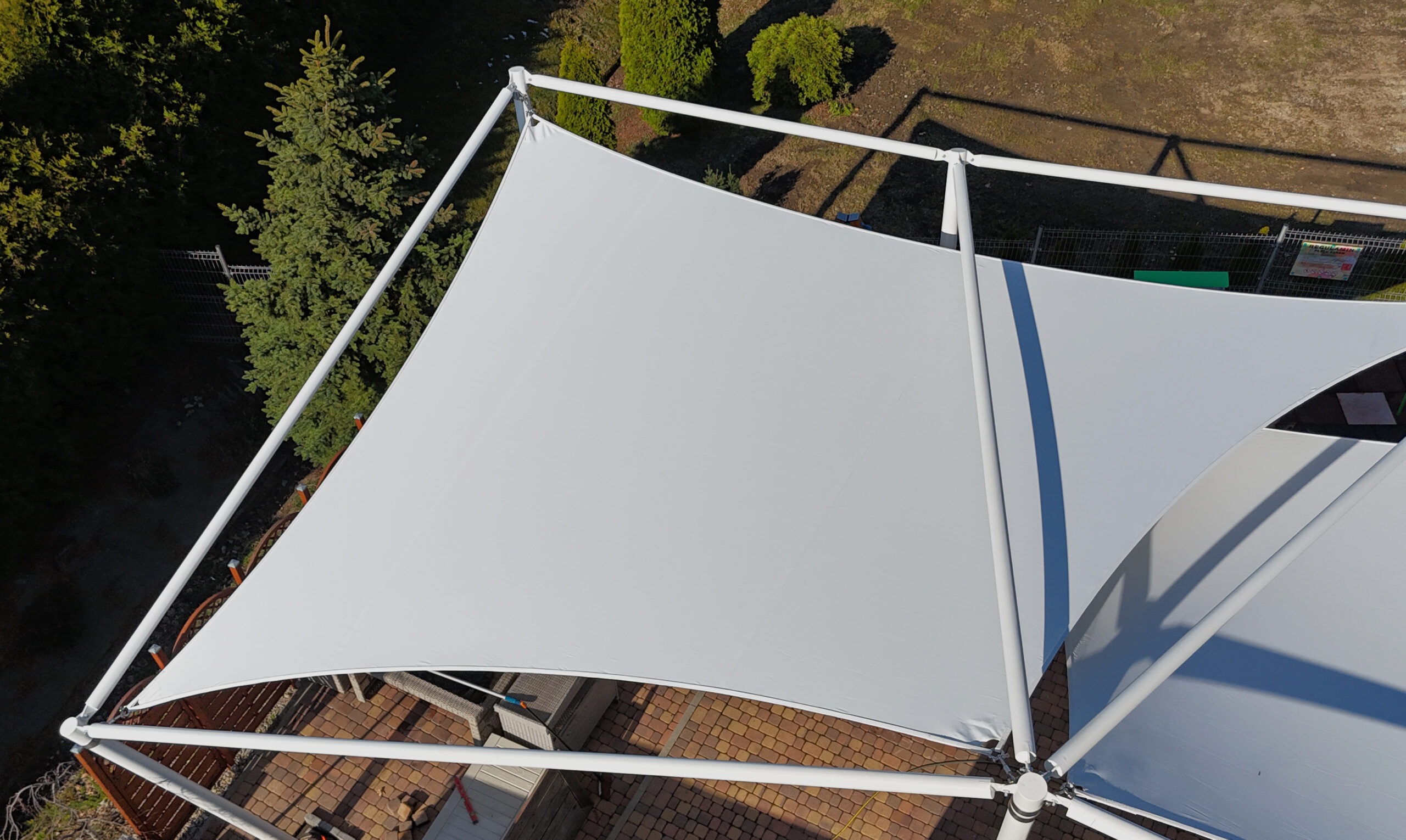
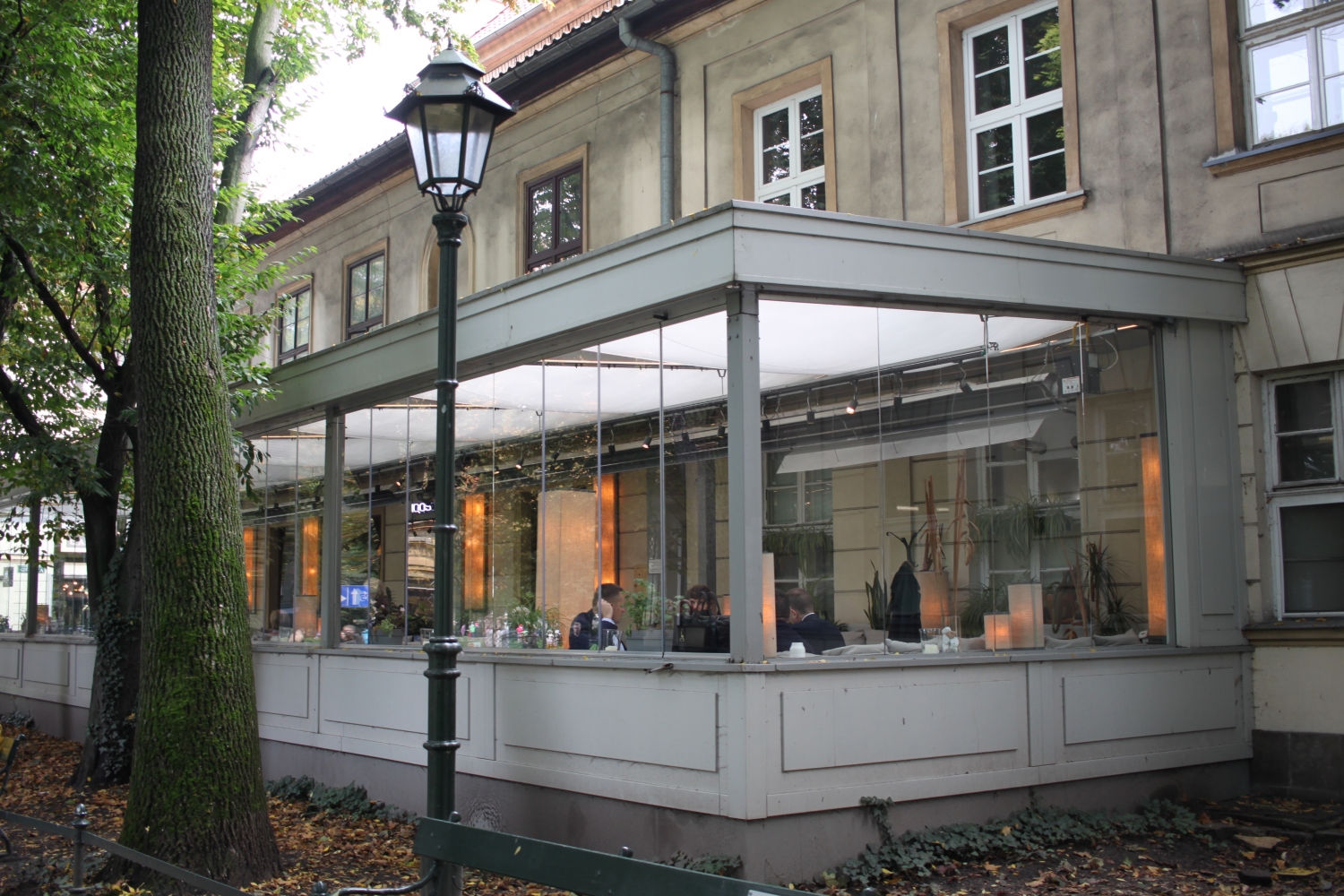
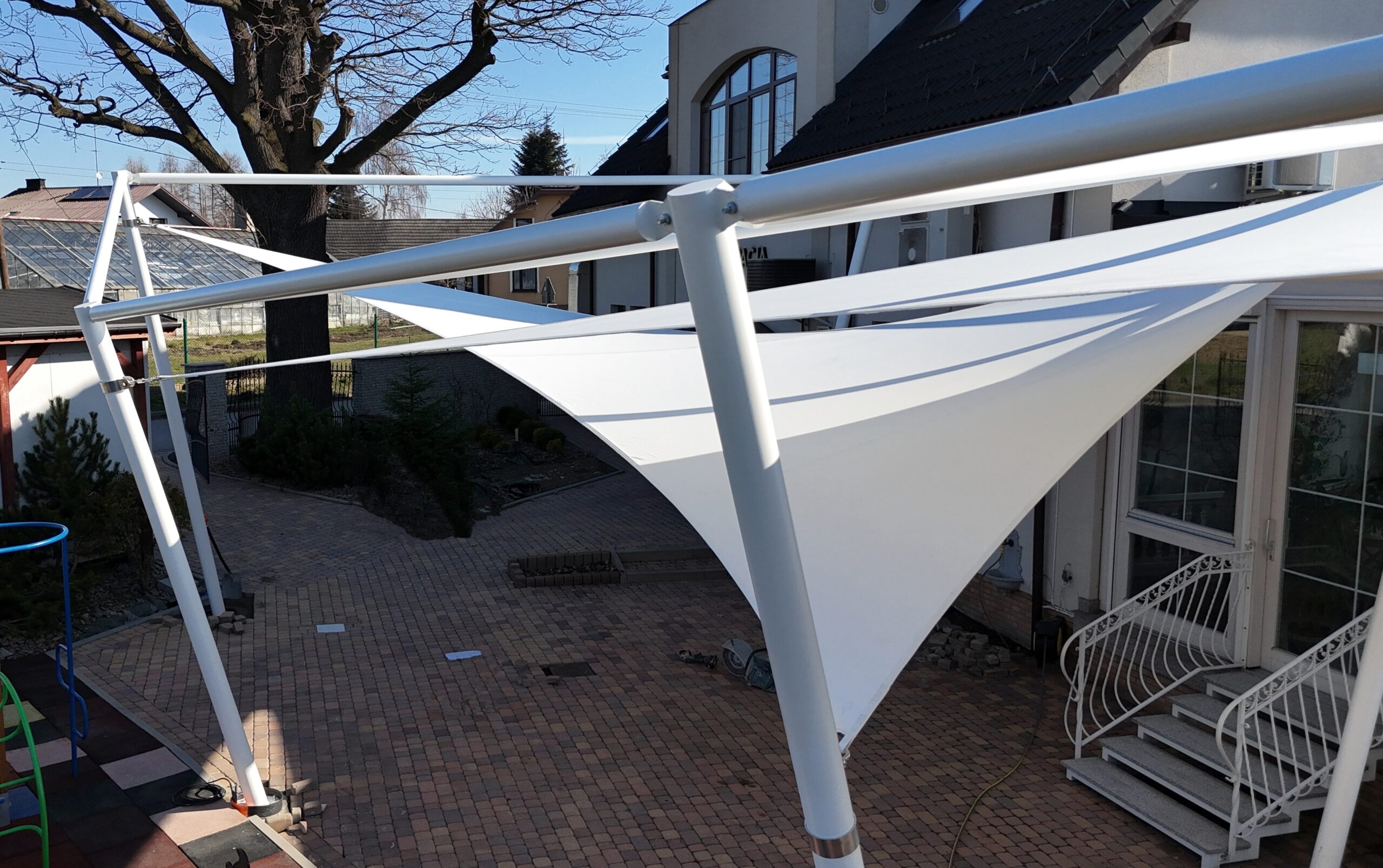
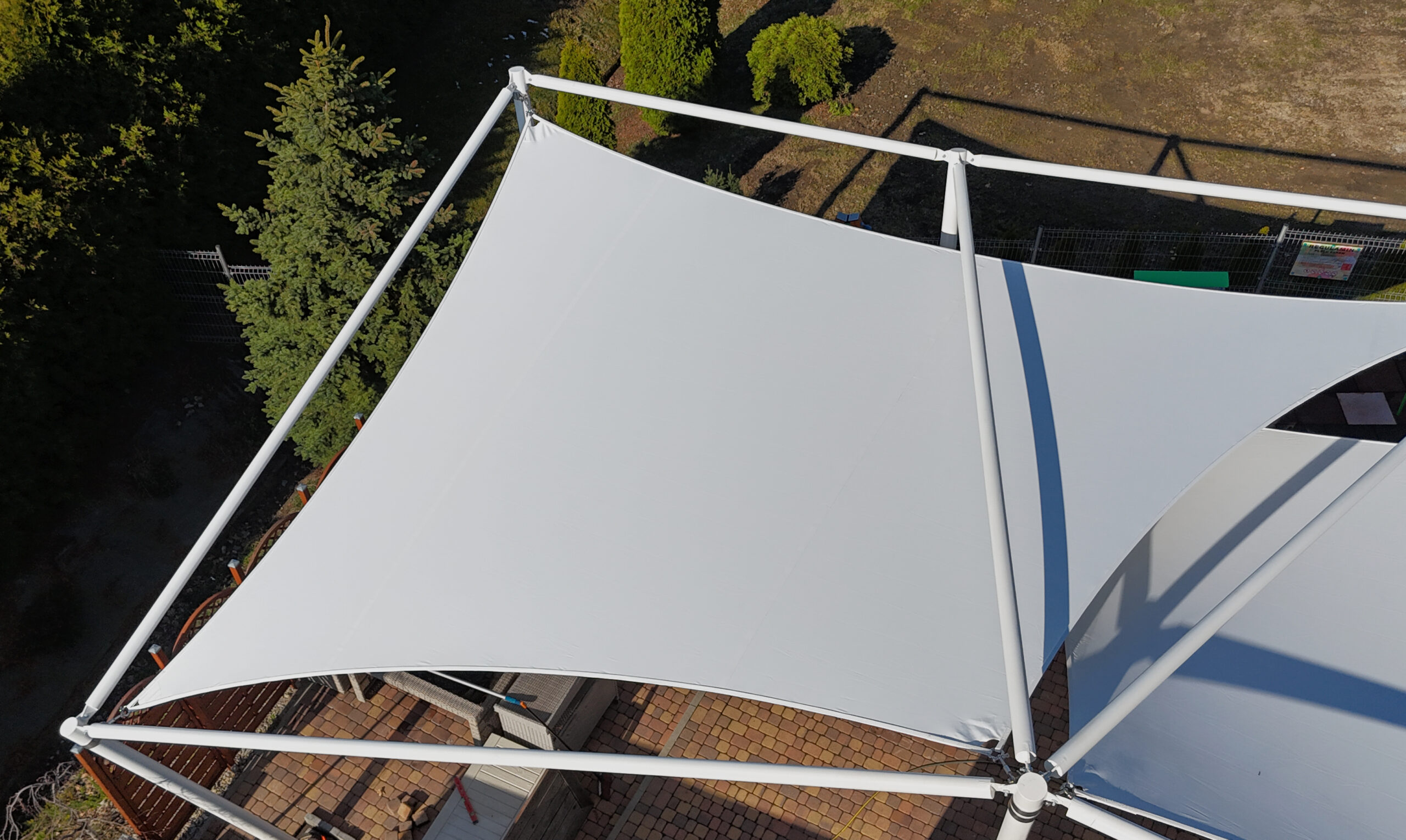
Restaurant owners – especially those with spacious outdoor seating areas – often face the challenge of choosing the best solution to protect their guests from unpredictable weather. While the market offers a variety of options, from traditional parasols and awnings to cutting-edge membrane canopies, the latter proves to be a more worthwhile long-term investment. Although parasols and awnings may seem appealing at first, membrane canopies stand out as the superior choice over time. A great example is the installation by Abastran for the Korbasowy Dwór restaurant in Cieszyn, where the canopy provides not only outstanding user comfort but also long-term cost efficiency.

Year-Round Guest Protection and Comfort

Membrane canopies offer more effective protection from the elements – a significant advantage over parasols and awnings. While parasols serve their purpose, they are vulnerable to damage during heavy rainfall. Awnings, although offering shade, do not always provide full protection against wind and rain.

Membrane structures deliver a comprehensive solution that ensures reliable shelter for guests regardless of the weather. Thanks to advanced technical fabrics, these canopies are resistant to rain, snow, wind, and UV radiation. This means guests can enjoy the outdoor area all year round, come rain or shine. Many of these structures are also equipped with integrated drainage systems, eliminating the problem of pooling water and standing puddles.

A Design Tailored to the Unique Character of the Restaurant

Another key advantage of membrane canopies is their adaptability to the specific character and needs of each venue. Membrane structures – like the one designed by Abastran for Korbasowy Dwór – are custom-made to match the setting. The shape, colour, and material of the membrane can be tailored, ensuring the final design complements both the architecture and ambiance of the restaurant.

In the case of Korbasowy Dwór, the canopy was created to blend seamlessly with the building’s traditional architecture while adding a touch of modern elegance. The lightweight yet durable fabric ensures the structure remains subtle and unobtrusive, while effectively shielding guests from the elements.

The ability to personalise membrane canopies gives restaurateurs considerable freedom in shaping an outdoor space that reflects the venue’s style. The right membrane materials can maximise natural light, creating a bright and welcoming atmosphere. Additional features, such as decorative LED lighting, can enhance the ambience during evening hours. These canopies are not only practical but also enhance the visual appeal of the restaurant, helping to attract guests and highlight the venue’s unique character.

How to Choose the Right Event Tent for the Scale of Your Event?

Dodatkowe treści

How to Choose the Right Event Tent for the Scale of Your Event?

Organizing a successful outdoor event requires precise planning, and a key element of the entire undertaking is choosing the right shelter. An event tent is not only protection against changing weather conditions, but also a space that defines the character of the entire event and affects the comfort of participants. Regardless of whether you are planning a small company party, an elegant outdoor wedding or a large festival, a properly selected tent is the foundation of your event’s success.

Defining the Needs and Nature of the Event

The first and fundamental step in choosing the right event tent is to precisely define the nature of the event and the expectations that the tent structure is to meet. Each type of outdoor event presents the organizer with different logistical challenges, and thus requires an individual approach to the issue of roofing. An elegant wedding reception will require a completely different type of tent than a music festival or a company picnic. Similarly, a small event differs in terms of requirements from a large mass event with hundreds of participants.

The basic parameter that determines the choice of tent is the number of event participants:

  • For events up to 50 people: tents with dimensions of about 4×6 meters are usually sufficient
  • Events from 50 to 100 participants: an area of about 5×8 meters or larger
  • Large outdoor events: it is worth considering combining several tent modules or choosing large-scale solutions

When planning the tent space, remember that the number of guests is just the beginning of the calculation. It is crucial to include additional space for accompanying infrastructure elements, such as a stage, dance floor, catering areas or technical facilities. It is standardly assumed that to ensure optimal comfort, there should be a minimum of 1-1.5 m² of usable space per participant – and this is assuming that we are talking only about the space for guests, without taking into account the aforementioned additional zones.

An equally important factor is the time of year in which the event takes place. In summer, the priority may be adequate ventilation and protection from the sun, while in autumn or winter, the tightness of the structure, the possibility of heating and resistance to adverse weather conditions become crucial. Professional temporary roofings should be prepared for various weather scenarios, ensuring the safety and comfort of participants regardless of the weather.

Key Parameters When Choosing an Event Tent

Choosing an event tent is a process that goes far beyond determining the right size. Especially when organizing professional events, the technical parameters of the structure are of key importance, which directly translate into the safety of participants and the logistical efficiency of the entire undertaking.

A professional event tent should be characterized primarily by high resistance to weather conditions. This means a structure resistant to gusts of wind (in the case of top solutions, even up to 100 km/h), heavy rainfall, and in certain cases also snow load. The quality of the materials used to produce the tent hall covers is crucial here – high-quality PVC fabrics or PTFE membranes guarantee not only complete waterproofness, but also durability, aesthetic appearance and the possibility of repeated assembly and disassembly without losing technical properties.

The safety of event participants should always remain an absolute priority, therefore, when choosing an event tent, the issue of certification cannot be ignored. Professional tent structures intended for organizing public events must meet strict safety standards and have appropriate certificates, including, above all, fire resistance certificates (such as DIN 4102 B1). In the case of larger structures, static calculations confirming the stability of the entire system may also be necessary. It is worth remembering that the responsibility for the safety of participants rests with the event organizer, therefore, a conscious choice of a certified supplier of tent structures is an investment in peace of mind and professionalism.

It is also worth paying attention to practical aspects related to logistics – the time of assembly and disassembly of the structure, requirements for the ground on which the structure is placed, or the possibility of transporting and storing system elements. Professional suppliers offering PVC welding and custom-made cover production are able to adapt the solution to the specific conditions of the location where the event is planned.

Types of Event Tents and Their Applications

The event tent market today offers extremely diverse solutions, each of which has its optimal application and unique features. The choice of the appropriate type of structure should be dictated by both practical aspects and the visual concept of the entire event.

Pop-up Tents

Pop-up tents (also called express pavilions) are an ideal solution for small and medium-sized events, where ease and speed of assembly are crucial. Their main advantage is the compact design, which can be set up in just a dozen or so minutes, often without the need to involve a specialized technical team. These types of shelters are available in various sizes, most often from 2×2 m to 6×6 m, which makes them extremely versatile. Pop-up tents are perfect for company picnics, small fairs and markets, sporting events or as information or catering points during larger events. Their modular design often allows you to combine several pavilions, which increases the possibilities of adapting the space.

Dome Tents

Dome tents are a solution with a characteristic semicircular shape, which provides maximum usable space without the need for internal supports. Their modern, futuristic appearance makes them often chosen for technological events, exhibitions, product presentations or conferences. Dome structures are characterized by exceptional aerodynamic efficiency – their streamlined shape minimizes wind load, which translates into high stability even in difficult weather conditions. Additionally, the spherical shape provides excellent acoustic properties, which can be an important argument when organizing musical or lecture events. Dome tents are available in various sizes, and their diameter can range from a few to several dozen meters.

Star Tents

Star tents represent a group of extremely impressive solutions with a unique design, which in themselves are a visual attraction of the event. Their characteristic shape resembling a spread star or a sail attracts attention and gives the event a unique character. These types of structures are perfect as a distinguishing element at festivals, fashion events or luxury parties. Star tents, although primarily decorative, also provide effective protection against the sun and light rain. They are available in various configurations and sizes, and their modular nature often allows you to create comprehensive, extensive roofing installations.

Tent Halls

For the largest mass events, such as music festivals, industry fairs or large sporting events, professional tent halls are the optimal solution. These large-scale structures can accommodate even several thousand participants, while offering full protection against weather conditions. Tent halls are distinguished by a solid, aluminum or steel supporting structure, on which a durable cover is stretched. This type of roofing often offers the possibility of installing specialized systems – from advanced lighting and sound solutions to air conditioning and heating systems. Thanks to their modular construction, tent halls can be combined and configured, creating complexes perfectly adapted to the specific requirements of a given event.

How to Protect a Membrane Structure from Extreme Wind?

Dodatkowe treści

How to Protect a Membrane Structure from Extreme Wind?

Membrane structures, despite their lightness and apparent delicacy, can effectively withstand extreme weather conditions – provided they are properly designed and secured. In the face of increasingly frequent weather anomalies, the issue of protecting these innovative structures from strong winds is becoming a priority for investors and designers.

The Impact of Strong Winds on Membrane Structures

Wind affects architectural membranes in a complex way, causing loads in various directions. The most dangerous phenomenon is uplift, which works on a principle similar to an airplane wing – when air flows over the curved surface of the membrane, it generates lift that can lead to its damage.

Interestingly, properly designed membrane structures can exhibit remarkable durability even during hurricanes. This is due to their flexibility – unlike rigid structures, membranes can partially “cooperate” with the wind, dissipating its energy through controlled deformation.

In the context of ongoing climate change, designing with extreme wind loads in mind is becoming not a luxury, but a necessity.

Key Elements Securing Membrane Structures Against Wind

Effective wind protection begins at the design stage. Attachment points are a critical element of the entire system – they must withstand the enormous forces generated during gales. Properly placed wind bracings and edge reinforcements prevent wind from getting under the membrane.

Equally important is the proper tensioning of the material. A membrane that is too loose will be susceptible to fluttering and water accumulation, while excessive tension can lead to damage during strong gusts. At Abastran, we use advanced CFD (Computational Fluid Dynamics) analyses, which allow us to simulate the behavior of the structure in various wind conditions.

The shape of the structure is also a key factor. Streamlined shapes significantly reduce air resistance, while sharp edges can generate turbulence that increases loads. Our designers use the experience gained from projects in the windiest locations to create structures that work harmoniously with the forces of nature.

Materials Resistant to Extreme Weather Conditions

In the context of wind protection, choosing the right membrane material is crucial. Membranes made of PTFE membrane fabrication exhibit exceptional tensile strength and resistance to extreme weather conditions. Their durability reaches up to 30 years, making them an ideal choice for long-term applications.

Alternatively, PVC membranes, subjected to professional PVC welding, offer an excellent strength-to-price ratio. Advanced material joining technologies ensure that the joints are as strong as the membrane itself – eliminating potential weak points in the structure.

Safety is also determined by the methods of joining individual elements. At Abastran, we use high-frequency welding technologies and precise fastening systems that guarantee the integrity of the structure even in the strongest gusts of wind.

Remember, properly securing a membrane structure against extreme wind conditions requires specialized knowledge and experience. As experts in the design and implementation of advanced membrane structures, we offer comprehensive solutions tailored to the specific conditions of the location and the investor’s requirements. Contact us to find out how we can protect your structure from even the most extreme weather conditions.

Biogas Domes as a Source of Renewable Energy

Dodatkowe treści

Biogas Domes as a Source of Renewable Energy

In the face of global climate challenges and the growing demand for clean energy, biogas is emerging as one of the most stable renewable energy sources. Unlike solar or wind energy, biogas production is not dependent on weather conditions, making it an extremely valuable element of the energy mix. Biogas domes, an integral part of biogas plants, play a key role in the process of storing and processing biogas into electricity and heat. Abastran, a company specializing in advanced membrane structures, offers solutions that are also applicable in the biogas sector, where durability and tightness of the structure are priority issues.

What is biogas and how is it produced?

Biogas is a renewable energy source produced as a result of anaerobic fermentation, i.e. the decomposition of organic matter in the absence of oxygen. Under controlled conditions of a biogas plant, anaerobic microorganisms decompose biomass, releasing a mixture of gases consisting mainly of methane (50-70%) and carbon dioxide (30-50%), with a small amount of other compounds such as hydrogen sulfide or ammonia.

The key to efficient biogas production is the appropriate selection of substrates. The most commonly used are:

  • Agri-food waste (fruit, vegetable, dairy residues)
  • Silage from corn and other energy crops
  • Slurry and manure
  • Sewage sludge
  • Waste from the food industry

This variety of raw materials means that biogas plants can be adapted to local conditions and available organic waste, which increases their ecological value. Instead of going to landfills, organic waste becomes a valuable source of energy, while reducing methane emissions to the atmosphere, which as a greenhouse gas is 28 times more harmful than carbon dioxide.

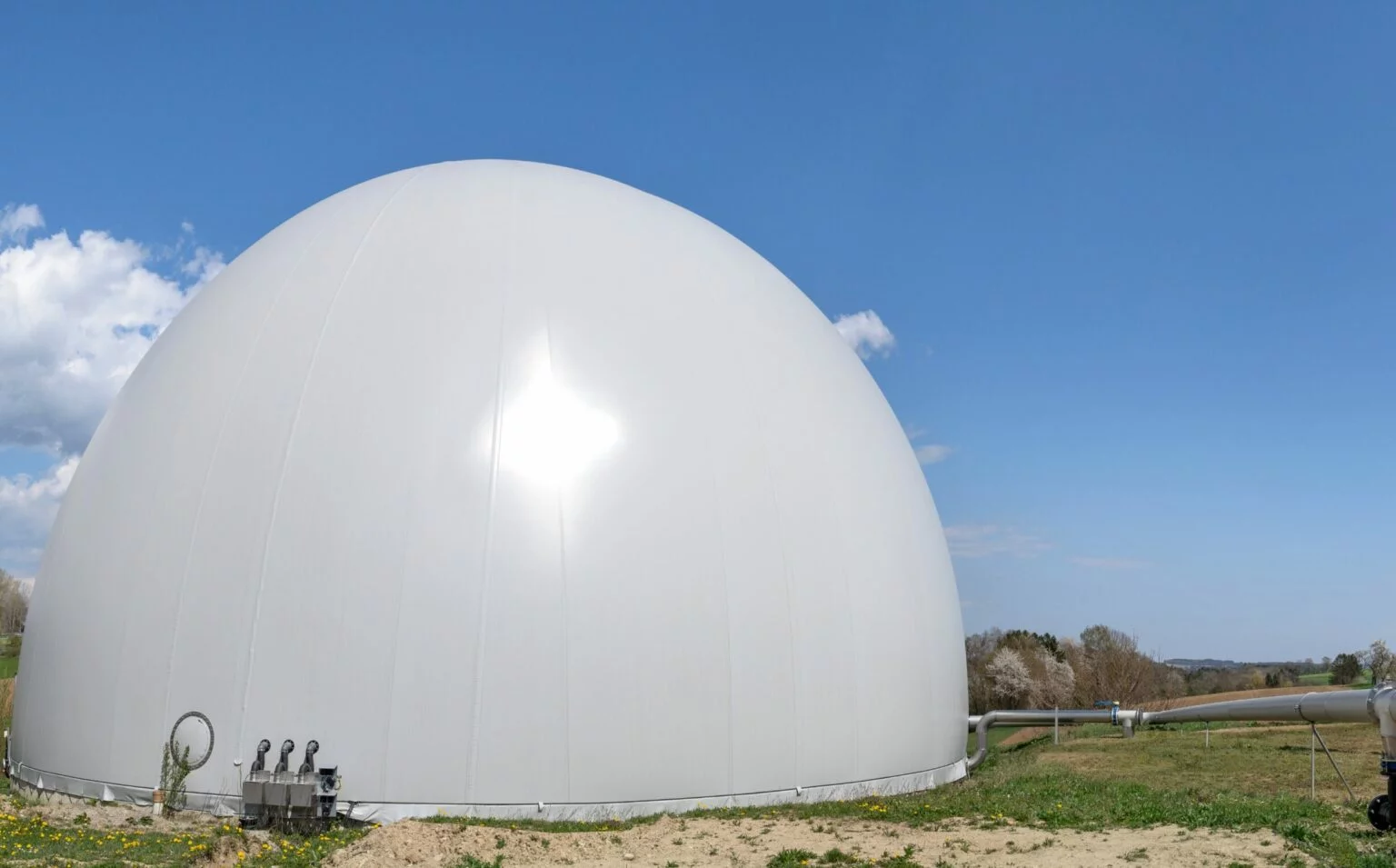
The fermentation process takes place in special fermentation chambers, where optimal temperature and pH conditions are maintained, enabling efficient work of microorganisms. It is above these chambers that biogas domes are installed, responsible for collecting the resulting biogas.

Biogas domes – construction and operation

Biogas domes are specialized structures that serve as a roof for fermentation chambers, and at the same time serve as tanks for storing the produced biogas. Modern biogas domes are most often made of advanced membrane materials, which must meet stringent requirements for tightness, resistance to weather conditions and the effects of chemical compounds contained in biogas.

The key structural elements of biogas domes are:

  • Flexible external membrane resistant to UV radiation and weather conditions
  • Inner layer ensuring tightness and chemical resistance
  • System of fastenings and seals at the fermentation chamber
  • Control and measurement devices monitoring biogas pressure
  • Ventilation and safety systems

Modern biogas domes are often designed as double-membrane structures, where the space between the membranes is filled with air under pressure, which ensures the stability of the structure and additional insulation. This solution allows for the storage of biogas at variable pressure, and at the same time protects against uncontrolled release of gas into the atmosphere.

Technologies used in the production of tent hall covers are also used in the construction of biogas domes, where similar material parameters play a key role: tensile strength, tightness and durability in changing weather conditions.

Potential for the development of biogas plants in Poland

Poland has a huge and still untapped potential in the field of biogas production. According to expert estimates, the theoretical production potential of biogas in our country is 13-15 billion m³ per year. This is an amount that could satisfy about 50% of the country’s demand for natural gas. Currently, there are only 383 biogas installations in Poland, including 148 agricultural biogas plants, which is a fraction of the possibilities offered by the biogas sector.

Importantly, full use of the national biogas potential could significantly contribute to Poland’s energy independence. Some analyzes even indicate that the consistent development of biogas plants could lead to the complete elimination of fossil fuel imports to Poland.

A noteworthy solution supporting the development of biogas plants is the concept of cable pooling, i.e. sharing connections to the power grid by various RES sources. Thanks to this, biogas plants can cooperate more effectively with photovoltaic or wind installations, supplementing their work during periods of low production. Biogas plants are a stable source of energy that can produce electricity 24/7 regardless of the weather.

Designing efficient biogas plants requires a comprehensive approach and design optimization, which translates into increased efficiency of the entire system while reducing investment and operating costs.

Summary

Biogas domes are a key element of the biogas plant infrastructure, enabling efficient storage and use of biogas for the production of electricity and heat. As a stable source of renewable energy, biogas plants have a chance to play a significant role in Poland’s energy transformation, while contributing to the management of organic waste and reducing greenhouse gas emissions.

Abastran, thanks to its experience in the design and production of advanced membrane structures, offers solutions that can be successfully used in the biogas sector. Specialized membranes and support structures adapted to the specific requirements of biogas plants are one of the key elements determining the efficiency and safety of the entire biogas production system.

If you are interested in the possibilities of using our solutions in your biogas project or want to learn more about membrane technologies that can increase the efficiency of your biogas plant – contact Abastran experts. Together, we can contribute to the development of clean energy in Poland.

Restaurant Canopies – Which One to Choose for Your Venue?

Dodatkowe treści

Restaurant Canopies – Which One to Choose for Your Venue?

Investing in a professional canopy for your restaurant’s outdoor seating area allows for efficient use of the space regardless of weather conditions, which directly translates into increased revenue. Nowadays, with customers increasingly choosing venues that offer outdoor dining, thoughtful terrace management is becoming a business necessity rather than a luxury. In this article, we will provide a comprehensive overview of the solutions available on the market, so you can make an informed decision about your restaurant’s canopy.

Types of Restaurant Canopies and Their Applications

Choosing the right canopy for your restaurant depends on many factors, including location, architectural style, and the specifics of your business. There are various solutions available on the market, each with different properties and applications. The key to success is understanding the specifics of each and matching them to the individual needs of your dining establishment.

Permanent canopies are durable solutions that provide year-round protection. Most often made of aluminum and glass or polycarbonate, they constitute a solid structure resistant to weather conditions. Unlike seasonal structures, they do not require disassembly for the winter, which eliminates the need to store elements and reassemble them in the spring. Covered terraces with a permanent structure are an excellent option for year-round restaurants that care about a consistent image and want to maximize every square meter of their space. Modern sliding and folding systems allow for partial opening of the canopy on warmer days, combining the advantages of a permanent structure with the flexibility of a pergola. Investing in such a solution requires a higher initial financial outlay, but over several years it pays for itself through increased revenue from additional usable space available all year round.

Canopies with a louvered roof combine the advantages of fixed and adjustable structures. You can rotate the aluminum louvers, adjusting the amount of light and ventilation to current needs and weather conditions. The louver system is designed to create a waterproof surface when fully closed, effectively draining rainwater to the sides of the structure. On warm, windless days, you can set the louvers at an angle, providing optimal ventilation while protecting against direct sunlight. This is an ideal solution for restaurants that want to maintain the flexibility of using outdoor space regardless of the season. Louvered canopies are particularly popular among establishments with modern architecture, where the minimalist design of aluminum structures blends perfectly with the overall arrangement.

Canopies made of technical fabric (awnings, shade sails, membrane structures) offer a light, modern aesthetic while maintaining functionality. Specialized technical fabrics provide protection from UV rays and rain, while giving the space lightness and elegance. The materials used in this type of roofing have undergone a long evolution – from traditional fabrics prone to rapid wear, to advanced membranes with PTFE or PVC coatings, which are characterized by long-term durability and resistance to extreme weather conditions. The advantage of membrane structures is the ability to create unusual, organic shapes that can become a distinctive element of your restaurant’s visual identity. Our membrane structures are solutions that combine the highest functionality with unique design, allowing you to create a characteristic space that will attract the attention of potential customers.

Thanks to a professional canopy, you can extend the garden season by several months, which directly translates into increased revenue for your restaurant. In the conditions of the Polish climate, where there are relatively few fully sunny, warm days, the ability to use those cooler or slightly rainy ones can be a competitive advantage for your premises.

Key Elements of a Good Restaurant Canopy

When choosing a canopy for a dining establishment, you must pay attention to several important elements that affect the functionality, durability, and aesthetics of the entire structure. Thoughtful investments in high-quality components pay off in the form of long-term, trouble-free use and guest satisfaction.

Construction materials determine the durability and aesthetics of the canopy. Aluminum is currently the most popular material used for canopy construction due to its excellent combination of lightness, strength, and corrosion resistance. Aluminum profiles can be anodized or powder coated in any RAL color, allowing for a perfect match to the existing building architecture and restaurant decor. Aluminum, unlike steel, does not require regular anti-corrosion maintenance, which significantly reduces the maintenance costs of the structure in the long run. In turn, the technical fabrics used in membrane canopies and awnings should be resistant to UV radiation (so as not to fade), waterproof (while maintaining air permeability), and fire-resistant, which is particularly important in public facilities.

Side enclosures are an element that significantly increases the functionality of the canopy and allows you to create a fully protected space regardless of weather conditions. Glass enclosures provide excellent visibility and protection from the wind, while maintaining a sense of space and contact with the surroundings, so important for guests choosing outdoor seating. Modern sliding-folding systems allow for instant adaptation of the space – on warm days you can completely open the sides, and on cooler days or during rain, close them partially or completely.

Drainage systems are an often overlooked, but extremely important element of any canopy. Professional structures have integrated gutters and drainage systems that effectively collect and drain rainwater outside the terrace area. In the case of bioclimatic pergolas, the louvers are designed to direct water to the side gutters, even during heavy rainfall. A well-designed drainage system prevents the formation of puddles and dampness on the surface, which could lead to slips and accidents, as well as accelerated degradation of outdoor furniture. In the case of membrane canopies, it is crucial to properly tension the fabric and design slopes that will prevent water from accumulating in the form of pockets.

Lighting and heating are components that allow you to use the garden even in the evenings and on cooler days. Integrated LED lighting not only provides adequate illumination, but also creates a cozy atmosphere that encourages guests to stay longer at the premises. Modern lighting systems offer the possibility of adjusting the intensity and color of light, which allows you to adapt the atmosphere to the time of day and the nature of the event. Heat radiators strategically placed under the canopy will provide comfort to your guests even at lower temperatures.

At Abastran, we specialize in the design and installation of temporary canopies and permanent ones that are tailored to the specific needs of the catering industry. Our solutions are characterized by high quality workmanship and attention to every detail, which translates into long-term, trouble-free operation. We cooperate with leading European component manufacturers, which guarantees the highest standards of durability and aesthetics. We treat each project individually, understanding that the specifics of each restaurant require a unique approach and adaptation of solutions to specific needs and customer expectations.

How to Choose a Canopy for the Specifics of Your Restaurant?

Choosing the right canopy for your restaurant should begin with a thorough analysis of needs and conditions. A professional approach to this issue will guarantee that the investment will bring the expected benefits and perfectly fit into the concept of your premises.

First, assess the location and microclimate in which your restaurant operates. Factors such as sun exposure, frequency and direction of winds, or the intensity of rainfall in the area are key parameters that determine the choice of the optimal solution. A restaurant located on a seaside promenade will be exposed to strong winds and salty air, which requires particularly durable structures and corrosion-resistant materials. In turn, a premises in the city center, surrounded by tall buildings, may experience the wind tunnel effect or be shaded for most of the day, which will affect the choice of canopy type and its functions.

Then consider the architectural style of your restaurant and the visual consistency of the entire concept. The canopy should harmoniously blend with the building and surroundings, forming its natural extension, not a foreign element. A modern restaurant with a minimalist character will look great with a geometric, clean form bioclimatic pergola made of aluminum and glass. A restaurant in a rustic or Mediterranean style may better harmonize with a canopy made of natural materials or a membrane structure with organic, soft shapes.

Formal and legal issues are also important. Before deciding to install a canopy, check local building regulations, spatial development plans and, in the case of historic buildings, guidelines of the conservator of monuments. In some locations, especially in historic city centers, there may be restrictive guidelines regarding the form, color, and materials used in restaurant garden canopies. If you lease the land from the city, you will need to obtain the appropriate permits, and the structure will have to meet certain aesthetic and safety requirements.

At Abastran, we offer individual projects that take into account all the factors mentioned. Our specialists conduct a detailed needs analysis, a site visit, and consultations with the client to propose a solution perfectly suited to the character of your premises and expectations. Thanks to the use of the latest design technologies, including 3D visualizations, you can see what your restaurant’s canopy will look like before implementation begins. Our many years of experience in designing canopies for the HoReCa industry allows us to anticipate potential problems and propose solutions that will ensure maximum functionality and aesthetics with an optimal budget.

Designing Steel Structures for Gusset Plate Halls – What Does It Look Like?

Dodatkowe treści

Designing Steel Structures for Gusset Plate Halls – What Does It Look Like?

When you decide to build an industrial facility, one of the most important choices you face is the type of structure. At Abastran, we specialize in designing steel structures, which, thanks to their properties, provide unmatched strength with relatively low self-weight. A particularly interesting solution is gusset plate halls, where the main load-bearing elements are designed as individually calculated gusset plates – profiles welded from plates, which we precisely adjust to the forces occurring in your structure. Thanks to our calculations, we can optimize steel consumption by up to 25-30% compared to standard solutions, and you receive a structural design perfectly tailored to your needs. In addition to gusset plate halls, our offer also includes designs for membrane and tent structures – alternative solutions that may better suit the specific requirements of your project.

The Process of Designing Steel Structures for Gusset Plate Halls

Our work begins with creating a precise working design of the steel structure. Let’s not confuse it with the technical design you receive at the building permit stage – this only defines the general parameters and assumptions. At Abastran, we create detailed workshop documentation, which is a “recipe” for producing each element of your structure.

While working on the project, we carry out advanced structural optimization, which allows us to reduce the weight of steel by up to 30%, while maintaining all strength parameters. We use modern CAD/CAM software, thanks to which we can precisely model each element and simulate various load scenarios – from the weight of snow to the action of strong wind. This stage is crucial, because accurate planning of every detail translates into material and financial savings, and efficient assembly.

It is worth emphasizing that it is at the design stage that we make the most important decisions regarding your structure – we determine the cross-sections of elements, spacing, types of connections, and specify materials. Thanks to our experience in structural calculations, we can advise you on the best solutions that will meet your expectations both technically and economically.

Calculations and Specification of Steel Elements for the Manufacturer

Once you accept the design, we prepare detailed documentation for implementation. The first step is to develop a material specification in accordance with our calculations. In Abastran projects, we do not save on quality – we specify high-strength steel from proven suppliers, which is the foundation of your structure’s durability.

In our documentation, we specify the exact parameters for material preparation, including abrasive blasting methods, which not only removes dirt and rust, but also increases adhesion for subsequent anti-corrosion coatings. This stage is crucial for the durability of your structure – a well-prepared surface is the basis for effective anti-corrosion protection, which will ensure many years of trouble-free use.

Our designs include detailed guidelines for cutting the material to size. Depending on the thickness and type of steel, we specify different techniques – for thinner sheets, we recommend laser cutting with an accuracy of up to 0.1 mm, for thicker elements, we recommend plasma or water jet technology. Thanks to precise calculations, we are able to design all structural elements of your steel hall with the highest accuracy, which is of great importance during subsequent assembly.

The documentation we prepare also includes detailed guidelines for further processing – making mounting holes, chamfering for welds, and, where necessary, precise bending. We define all these operations in accordance with our calculations, specifying dimensional tolerances at each stage of production. It is this precision in design that makes the elements of your structure fit together perfectly during assembly.

Designing Welding and Gusset Plate Processing Technology

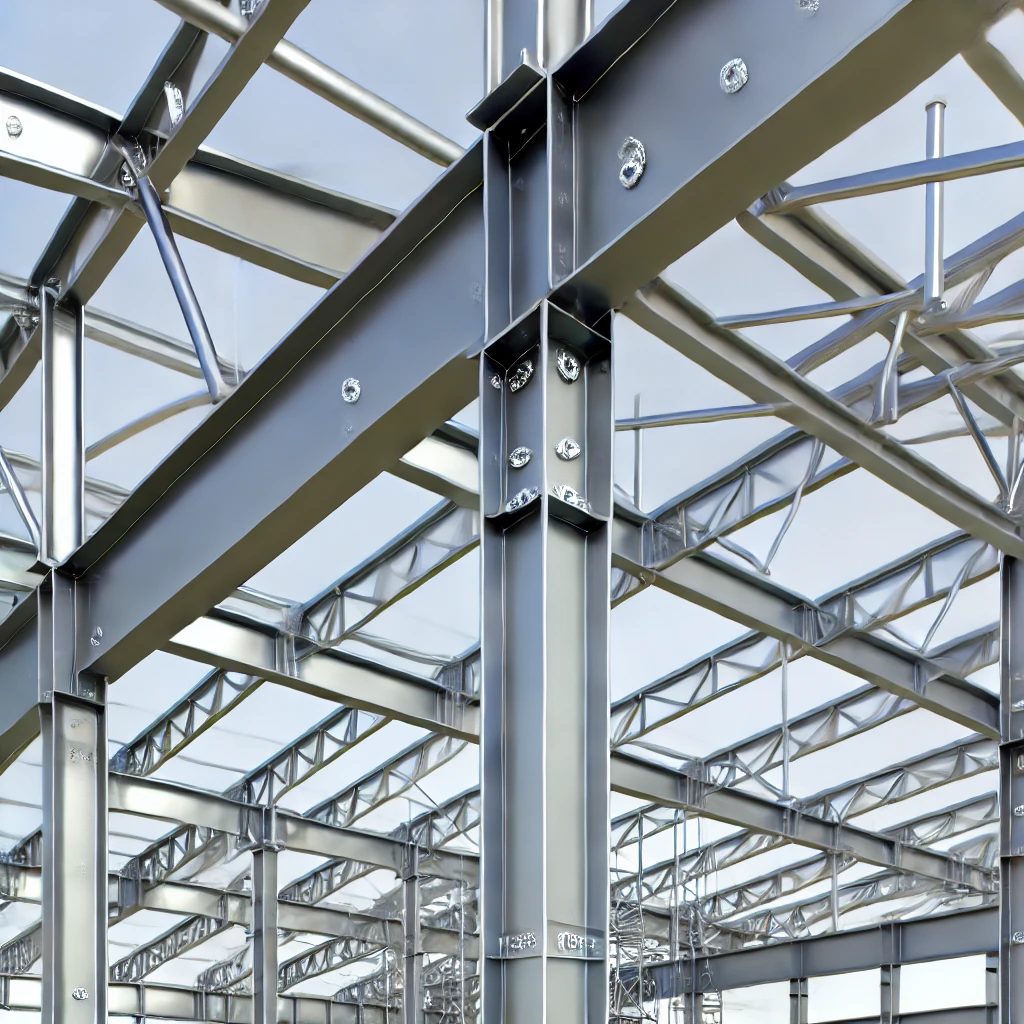
The heart of the gusset plate design is welding technology. At Abastran, we design advanced welding methods, including specifying submerged arc welding (SAW) parameters, which ensures deep penetration and exceptional weld quality. Our welding specifications allow us to create connections with the highest strength, which is crucial for large structural elements such as columns or beams.

By choosing a gusset plate hall designed by us, you gain a significant advantage over solutions using standard commercial elements. We design gusset plates taking into account the actual distribution of forces in your structure. This means that where the loads are greater, we design thicker plates or higher cross-sections, and where they are smaller – we can reduce the amount of material. Thanks to this, your structure will be both durable and economical.

Every stage of the project in our company is subject to rigorous control in accordance with the PN-EN 1090 standard, which allows us to mark the finished elements with the CE mark. Our designs take into account all requirements for the qualification of contractors, including welders with appropriate qualifications. We also specify requirements for weld testing, both visual and, when required by standards, non-destructive testing (NDT). We leave no room for chance – your structure designed by Abastran must be not only functional, but above all safe.

In our designs, we also define requirements for finishing. We specify methods for removing weld spatter, cleaning the surface, and preparing for anti-corrosion protection. Depending on your requirements and the environment in which the structure will operate, we design an appropriate painting system or hot-dip galvanizing. Properly designed anti-corrosion protection is an investment in the durability of your hall, which can serve for decades.

Designing the Assembly of Steel Structures on the Construction Site

The final stage of our project is the development of the technology for assembling the structure on the construction site. At Abastran, we specify two main methods, which we select depending on the specifics of your project. For smaller objects, we design the assembly of individual elements directly on the construction site. For larger structures, we recommend block assembly, where larger assemblies are prepared on the ground and lifted as a whole, which significantly speeds up work and increases safety.

In our assembly documentation, we describe in detail the process starting with setting the main columns on the prepared foundations. Precise anchoring is the basis for the stability of the entire structure – we design assembly templates and specify requirements for measuring equipment to ensure perfect alignment of the load-bearing elements. Then we define the order of assembly of the roof beams and the method of their connection to the columns using the bolted connections designed by us.

In the following stages, we specify the installation of wall and roof bracings, which ensure the spatial stiffness of the entire hall. They ensure that the structure designed by us will be resistant to horizontal forces, such as wind or seismic loads. We also specify the method of assembling roof purlins and wall girts, which support the cladding.

Experience has taught us that precise design of elements directly translates into the speed and efficiency of assembly. When all elements fit together perfectly according to our design, the need for time-consuming adjustments on the construction site is eliminated, which significantly shortens the implementation time and reduces costs. After completing the assembly of the steel structure, you can proceed to install the roof and wall cladding, and you can enjoy the new, functional space.

Summary

Designing steel structures for gusset plate halls is a complex process, which we at Abastran carry out with the utmost care at every stage. From precise calculations and workshop design, through detailed specification of elements using high-strength steel, to professional assembly documentation – every step is crucial for the quality of the final result.

By choosing our company, you gain a partner with many years of experience in design and access to the latest calculation technologies. Our steel structure designs are not only the fulfillment of technical requirements and standards, but above all a solution tailored to your individual needs. We care about cost optimization, but never at the expense of quality.

If you are considering building an industrial hall, warehouse, or other facility requiring a solid structure, please contact us. Our specialists will help you choose the optimal design solution, including membrane structures, which are an innovative alternative to traditional solutions. Together we will design a space that will serve you for years.