
Logo UE
Logo Abastran

Timber Structures in Membrane Roofs – A Modern Approach to Design and Functionality

Timber Structures in Membrane Roofs – A Modern Approach to Design and Functionality

Membrane roofs are most commonly associated with large steel structures that ensure durability and stability. However, in recent years, an innovative approach has been gaining popularity – timber elements that combine modern design with the natural beauty of wood. Such solutions not only impress with their aesthetics but also contribute to sustainable development, blending nature with modern construction technologies.

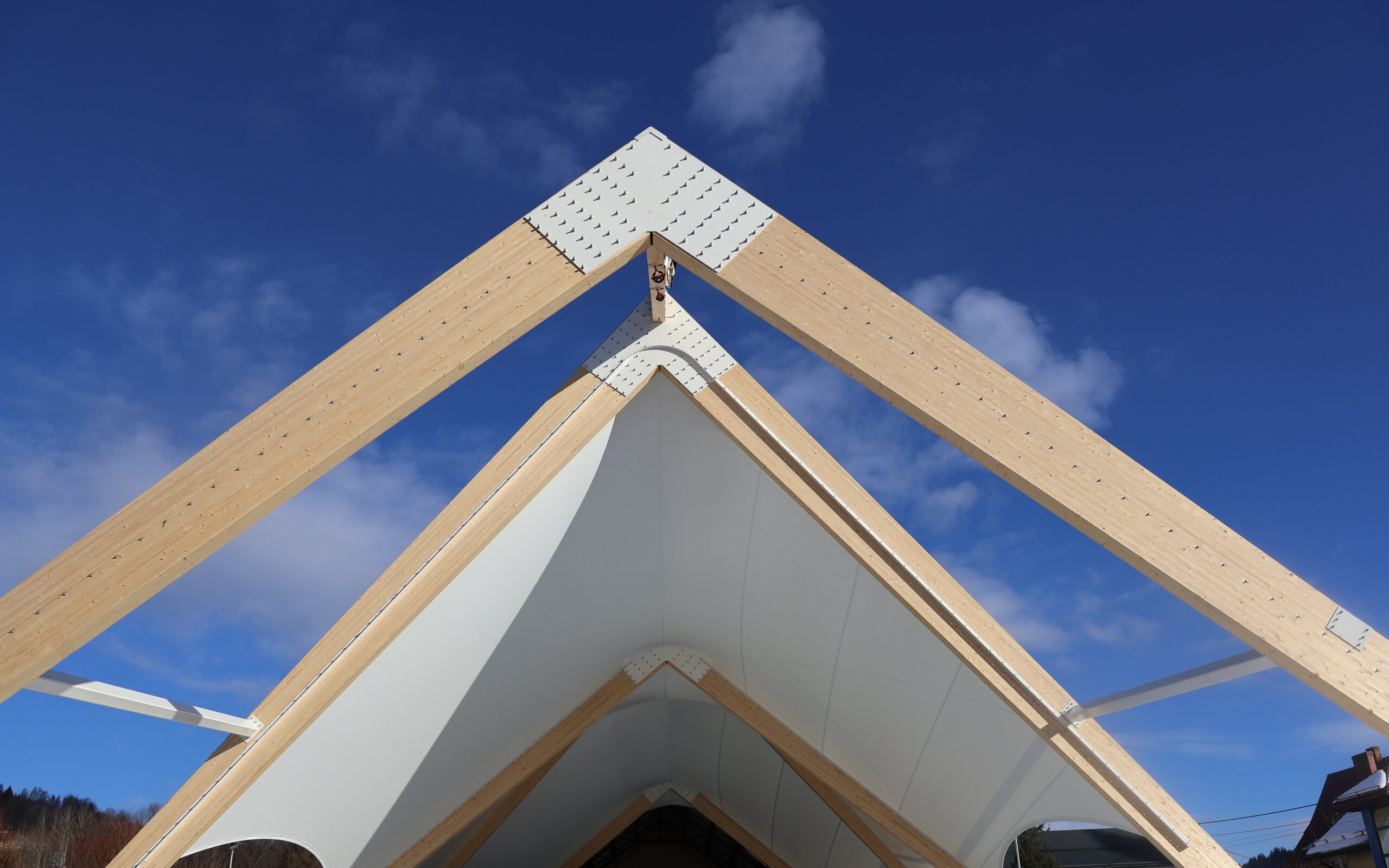
Using timber in membrane roofing not only enhances the visual appeal but also introduces environmentally friendly elements into contemporary architecture. Wood is a renewable material that, when sourced responsibly, has a significantly lower carbon footprint compared to steel or concrete. Moreover, its natural texture adds a unique character to structures, creating a harmonious connection with nature.


Why Choose Timber for Membrane Roofing?

Although wood has been used in construction for centuries, it is experiencing a resurgence in modern, unconventional projects. Combined with membranes known for their lightness and flexibility, timber enables the creation of roofing solutions that are both striking and practical. These designs are ideal for spaces where aesthetics, durability, energy efficiency, and minimal environmental impact are key considerations.


A Roofing Example in Ujsoły – Harmony with Nature

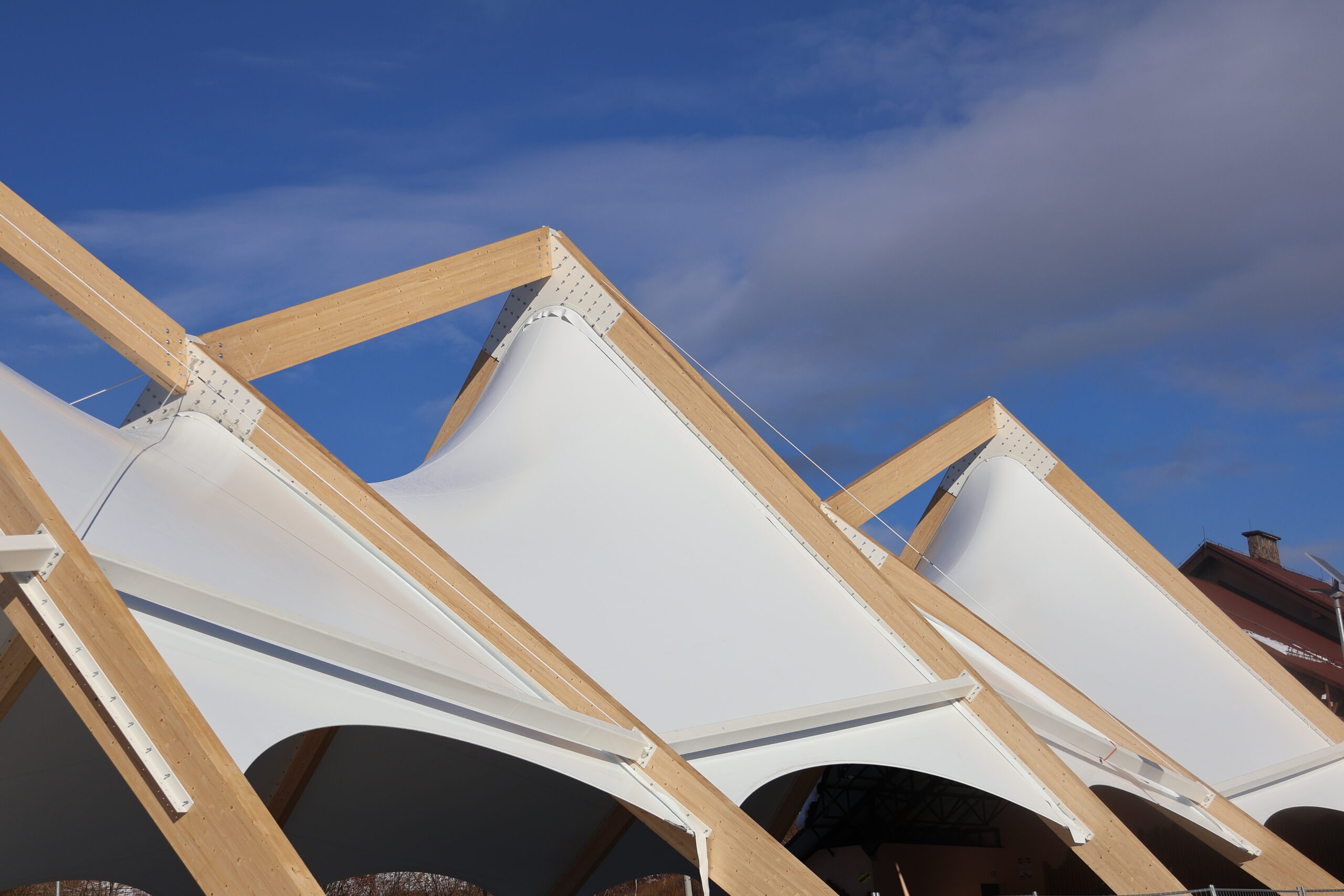
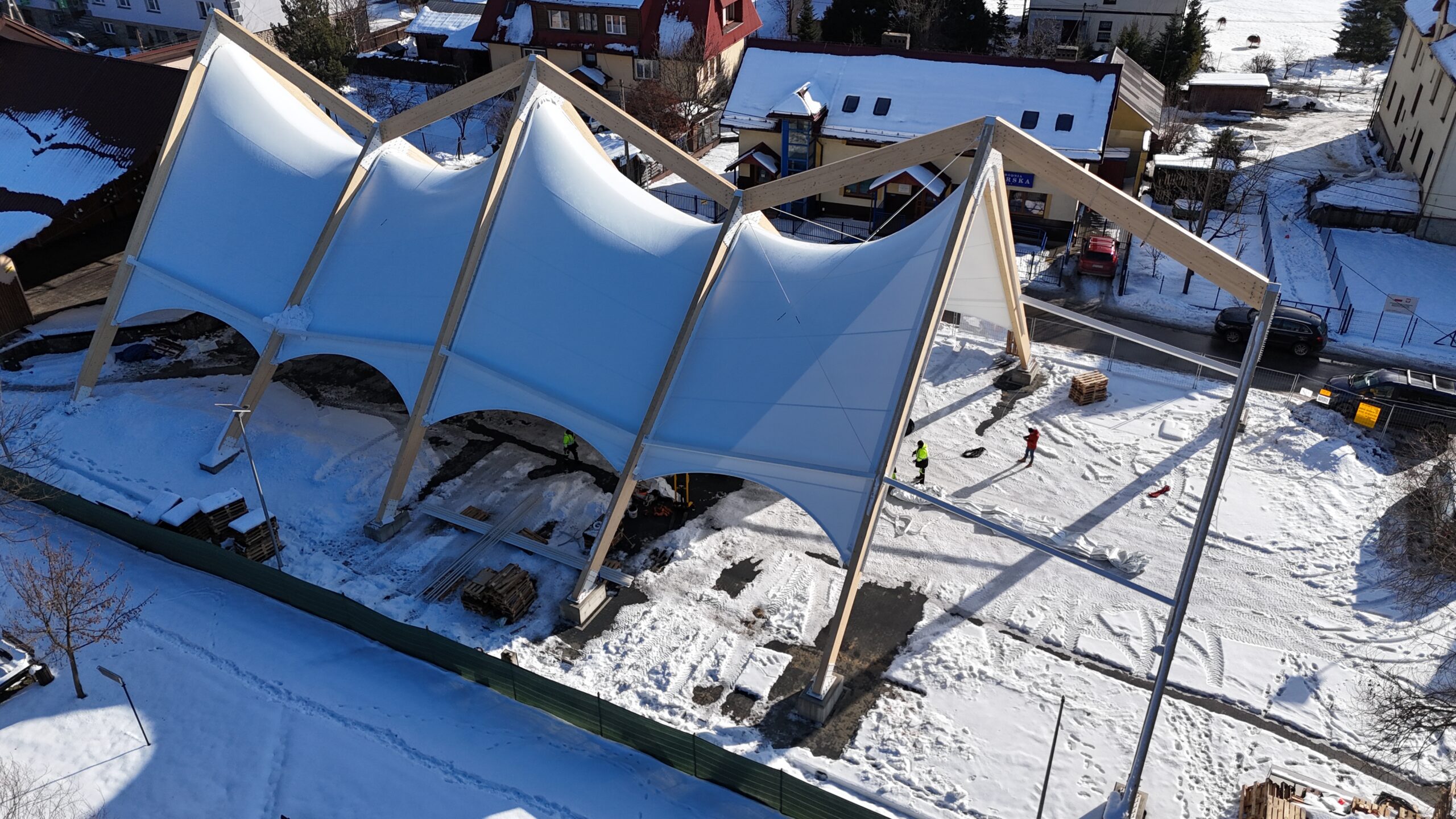
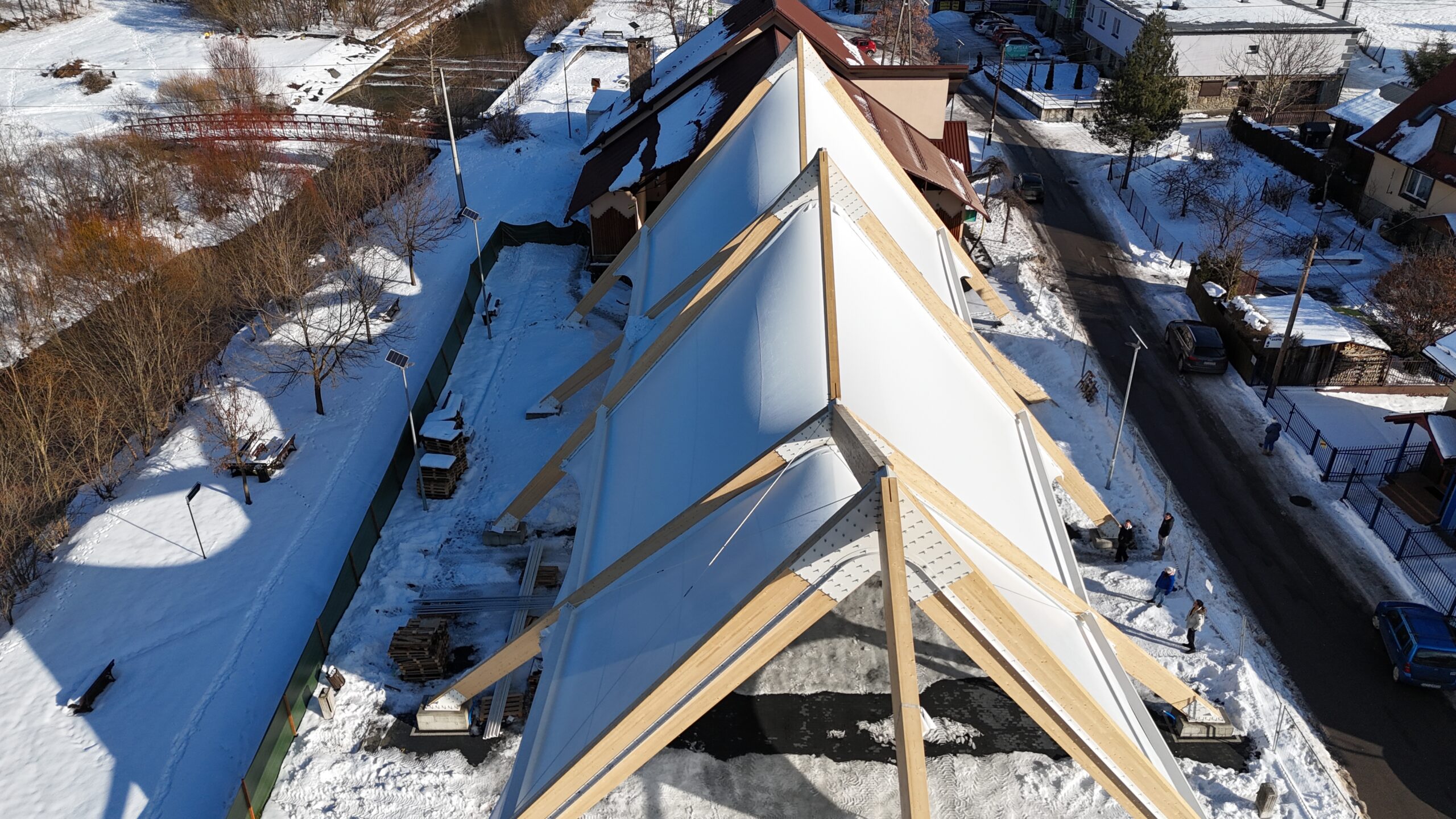
One of the most exciting examples of timber use in membrane roofing is a project in Ujsoły, designed by Abastran. Although still under construction, its early stages already showcase its promising potential. The roof not only blends perfectly with its surroundings but also echoes the architectural style of traditional wooden highland cottages in the area.

Thanks to carefully selected timber and a well-thought-out structure, the project integrates seamlessly into the local landscape. Despite its large scale, the roofing does not overpower the environment, maintaining a balance between modernity and the region’s traditional character. This fusion of contemporary design and respect for nature results in a roof that subtly blends into the mountainous scenery while providing a functional space for residents and visitors for years to come.
 

Temporary Construction Structures – Everything You Need to Know Before Building

Temporary Construction Structures – Everything You Need to Know Before Building

Planning the construction of a temporary structure requires detailed knowledge of regulations and technical requirements. These structures, although intended to be non-permanent, must meet specific safety standards and comply with building laws. Proper preparation for such an investment helps avoid legal issues and ensures the safe use of the structure.

Temporary Construction Structures in Light of the Law

A temporary construction structure is a structure intended for temporary use for a period shorter than its technical lifespan. According to building law, such structures can be used for no more than 180 days. In practice, this means that the structure must be designed in a way that allows for quick assembly and disassembly, without permanent connection to the ground.

The most popular examples of such structures include temporary covers, which are used during outdoor events or construction work. Temporary structures must be made of materials that ensure safety of use, even for a short period of operation.

Formalities Related to the Construction of Temporary Structures

The process of legalizing a temporary structure begins with determining whether a building permit is required or if a notification is sufficient. In most cases, a notification of construction to the appropriate architectural and building administration authority is sufficient. However, it is worth remembering that some tent structures with larger dimensions may require a full building permit.

The notification documentation should include a detailed description of the planned investment, including the technical parameters of the structure, the planned period of use, and the method of foundation. It is also important to consider the installations that will be used in the structure and the method of their connection to the network.

Variety of Temporary Structures

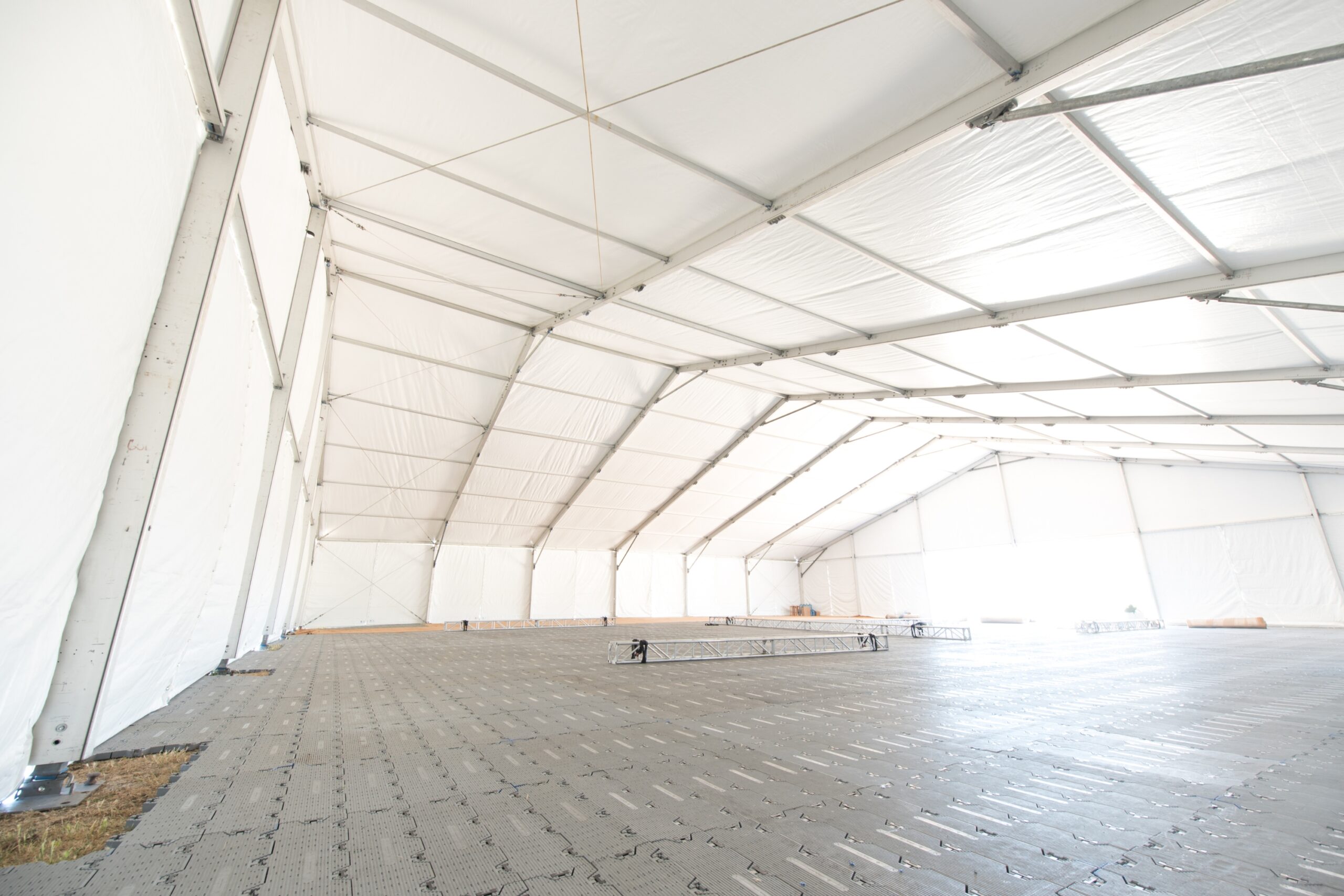
The market for temporary structures offers a wide range of solutions tailored to different needs. The basic type is structures not permanently connected to the ground, which can be quickly dismantled without leaving traces in the area. Tent Hall Covers, which provide flexibility in shaping the usable space, are particularly popular.

Among the available solutions are also commercial pavilions, kiosks, and sports covers. Each of these structures must meet specific technical standards and be adapted to the planned use. An important aspect is also the selection of appropriate materials that will ensure safety and comfort of use.

Safety and Technical Aspects

Despite their temporary nature, these structures must meet strict safety requirements. It is crucial to ensure the stability of the structure in various weather conditions, adequate ventilation, and fire protection. Regular inspections and technical reviews are necessary to maintain the safety of use.

Installations in temporary structures, such as electrical or ventilation, must be made in accordance with applicable standards. Particular attention should be paid to protection against weather conditions and the possibility of quick disassembly if necessary. Proper technical maintenance of the structure is crucial for the safety of its users.

Summary of the Most Important Aspects

The realization of a temporary structure requires careful planning and consideration of many legal and technical aspects. It is crucial to adhere to the usage deadlines, ensure appropriate documentation, and take care of the safety of the structure. Proper preparation and implementation of the investment will allow for trouble-free use of the temporary structure in accordance with its intended purpose.