
Logo UE
Logo Abastran

What Canopies Are Best for Outdoor Events?

Dodatkowe treści

What Canopies Are Best for Outdoor Events?

Organizing outdoor events requires careful planning of every detail, and one of the key elements is adequate protection against changing weather conditions. Professional canopies for outdoor events not only provide protection from rain or sun but also create a unique atmosphere and enhance the prestige of the event. Nowadays, the market offers a wide range of solutions that can be tailored to the nature of the event and the individual needs of the organizers.

Types of Canopies for Outdoor Events

Organizing outdoor events requires a thoughtful approach to securing the space against weather conditions. Stage and platform covers are a fundamental solution during concerts and festivals, where the priority is to protect musical equipment and ensure the comfort of the performing artists. These structures are characterized by exceptional durability and are designed to withstand significant loads associated with the installation of lighting, sound systems, and set elements. These systems often utilize advanced stage trusses, which allow for the creation of a stable and secure supporting structure.

For smaller events, such as corporate events or local festivals, tent structures are ideal, offering greater flexibility in space configuration. Modular systems allow for easy adjustment of the canopy size to the needs of a specific event. These structures can be equipped with various additional elements, such as side walls, ventilation systems, or lighting, allowing for the creation of comfortable conditions regardless of the weather.

Materials and Technologies Used in Event Canopies

The contemporary market for materials used in the production of event canopies offers a wide range of technological solutions. Tent hall covers are made from advanced technical fabrics that combine durability with functionality. These materials undergo rigorous laboratory tests, confirming their resistance to stretching, tearing, and the influence of atmospheric factors. Modern protective coatings protect the fabric from UV radiation and prevent the development of microorganisms, which significantly extends the lifespan of the cover.

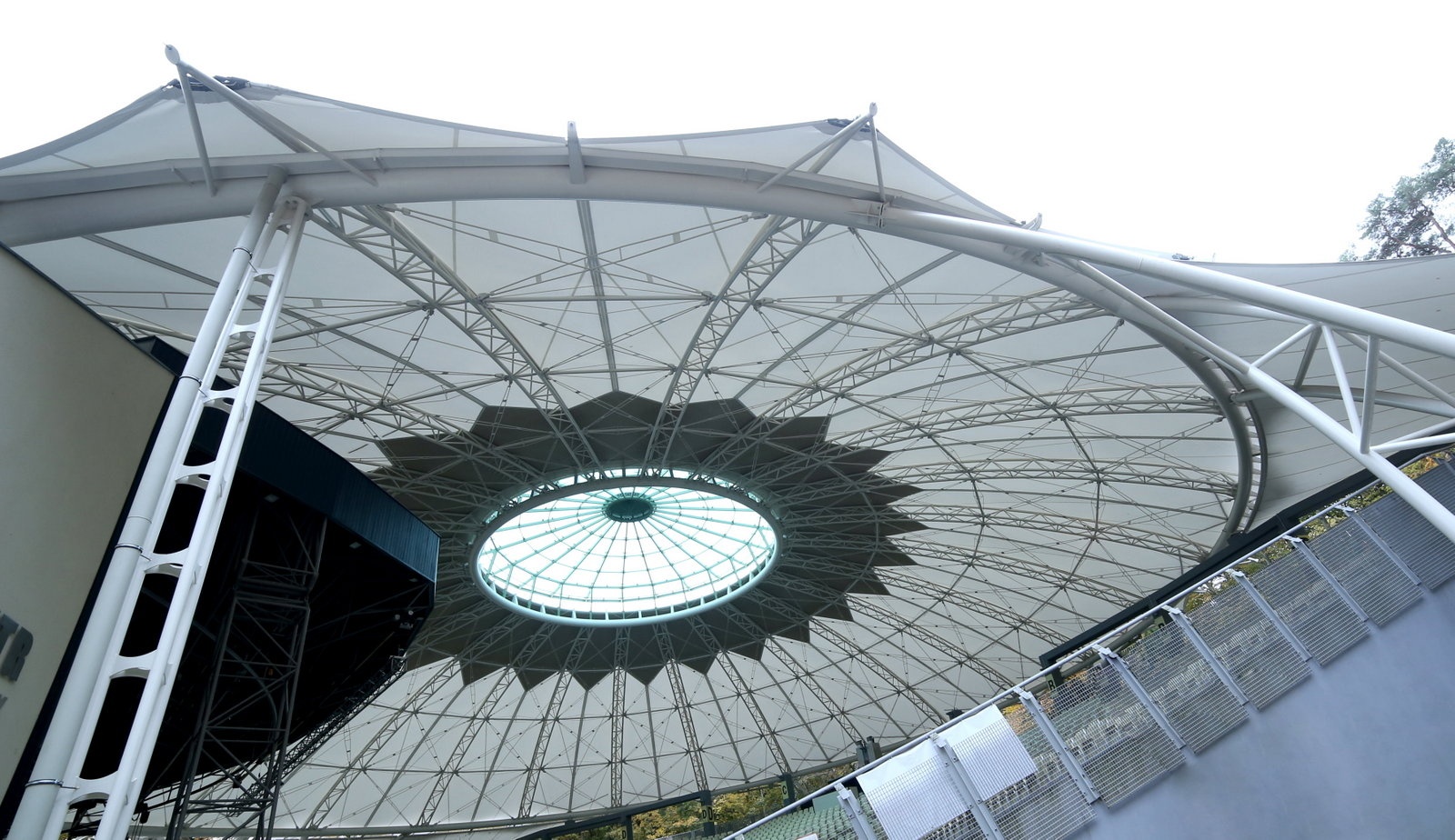
In the premium segment, membrane structures are gaining increasing recognition, representing the latest trends in temporary architecture. Architectural membranes, made from materials such as PTFE or ETFE, allow for the creation of spectacular spatial forms while maintaining high performance parameters. These materials are characterized by excellent light transmittance, enabling optimal use of natural lighting and creating a unique atmosphere during events.

Safety and Technical Requirements for Event Canopies

Safety issues in the case of temporary structures require special attention and a professional approach. Each event canopy must undergo a detailed structural analysis, taking into account various load scenarios, including extreme weather conditions. The design process includes strength calculations for all structural elements, as well as the selection of appropriate anchoring and stabilization systems. Particular attention is paid to the connections of structural elements, which must ensure the stability of the entire system under all conditions.

An equally important aspect is compliance with applicable safety standards and regulations. The technical documentation must contain detailed guidelines for the assembly, use, and disassembly of the structure. Canopy systems are equipped with wind sensors and other monitoring devices that allow for a quick response in case of deteriorating weather conditions. Regular technical inspections and maintenance of structural elements are an integral part of ensuring safe use.

Summary of the Most Important Aspects

Choosing the right canopy for an outdoor event is a decision that requires consideration of many technical, functional, and aesthetic factors. Professional canopy systems not only protect against unforeseen weather conditions but also constitute an important element shaping the character of the event. Investment in high-quality solutions, supported by expert advice and professional assembly, allows for the safe and effective execution of any outdoor event, regardless of its scale and nature.

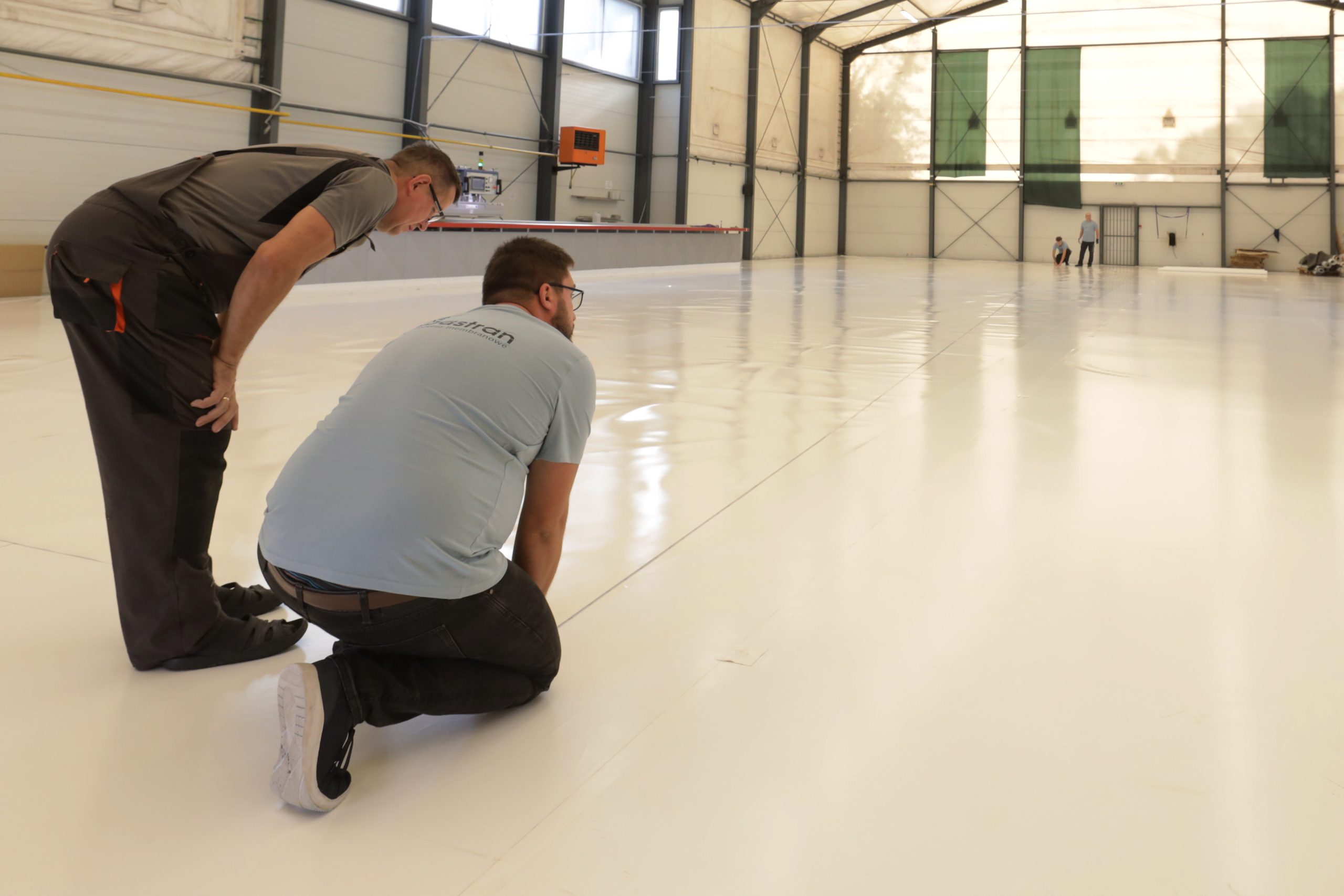
What to Consider When Designing a Tent Hall?

Dodatkowe treści

What to Consider When Designing a Tent Hall?

The realization of a professional tent hall project requires a detailed analysis of many key aspects that directly affect the safety and functionality of the structure. In the current times, when the requirements for temporary structures are becoming increasingly stringent, proper planning of each element takes on special significance. The right approach to the design process not only guarantees compliance with standards but, above all, ensures long-term and safe operation of the facility.

Key Technical Parameters of a Tent Hall

The process of designing a tent hall begins with a detailed analysis of the technical requirements, which must take into account not only the basic structural parameters but also the specific local and climatic conditions. The dimensions of the facility, including height, width, and length, should be precisely defined based on the intended use and available space. Equally important is the consideration of requirements for ventilation and natural lighting, which affect the comfort of using the facility.

As part of the analysis of technical parameters, special attention should be paid to calculations related to the loads on the structure. This includes both permanent loads resulting from the structure’s own weight and variable loads related to weather conditions. Tent structures must be designed taking into account local snow and wind load zones, which directly translates into the selection of appropriate structural profiles and bracing systems. Proper determination of these parameters is crucial to ensure the stability of the structure in various weather conditions.

Selection of Appropriate Construction and Materials

The foundation of a durable and safe tent hall is the careful selection of structural materials and connection systems. The supporting structure, usually made of steel, requires the use of profiles with appropriate strength and stiffness. Each structural element should be protected against corrosion, which significantly affects its durability and resistance to adverse weather conditions.

Tent hall covers are another key element requiring special attention. The materials used to make the cover must be characterized by high resistance to tearing, UV radiation, and changing weather conditions. Professional PVC welding ensures the tightness and durability of the joints, which is essential for maintaining the functional properties of the entire structure. In the process of selecting materials, requirements for thermal and acoustic insulation should also be considered, especially if the hall is to be used throughout the year.

Legal Aspects and Design Documentation

The realization of a tent hall project requires a comprehensive approach to formal and legal issues. The design documentation must be prepared in accordance with current building regulations and technical standards. This includes detailed static calculations, execution drawings, and technical specifications of all materials and structural solutions used.

In the process of preparing the documentation, special attention should be paid to obtaining the necessary permits and approvals. This applies not only to the building permit or notification of construction works but also to other required documents, such as expert opinions or technical expertise. Complete documentation should also include detailed guidelines for the assembly and operation of the facility, which is crucial for maintaining the warranty and ensuring the safety of use.

Preparation of the Site and Foundations

Proper preparation of the site for the tent hall is the basis for the stability of the entire structure. This process begins with detailed geotechnical investigations, which allow determining the load-bearing capacity of the ground and selecting the appropriate foundation system. Depending on local conditions and expected loads, various solutions can be used – from simple ground anchors to advanced reinforced concrete foundations.

A key element is also the proper design of the site drainage system. Natural ground slopes should be taken into account, and an effective rainwater drainage system should be designed to protect the structure from the negative effects of moisture. Additionally, the project should include moisture protection for the foundations and thermal insulation if required due to the intended use of the facility.

Summary of the Most Important Aspects

A comprehensive tent hall project requires consideration of a number of interconnected elements that together determine the safety and functionality of the structure. From the precise determination of technical parameters, through the careful selection of materials, to the fulfillment of all legal requirements – each stage of the design process is crucial for the final success of the investment. Only a holistic approach to design, taking into account both technical and formal aspects, allows for the creation of a facility that will safely serve for many years, fulfilling all intended functions.

Exhibition Tent Halls – Are They Worth It?

Dodatkowe treści

Exhibition Tent Halls – Are They Worth It?

Have you ever wondered why exhibition tent halls are becoming an increasingly popular solution in the trade show industry? Their flexibility, mobility, and quick assembly make them an ideal choice for companies looking for effective ways to showcase their products. In this article, we will explore why it is worth investing in exhibition tent halls and what benefits these modern structures bring.

Exhibition Tent Halls – Why Are They Worth It?

Exhibition tent halls are a solution that is gaining popularity due to their versatility and ease of adaptation to various needs. Thanks to their modular construction, exhibition tent halls can be quickly adjusted to the requirements of a specific event, regardless of its scale. This makes them ideal for both small exhibitions and large international trade fairs.

One of the key aspects of tent halls is their mobility. With the ability to be quickly assembled and disassembled, exhibition halls can be moved from place to place, which is particularly beneficial for companies participating in multiple events throughout the year. Additionally, the use of high-quality materials, such as tent hall covers, ensures durability and resistance to weather conditions.

Technical Aspects of Exhibition Halls – What to Look For?

When choosing exhibition tent halls, it is important to pay attention to several key technical elements. First and foremost, the structure of the exhibition hall is crucial; it should be stable and durable. In this context, it is worth mentioning tent structures, which offer not only solidity but also the possibility of customization to individual needs.

Another important aspect is the air conditioning and ventilation system. In exhibition halls, especially during the summer months, maintaining the right temperature is crucial for the comfort of both exhibitors and visitors. Modern tent halls are equipped with efficient air conditioning systems that ensure optimal conditions inside.

Thermal insulation should also not be overlooked. High-quality PVC tarpaulins, which are often used in PVC welding, provide not only protection against weather conditions but also maintain the appropriate temperature inside the hall.

Costs and Profitability of Investing in a Tent Hall

Investing in exhibition tent halls may seem like a significant expense, but in the long run, it is a cost-effective solution. Thanks to their reusability, exhibition tent halls allow for significant savings compared to traditional structures. Additionally, quick assembly and disassembly reduce costs associated with logistics and preparation time.

It is also worth noting the flexibility of tent halls. They can serve not only as exhibition space but also as a venue for meetings, conferences, or even temporary warehouses. This makes exhibition halls a versatile tool that can be used in various situations.

Practical Applications of Tent Halls at Trade Fairs

Exhibition tent halls are used in many industries. They are an ideal solution for companies in the automotive, construction, food, and technology sectors. Thanks to their modular construction, exhibition tent halls can be adapted to showcase both small and large products.

One example of the practical application of tent halls is mobile pavilions, which can be quickly set up anywhere. This is a particularly useful solution for companies that participate in trade fairs around the world. As a result, they can present their products professionally, regardless of the location.

Summary

Exhibition tent halls are a modern and flexible solution that is gaining popularity in the trade show industry. Thanks to their mobility, quick assembly, and adaptability, exhibition tent halls are an ideal choice for companies looking for effective ways to showcase their products. It is important to pay attention to technical aspects such as construction, air conditioning systems, and thermal insulation to ensure comfort and safety of use. Investing in a tent hall is a cost-effective solution that can bring many benefits in the long run.

Steel Hall vs. Masonry Hall – Which One to Choose?

Dodatkowe treści

Steel Hall vs. Masonry Hall – Which One to Choose?

Choosing the right type of hall is a crucial decision that affects the success of an industrial or warehouse investment. Comparing steel and masonry halls requires a thorough analysis of many factors, from initial costs to future adaptability. In this article, we present a comprehensive comparison of both solutions to help you make the optimal investment decision.

Steel Hall vs. Masonry Hall – Basic Differences

The fundamental difference between a steel hall and a masonry hall lies in the construction technology and materials used. Steel structures are characterized by a lightweight, modular construction that allows for quick assembly and flexible adaptation to the investor’s needs. The skeleton of a steel hall consists of columns and girders, on which cladding made of sandwich panels or sheet metal is mounted.

Masonry halls, on the other hand, are based on traditional construction technology, using hollow blocks, bricks, or precast concrete elements. Their construction is more massive and requires more solid foundations. Load-bearing walls made of ceramic or concrete materials provide natural thermal and acoustic insulation, but the construction process is much longer than in the case of steel halls.

Costs and Construction Time – Comparison of Halls

The economic aspect is often a key factor when choosing the type of hall. Steel halls offer a significant advantage in the form of a shorter construction time – the assembly of a typical structure takes 2-3 weeks, while the construction of a masonry hall can take up to 4-5 months. Tent structures are an even faster solution and are particularly useful for short-term projects.

Initial costs are usually lower for steel halls, mainly due to lower foundation costs and shorter construction time. Masonry halls require larger initial investments but may offer lower operating costs in the long run, especially in terms of heating and air conditioning.

Durability and Functionality of Both Solutions

The durability of the structure is one of the most important parameters when choosing the type of hall. Masonry halls are characterized by a very long lifespan and high resistance to weather conditions. Tent hall covers and steel structures also offer significant durability but may require more frequent maintenance.

The functionality of both types of halls depends mainly on the intended use of the facility. Steel halls stand out for their ability to achieve larger spans without intermediate supports, which is important for warehouse or production facilities. Masonry halls, on the other hand, are better suited for facilities requiring a stable internal temperature.

Adaptability and Expansion Possibilities of Halls

Flexibility and the possibility of modifying the structure are other important factors when choosing the type of hall. Steel halls offer significantly greater possibilities in terms of expansion and adaptation of space. The modular design allows for easy addition of new segments or modification of existing elements without significant interference with the entire structure.

Masonry halls are less flexible in terms of expansion possibilities. Any modifications usually require major construction work and are associated with higher costs. However, their solid construction allows for easy adaptation of the interior to various functions by erecting partition walls or installing additional installations.

Summary – Choosing the Optimal Solution

The choice between a steel hall and a masonry hall should be dictated by the individual needs of the investor and the specifics of the planned project. Steel halls are better suited for projects requiring quick implementation and flexibility in the future. They are also a more advantageous solution in terms of initial investment costs. On the other hand, masonry halls are a good choice for investors looking for a durable, solid facility with high thermal insulation, who are not limited by the project’s implementation time.

How are tent structures used in industry?

Dodatkowe treści

How are tent structures used in industry?

In today’s world, businesses are looking for flexible and cost-effective solutions for their warehousing and production needs. The industrial sector faces the challenge of quickly adapting to changing market conditions, and traditional construction methods do not always meet expectations in terms of completion time and costs.

Tent structures in industry – versatile application

Modern tent structures are used in many branches of industry, from warehousing to production. Tent structures are a flexible solution that can be adapted to a variety of business needs. Their modular design, based on solid steel structures, provides stability and durability, while offering the possibility of quickly modifying the space.

In the production sector, tent halls are used as spaces for assembly, storage of components, or as temporary production lines. Their versatility allows for quick adaptation to the changing needs of the company, which is particularly important in dynamically developing industries.

Innovative technical solutions in tent halls

Contemporary tent halls are advanced technical structures, equipped with modern ventilation and air conditioning systems. Tent hall covers made of high-quality PVC materials provide adequate thermal insulation and protection against weather conditions. The use of sandwich panels and thermal insulation systems allows for maintaining a stable temperature inside the facility, which is crucial for the food and pharmaceutical industries.

Ventilation and climate control systems allow for precise management of internal conditions, which is necessary when storing temperature-sensitive products. Truss structures provide adequate load-bearing capacity and stability, even under significant snow loads, which guarantees safety of use throughout the year.

Economic benefits for businesses

The use of tent structures in industry brings tangible financial benefits. Lower investment costs compared to traditional buildings, quick assembly, and the possibility of relocation make it an attractive alternative to permanent facilities. Flexibility in terms of expansion and modification of space allows for optimal use of available land and adaptation to changing business needs.

The ability to quickly adapt the space translates into increased operational efficiency and reduced costs associated with warehousing or production. Additionally, the mobility of tent structures allows for their relocation according to the company’s logistical needs, which is a significant competitive advantage.

The future of tent halls in the industrial sector

The development of technology and construction materials is constantly expanding the possibilities of using tent halls in industry. The growing demand for flexible warehousing and production solutions makes tent structures an increasingly popular choice among entrepreneurs. Their ability to meet strict industrial standards, while maintaining economic efficiency, makes them an attractive alternative to traditional industrial construction methods.

Timber Structures in Membrane Roofs – A Modern Approach to Design and Functionality

Dodatkowe treści

Timber Structures in Membrane Roofs – A Modern Approach to Design and Functionality

Membrane roofs are most commonly associated with large steel structures that ensure durability and stability. However, in recent years, an innovative approach has been gaining popularity – timber elements that combine modern design with the natural beauty of wood. Such solutions not only impress with their aesthetics but also contribute to sustainable development, blending nature with modern construction technologies.

Using timber in membrane roofing not only enhances the visual appeal but also introduces environmentally friendly elements into contemporary architecture. Wood is a renewable material that, when sourced responsibly, has a significantly lower carbon footprint compared to steel or concrete. Moreover, its natural texture adds a unique character to structures, creating a harmonious connection with nature.


Why Choose Timber for Membrane Roofing?

Although wood has been used in construction for centuries, it is experiencing a resurgence in modern, unconventional projects. Combined with membranes known for their lightness and flexibility, timber enables the creation of roofing solutions that are both striking and practical. These designs are ideal for spaces where aesthetics, durability, energy efficiency, and minimal environmental impact are key considerations.


A Roofing Example in Ujsoły – Harmony with Nature

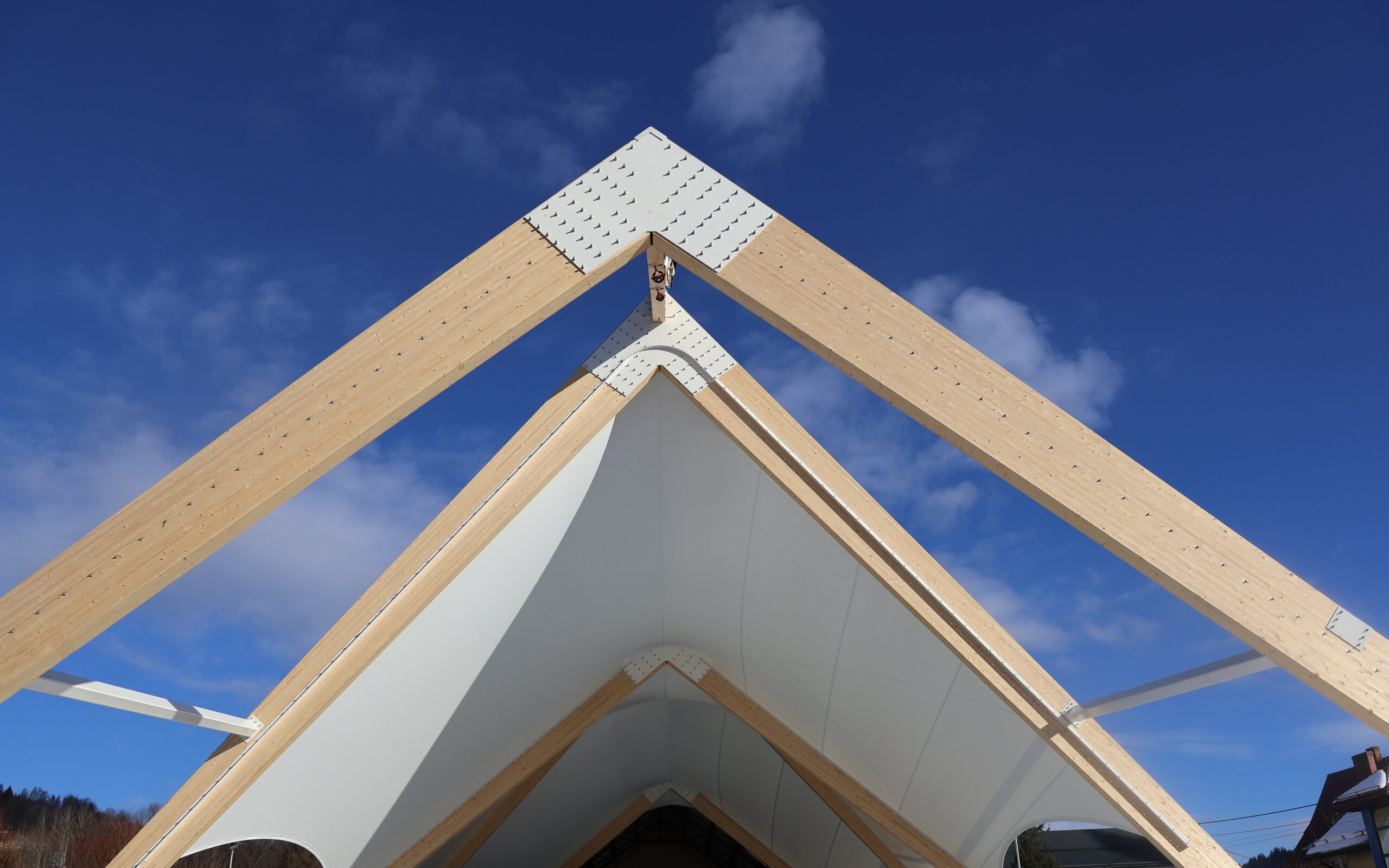
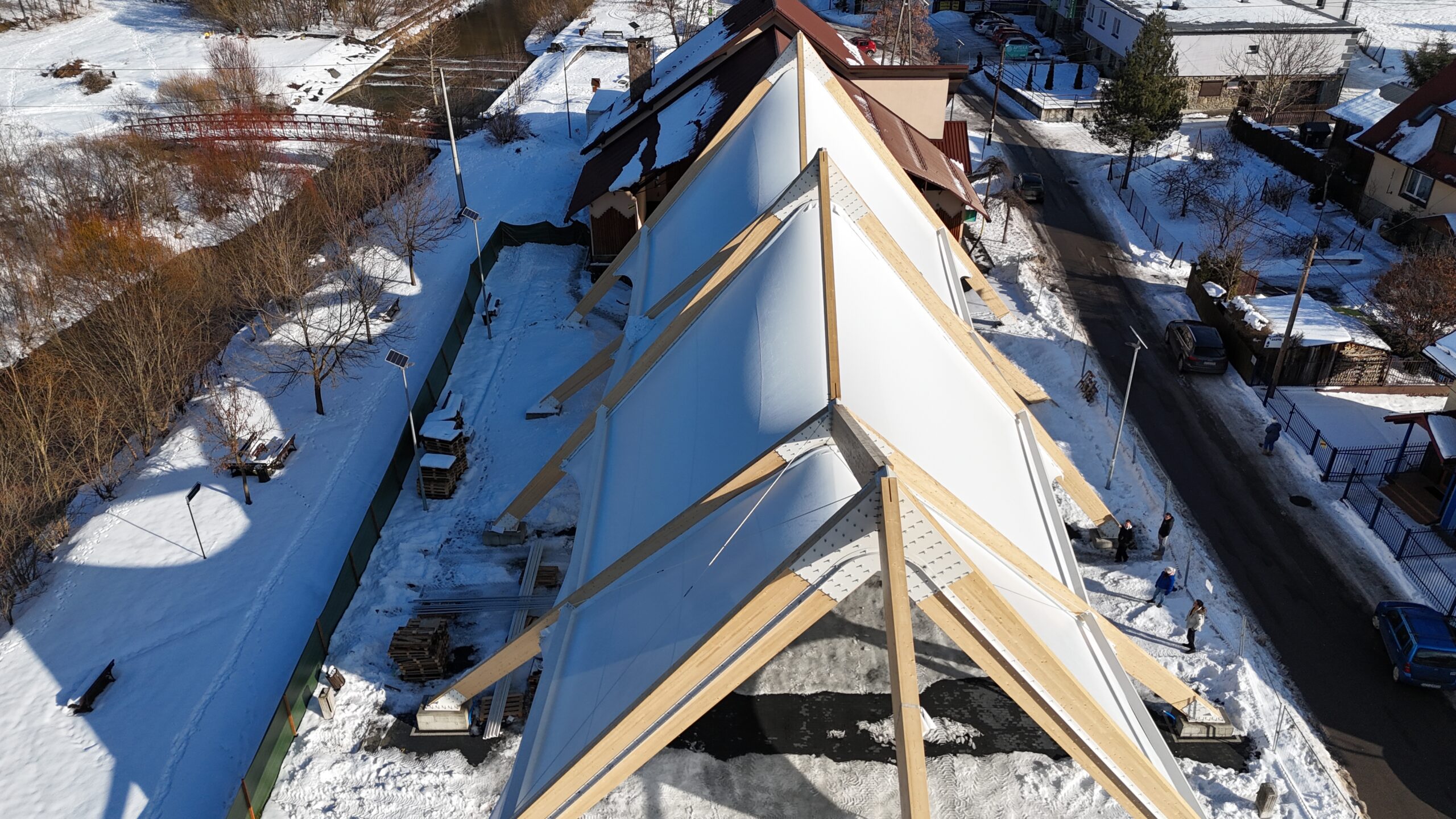
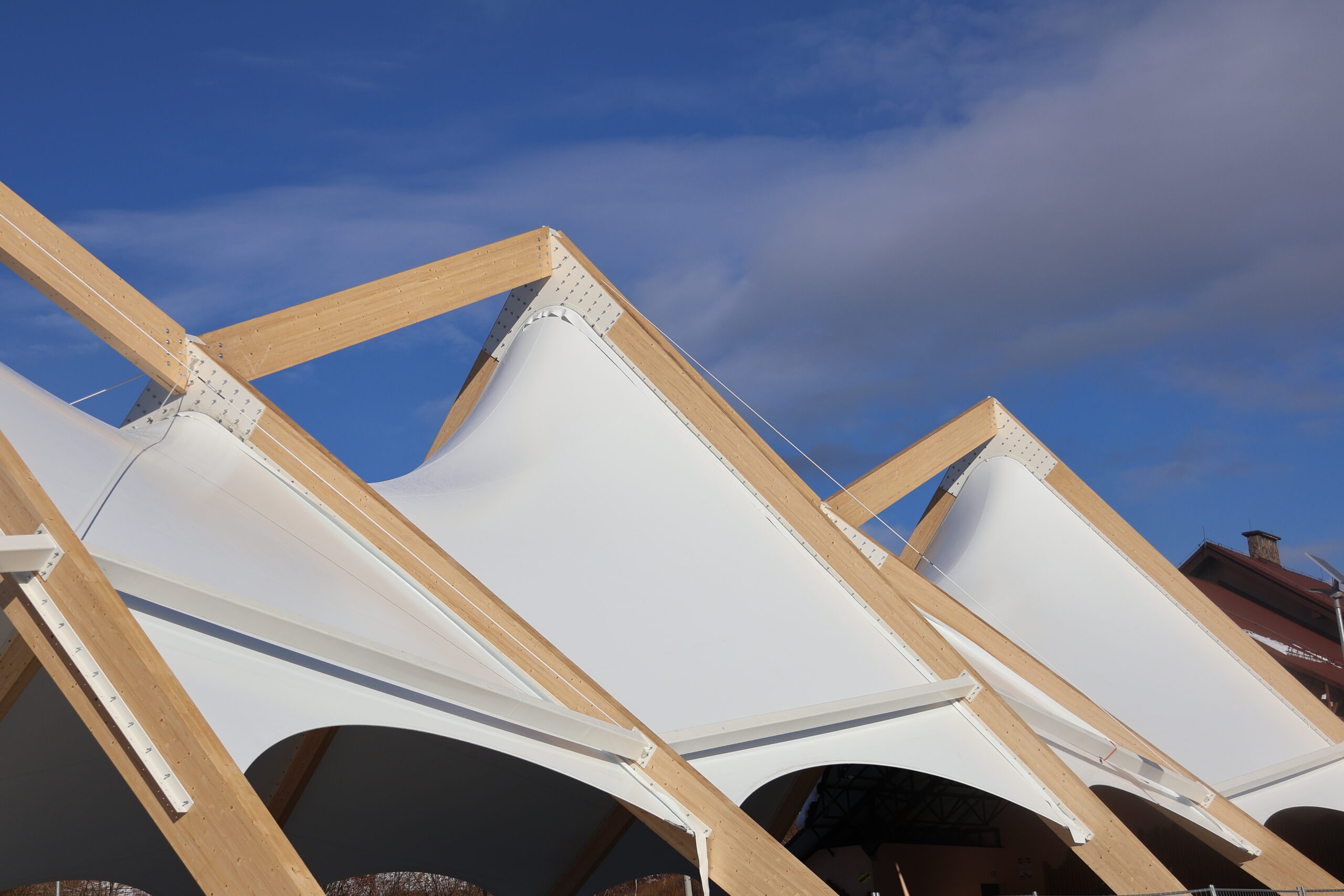
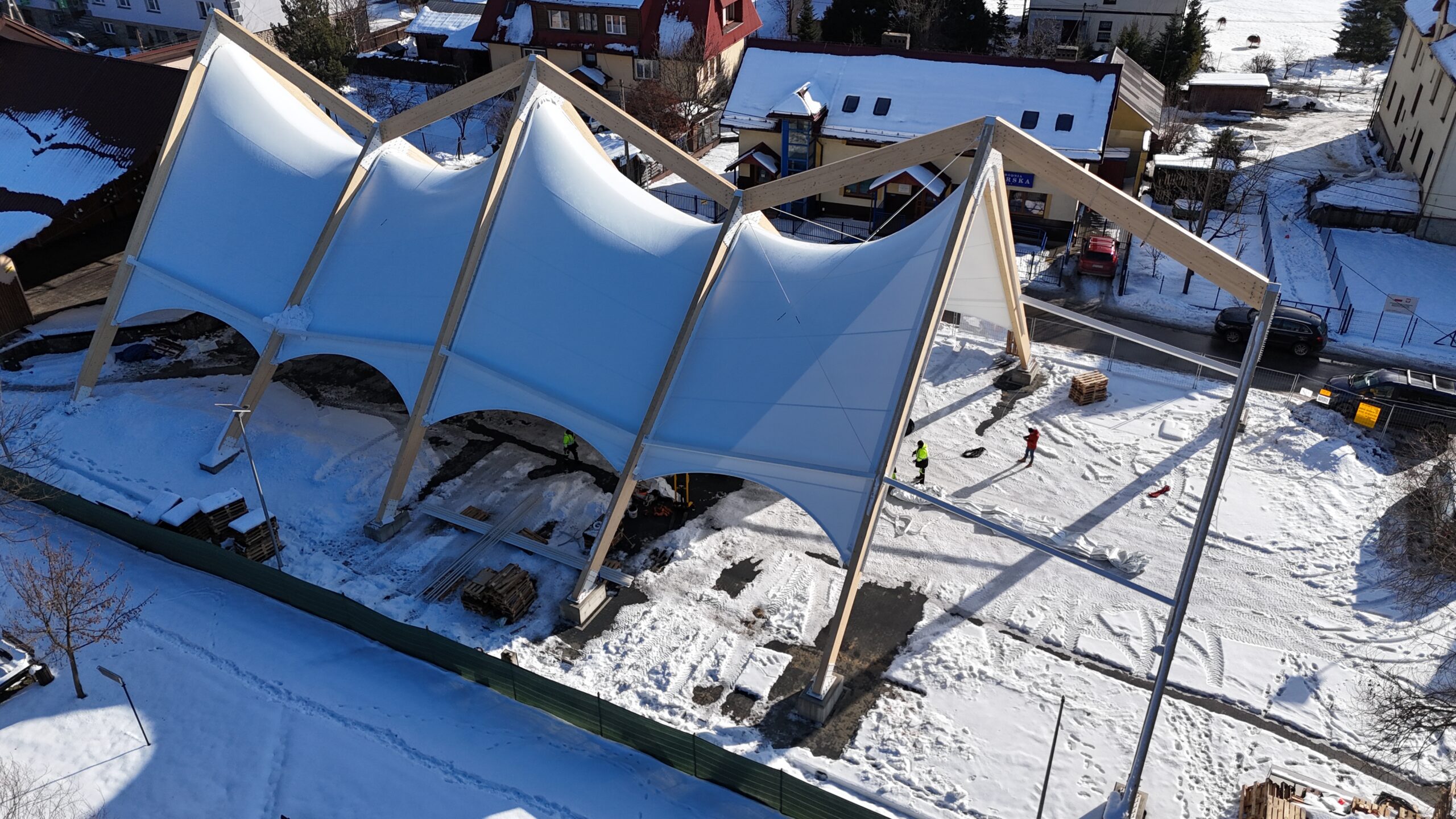
One of the most exciting examples of timber use in membrane roofing is a project in Ujsoły, designed by Abastran. Although still under construction, its early stages already showcase its promising potential. The roof not only blends perfectly with its surroundings but also echoes the architectural style of traditional wooden highland cottages in the area.

Thanks to carefully selected timber and a well-thought-out structure, the project integrates seamlessly into the local landscape. Despite its large scale, the roofing does not overpower the environment, maintaining a balance between modernity and the region’s traditional character. This fusion of contemporary design and respect for nature results in a roof that subtly blends into the mountainous scenery while providing a functional space for residents and visitors for years to come.


Temporary Construction Structures – Everything You Need to Know Before Building

Dodatkowe treści

Temporary Construction Structures – Everything You Need to Know Before Building

Planning the construction of a temporary structure requires detailed knowledge of regulations and technical requirements. These structures, although intended to be non-permanent, must meet specific safety standards and comply with building laws. Proper preparation for such an investment helps avoid legal issues and ensures the safe use of the structure.

Temporary Construction Structures in Light of the Law

A temporary construction structure is a structure intended for temporary use for a period shorter than its technical lifespan. According to building law, such structures can be used for no more than 180 days. In practice, this means that the structure must be designed in a way that allows for quick assembly and disassembly, without permanent connection to the ground.

The most popular examples of such structures include temporary covers, which are used during outdoor events or construction work. Temporary structures must be made of materials that ensure safety of use, even for a short period of operation.

Formalities Related to the Construction of Temporary Structures

The process of legalizing a temporary structure begins with determining whether a building permit is required or if a notification is sufficient. In most cases, a notification of construction to the appropriate architectural and building administration authority is sufficient. However, it is worth remembering that some tent structures with larger dimensions may require a full building permit.

The notification documentation should include a detailed description of the planned investment, including the technical parameters of the structure, the planned period of use, and the method of foundation. It is also important to consider the installations that will be used in the structure and the method of their connection to the network.

Variety of Temporary Structures

The market for temporary structures offers a wide range of solutions tailored to different needs. The basic type is structures not permanently connected to the ground, which can be quickly dismantled without leaving traces in the area. Tent Hall Covers, which provide flexibility in shaping the usable space, are particularly popular.

Among the available solutions are also commercial pavilions, kiosks, and sports covers. Each of these structures must meet specific technical standards and be adapted to the planned use. An important aspect is also the selection of appropriate materials that will ensure safety and comfort of use.

Safety and Technical Aspects

Despite their temporary nature, these structures must meet strict safety requirements. It is crucial to ensure the stability of the structure in various weather conditions, adequate ventilation, and fire protection. Regular inspections and technical reviews are necessary to maintain the safety of use.

Installations in temporary structures, such as electrical or ventilation, must be made in accordance with applicable standards. Particular attention should be paid to protection against weather conditions and the possibility of quick disassembly if necessary. Proper technical maintenance of the structure is crucial for the safety of its users.

Summary of the Most Important Aspects

The realization of a temporary structure requires careful planning and consideration of many legal and technical aspects. It is crucial to adhere to the usage deadlines, ensure appropriate documentation, and take care of the safety of the structure. Proper preparation and implementation of the investment will allow for trouble-free use of the temporary structure in accordance with its intended purpose.