
Logo UE
Logo Abastran

How to choose a hall for roofing a sports facility?

Dodatkowe treści

How to choose a hall for roofing a sports facility?

The appropriate roofing of a sports facility is an investment that is crucial to its functionality, durability, and comfort of use. This decision affects not only the possibility of using the facility regardless of weather conditions but also its aesthetics and operating costs. Therefore, choosing the right hall for roofing a sports facility requires careful consideration of several important aspects.

The importance of protection against weather conditions

Protecting a sports facility from the adverse effects of weather conditions such as rain, snow, or strong wind is the primary task of roofing. The appropriate structure protects the surface, stands, and other infrastructure elements from damage, which translates into their longer lifespan and lower maintenance costs. This allows the facility to be used at any time, regardless of adverse weather conditions.

Moreover, stable conditions inside the hall ensure comfort for both athletes and spectators. They enable the organization of sports events and training sessions throughout the year, which is important from the point of view of sports clubs, schools, and other institutions using the facility. Roofing also allows for better planning of the schedule of activities and events, eliminating the risk of their cancellation due to bad weather.

Impact on user comfort and facility durability

Roofing has a direct impact on the comfort of people using the sports facility. The appropriate hall provides protection against precipitation, excessive sunlight, and wind, creating optimal conditions for practicing sports and watching competitions. Thermal and acoustic comfort inside the hall are additional advantages that improve the quality of training and games.

The durability of the roofing is equally important. A solid structure made of high-quality materials guarantees the safety and longevity of the investment. It is worth paying attention to the hall’s resistance to corrosion, mechanical damage, and UV radiation. When choosing roofing, the specifics of the location and potential loads to which the structure will be subjected should be taken into account.

Types of halls for roofing sports facilities

Choosing the right hall for roofing a sports facility is a crucial decision that affects the functionality, durability, and operating costs of the facility. There are various types of halls available on the market, and two of the most popular solutions are tent halls and steel halls. Each of these types has its advantages and specific applications, which should be considered when adapting the solution to individual needs.

Tent halls

Tent structures are characterized by their lightness, which translates into ease of transport and speed of assembly. They are an ideal solution when time and flexibility are important. Tent halls can be easily dismantled and moved to another location, making them an excellent choice for temporary or seasonal facilities. The structure, based on a light frame covered with a specialized material, provides adequate insulation and protection against weather conditions.

Tent halls are also suitable for sports facilities where the possibility of quickly adapting the space to different disciplines is important. Thanks to their modular construction, they can be expanded or reduced depending on current needs. Additionally, modern covering materials provide good light transmittance, which reduces operating costs associated with lighting.

Steel halls

Steel halls are synonymous with solidity and durability. These structures are designed for long-term use and resistance to extreme weather conditions. Steel, as a construction material, provides high resistance to loads such as strong wind, heavy snowfall, or hail. Steel halls are therefore particularly recommended in regions with a harsh climate.

By choosing a steel hall, the investor gains confidence that the facility will serve for many years without the need for costly repairs or modernization. Steel structures also enable the creation of large, open spaces without the need for internal supports, which is important in the case of sports halls intended for team games. An additional advantage is the possibility of using various thermal and acoustic insulation systems, which increases the comfort of using the facility.

Key factors when choosing a hall

Choosing the right hall for roofing a sports facility is a complex process that requires consideration of many factors. It is worth considering several key aspects that will help you make the right decision. The purpose of the facility, location, budget, and implementation time should be taken into account.

Purpose of the facility

The first step is to determine what sports disciplines will be practiced in the facility. Each of them has its specific requirements regarding space, surface, and conditions inside the hall. For example, a hall intended for playing tennis will differ from one in which volleyball or basketball games are planned.

Disciplines such as athletics or football require more space and appropriate hall height. In turn, indoor sports such as gymnastics or martial arts may need specialized equipment and floor cushioning. Understanding the needs of end-users will allow you to adapt the hall structure to provide optimal conditions for training and competitions.

Location and climatic conditions

Another important factor is the location of the sports facility and the climatic conditions prevailing in the region. The hall structure must be adapted to the specifics of the place where it will be used. In areas with heavy snowfall, it is necessary to use a roof with adequate load-bearing capacity to avoid structural damage.

In places exposed to strong winds, the stability and resistance of the hall to gusts are important. In regions with high temperatures, it is important to ensure adequate ventilation and thermal insulation. Analysis of local climatic conditions will allow you to choose materials and structural solutions that will ensure the durability and safety of the hall for many years.

Budget and implementation time

The last, but equally important factor, is the budget allocated for the investment and the planned implementation time. The cost of building a hall depends on many elements, such as the size of the facility, type of construction, materials used, and additional equipment. It is worth carefully analyzing the available options and choosing a solution that offers the best value for money.

The implementation time is particularly important when we want to quickly make the facility available for use. Tent halls, due to their lightness and ease of assembly, are usually ready in a shorter time than steel halls. However, in the case of larger and more complex projects, the construction time may be longer. Careful planning of the work schedule and choosing an experienced contractor will help avoid delays and implement the investment as planned.

Advantages of tent structures offered by Abastran

Abastran specializes in providing modern and functional solutions in the field of tent structures. Our tent halls are an excellent choice for sports facilities looking for flexible and durable roofing. We offer a wide range of possibilities that allow you to adapt the structure to the individual needs of the client, while guaranteeing high quality and fast implementation time.

Design flexibility: adaptation to individual customer needs

One of the key advantages of Abastran tent structures is their design flexibility. We understand that each sports facility is different and has its specific requirements. Therefore, we offer the possibility of full personalization of our halls so that they perfectly meet the customer’s needs. Regardless of whether you need a hall with non-standard dimensions, a special roof shape, or additional functionalities, we are able to adapt the project to your expectations.

Our tent halls can be equipped with various types of ventilation, heating, and lighting systems, which allows you to create optimal conditions for practicing sports throughout the year. Additionally, we offer the possibility of choosing the color and type of covering, which allows for the aesthetic integration of the hall into the surroundings. Thanks to the modular construction, our structures can be easily expanded or modified in the future, which gives great freedom in planning the development of the sports facility.

Durability of materials: resistance to various weather conditions

At Abastran, we use only the highest quality materials that ensure the durability and reliability of our tent structures. The hall coverings are made of modern technical fabrics, such as PVC and PTFE, which are characterized by exceptional resistance to weather conditions. They are resistant to UV radiation, rain, snow, and strong wind, which guarantees the long life of the hall and minimizes maintenance costs.

Our materials also have self-extinguishing properties, which increases the safety of using the facility. Additionally, these fabrics are easy to keep clean, which is important from the point of view of aesthetics and hygiene. Thanks to the use of innovative production technologies, our coverings retain their properties for many years, ensuring consistently high comfort of using the hall.

Speed of assembly: minimization of downtime in the use of the facility

One of the main advantages of Abastran tent halls is the speed of their assembly. The light structure and modular construction allow for quick erection of the hall, which is particularly important in the case of sports facilities, where each day of downtime generates losses. Our assembly teams are experienced specialists who efficiently and professionally perform their work, minimizing the time needed to install the roofing.

Fast assembly does not mean compromises in quality. All structural elements are precisely matched and connected using specialized fastening systems, which ensures the stability and safety of the entire structure. Thanks to this, our customers can enjoy the new hall in a short time from the start of work, without the need for long-term exclusion of the facility from use.

How to make the best choice of hall for roofing a sports facility?

Choosing the right hall for roofing a sports facility is a key decision that affects the functionality, durability, and operating costs of the facility. To make the best choice, it is worth paying attention to several important aspects. First of all, you should carefully analyze your needs and expectations regarding roofing. Determining the type of sports disciplines practiced, the intensity of use of the facility, and the planned budget will help narrow down the search field and facilitate decision-making.

The next step is to familiarize yourself with the solutions available on the market. It is worth considering both tent and steel halls, comparing their advantages and disadvantages in the context of a specific sports facility. You should also take into account the location and climatic conditions, which may affect the choice of structure and materials. The time of investment implementation and the availability of additional services, such as assembly or after-sales service, are also important.

Regardless of whether you need a hall with non-standard dimensions, a special roof shape, additional functionalities, or a specific covering color, we are able to adapt the project to your requirements. Our flexible approach and advanced production technologies allow us to implement even the most unusual orders. Thanks to this, you can be sure that you will receive a product that will be not only functional and durable but also aesthetic and perfectly integrated into the surroundings of your sports facility. Feel free to contact us.
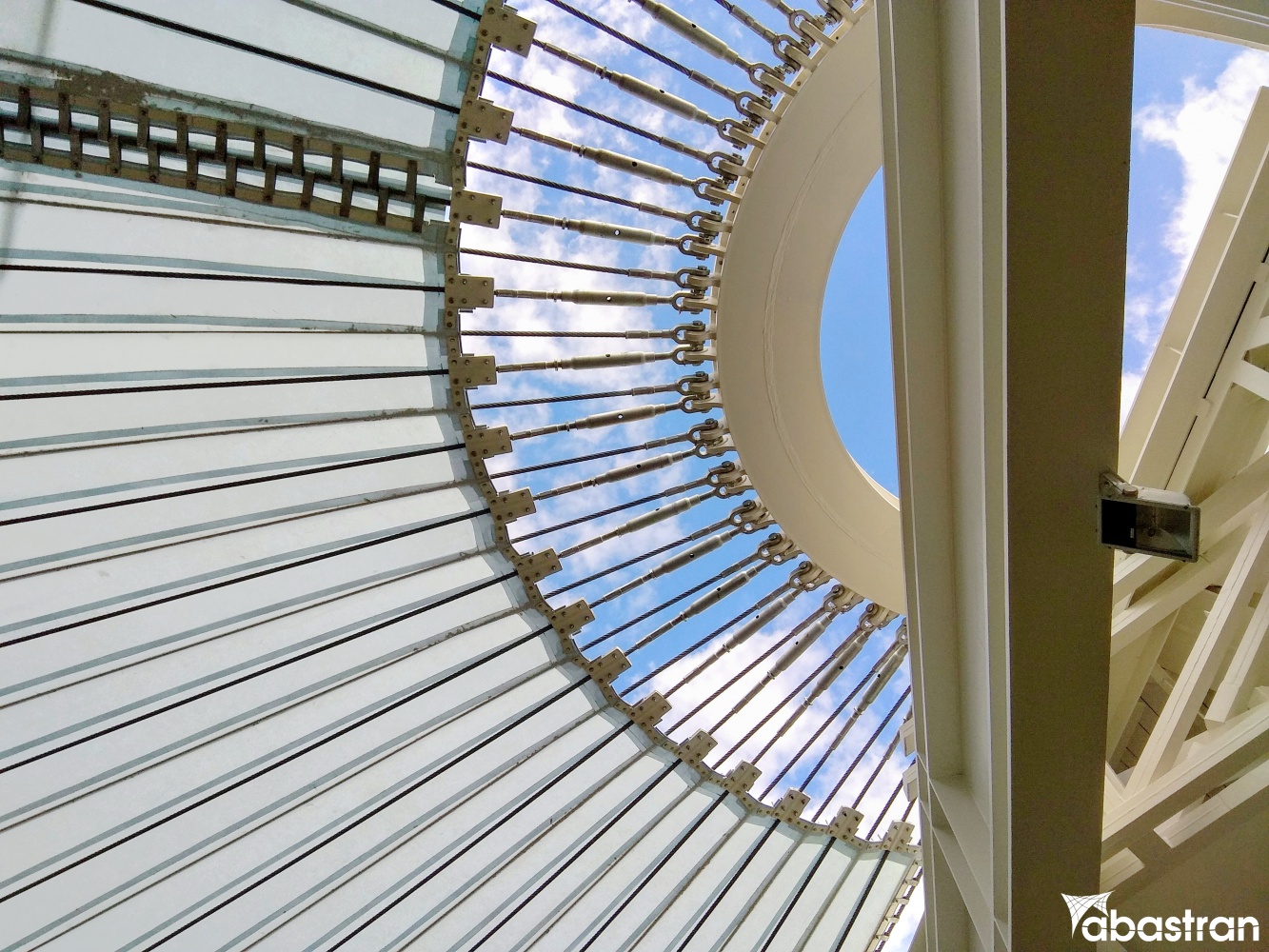
Applications of ETFE foil in modern architecture

Dodatkowe treści

Applications of ETFE foil in modern architecture

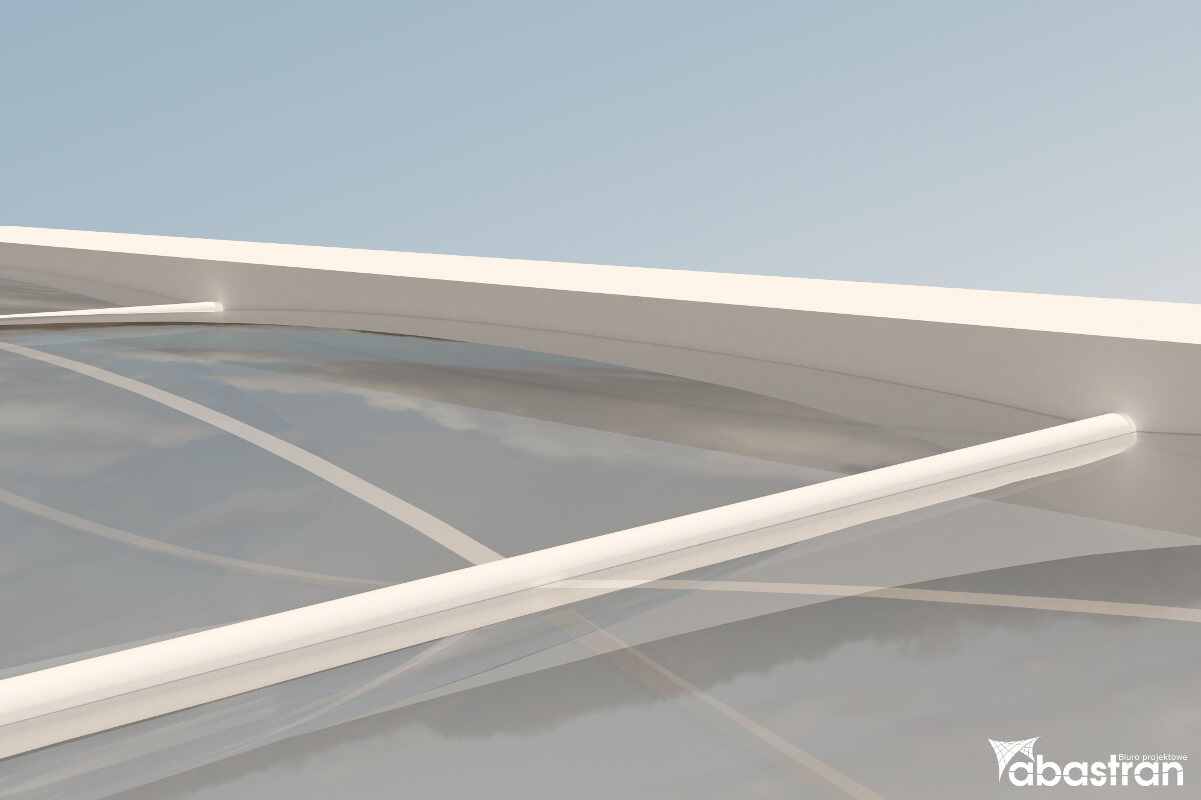
ETFE foil, a copolymer of ethylene and tetrafluoroethylene, is gaining increasing popularity in modern architecture. This innovative building material, thanks to its unique properties, opens up completely new design possibilities for architects and engineers.

Initially used mainly in the aviation and space industries, over time it has also found applications in other fields, including construction. In subsequent years, the production technology of ETFE foil was constantly improved, which allowed for even better technical parameters and expanded the scope of its applications. Today, ETFE foil is increasingly used in ambitious architectural projects around the world, providing an attractive alternative to traditional materials such as glass or polycarbonate.

Basic technical properties

ETFE foil is characterized by exceptional lightness – it is about 100 times lighter than glass, which allows for the design of slender and light supporting structures. At the same time, it is an extremely durable material, resistant to stretching and tearing. ETFE foil is also highly transparent, transmitting up to 95% of light, including UV radiation.

Additionally, ETFE exhibits excellent resistance to weather conditions, UV radiation, and chemicals. This material is self-cleaning, which means that dirt is easily washed away by rain. ETFE foil is also flame-retardant and meets stringent fire safety standards.

Applications of ETFE foil in architecture

ETFE foil is widely used in various types of architectural projects, from roofing and facades to complex pneumatic structures. Its unique features allow for the creation of innovative and impressive forms that until recently were impossible to achieve using traditional materials.

Roofing and roof coverings

One of the most popular applications of ETFE foil is roofing and roof coverings. Thanks to its lightness, ETFE foil allows for the creation of large, open spaces without the need for heavy and massive supporting structures. This is particularly important in the case of sports facilities, exhibition halls, or shopping centers, where freedom of interior arrangement is crucial.

Roofing made of ETFE is not only functional but also aesthetic. The foil can be colored or printed, which gives architects a wide range of possibilities in creating unique and visually attractive objects. An example of the use of ETFE foil for roofing a stage is the open-air stage in Myszków, where a light and durable membrane structure made of ETFE provides protection against weather conditions.

Facades and building elevations

ETFE foil is also increasingly used as a facade material. Facades made of this material are light, transparent, and can take any form. Thanks to this, buildings gain a modern and futuristic look. ETFE facades can be illuminated, which allows for the creation of spectacular visual effects, especially after dark.

Pneumatic and membrane structures

ETFE foil is an ideal material for creating membrane structures. Thanks to its flexibility and durability, it allows for the design of light and durable structures with complex shapes. These structures can take the form of domes, arches, waves, or other non-standard shapes, giving buildings a unique character.

ETFE structures are often used in sports, recreational, and cultural facilities, where they serve as roofing, covers, or decorative elements. An example is the Allianz Arena stadium in Munich, whose facade is made of pneumatic cushions made of ETFE foil, creating an impressive, color-changing structure.

Examples of projects using ETFE

The use of ETFE foil in architecture can be observed in many prestigious projects around the world. From sports facilities, through shopping centers, to public buildings – ETFE foil proves its versatility and functionality.

Sports and recreational facilities

One of the most spectacular examples of the use of ETFE foil in sports architecture is the aforementioned Allianz Arena in Munich. This stadium, thanks to its unique facade, has become an icon of modern architecture. Another example is the National Aquatics Center in Beijing, known as the “Water Cube,” whose facade and roof are made of ETFE cushions, creating an impressive, blue structure resembling water.

ETFE foil is also often used in smaller sports and recreational facilities, such as swimming pools, tennis courts, or sports halls. Its lightness and transparency allow for the creation of bright and spacious interiors, ideal for sports and recreation.

Commercial and public buildings

ETFE foil is also used in commercial and public buildings. An example is the Khan Shatyr shopping center in Astana, Kazakhstan, whose roof is made of ETFE foil stretched over a steel structure. Thanks to this solution, the interior of the center has a pleasant microclimate, and the space is bright and spacious.

Advantages of using ETFE foil

The use of ETFE foil in architecture brings a number of benefits, both aesthetically and functionally. This innovative solution allows for the creation of light, bright, and energy-efficient buildings that stand out against traditional buildings.

Lightness and durability

One of the key advantages of ETFE foil is its exceptional lightness combined with high durability. Thanks to this, it is possible to design large, open spaces without the need for heavy and massive supporting structures. This, in turn, translates into a smaller load on the foundations and lower construction costs.

The lightness of ETFE foil also facilitates transport and assembly, which is particularly important in the case of complex and unusual projects. In addition, the durability of the material guarantees a long service life of the structure and minimizes the risk of damage.

Light transmittance and energy efficiency

ETFE foil is characterized by high light transmittance, reaching up to 95%. This means that buildings with roofing or facades made of this material are naturally illuminated, which translates into lower consumption of electricity needed to illuminate the interiors.

In addition, ETFE foil can be used in the form of pneumatic cushions, which serve as insulation and allow for regulating the amount of light entering the building. This, in turn, contributes to improving the energy efficiency of the building and reducing heating and air conditioning costs.

Resistance to weather conditions and durability

ETFE foil is a material extremely resistant to external factors, such as UV radiation, rain, snow, or strong wind. Thanks to this, structures made of ETFE retain their properties and aesthetic appearance for many years, without requiring frequent maintenance.

Additionally, ETFE foil is self-cleaning, which means that dirt is easily washed away by rain. This, in turn, translates into lower building maintenance costs and maintaining its aesthetic appearance for a long time.

The future of ETFE foil in architecture

ETFE foil is a material with enormous potential, which will certainly play an increasingly important role in modern architecture. The development of technology and new innovations in the field of building materials open up new design possibilities for architects and engineers, allowing for the creation of even more daring and sustainable structures.

New technologies and innovations

Currently, work is underway to improve the properties of ETFE foil and develop new technologies for its production and application. One of the research directions is the development of ETFE foil with variable transparency, which could dynamically adapt to lighting conditions and user needs.

Trends in designing with ETFE

With growing environmental awareness and the pursuit of sustainable development, ETFE foil fits perfectly into current trends in architecture. Its lightness, transparency, and recyclability make it an environmentally friendly material, allowing for the creation of buildings with a low carbon footprint.

It can be expected that in the future, ETFE foil will be increasingly used in projects that focus on innovation, aesthetics, and sustainable development. Architects and engineers will use its unique properties to create buildings that not only impress with their form but are also functional, energy-efficient, and environmentally friendly.

Damaged Membrane – How to Repair It?

Dodatkowe treści

Damaged Membrane – How to Repair It?

Membranes are an indispensable element of membrane structures and tent hall roofings. They provide protection against adverse weather conditions and give objects an aesthetic appearance. However, damage to the membrane can seriously affect the functionality of the object, which is why the ability to effectively repair it is so important. In this article, we will present the most common causes of damage, effective repair methods, and indicate when membrane replacement becomes inevitable.

The Importance of Membranes in Structures and Tent Halls

Modern membrane structures and tent halls are becoming increasingly popular. This is due to their lightness, speed of assembly, and the possibility of creating interesting architectural forms. The key element of these structures are membranes, made of durable materials such as PVC and PTFE. They provide effective protection against rain, snow, wind, and UV radiation.

Thanks to their properties, membranes allow for the creation of bright and spacious interiors while protecting them from adverse external factors. They are used in facilities such as sports halls, warehouses, riding arenas, and amphitheater roofs, where they play a key role.

Consequences of Membrane Damage to the Functionality of Objects

Even minor damage to the membrane can result in the loss of its protective properties. Leaks can lead to rainwater getting inside, causing dampness. This, in turn, can damage the structure, equipment, or stored goods.

Moreover, mechanical damage, such as tears or abrasions, weakens the membrane structure. As a result, it becomes more susceptible to further damage. In extreme cases, strong wind can lead to the roofing being torn off, which poses a safety hazard and can generate significant material losses.

Typical Membrane Damage

Mechanical Damage Caused by External Factors

Despite their high durability, membranes are exposed to mechanical damage. They can result from the impact of external factors, such as branches hitting during strong winds or acts of vandalism.

Damage caused by sharp objects, such as tools used during maintenance work, is also common. Even a small cut can enlarge over time, leading to more serious problems.

Material Wear Due to Use and Weather Conditions

Prolonged exposure to UV radiation, temperature fluctuations, precipitation, and air pollution lead to gradual material wear. As a result, after many years, the membrane may lose elasticity, become brittle, and prone to cracking.

The aging process of the material is inevitable. However, it can be slowed down through regular inspections and maintenance. Early detection of signs of wear allows for action to be taken before more serious damage occurs.

Methods for Repairing Damaged Membranes

Temporary Repairs: Use of Repair Tapes and Patches

In the case of minor damage, such as small tears or abrasions, temporary repair methods can be used. A popular solution is the use of special repair tapes, applied to the damaged surface.

Another method is the use of patches, i.e., pieces of membrane material that are glued or welded to the damaged area. However, it should be remembered that such repairs are temporary and do not guarantee full tightness and durability.

Professional Repairs: PVC Welding, PTFE Confectioning, Plotter Cutting

For more durable and aesthetic results, professional repair methods are recommended. PVC welding involves joining PVC materials using high temperature and pressure, ensuring a durable and tight connection.

PTFE confectioning is the process of processing PTFE materials, including cutting, sewing, and welding. It enables the creation of complex shapes and forms. In the case of repairs, PTFE confectioning allows for precise fitting of the patch to the damaged area. Plotter cutting allows for cutting a patch of exactly the shape and size needed. Thanks to this, the repair is not only effective but also aesthetic. Abastran has a modern machine park, which allows for the implementation of even the most complex projects.

The Importance of Regular Inspections and Maintenance

Regular inspections and maintenance are crucial to keeping membranes in good condition. It is recommended to carry out inspections at least once a year, and in the case of facilities exposed to intensive use or difficult weather conditions – even more often. Remember that service schedules, tailored to the individual needs of the facility, allow for early detection of potential problems.

Services Offered by Abastran in the Field of Service and Maintenance

Thanks to its many years of experience, Abastran offers comprehensive services in the field of service and maintenance of membrane structures and tent hall roofings. Specialists from Abastran carry out detailed inspections, assessing the technical condition of the membranes and identifying any damage.

As part of the service, Abastran offers, among other things, membrane cleaning, removal of minor damage, as well as professional repairs using methods such as PVC welding or PTFE confectioning. The company also has technical facilities enabling plotter cutting, which allows for precise fitting of patches to damaged areas.

When is Membrane Replacement Necessary?

In some cases, repairing the membrane may prove impossible or unprofitable. This applies to situations where the damage is too extensive, the material is significantly worn, or when the repair costs exceed the value of a new membrane.

The decision to replace the membrane should be made after a thorough analysis of its technical condition. It is worth consulting with experienced specialists who will assess the extent of the damage and advise on the best solution.

The Process of Replacing Tent Hall Roofing by Abastran

Abastran offers a comprehensive service for replacing tent hall roofing. This process begins with a thorough measurement of the object and an assessment of the condition of the supporting structure. Then, based on the collected data, a new membrane is designed, taking into account the individual needs of the client and the specifics of the object.

The next step is the production of the membrane from high-quality materials, using modern technologies such as PVC welding or PTFE confectioning. The finished membrane is then installed on the object by an experienced team. The entire process is carried out efficiently and in compliance with the highest safety standards, and the work performed is covered by a warranty.

If you need professional repair or service of membranes in your structures, contact us to get expert assistance.

Tent Halls – Building Permit or Notification? What is Required?

Dodatkowe treści

Tent Halls – Building Permit or Notification? What is Required?

Tent halls are gaining increasing popularity as a versatile and economical solution for many industries. Their flexibility and speed of assembly make them a popular choice for entrepreneurs in need of additional warehouse, production, or event space. However, before starting an investment, it is important to thoroughly familiarize yourself with the applicable building regulations to avoid unpleasant surprises and efficiently carry out the entire process. In this article, we will discuss when a notification of the construction of a tent hall is sufficient, and when it is necessary to obtain a building permit, as well as what formalities must be met in both cases.

What are Tent Halls and When are They Needed?

Tent halls are lightweight structures consisting of a solid frame, usually made of steel or aluminum, covered with a durable coating. Thanks to their modular construction, tent halls can be easily adapted to individual needs in terms of dimensions, shape, or equipment. They are also characterized by their mobility, which allows for quick assembly, disassembly, and relocation.

They are widely used in many sectors of the economy. They often serve as temporary or permanent warehouses, production halls, sports facilities, riding arenas, agricultural sheds, and event spaces. Their versatility and relatively low investment cost make them an attractive alternative to traditional brick buildings.

Notification of the Construction of a Tent Hall – When is it Sufficient?

The notification procedure is much simpler and less time-consuming than obtaining a building permit. It is used for structures that are classified by building law as temporary, intended for use for a period not exceeding 180 days in a given location. After this period, the structure must be dismantled or moved to another location. In the case of tent halls, it is therefore crucial that the planned period of their use does not exceed this period. According to Art. 30 section 1 point 1 of the Building Law, notification is required for the construction of tent halls with a built-up area of up to 50 m² and a height of up to 4.5 m, located on a plot where there is a residential building or a collective residence building.

To notify the construction of a tent hall, an appropriate application must be submitted to the district starosty or the city office with poviat rights. The application must be accompanied by a declaration of the right to dispose of the property for construction purposes, and, depending on the individual assessment of the office, sketches or drawings of the planned structure. It is worth remembering that the office has 21 days to raise any objections. Lack of response within this period means the so-called tacit consent, which entitles the commencement of construction. Exceeding the 180-day period of use of the hall without obtaining a building permit is treated as unauthorized construction, which is subject to serious legal consequences, including a demolition order and financial penalties.

Building Permit for a Tent Hall – When is it Necessary?

If we plan to use a tent hall in one place for a period longer than 180 days, it is necessary to obtain a building permit. This also applies to situations where the hall, regardless of the period of use, is to perform functions that require a permanent connection to the ground or meeting specific standards, for example, regarding thermal insulation. In such cases, the tent hall is treated as a standard building and is subject to the same legal requirements. A permit is also required when the built-up area exceeds 50 m², the height exceeds 4.5 m, and the distance from the plot boundary is less than half the height of the hall.

The process of obtaining a building permit is more complicated than notification. It requires submitting an application along with a construction project, which must be prepared by an authorized designer. The application must also be accompanied by a number of other documents, such as a declaration of the right to dispose of the property for construction purposes, a decision on building conditions, if required, and opinions and arrangements necessary in a given situation.

The waiting time for a decision is up to 65 days, and the process itself involves additional costs, including administrative fees and remuneration for the designer. It is worth noting that these costs may vary depending on the complexity of the project and the location of the investment.

There are exceptions in which a tent hall can be used for longer than 180 days without the need to obtain a building permit. Why? It is possible to erect a tent hall on the basis of a notification, and then obtain a building permit before the expiry of 180 days from the moment of construction. This is a solution for companies that urgently need to increase storage space and do not treat the investment as temporary.

Differences Between Notification and Building Permit

The main difference between notification and a building permit is the duration of the procedure and its complexity. Notification is much faster and simpler, requires minimal formalities, and involves lower costs. However, it only applies to temporary structures used for up to 180 days. A building permit is a more complex, time-consuming, and costly process, but it allows for the permanent placement of the hall, without the need to dismantle or move it after a certain period. The differences also include the method of assembly: a permit is necessary if the hall is to be permanently connected to the ground, regardless of the period of use, and notification is sufficient for halls that are not permanently connected to the ground.

Choosing the appropriate procedure carries certain risks and benefits. By opting for notification, we save time and reduce formalities. However, we risk that if the 180-day period is exceeded, our investment will be considered unauthorized construction.

On the other hand, a building permit gives us legal certainty and stability but involves greater financial and time outlays at the preparatory stage. Notification is a one-time procedure – after submitting the documents to the office, you can immediately start assembling the hall, and a permit is often required for year-round, storage, and industrial halls.

Practical Tips for Investors

Before starting the process of notification or obtaining a building permit for a tent hall, it is worth carefully analyzing your needs and possibilities. Determine how long we plan to use the hall in a given place and what functions it should perform. This is key information that will allow us to choose the appropriate procedure. Then, gather all the necessary documents and information, such as data on the plot, planned dimensions of the hall, or materials from which it will be made.

It is also worth consulting with an experienced designer who will help us prepare documentation in accordance with applicable regulations. In the case of applying for a building permit, their role is invaluable, as they are responsible for creating the construction project. Remember also to maintain regular contact with the office to monitor the progress of the case and clarify any doubts. Cooperation with officials and timely delivery of required documents will certainly streamline the entire process.

Abastran’s Services in the Context of Building Formalities

Abastran, a company specializing in the design and construction of tent halls, offers its clients comprehensive support not only at the investment implementation stage but also in the field of legal formalities. Thanks to many years of experience and knowledge of the industry, Abastran experts help investors choose the optimal procedure – notification or obtaining a building permit – and in completing the necessary documentation.

Abastran boasts many projects in which the company actively participated in the legal and formal process. For example, during the construction of a warehouse hall for a logistics company, Abastran advised the client to choose the notification procedure, prepared the required documents, and represented the investor before the office, which allowed for the efficient and trouble-free start of using the facility. In another case, during the implementation of a production hall with higher standards, Abastran supported the client in obtaining a building permit, coordinating design work, and ensuring that the documentation complied with regulations. The company also offers advanced tent structures and membrane structures.

How Long Does It Take and What Are the Steps to Build a Tent Hall?

Dodatkowe treści

How Long Does It Take and What Are the Steps to Build a Tent Hall?

Building a tent hall is an investment that is gaining popularity among entrepreneurs from various industries. Tent halls are valued primarily for their speed of execution, flexibility, and cost optimization. In this article, we will take a detailed look at the process of building a tent hall, how long each stage takes, and why it is worth entrusting this task to an experienced company like Abastran.

How Does the Construction of a Tent Hall Look Like Step by Step?

The construction of a tent hall is a process that can be divided into several key stages. Each of them requires precision, proper preparation, and experience. Below is a detailed description of each stage, starting from design, through production, to the assembly of the structure on site.

Designing Tent Halls

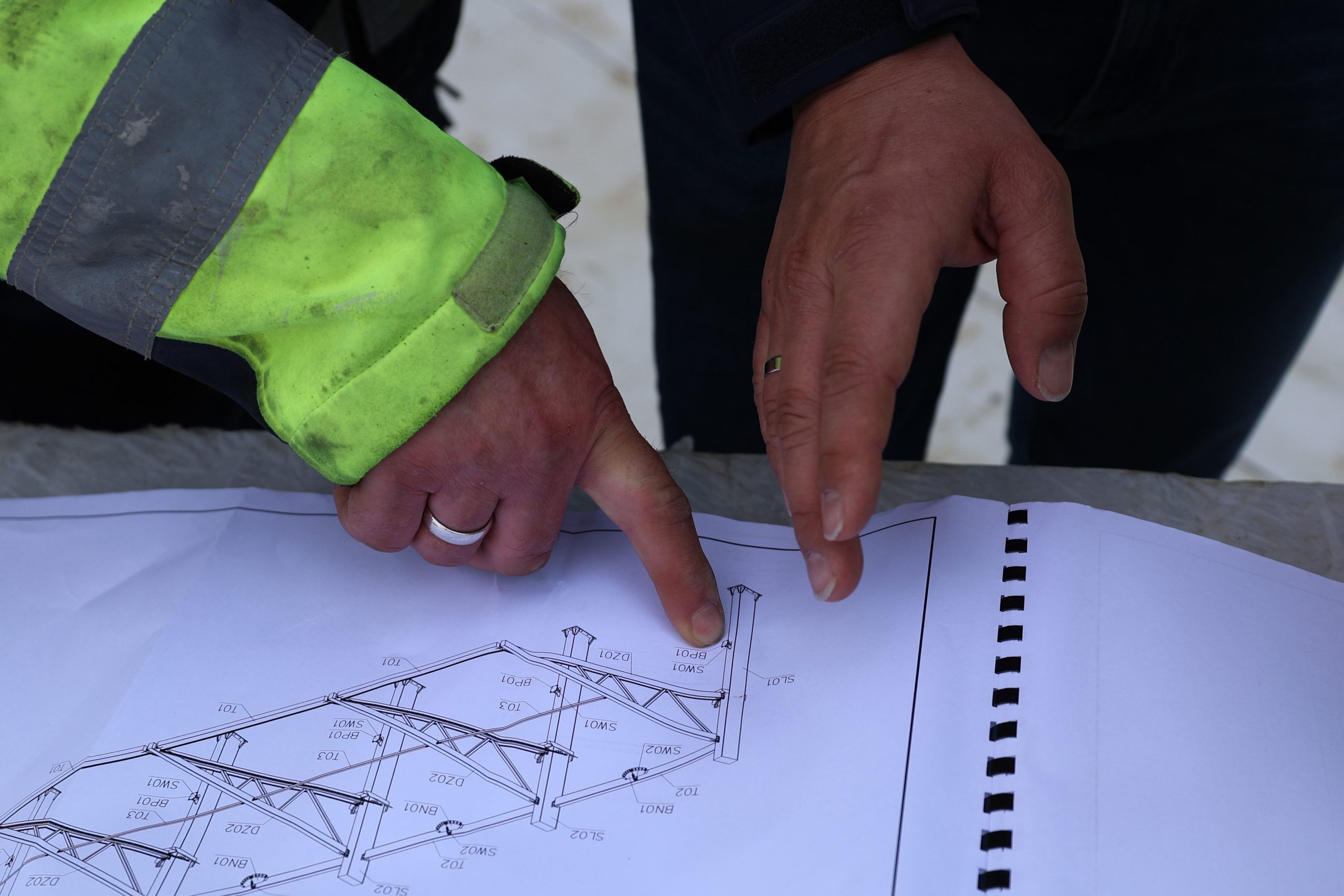
The first and most important step is to create a detailed design of the tent hall. At this stage, specialists from Abastran conduct a thorough analysis of the client’s needs. This analysis includes determining the purpose of the hall, its dimensions, and specific requirements regarding the loads that the structure will have to withstand. Then, appropriate materials, such as steel or membranes, are selected, taking into account their durability and resistance to weather conditions.

Personalization plays a key role in the design process. Clients have the option to choose colors, roof type, and sheathing type, allowing the hall to be perfectly tailored to individual needs and company aesthetics. At Abastran, special attention is paid to optimizing the structure, making tent halls not only functional but also economical to operate. Advanced technologies are used to create lightweight yet durable structures that meet all safety standards.

Production of Structural Elements

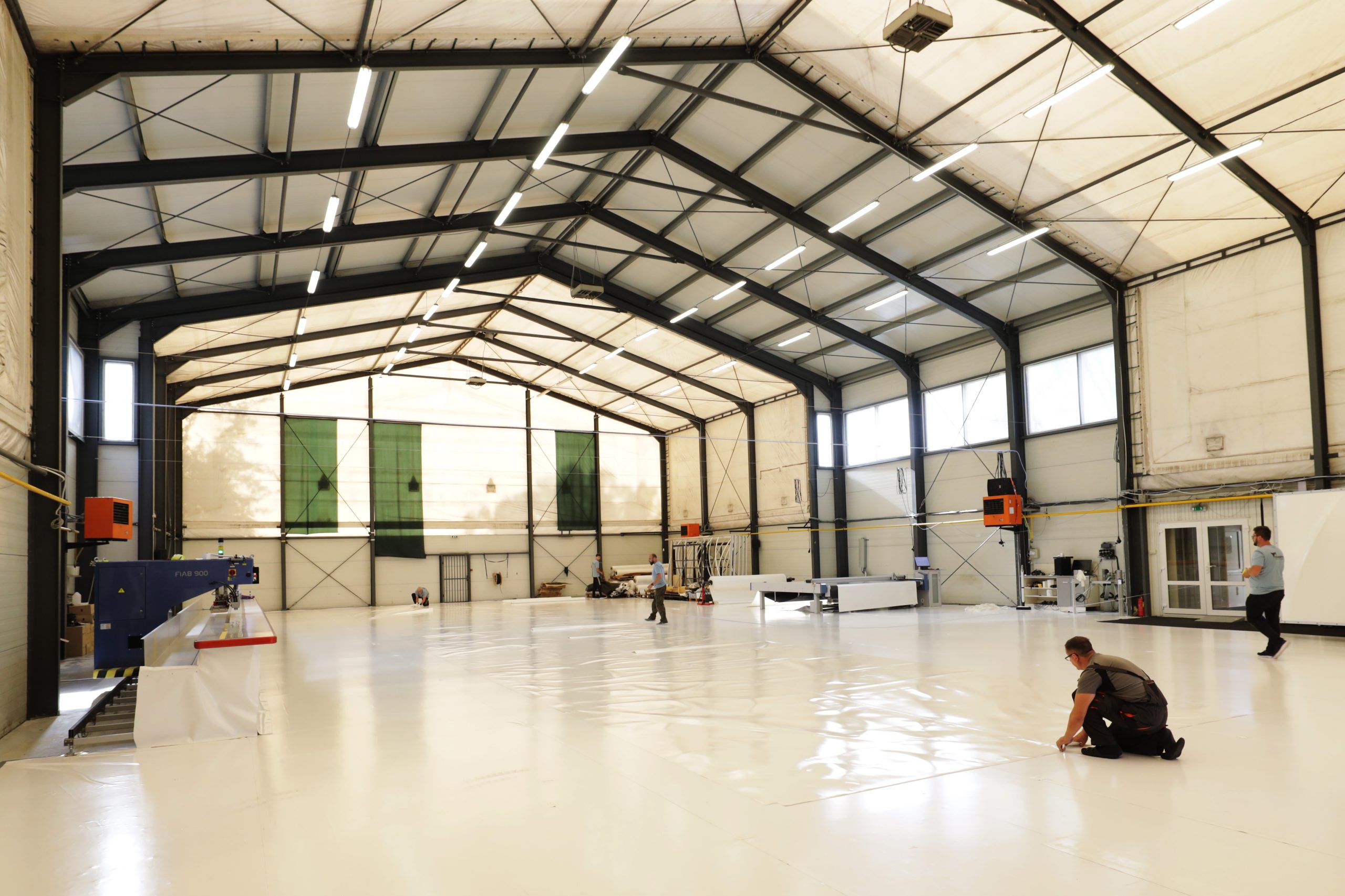
After the design is approved, the production of structural elements begins. Abastran places great emphasis on the quality of workmanship of every detail. Steel elements are precisely cut using modern plotters, ensuring a perfect fit during assembly. PVC sheathing is welded using advanced technologies that ensure durability and tightness of the joints.

All production processes at Abastran are subject to rigorous quality control. The company holds numerous certificates that confirm the compliance of its products with the highest industry standards. This ensures that customers receive a product that is not only aesthetically pleasing but also robust and safe. The use of modern technologies in the production process translates into the long lifespan of tent halls and their resistance to changing weather conditions.

On-Site Assembly of the Structure

The final stage is the assembly of the tent hall at the target location. This process begins with site preparation, which includes leveling and compacting the ground to ensure the stability of the structure. Then, a qualified assembly team proceeds to erect the frame, which forms the skeleton of the entire hall. The frame is assembled from precisely made elements, ensuring its strength and stability.

After assembling the frame, the sheathing and accessories such as gates, doors, and ventilation systems are installed. The Abastran assembly team has many years of experience in assembling tent halls, ensuring that the work is carried out efficiently and according to schedule. Each stage of assembly is carefully controlled to ensure the highest quality and safety of the hall’s use. Thanks to a professional approach and attention to detail, Abastran tent halls are ready for use shortly after the start of assembly work.

How Long Does It Take to Build a Tent Hall?

The time required to build a tent hall is one of the key factors that determine the choice of this type of structure. Compared to traditional brick buildings, tent halls are distinguished by a significantly faster execution time. Below, we will discuss in detail how long the entire process takes and what factors can affect it.

From Design to Completion

The average time to complete the construction of a tent hall, from the moment the design is approved to the completion of assembly, is between 3 to 6 weeks. It is worth noting that this is an approximate time and may vary depending on the specifics of the project. At Abastran, each project is treated individually, and the work schedule is tailored to the client’s needs.

A key aspect that allows for such rapid execution is the use of prefabricated elements. Because most components are produced in advance under controlled conditions, on-site assembly proceeds smoothly and without unnecessary delays. As a result, the client can start using the hall relatively soon after making the investment decision.

Factors Influencing Completion Time

Several important factors influence the time it takes to build a tent hall. First and foremost is the size of the hall – the larger the structure, the more time is needed for its production and assembly. Another important aspect is the type of materials used. For example, the use of specialized membranes may slightly extend the production time but will provide better performance parameters for the hall.

Additional client requirements, such as custom dimensions, special ventilation systems, or additional accessories, can also affect the completion time. However, it is worth emphasizing that thanks to the flexibility and experience of Abastran, even the most complex projects are completed in the shortest possible time. An example of this is the rapid assembly of a hall through the use of prefabricated elements, which are prepared in advance and delivered to the construction site ready for installation.

Why Choose Abastran?

Choosing the right partner for building a tent hall is a crucial decision that will affect the success of the entire project. Abastran stands out in the market due to its many years of experience, specialized knowledge, and comprehensive approach to each project. Below are the main reasons why you should trust this company.

Specialization in Tent Halls

Abastran is a company that has specialized in designing and building tent halls for years. This gives it in-depth knowledge of the specifics of this type of structure and the latest trends in the industry. The company offers a wide range of services tailored to the individual needs of clients. The offer includes high-quality PVC sheathing, characterized by exceptional durability and resistance to weather conditions.

In addition, Abastran designs and manufactures membrane structures, steel structures, and ETFE structures. Each of these types of structures has its unique advantages and can be adapted to specific customer requirements. Thanks to the use of modern technologies and high-quality materials, Abastran tent halls are not only functional but also aesthetic and durable. The company also offers temporary roofing and shading nets, which are used in various industries, from events to construction.

Comprehensive Service from Design to Assembly

One of the main advantages of Abastran is its comprehensive service, which covers all stages of project implementation – from the initial concept, through detailed design, production of elements, to professional assembly at the target location. This means that the client does not have to coordinate work between different subcontractors, saving time and reducing the stress associated with the investment.

Abastran stands out from the competition not only due to its experience and the high quality of its products but also due to its fast execution time. Thanks to the use of modern production technologies and efficient project management, tent halls are ready for use shortly after the start of work. A professional approach, timeliness, and attention to every detail make Abastran a trustworthy partner that can handle even the most demanding projects.

Formalities – Does Building a Tent Hall Require a Permit?

Legal and formal issues are an integral part of any construction investment, including the construction of a tent hall. Depending on the purpose and duration of use of the hall, the requirements for permits may vary. It is therefore important to thoroughly familiarize yourself with the applicable regulations to avoid unpleasant surprises and delays in project implementation.

Tent Hall and Building Permit

Building law distinguishes between two basic types of tent halls: temporary structures and long-term structures. For temporary halls used for a period not exceeding 180 days, it is sufficient to notify the intention to build to the appropriate architectural and building administration authority. This procedure is much simpler and faster than obtaining a building permit.

However, tent halls intended for use for a period longer than 180 days are treated as permanent structures and require a building permit. In this case, it is necessary to prepare full project documentation, which must comply with the local spatial development plan or the decision on development conditions. The process of obtaining a building permit is more complicated and time-consuming, but with the support of specialists from Abastran, it can be completed smoothly and without problems.

What is the Sheathing of a Tent Hall Made Of?

Dodatkowe treści

What is the Sheathing of a Tent Hall Made Of?

Tent halls are gaining popularity as a versatile solution for many industries. They serve as temporary warehouses, event spaces, industrial facilities, and even sports facilities. A key element that determines the functionality, durability, and aesthetics of a tent hall is its sheathing. Properly selected sheathing material provides protection against weather conditions, structural safety, and an aesthetic appearance.

Choosing the material for the sheathing of a tent hall is a decision that affects many aspects of the facility’s use. Not only costs should be taken into account, but above all the purpose of the hall, the conditions in which it will be used, and the expected period of its use. The right choice of sheathing ensures that the hall will serve for years, maintaining its properties and aesthetic appearance. It is therefore worth taking the time to analyze the available options and choose the one that best suits your specific needs.

What Requirements Must the Sheathing of a Tent Hall Meet?

The sheathing of a tent hall must meet many challenges to ensure the safety and functionality of the structure. First of all, the material should be resistant to weather conditions. This means that it must effectively protect the interior of the hall from rain, snow, and also harmful UV radiation, which can cause material degradation.

In addition, the sheathing must be characterized by high mechanical strength. It should be resistant to tearing, abrasion, and other damage that may occur during use, for example during strong winds or snow loads. The durability of the material is crucial to ensure a long period of use of the hall without the need for frequent repairs or replacement of the sheathing. Additionally, the sheathing should be easy to maintain and clean, and also allow for customization to individual customer needs, both in terms of dimensions and aesthetics.

Most Commonly Used Materials for Tent Hall Sheathing

Choosing the right material for the sheathing of a tent hall is crucial for its functionality and durability. There are various types of materials available on the market, and the most popular include PVC, PTFE, and specialized shading nets. Each of them has unique properties that make it suitable for different applications.

When deciding on a specific material, it is worth considering the specifics of the planned use of the hall and the conditions in which it will be used. A well-chosen material will provide not only protection against external factors but also a long lifespan and an aesthetic appearance of the structure.

PVC (Polyvinyl Chloride)

PVC, or polyvinyl chloride, is one of the most commonly used materials for tent hall sheathing. Its popularity results from the combination of an affordable price with good performance properties. This material is flexible, which facilitates the assembly and disassembly of the hall. It is also characterized by high resistance to water and UV radiation, thanks to which it effectively protects the interior of the hall from adverse weather conditions.

At Abastran, we specialize in PVC welding, which allows us to create durable and tight connections. Thanks to many years of experience in processing this material, we are able to provide sheathing of the highest quality, perfectly tailored to the individual needs of the client. Our PVC sheathing is not only functional but also aesthetic, which makes it perfect for various applications.

PTFE (Polytetrafluoroethylene)

PTFE, also known as Teflon, is a material with exceptional properties that is used in the most demanding projects. Its main advantage is its extraordinary durability – sheathing made of PTFE can last for several decades without significant loss of its properties. This material is also resistant to almost all chemical substances, and its surface has excellent self-cleaning properties. Thanks to this, dirt does not adhere to the sheathing and is easily washed away by rain.

PTFE is a material often used in advanced tent structures, such as roofing for stadiums, amphitheaters, or other public facilities. Its unique parameters make it an investment for years, guaranteeing reliability and aesthetic appearance. At Abastran, we have extensive experience in PTFE confectioning, which allows us to carry out even the most complex projects.

Shading Nets and Specialized Materials

Shading nets are light and airy materials that are perfect for event halls, stages, or temporary roofing in restaurant gardens. They provide protection against excessive sunlight while allowing free air flow. The nets are available in various colors and grammages, which allows them to be adapted to individual needs and the aesthetics of the surroundings.

In addition to standard materials, there are also specialized solutions available on the market, dedicated to specific applications. Examples include membranes used in military structures, which must meet stringent strength and camouflage standards. Another example is materials with increased fire resistance, used in industrial facilities where there is a risk of fire. At Abastran, we offer a wide selection of specialized materials tailored to the individual requirements of clients.

How to Choose the Right Sheathing for a Tent Hall?

Choosing the right sheathing for a tent hall depends on several key factors. First of all, the type of planned use of the hall should be taken into account. A warehouse will have different requirements than a hall intended for organizing outdoor events. The budget at our disposal is also important, as the prices of individual materials can vary significantly. Location conditions, such as sunlight, wind strength, or air humidity, which can affect the durability and functionality of the sheathing, are also important.

Abastran offers comprehensive support in the field of optimizing tent hall structures. Our specialists help clients choose the optimal solution, taking into account all relevant factors. Thanks to this, the tent hall is not only functional and durable but also perfectly tailored to the individual needs and requirements of the client. Optimization of the structure allows for maximum use of the properties of the selected material, which translates into a long lifespan and trouble-free use of the hall.

Why Trust Abastran?

Abastran has many years of experience in the industry, specializing in PTFE confectioning and PVC welding. Our knowledge and skills allow us to carry out even the most complex projects, always with attention to the highest quality and precision of workmanship. We offer comprehensive services, from professional consulting and design to the production and assembly of ready-made solutions.

Our modern machine park, equipped with technologically advanced devices such as cutting plotters, allows us to produce custom-made sheathing, perfectly tailored to the individual needs of each client. Thanks to this, we are able to meet even the most unusual orders, while ensuring fast turnaround times and competitive prices. By working with us, you can be sure that your order will be carried out with the utmost care, and the final result will meet all your expectations.