Logo UE
Logo Abastran

Durability of PVC Membranes – What Ensures Their Long-Lasting Performance?

Durability of PVC Membranes – What Ensures Their Long-Lasting Performance?


PVC membranes (polyvinyl chloride) are highly versatile materials widely used in construction, industry, and agriculture. Their durability and resistance to various factors make them a top choice for roofing, water tank insulation, and waterproofing systems. But what exactly determines their longevity? In this article, we will discuss the key factors influencing the durability of PVC membranes and provide tips on how to use them properly to ensure they last for years.


What Are PVC Membranes?

PVC membranes are flexible sheets made of polyvinyl chloride, enhanced with additives such as UV stabilizers, plasticizers, and glass fiber reinforcements to improve their properties. They are widely used in waterproofing systems and roofing applications due to their resistance to weather conditions and mechanical strength.

Key Features of PVC Membranes:

  • UV Resistance – They do not degrade under sunlight exposure.
  • Flexibility – Allows for easy adaptation to various surfaces, including irregular ones.
  • Chemical Resistance – Resistant to many chemicals.
  • Longevity – With proper installation and maintenance, they can last for decades.


Factors Affecting the Durability of PVC Membranes

1. Quality of Raw Materials

PVC membranes vary in composition and the quality of the raw materials used. A higher content of UV stabilizers, better plasticizers, and proper proportions of base materials significantly enhance their durability. It’s important to choose membranes from reputable manufacturers who use advanced production technologies and high-quality raw materials.

2. Thickness of the Membrane

The thickness of a PVC membrane directly impacts its resistance to mechanical damage, such as punctures or abrasion.

Examples of Thickness:

  • 1.2 mm – For light applications, e.g., balcony insulation.
  • 1.5 mm – Standard roofing applications.
  • 2.0 mm or more – Demanding applications, e.g., water reservoirs.

3. Proper Installation

Even the best PVC membrane can lose its properties if improperly installed. Professional installation involves:

  • Proper preparation of the substrate.
  • Use of high-quality welding tools.
  • Application of correct sealing and joining techniques.

4. Resistance to Weather Conditions

PVC membranes are designed to withstand extreme weather conditions – from intense sunlight to heavy rain or frost. UV stabilizers and the material’s flexibility enable them to retain their properties for decades.

5. Maintenance and Use

Regular maintenance of PVC membranes, including cleaning and checking for leaks, significantly extends their lifespan. Neglecting these tasks can lead to premature material wear.


Applications of PVC Membranes

1. Roofing

PVC membranes are widely used in construction as coverings for flat and sloped roofs. Their flexibility and resistance to moisture make them ideal for large-scale roofing projects.

2. Waterproofing Water Reservoirs

Thanks to their resistance to water and chemicals, PVC membranes are commonly used to insulate retention tanks, swimming pools, and garden ponds.

3. Industrial and Agricultural Applications

PVC membranes are used in warehouses, silos, and as moisture barriers in industrial and agricultural structures.


Advantages of PVC Membranes

1. Long-Lasting Durability

Thanks to their resistance to UV radiation, water, and chemicals, PVC membranes can last for 30–50 years while maintaining their properties.

2. Easy Installation

The flexible structure allows for quick installation on various surfaces, saving time and reducing installation costs.

3. Versatile Applications

PVC membranes can be used in construction, industry, and agriculture, making them a universal insulating material.


How to Extend the Lifespan of PVC Membranes?

  • Regularly check for leaks and material condition.
  • Clean the membrane to remove contaminants that may accelerate wear.
  • Choose membranes from reputable manufacturers with quality guarantees.
  • Entrust installation and maintenance to professional companies.


Conclusion

The durability of PVC membranes depends on the quality of the material, installation methods, and usage conditions. Their resilience and versatility make them one of the most popular choices in construction and industry. By selecting the right membrane and ensuring proper maintenance, you can be confident it will last for years.

Wondering which PVC membrane is best for your project? Contact us, and we’ll help you make the best choice!
The Use of Tent Coverings in the Military Industry – Durability and Versatility

The Use of Tent Coverings in the Military Industry


Tent coverings play a crucial role in the military industry. They are a fundamental element of mobile structures such as field tents, warehouses, and temporary hospitals, which must meet the highest standards of durability and functionality. In this article, you will learn about the features of quality tent coverings, their applications, and why they are so important in military operations.


What Are Tent Coverings?

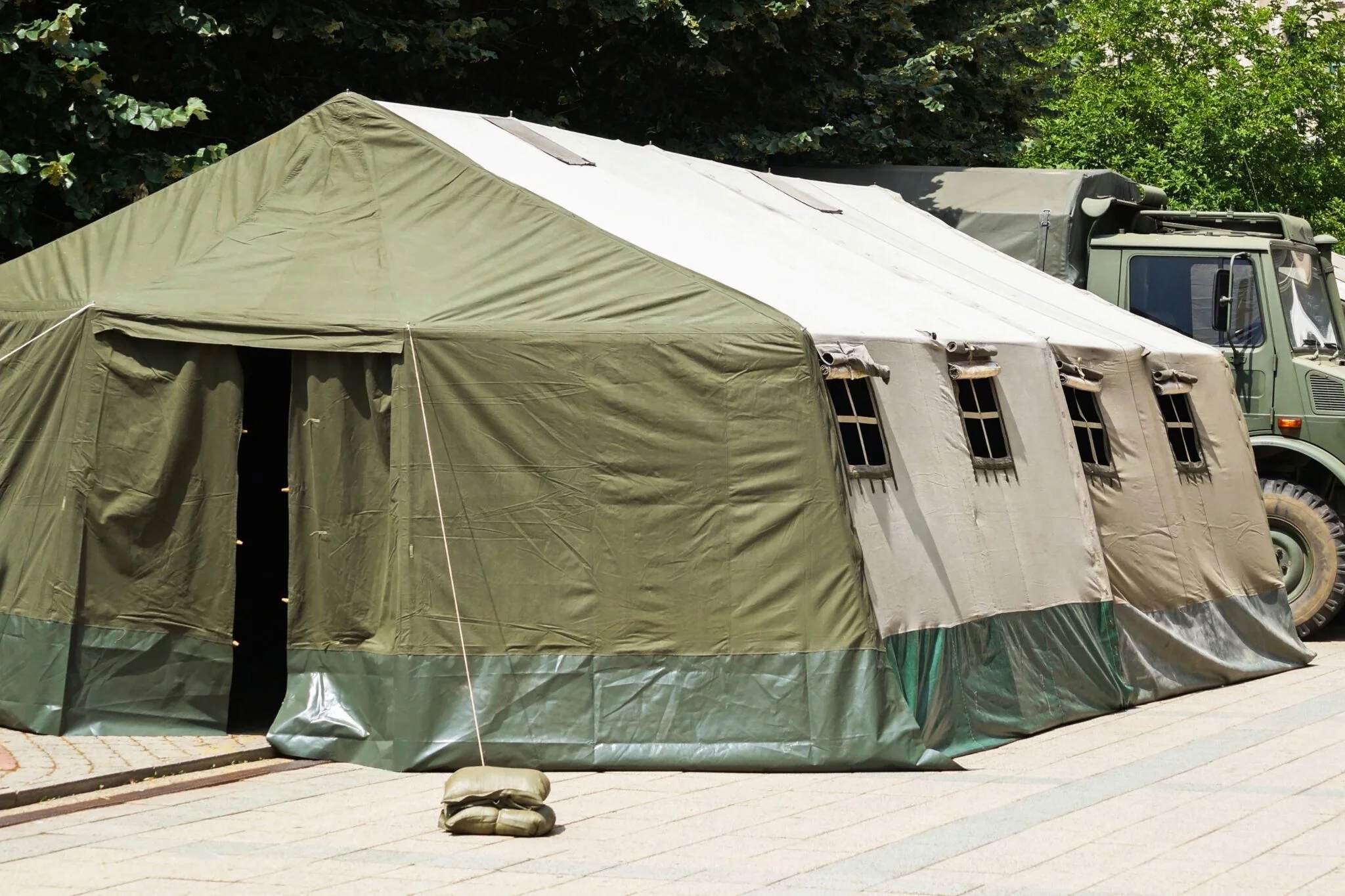
Tent coverings are specialized materials used to cover tents and other temporary structures. Typically made from high-quality technical fabrics, they are resistant to mechanical damage, weather conditions, and chemical exposure. For military applications, these coverings must meet additional requirements, such as resistance to harsh combat conditions and ease of transportation.

Key Features of Ideal Military Tent Coverings:

  • Durability – Resistant to tearing and abrasion.
  • Weather Resistance – Waterproof, UV-resistant, and able to withstand extreme temperatures.
  • Mobility – Lightweight materials for easy transport and assembly.
  • Fire Resistance – Essential for safety in combat zones.


Applications of Tent Coverings in the Military

1. Field Tents

Field tents are a staple of military equipment. Using high-quality tent coverings allows these structures to serve a variety of purposes, from soldier accommodations to command centers and field kitchens.

Advantages:

  • Quick assembly and disassembly.
  • Protection from rain, wind, and sunlight.
  • Adaptability to different terrain conditions.

2. Warehouses and Storage Facilities

Tent coverings used in mobile military warehouses provide protection for equipment and ammunition against moisture, dust, and mechanical damage.

Why It’s Worth It:

  • Cost savings compared to building permanent warehouses.
  • Easy relocation and adaptation to new locations.
  • High resistance to changing weather conditions.

3. Field Hospitals and Medical Zones

In crisis situations such as military operations or natural disasters, field hospitals with tent coverings play a key role in providing medical assistance.

Benefits:

  • Rapid deployment in any location.
  • Protection against infections due to the material’s tightness.
  • Modular design for connecting tents into larger structures.

4. Technical Zones and Mobile Workshops

Military mobile workshops and service zones use tent coverings to protect vehicles and equipment during repairs or maintenance.


Why Are Tent Coverings So Important in the Military Industry?

1. Durability Under Extreme Conditions

The materials used in the military must withstand harsh combat conditions – from deserts to freezing Arctic zones. Tent coverings are designed to endure strong winds, heavy rains, snow, and high temperatures.

2. Mobility and Ease of Transport

The lightweight nature of the materials allows for quick transport even to remote locations. This enables the army to rapidly relocate bases and adapt to changing conditions.

3. Versatility of Applications

Tent coverings can be used for both residential and technical purposes, making them an essential part of any army’s equipment.


How to Choose the Right Tent Covering?

1. Define Usage Conditions

Will the covering be used in dry, humid, or extreme temperatures? The choice of material should depend on the environment in which it will be used.

2. Check Military Standards

Tent coverings used in the military must meet specific standards, such as MIL-STD, to ensure their durability and safety.

3. Choose Experienced Manufacturers

Select coverings from reputable manufacturers who offer materials tested in combat conditions and ensure high quality.


Advantages of Military Tent Coverings

  • Longevity – High resistance to wear and harsh conditions.
  • Ease of Assembly – Quick setup even by a small team.
  • Lightweight – Facilitates transport and storage.
  • Modularity – The ability to connect structures into larger systems.


Conclusion

Tent coverings are an indispensable part of military equipment. Thanks to their durability, mobility, and versatility, they are effective in all situations – from combat operations to peacekeeping missions and humanitarian aid. Choosing the right material and maintaining it properly ensures that tent structures will perform their duties even in the harshest conditions.

Are you looking for durable and functional tent coverings? Contact us to learn about the best solutions for your needs!

The Use of Shade Nets in Urban Architecture

The Use of Shade Nets in Urban Architecture


In cities where public spaces play a key role in residents’ lives, shade nets have become both a practical and aesthetic solution. Used in various urban projects, they improve the comfort of spaces and protect against unfavorable weather conditions. In this article, you will learn how shade nets are transforming urban architecture and what their main benefits are.


What Are Shade Nets?

Shade nets are lightweight and durable textile or technical materials used to reduce sunlight, improve thermal comfort, and provide protection from rain or wind. Made from UV-resistant materials, they are a long-lasting and flexible solution for outdoor applications.

Key Features of Shade Nets:

  • Weather Resistance – Ensures long life even in tough conditions.
  • Various Levels of Shade – From light filtering to almost complete shading.
  • Aesthetics – Available in various colors and patterns to complement urban design.


Applications of Shade Nets in Urban Architecture

1. Rest Areas in Parks and Squares

Shade nets are perfect for areas where residents spend time outdoors. They provide protection from excessive sunlight, allowing people to enjoy public spaces even on hot days.

Benefits:

  • Improved comfort for users.
  • Increased attractiveness of public spaces.
  • The ability to host outdoor events regardless of weather conditions.

2. Protection for Children’s Areas

Playgrounds without adequate sun protection can become unsafe for children. Shade nets are often used as overhead coverings for swings, sandboxes, and other play equipment.

Advantages:

  • Protects children from harmful UV rays.
  • Reduces overheating of play equipment.
  • Blends aesthetically with recreational spaces.

3. Dining Areas and Marketplaces

In urban dining areas and markets, shade nets ensure comfort for both customers and vendors.

Why It’s Worth It:

  • Creates a pleasant space for dining.
  • Protects goods from sun exposure.
  • Enhances the aesthetic appeal of the urban landscape.

4. Recreational and Sports Spaces

Shade nets are often installed over sports fields, courts, or outdoor gyms, providing better conditions for physical activities.


Advantages of Shade Nets in Cities

1. Thermal Comfort

In cities where concrete surfaces create the urban heat island effect, shade nets help lower temperatures in public spaces.

2. Protection from UV Radiation

UV radiation poses a risk not only to people but also to urban infrastructure. Shade nets protect surfaces from fading and overheating.

3. Enhanced Aesthetics

With customizable colors and patterns, shade nets can serve as decorative elements, highlighting the character of public spaces.

4. Easy Installation and Removal

Shade nets are lightweight and easy to install, allowing spaces to be quickly adapted to different needs.


How to Choose the Right Shade Net?

1. Determine the Level of Shading

Choose a net with the appropriate level of light transmission based on the intended use – heavier shading for playgrounds, lighter shading for dining areas.

2. Select the Right Material

Ensure the material is resistant to UV rays, rain, and wind.

3. Match the Aesthetics of the Space

The nets should harmonize with the surroundings to emphasize the value of urban design.

Why Choose Our Company?

We provide comprehensive shade net solutions tailored to the diverse needs of urban spaces.

  • Professional Service – We’ll advise on the best type of net for your project.
  • Wide Product Range – Various colors, patterns, and shading levels.
  • Fast Installation – Efficient project delivery.

Many cities and private investors have already trusted us. Contact us to learn more!


Conclusion

Shade nets are not only functional but also an aesthetic solution in urban architecture. They provide sun protection, improve thermal comfort, and visually enrich public spaces. Choosing the right net can transform the look and functionality of any area.

Contact us today to find the ideal solution for your project!

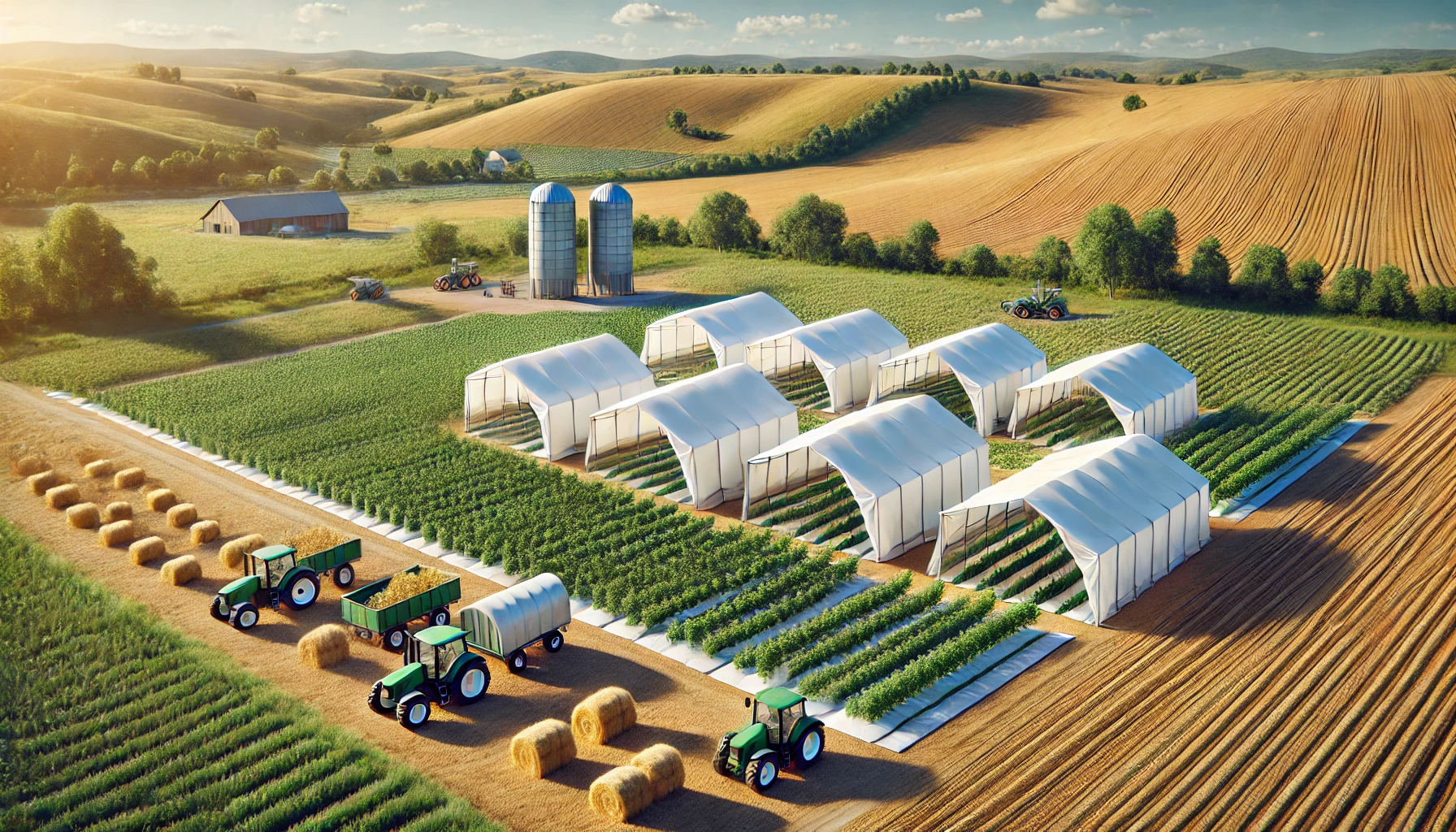
What Are the Benefits of Temporary Roofing in Agriculture?

What Are the Benefits of Temporary Roofing in Agriculture?


Temporary roofing is an innovative solution that enhances the quality and efficiency of production processes in many agricultural sectors. This technology provides exceptional precision, minimizes material losses, and reduces implementation time.

If you are looking for a service that meets your needs, our company offers professional temporary roofing solutions tailored to agriculture. Learn why it’s worth choosing us!

Why Should You Choose Our Company?

Our company provides temporary roofing services using state-of-the-art technology, ensuring:

  • Precision execution – Our structures guarantee the perfect realization of your project.
  • Tailored approach – We adapt our designs to your specific needs.
  • Competitive prices and quick implementation – We work efficiently and cost-effectively.

Our experts pay attention to every detail of your project, delivering top-quality service that meets your expectations.

How Does Temporary Roofing Work?

Temporary roofing involves lightweight, short-term or medium-term constructions designed to protect against external factors such as rain, snow, wind, or strong sunlight. In agriculture, they often serve as an alternative to permanent buildings, which can be costly and time-consuming to construct.

Key Features of Temporary Roofing:

  • Fast assembly and disassembly.
  • Affordable costs.
  • Flexibility in size and shape to meet the needs of farms.

Applications of Temporary Roofing in Agriculture

1. Crop Protection and Storage

Temporary roofing is indispensable for protecting harvested crops like grain, hay, or vegetables. It prevents losses caused by adverse weather conditions or overexposure to the sun.

Benefits:

  • Preserves crop quality.
  • Reduces losses from weather damage.
  • Mobility – structures can be moved as needed.

2. Shelter for Animals

Farmers can use temporary roofing as shelters for livestock, poultry, or shaded areas for cattle. These structures ensure comfortable conditions for animals even during extreme weather.

Advantages:

  • Improves animal welfare.
  • Protection against rain, snow, and heat.
  • Easy adaptation to changing farming needs.

3. Machinery and Equipment Storage

Temporary roofing is a great solution for storing tractors, agricultural machinery, and tools, protecting them from corrosion and extending their lifespan.

Why it’s worth it:

  • Reduces repair costs caused by weather exposure.
  • Enhances security and prevents theft (with lockable features).
  • Flexibility – structures can be expanded when necessary.

Advantages of Temporary Roofing

1. Cost-Effectiveness

Constructing permanent buildings can be expensive and time-consuming, especially for small farms. Temporary roofing provides a much cheaper alternative while maintaining high functionality.

2. Quick Installation

Time is money – especially in agriculture. Thanks to their modular design, temporary roofs can be installed in just a few hours, allowing immediate use.

3. Mobility and Flexibility

Unlike permanent buildings, temporary roofing can be easily moved to adapt to the changing needs of the farm.

4. Environmental Protection

Temporary constructions require fewer building materials, making them a more eco-friendly choice. Additionally, many of these structures can be recycled.

How to Choose the Right Temporary Roofing?

1. Identify Your Needs

Consider the purpose of the roofing – will it be used to protect crops, animals, or equipment?

2. Select the Right Material

Temporary roofs can be made of durable fabrics, metal sheets, or PVC panels. The choice of material should depend on weather conditions and specific applications.

3. Pay Attention to Size and Structure

Ensure the roofing is large and stable enough to meet your requirements.

Why Trust Our Company?

We offer professional temporary roofing solutions tailored to the needs of every farm. Our structures are:

  • Durable and resistant to harsh weather conditions.
  • Customizable in size and shape.
  • Affordable and quick to assemble.

With years of experience delivering modern solutions for agriculture, we guarantee top-quality services. Contact us for a personalized quote today!

Conclusion

Temporary roofing is an excellent solution for any farm seeking flexibility, cost savings, and effective protection. With quick installation, versatility, and affordable pricing, it’s an investment that pays off quickly. Whether you need to protect crops, animals, or equipment, temporary roofing is the perfect choice.

Contact us today to learn more and find the ideal roofing solution for your farm!

HF Technology in Practice – Key Benefits for Large-Scale Projects

HF Technology in Practice – Benefits for Large-Scale Projects


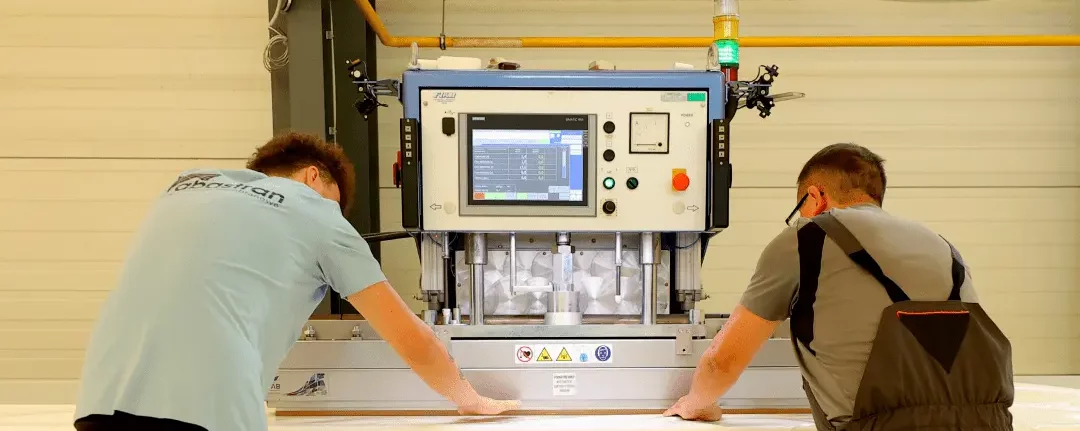
Modern large-scale projects pose increasing demands on the industry regarding precision, durability, and efficiency. In this context, HF technology (High Frequency), also known as high-frequency welding, becomes an indispensable tool. With its unique properties, HF technology is widely used across many industries, offering benefits that are hard to overestimate. In this article, we will explore what HF technology is, its advantages, and where it is most commonly applied.


What is HF Technology?

HF technology, or high-frequency technology, uses electromagnetic waves ranging from 13 to 27 MHz for welding and joining materials. The process generates heat by exciting the material’s molecules, enabling a permanent bond without the need for adhesives. It is particularly effective for working with plastics like PVC, PU, and coated fabrics.

Key Features of HF Technology:

  • High Precision – Enables precise bonding even for complex shapes.
  • Durability – Joints are resistant to mechanical, chemical, and weather factors.
  • Speed – The welding process is quick, enhancing production efficiency.
  • Eco-Friendly – No need for additional adhesives or solvents.


Benefits of HF Technology for Large-Scale Projects

1. Strength and Reliability of Joints

HF technology ensures exceptionally strong and durable bonds that can withstand even the most challenging operating conditions. This makes it ideal for applications where resistance to tension, compression, or external factors is critical.

2. Efficiency in Large Projects

Large-scale structures such as industrial tents, swimming pools, or roofing membranes require technology that allows for quick and precise bonding of extensive surfaces. HF makes it possible to complete such projects faster, reducing costs and maximizing productivity.

3. Versatility of Applications

HF technology is incredibly versatile – it can be applied across various industries, from construction and logistics to healthcare. It enables bonding of different materials, making it indispensable in large-scale production.

4. Eco-Friendly Approach

By eliminating the need for adhesives and solvents, HF technology is more environmentally friendly than traditional bonding methods. Reduced production waste also translates into a lower ecological footprint.


Applications of HF Technology

1. Construction and Industry

HF technology is widely used in manufacturing roofing membranes, rain covers, and industrial curtains. Its durability and tightness make it perfect for demanding construction conditions.

2. Logistics and Storage

In logistics, HF is used in the production of transport tarps, warehouse tents, and protective covers. The quick bonding process enables the creation of large, damage-resistant structures.

3. Medicine and Healthcare

In healthcare, HF is used for manufacturing products like medical mattresses, orthopedic cushions, and fluid bags. Durable and hygienic bonds are crucial in this industry.


Why Invest in HF Technology?

  • Time and Cost Savings – The quick bonding process optimizes production.
  • Versatility – HF technology is applicable across many industries and materials.
  • Eco-Friendly Approach – No chemical additives and less waste.
  • High Quality – Durable and aesthetically pleasing bonds meet the highest standards.


Conclusion

HF technology is an innovative solution that sets new standards for large-scale projects. Thanks to its versatility, durability, and efficiency, it is indispensable in many industries, including construction, logistics, and healthcare. By investing in HF, you gain not only quality but also eco-friendliness and cost savings. If you are looking for modern methods of bonding materials, HF technology is a choice that pays off.

Want to learn more about HF technology’s potential? Contact us to explore details and find the ideal solution for your project!

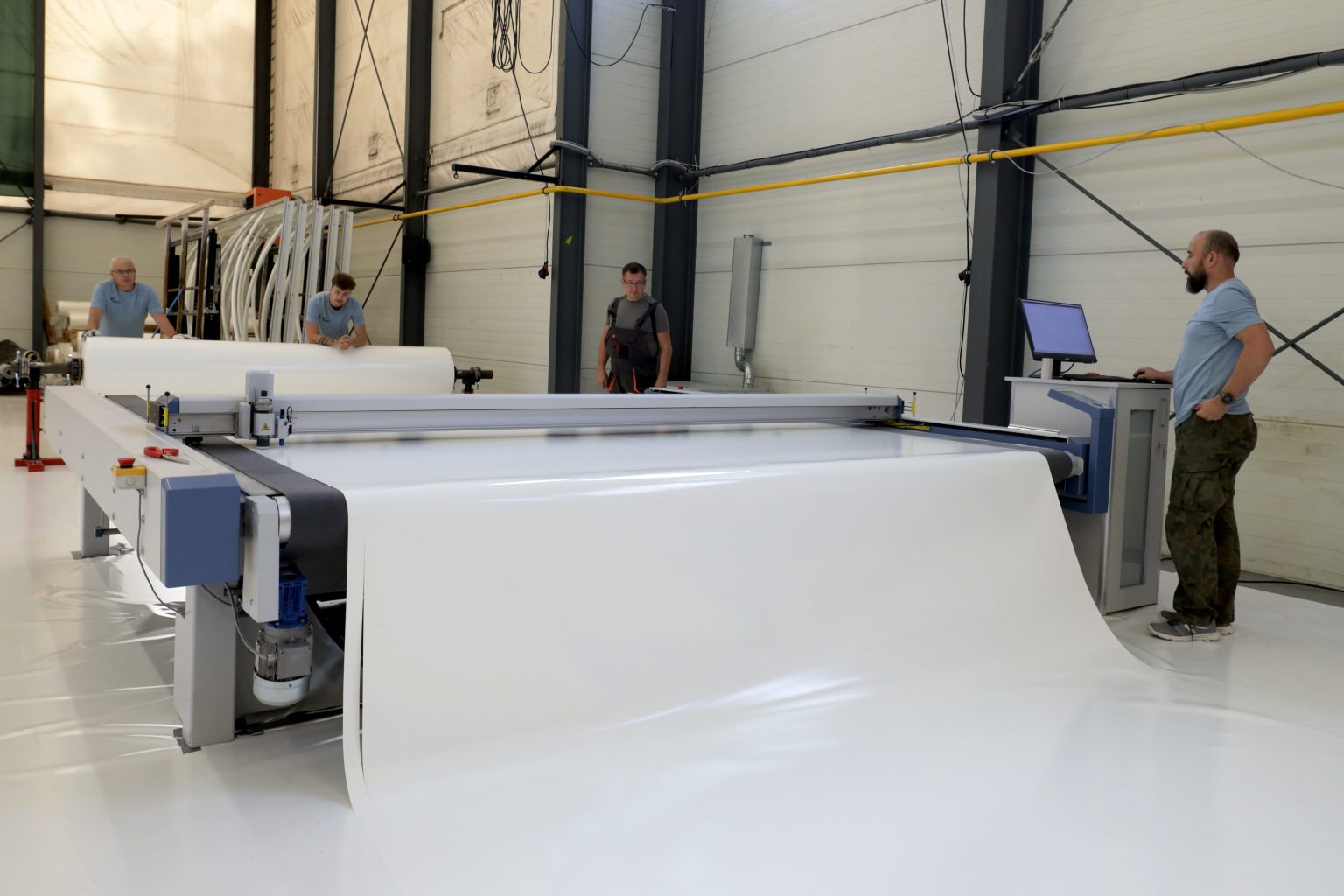
What are the benefits of precise membrane cutting with a CNC plotter?

What are the benefits of precise membrane cutting with a CNC plotter?


Precise membrane cutting with a CNC plotter is an innovative solution that enhances the quality and efficiency of production processes in many industries. This technology enables exceptional precision, minimizes material waste, and shortens order completion times.

If you’re looking for a service that meets your requirements, our company offers professional membrane cutting with a CNC plotter. Discover why you can trust us!


Why choose our company?

Our company offers membrane cutting services using the latest CNC technologies, ensuring:

  • Precision execution – our equipment guarantees perfect project replication.
  • Individual approach – we tailor the project to your needs.
  • Competitive prices and quick turnaround times – we operate efficiently and economically.

Our experts take care of every detail of your order, ensuring the highest quality of service.


How does CNC plotter cutting work?

CNC plotters use computer control, which ensures exceptional precision and repeatability. The cutting process begins with project preparation in a CAD/CAM system, enabling the execution of even the most complex shapes.

Key advantages of CNC cutting:

  • Capability to work with a variety of materials.
  • Maintaining high accuracy – even for large orders.
  • Automation that shortens completion time.


Benefits of membrane cutting with a CNC plotter

1. Top-level precision

One of the greatest advantages of CNC plotter cutting is exceptional accuracy. Thanks to computer control, every part is identical, which is crucial in mass production.

2. Material savings

CNC technology minimizes material waste by precisely replicating the project, which means lower production costs and more efficient resource utilization.


Why is our technology the best choice?

Thanks to our CNC plotters, we can offer cutting at the highest level. What do you gain by choosing our services?

  • Top quality – Every element is crafted with attention to detail.
  • Short turnaround times – Automation allows us to quickly complete even large orders.
  • Competitive prices – We optimize processes to provide favorable cooperation conditions.


How does collaboration work?

1. Consultation

We will discuss your needs, select appropriate solutions, and prepare an individual quote.

2. Designing

Our specialists will prepare the project in CAD/CAM software to precisely reflect your requirements.

3. Order execution

We proceed with membrane cutting using CNC plotters. We guarantee punctuality and high-quality execution.

4. Collection of finished components

After completing the order, we send the finished products or enable their collection at our premises.


Our offer – what can we do for you?

We offer:

  • Cutting of technical membranes of various thicknesses.
  • Precise cutting of complex shapes based on CAD designs.
  • Rapid prototyping and mass order execution.

Contact us to learn more about our offer and get details of our cooperation.