
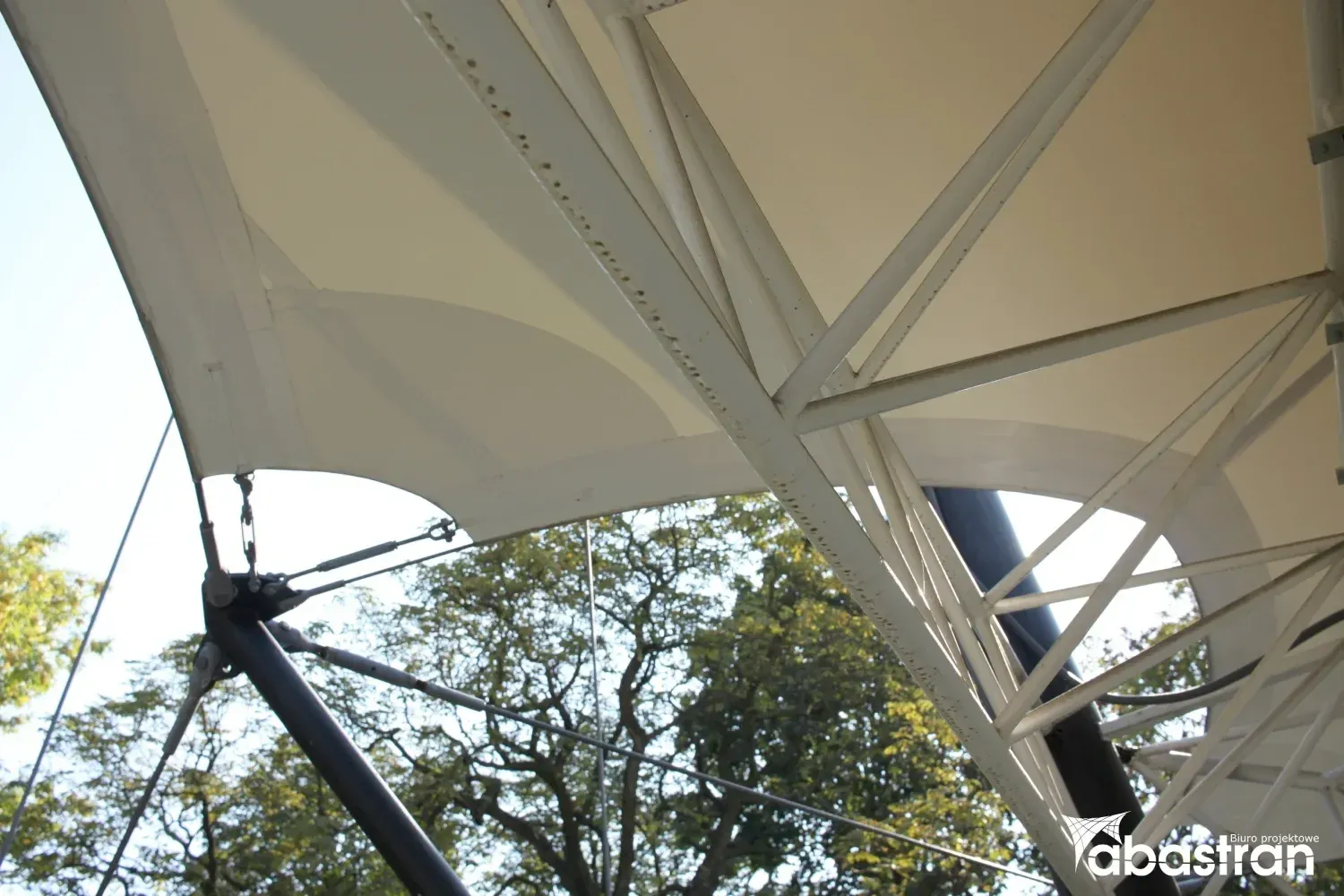
Steel structures form the backbone of modern industrial and commercial construction. Their growing popularity comes from durability, design flexibility, and fast installation. Steel offers a unique combination of properties that suit it to many building types — from steel halls through industrial facilities to infrastructure projects. This article walks through what a steel structure actually is, what its strengths and weaknesses are, and where it is most commonly used.
What is a steel structure?
A steel structure is a load-bearing system built from steel elements like steel frames and structural profiles. They form the basis of many large facilities — warehouses, sheds, industrial buildings. Steel is the ideal material for such structures because it combines mechanical strength with significant design flexibility.
Several main categories of steel structures are commonly used:
- Frame structures — most often used in halls and warehouses, built from load-bearing frames and connecting elements
- Solid-wall structures — more compact, often used for bridges and other engineering structures
The elements of a steel structure — beams, columns and connections — can be prefabricated and rapidly assembled on site, which significantly shortens project delivery time.
Advantages of steel structures
Strength and durability
One of the main advantages is high mechanical strength. Steel handles heavy loads well and is resistant to variable weather, making it ideal for steel halls and industrial facilities. Structural steel used in such projects has high corrosion resistance, especially when treated with additional protection like galvanising.
Lightweight and design flexibility
Steel structures are significantly lighter than concrete or timber alternatives, making them easier to transport and install. Steel structure assembly is fast and precise, which shortens the build time. The flexibility of steel lets designers create everything from simple warehouses to complex architectural forms.
Sustainability and recycling
Steel is fully recyclable, making it a strong choice for sustainable construction. Using steel reduces consumption of natural resources and minimises environmental impact. Steel can be recycled many times without losing its properties, which adds to its environmental value.
Disadvantages of steel structures
Initial cost and skilled labour
Steel structures offer many advantages but their construction can carry higher initial costs, especially when corrosion protection and other treatments are factored in. Assembly typically requires skilled labour, which can also raise project costs.
Thermal and acoustic insulation
Steel is a good thermal conductor, so it requires additional insulation to meet energy performance standards. Buildings that need good acoustic insulation may also need additional treatment.
Where steel structures are used
Steel structures appear across many industries, from machine industry through commercial construction. Here are some common examples.
Steel halls and warehouses
Industrial facilities like steel halls and warehouses are some of the most common applications. Steel structural elements are ideal for creating large open spaces that can house warehouses, distribution centres or production facilities.
Industrial and energy facilities
In industry, steel plays a critical role in industrial buildings and energy sector infrastructure. Steel hall structures appear in power plants, processing facilities and many other sectors that need solid, durable structures.
Steel sheds and other structures
Steel sheds are another example of steel structure applications. They are used as lightweight covers for parking lots, agricultural facilities and logistics. The combination of durability and weather resistance makes them a reliable, economical solution.
Designing and producing steel structures
A steel structure project runs through several phases:
- Design — engineers prepare a detailed plan addressing technical, structural and aesthetic requirements
- Material selection — choosing the right steel for the application (carbon steel, stainless steel, galvanised steel)
- Assembly — prefabricated elements like steel frames and profiles are transported to the site and joined into a complete structure
In summary
Steel structures offer outstanding strength, flexibility and durability, which makes them widely used in industrial and commercial construction. From steel halls through warehouses to sheds, steel is a versatile material that suits many sectors including energy and machinery. If you need proven steel structure solutions, contact Abastran — experts in this field.